


Carved Twin Pedestal Table
A carved twin pedestal table offers a substantial timber presence and steady twin supports, suiting formal dining rooms and studies alike.
Carved Twin Pedestal Table
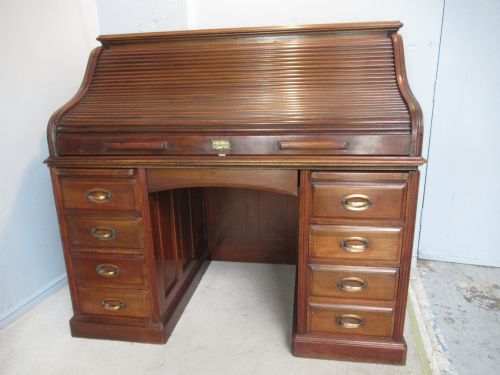
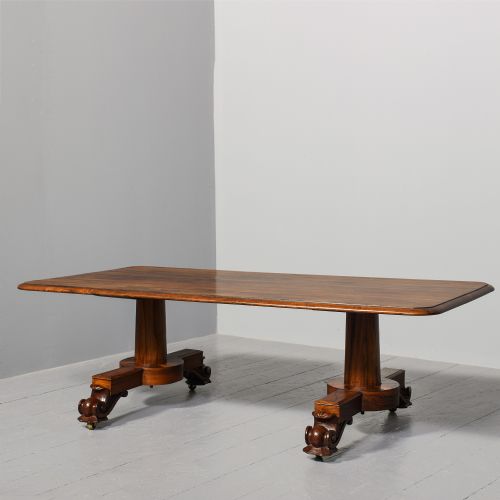
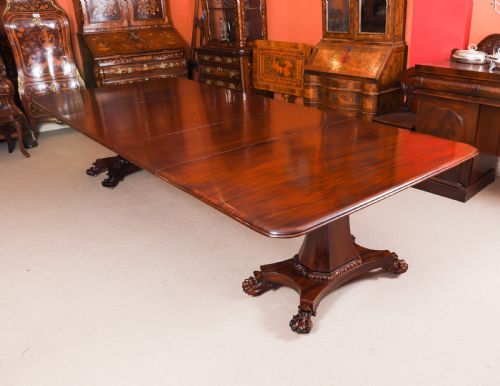
When you search for a carved twin pedestal table, you encounter substantial dining tables and partner desks supported by two distinct structural columns or pedestals. These pieces originate across the nineteenth and early twentieth centuries, spanning Victorian, Regency, and Edwardian periods.
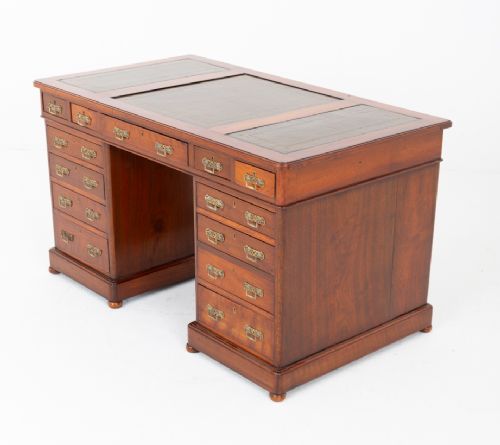
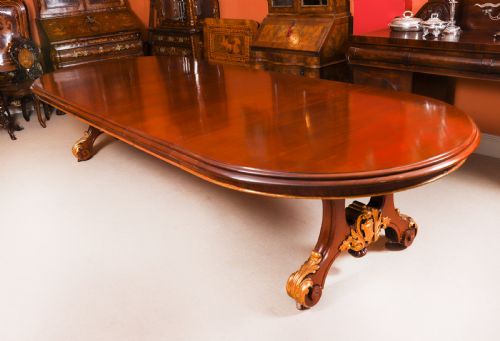
The version you meet most frequently on this page is the Victorian or Regency mahogany dining table or pedestal desk, often featuring turned or carved pillar supports resting on splayed legs. Makers adapted these forms in oak, walnut, and burr walnut, incorporating leather writing surfaces or extension leaves.
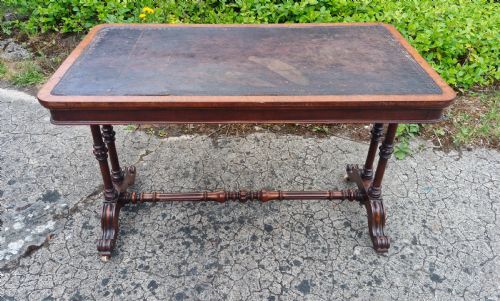
Beyond dining pieces, the selection includes library tables, sofa tables, and writing desks that share the twin support arrangement. Each variation delivers a formal silhouette rooted in Georgian and Chippendale traditions.
How they were made
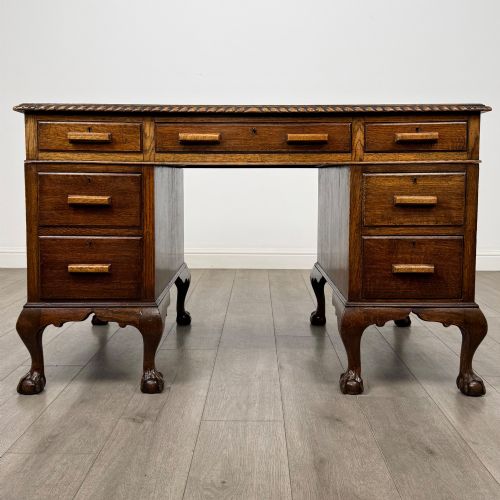
Cabinet makers utilised dense hardwoods such as mahogany, oak, walnut, and burr walnut for the primary frames and table tops, frequently selecting figured veneers to create patterned surfaces. Solid timber was carved by hand to shape the central pedestals, claw feet, and decorative mouldings.
Inlays of contrasting woods, ormolu mounts, and inset tooled leather surfaces were integrated into the design of desks and library tables. Joinery relied on traditional methods to anchor the heavy twin pillars securely to the base plinths or legs.
Listings feature pieces spanning the Georgian, Regency, Victorian, and Edwardian periods, constructed in mahogany, oak, walnut, and rosewood.
What varies in quality
The selection of timber grain and veneer figure dictates the initial visual impact, with burr walnut and figured mahogany setting a higher standard than plain or secondary woods. Crispness and depth in the hand carving of the pedestals and pillar mounts separate standard joinery from superior workshop output.
Hardware integrity, such as original brass castors, fitted locks, and patinated oxblood leather inserts, elevates the standing of a desk or table. Structural solidity in the twin pillar joints ensures the piece maintains balance under daily use.
Wylie & Lochead·Gillows of Lancaster·Howard & Son
The Carved Twin Pedestal Table Glossary
- Twin pedestal
- A table or desk structure supported by two separate vertical columns or pillars rather than four corner legs. This arrangement allows greater legroom and provides a sturdy architectural base.
- Partners desk
- A large double-sided desk designed for two people to work opposite one another, typically featuring drawers and cupboards on both faces. These pieces often incorporate inset leather tops.
- Burr walnut
- Timber taken from a growth or burl on a walnut tree, exhibiting intricate, swirling grain patterns. Cabinet makers prized this wood for high-status Victorian surfaces.
- Ormolu
- Gilt bronze ornamentation applied to furniture for decorative effect, common on finer nineteenth-century desks and tables. It adds metallic contrast to dark timber.
- Aesthetic Movement
- A late nineteenth-century design style focusing on visual beauty rather than narrative meaning. Pieces from this period often display simpler lines and Japanese-influenced details.
Carved Twin Pedestal Table: Frequently Asked Questions
What is a twin pedestal table used for?
These pieces function primarily as formal dining tables or executive desks, offering a balanced twin-column structure that provides ample legroom.
In domestic and library settings, they serve as stable writing surfaces or central gathering points for hosting dinner guests.
How do I tell Victorian from Regency tables?
Regency pieces typically date from the early nineteenth century, displaying cleaner classical lines, rosewood or straight-grain mahogany, and brass toe caps on splayed pillar legs.
Victorian examples from the mid-to-late nineteenth century often feature heavier carved ornamentation, darker oak or burr walnut timbers, and more elaborate pedestal bases.
How do I care for leather desk tops?
Leather writing surfaces require gentle cleaning with a damp cloth and occasional treatment with specialist leather balms to prevent drying and cracking.
Keep these tables away from direct sunlight and strong heat sources to preserve the original tooling and colour of the hide.
Can pedestal dining tables extend?
Many dining tables in this category feature a split-base mechanism or internal runners designed to accommodate additional leaves.
This construction allows the twin pedestals to separate evenly, maintaining structural support and balance when the table is fully extended.