
Victorian Storage Furniture
Victorian storage furniture brings functional utility to domestic spaces through enduring timber construction and period craftsmanship.
Victorian Storage Furniture
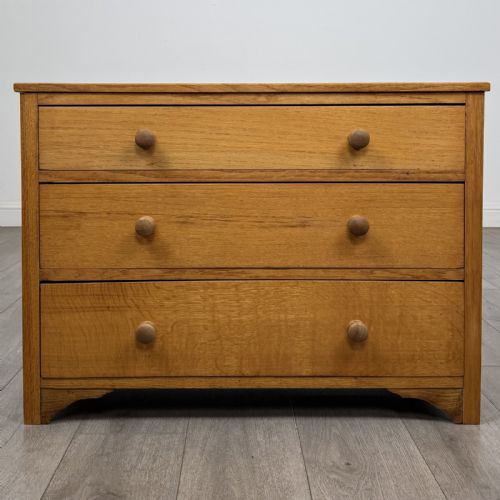
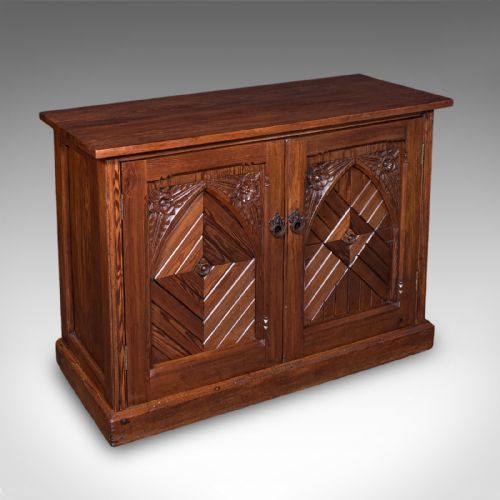
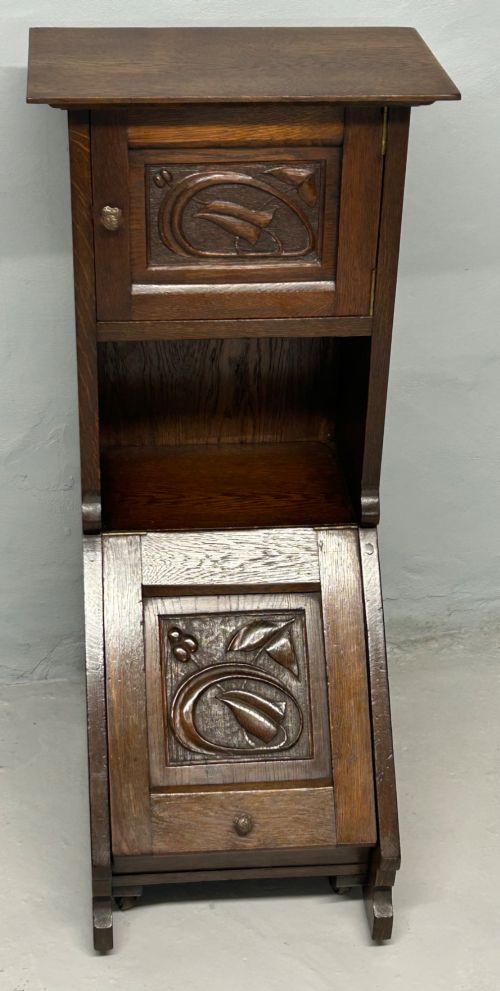
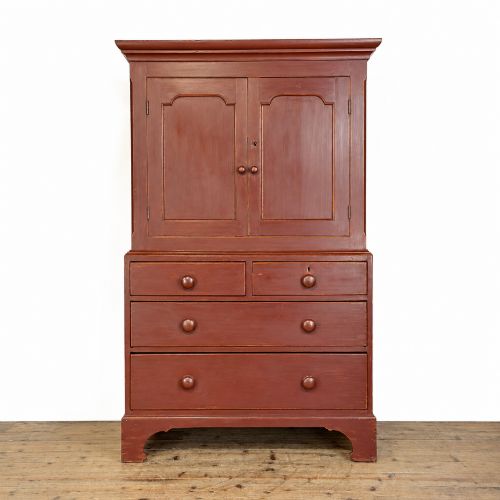
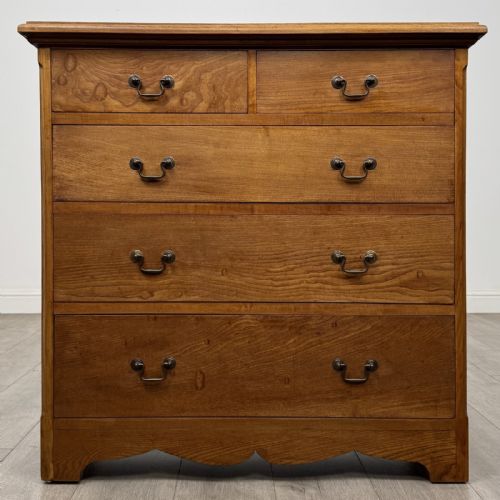
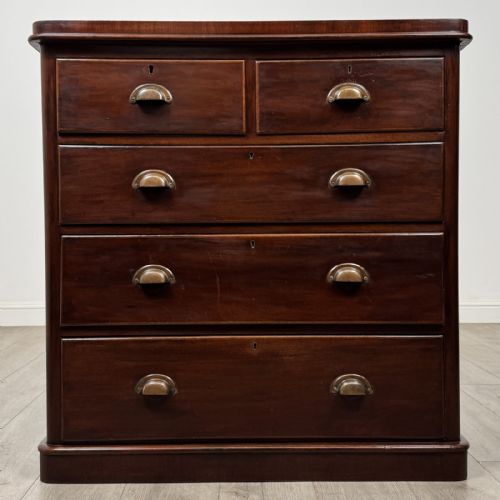
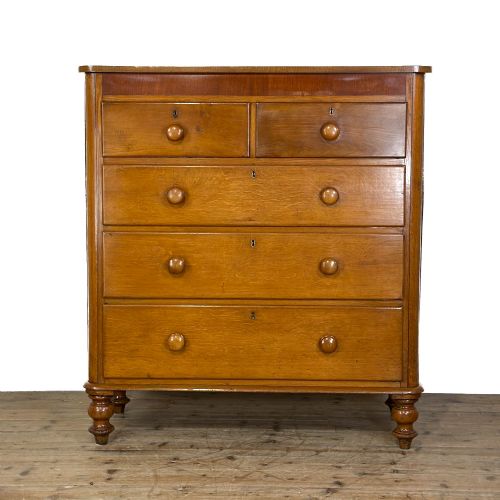
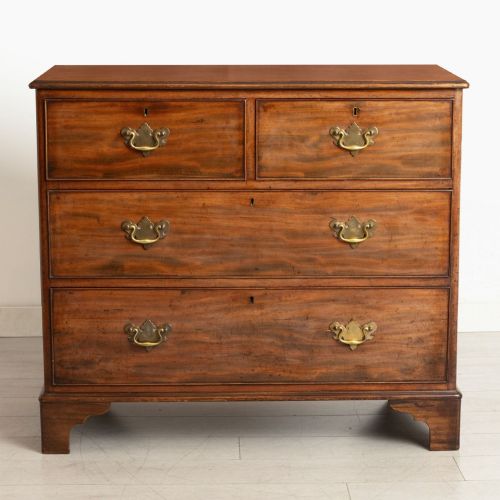
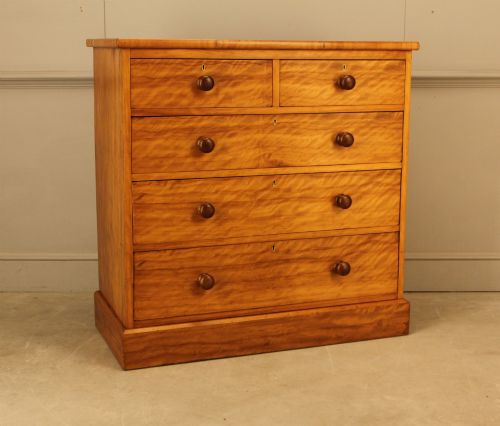
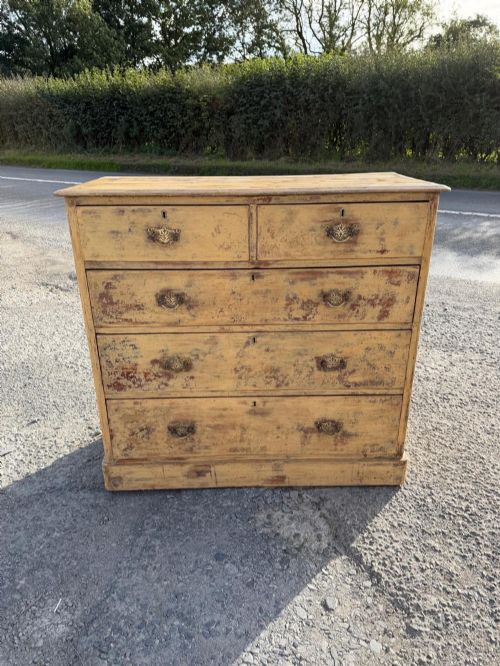
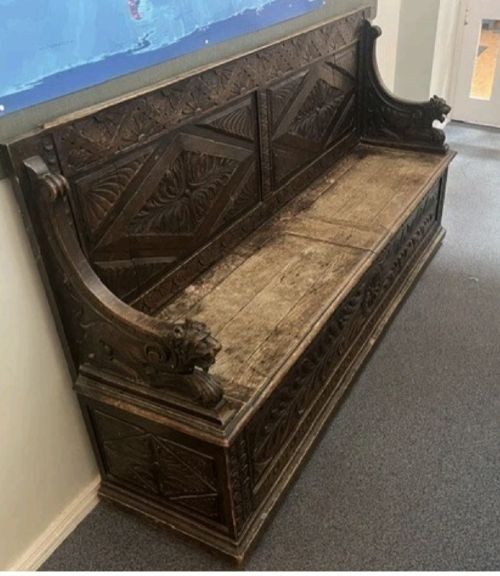
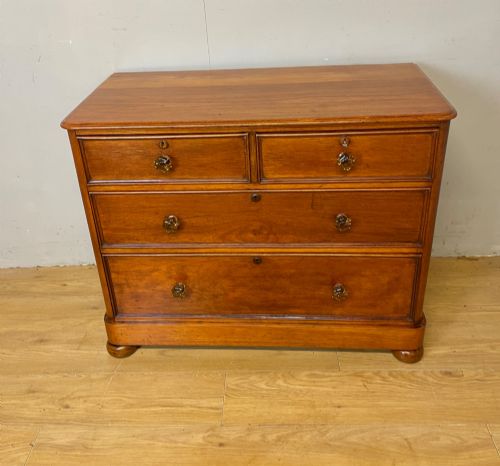
Victorian storage furniture encompasses a diverse selection of practical domestic items designed to hold household goods, clothing, and books. Chests of drawers dominate the offerings, appearing alongside cupboards, cabinets, bookcases, and hall benches.
The pieces emerge from the nineteenth century, with specific examples spanning from the eighteen-sixties through to nineteen-hundred, alongside occasional manifestations from neighbouring periods. Materials include mahogany, oak, pine, and walnut, reflecting both formal parlour requirements and robust country utility.
How they were made
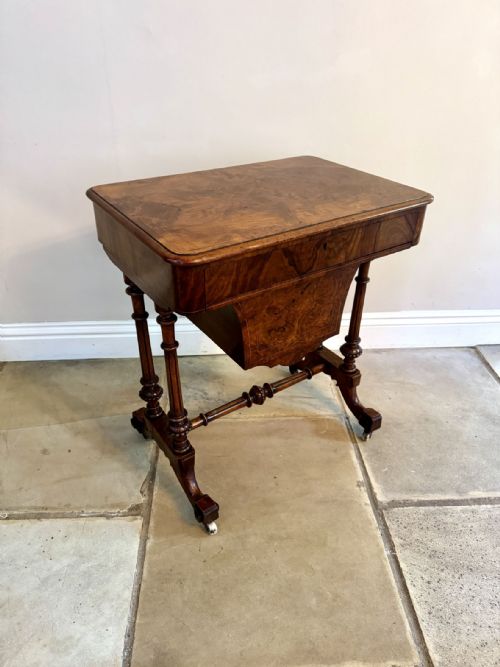
Cabinet makers utilised solid timbers such as mahogany, oak, and pine, often enhancing finer pieces with burr walnut veneers, rosewood, or teak. Joinery relied on traditional techniques like dovetailing for drawer construction and tongue and groove panelling for backing boards and interiors.
Hardware typically involved brass handles, escutcheons, and hinges, while surfaces received finishes ranging from original paint and stencilling to polished French polish. Carved ornamentation, inlaid details, and turned legs defined the decorative vocabulary applied to these storage pieces.
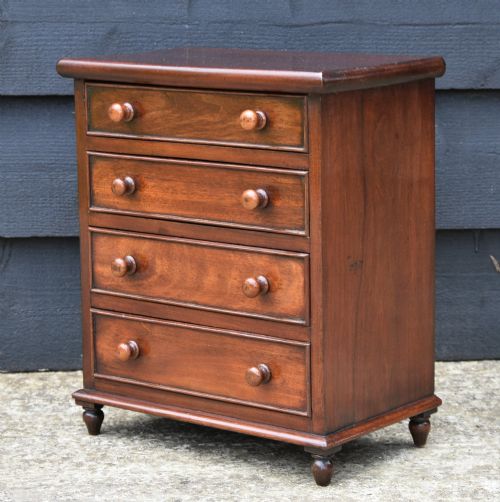
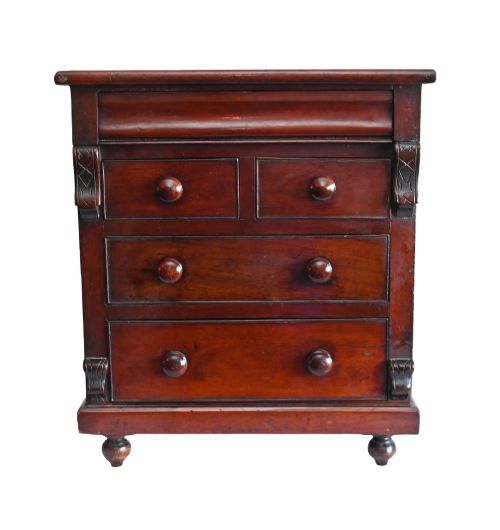
Formations span multi-drawer chests, linen presses, music cabinets, hall benches, and compact apprentice pieces.
What varies in quality
The calibre of Victorian storage furniture depends heavily upon the selection of timber and the precision of the underlying joinery. Superior items employ dense, well-figured woods with thick drawer linings and hand-cut dovetails that remain rigid over decades of daily use.
Design sophistication also separates ordinary utility pieces from exceptional commissions, seen in balanced proportions, restrained carving, and original hardware fittings. Maker attribution and the retention of untouched surfaces or original paint elevate the standing of an individual piece.
G. Bartholomew & Co·T & G Seddon·Walker & Sons·GM Elwood for JS Henry·Shoolbred & Co
The Victorian Storage Furniture Glossary
- Wellington chest
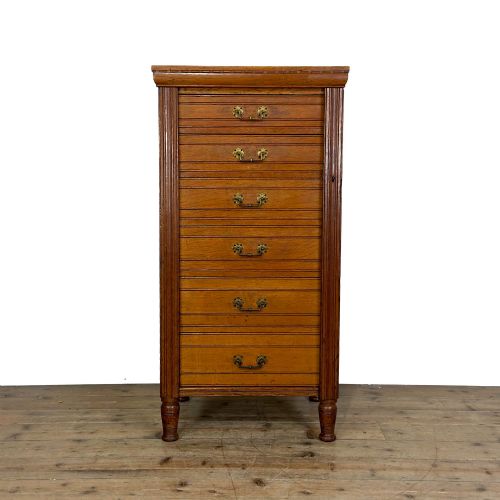
- A tall, narrow chest of drawers secured by a hinged locking stile on one side. This design originated in the nineteenth century and provided compact vertical storage.
- Linen press
- A large storage cabinet featuring upper sliding trays or shelves enclosed by doors, positioned above a base of lower drawers. These items were traditionally utilised for storing household linens and garments.
- Bowfront
- A convex, curved front profile applied to chests of drawers and cabinets. This configuration softens the boxy geometry of case furniture.
- Apprentice piece
- A miniature version of a standard furniture item, constructed by a trainee craftsman to demonstrate mastery of joinery techniques. These scaled models display the exact proportions and construction methods of full-sized furniture.
- Monk's bench
- A multi-functional oak seat featuring a hinged back that folds down to form a tabletop. This form serves as both seating and a small table.
Victorian Storage Furniture: Frequently Asked Questions
What types of Victorian storage furniture exist?
The category encompasses chests of drawers, cupboards, bookcases, linen presses, hall benches, and music cabinets. These pieces range from utilitarian pine items to highly decorative mahogany and burr walnut case furniture.
Craftsmen built these items to serve specific domestic functions, resulting in varied internal configurations such as fitted interiors, pigeonholes, and hanging space.
How do I identify a Wellington chest?
A Wellington chest is characterised by its tall, narrow proportions and a distinctive vertical locking bar on the right side. This locking stile secures all the drawers simultaneously when closed and locked.
They were designed to maximise vertical storage space in bedrooms and studies while maintaining a small footprint.
Are pine pieces considered high quality?
Pine furniture generally served utilitarian purposes in kitchens, sculleries, and country houses rather than formal reception rooms. Many examples survive with original paint or stencilling, which collectors value for authenticity.
While pine lacks the exotic grain of mahogany or walnut, well-constructed dovetailed examples display robust regional craftsmanship.
How do I incorporate these pieces into a modern interior?
Chests of drawers and small cabinets provide practical storage solutions for bedrooms, hallways, and living spaces. Their neutral timber tones and classic proportions allow them to sit comfortably alongside contemporary furnishings.
Tall pieces utilise vertical wall space effectively, while benches and hall stands offer functional seating and entry storage.