


Victorian Stoneware
These pieces of victorian stoneware combine heavy utility with intricate relief decoration, offering durable historical vessels that anchor a room.
Victorian Stoneware
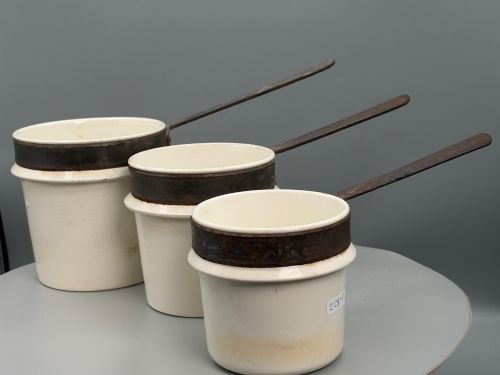
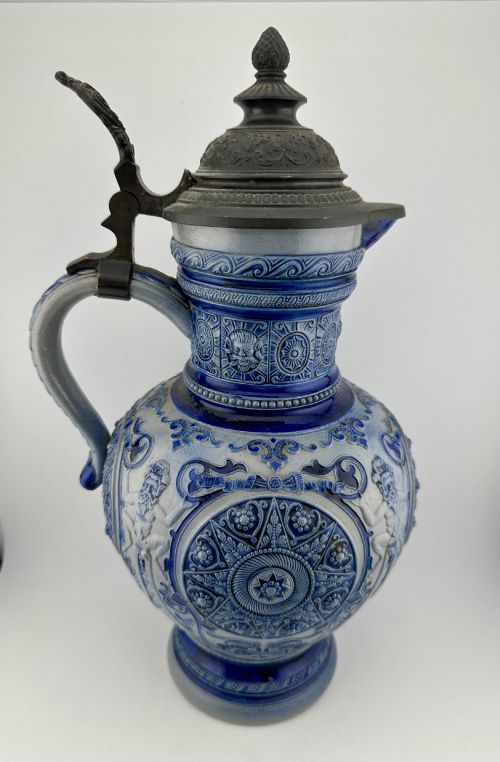
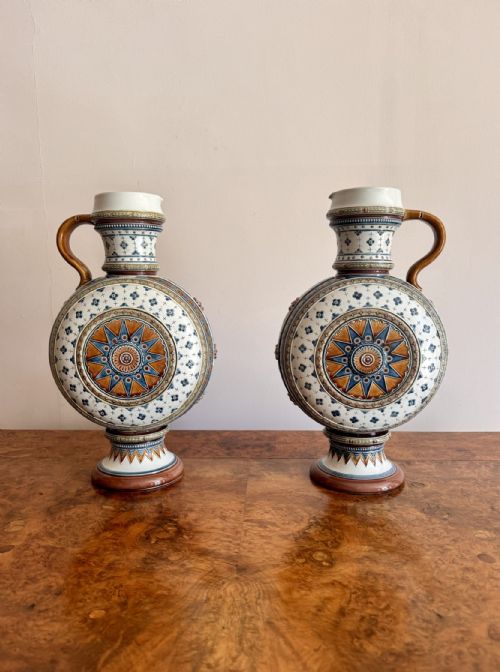
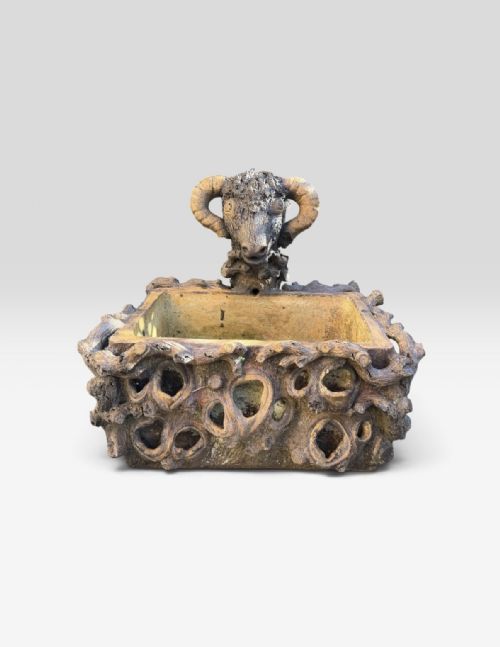
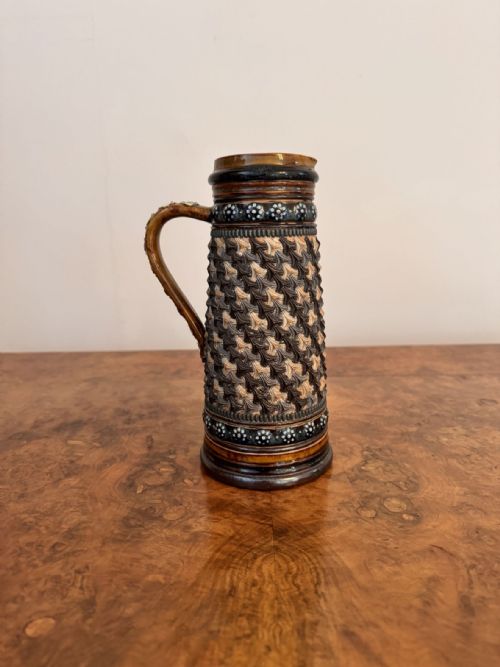
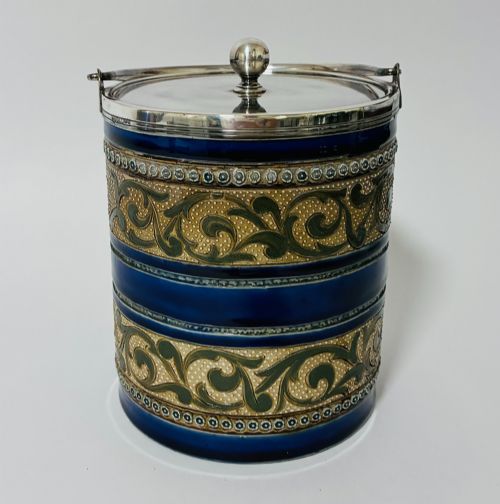
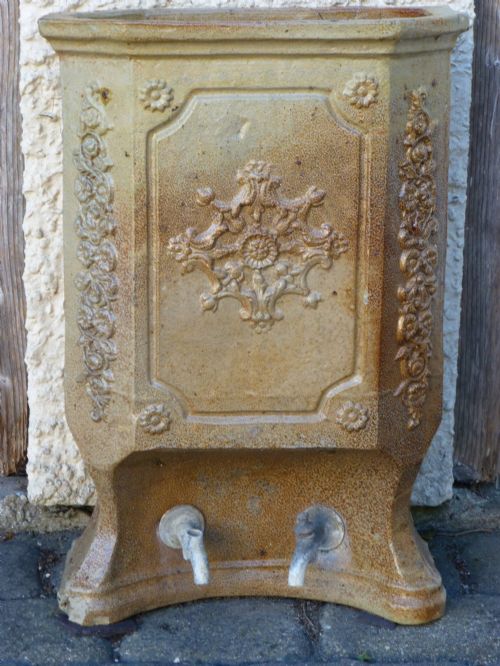
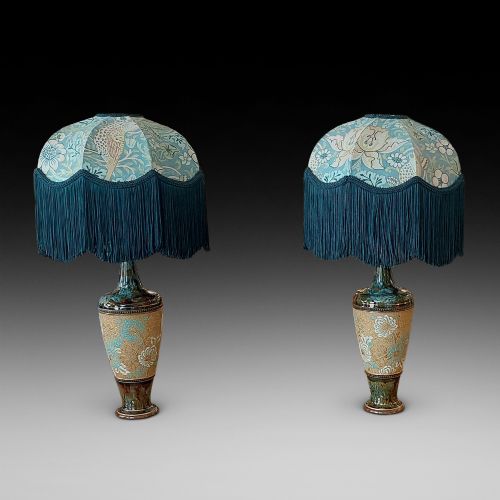
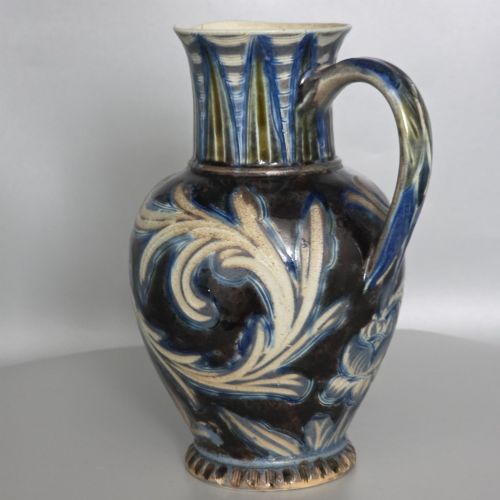
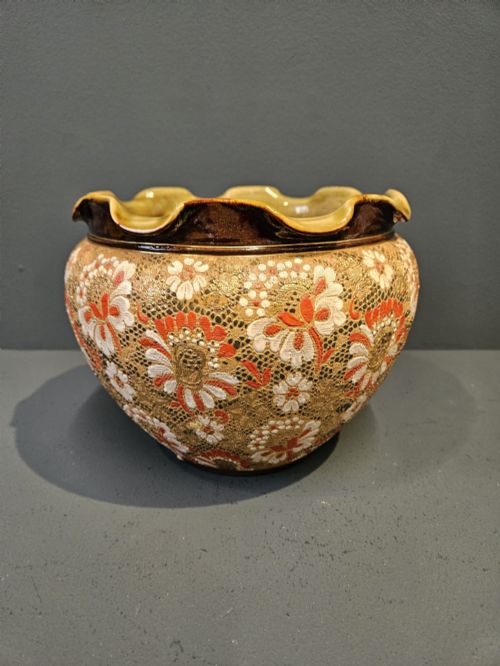
Victorian stoneware encompasses dense ceramic items made primarily during the nineteenth century, ranging from utilitarian storage vessels to ornamental tablewares. When exploring victorian stoneware, collectors encounter jugs, flagons, water filters, cheese domes, jardiniere planters, and tea sets designed for both domestic service and display.
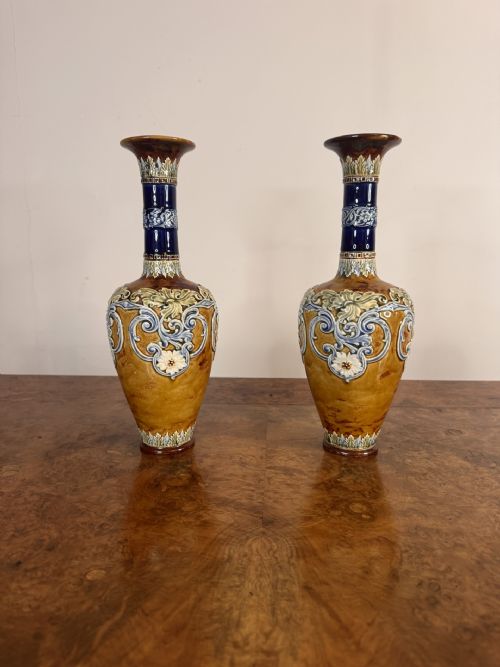
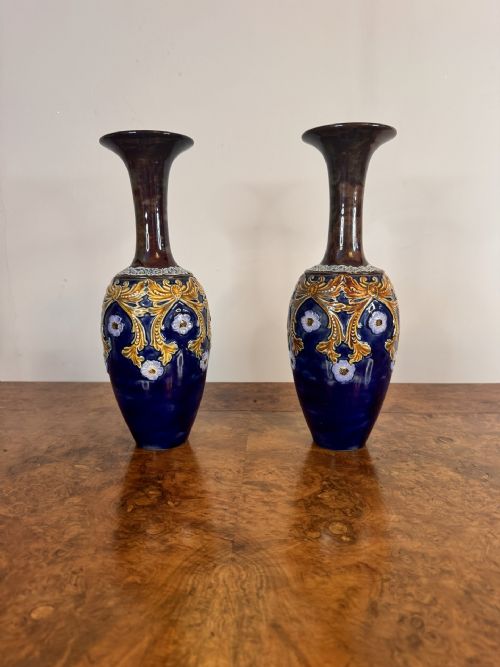
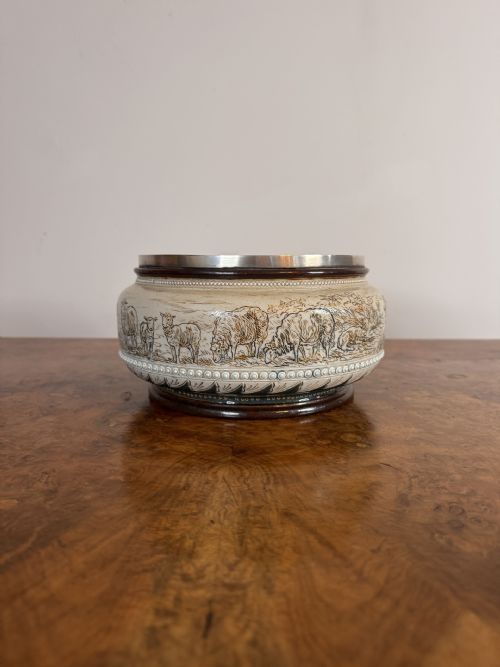
The objects stem predominantly from British potteries, though continental pieces appear alongside local productions. Forms vary from simple salt-glazed tavern jugs to elaborate art pottery pieces adorned with incised patterns and silver mounts.
Materials and Techniques
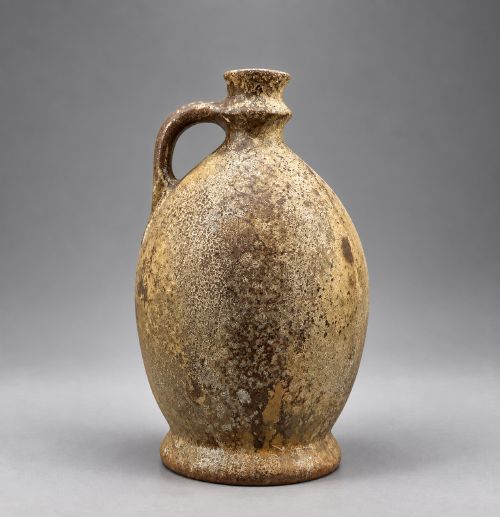
Makers utilised vitrified ceramic bodies fired at high temperatures to achieve impermeability, often applying salt during the kiln process to produce a characteristic pitted, orange-peel texture. Other pieces rely on smooth glazes or incorporate applied white bas-reliefs against coloured ceramic grounds.
Decoration techniques span relief moulding, incising, and hand-painting by studio artists. Metal components such as silver rims, plated collars, and mounted handles frequently complement the ceramic bodies.
Victorian Stoneware Retail Price Guide 2026
Typical asking prices for victorian stoneware among the pieces listed under this phrase on Sellingantiques today, from the lower quarter to the upper quarter. They describe what is for sale here now, not the wider market.
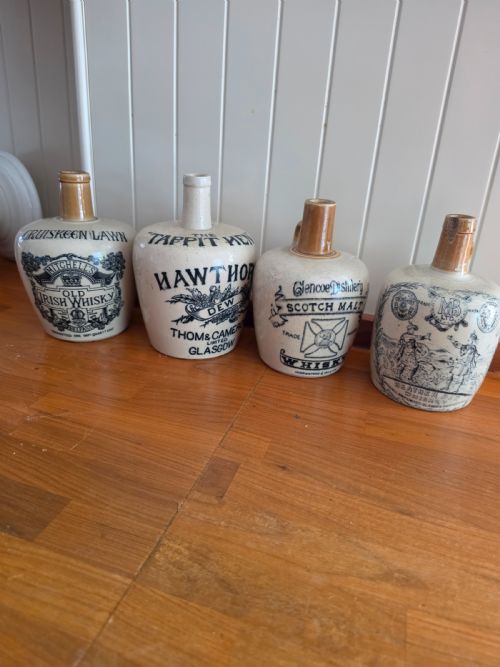
Golf enthusiasts can find nineteenth-century whisky flasks complete with sculpted golfing motifs ready for the nineteenth hole.
Evaluating Quality
The standard of execution separates standard utility vessels from studio-produced exhibition pieces. Sharpness in moulded relief work, precision in hand-incised foliage or figurative scenes, and the presence of named artists or specific factory ciphers elevate individual examples.
Condition of the ceramic body and any integrated metal mounts dictates desirability. Intact original silver rims, balanced proportions, and clear maker stamps distinguish the finest items in this category.
Doulton Lambeth·Wedgwood·Royal Doulton·Charles Meigh·Sir Edmund Elton·Mettlach Pottery
The Victorian Stoneware Glossary
- Salt Glaze
- A vitreous coating formed by throwing common salt into the kiln during high-temperature firing. This process creates a distinctive textured surface resembling orange peel.
- Jasperware
- A fine-grained, unglazed stoneware developed with coloured bodies and applied white relief ornaments in classical or natural motifs. It provides a striking matte contrast.
- Tyg
- A large drinking vessel featuring multiple handles designed for communal passing around a table. These pieces often incorporate rich relief mouldings or silver rims.
- Slaters Patent
- A decorative surface technique involving lace or textured materials pressed into damp clay before firing. This leaves intricate fabric-like impressions across the ceramic body.
Victorian Stoneware: Frequently Asked Questions
What are victorian stoneware flagons used for?
These heavy vessels served primarily for storing and dispensing liquids such as whisky, beer, and water in domestic and tavern settings.
Their dense ceramic walls kept contents cool and protected while withstanding the rigours of daily transport.
How do I identify a salt-glazed piece?
Look closely at the surface texture for small dimples that resemble the skin of an orange, created by vapourised salt reacting with the clay body.
These pieces typically exhibit a durable, semi-gloss sheen resulting from the high-temperature firing process.
Where were these ceramics manufactured?
Production centred largely around established British potteries, particularly in Lambeth, alongside notable continental works from Germany and France.
Many pieces bear factory stamps or artist initials incised directly into the clay at the base.
Can I use these jardinieres for plants?
These decorative pots accommodate indoor plants effectively when used with a protective internal liner to protect the historic ceramic.
Their robust construction ensures stability on tabletops and floor stands.