





Victorian Sterling Silver Creamer
These Victorian sterling silver creamers are the small silver vessels used to serve milk or cream at tea, highly prized by collectors for their period character.
Victorian Sterling Silver Creamer
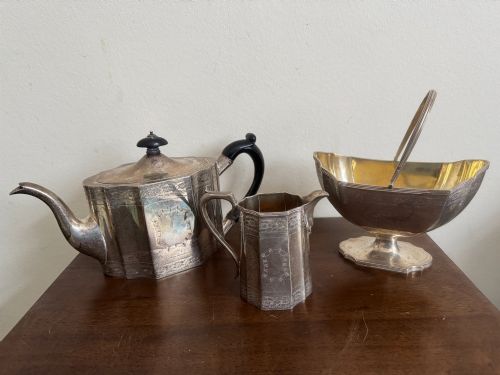
A victorian sterling silver creamer is a domestic vessel designed for pouring milk or cream during tea service, appearing across the Victorian period in forms such as cream jugs, milk jugs, and pedestal jugs. These pieces frequently surface alongside wider tea sets, sugar bowls, and strawberry sets, showing the social habits of nineteenth-century dining.
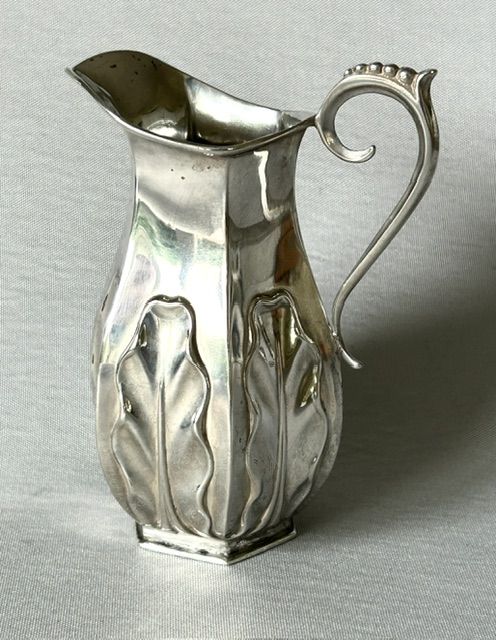
The most common versions met on this page date from the middle to late decades of the nineteenth century, including specific assay years like 1875, 1879, 1894, and 1896. Alongside standard Victorian styling, pieces show distinct influences from Georgian designs, Rococo Revival curves, and Victorian Naturalist motifs.
How they were made
Makers utilised solid sterling silver to shape these creamers, often applying gold gilding to the interior surfaces to protect the metal from the acidic contents of dairy. Certain items incorporate contrasting elements such as ebony handles, while fitted presentation cases utilise silk, velvet, and leather linings.
Silversmiths employed techniques of hammering, casting, and repoussé work to achieve pedestal forms and naturalistic decoration, finished with official hallmarks denoting the London and Glasgow assay offices and specific years of production.
Victorian Sterling Silver Creamer Retail Price Guide 2026
Typical asking prices for victorian sterling silver creamer among the pieces listed under this phrase on Sellingantiques today, from the lower quarter to the upper quarter. They describe what is for sale here now, not the wider market.
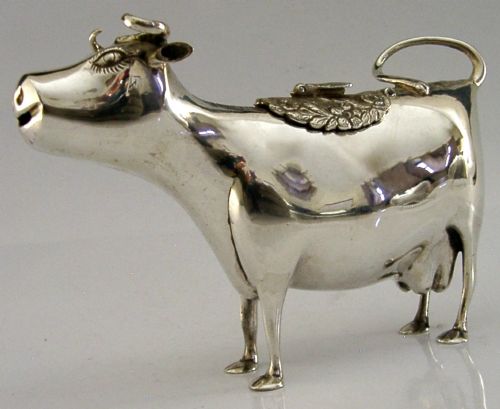
Cow-shaped creamers occasionally trot into the archive, proving the Victorians possessed a wonderfully literal sense of dairy humour.
What varies in quality
The distinction between standard domestic silver and superior examples lies in the depth and clarity of the decoration, whether executed in a Rococo Revival or Naturalist style. Heavy-gauge silver possessing crisp hallmarks and intact interior gilding represents the upper tier of manufacture.
Makers with established reputations, such as Robert Hennel, John Rawlings, or the Goldsmiths & Silversmiths firm, command greater interest through superior weight and balanced proportions compared to unmarked or generic factory pieces.
John Rawlings·Robert Hennel·William Moering·Goldsmiths & Silversmiths
The Victorian Sterling Silver Creamer Glossary
- Sterling silver
- A silver alloy containing 92.5 percent pure silver by mass, forming the standard material for these nineteenth-century pieces.
- Hallmark
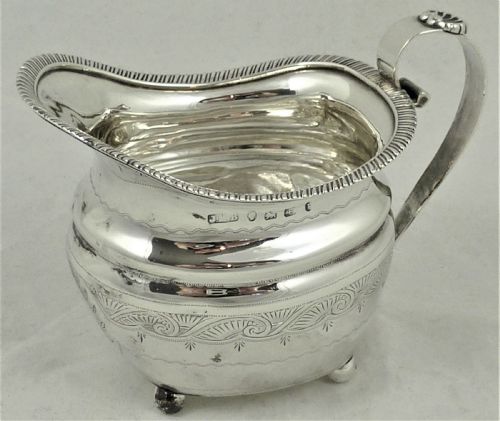
- An official stamp applied to precious metals indicating the assay office, maker, and year of manufacture. London and Glasgow marks appear frequently in this category.
- Gilding
- A thin layer of gold applied to the interior of a silver jug to prevent tarnishing from dairy acids. It adds a warm contrast to the polished exterior.
- Pedestal
- A raised foot or base supporting the body of the cream jug, lifting the vessel off the table surface. This form was popular during the mid-Victorian era.
- Repoussé
- A metalworking technique where the silversmith hammers the metal from the reverse side to form a raised design on the front. This creates the textured surfaces seen on naturalist pieces.
Victorian Sterling Silver Creamer: Frequently Asked Questions
How do I date a silver creamer?
Look for the assay office mark and date letter stamped alongside the lion passant and maker's mark. These official hallmarks provide the exact year the piece was tested and entered the market.
Comparing the stylistic cues, such as heavy pedestal bases or Rococo Revival handles, helps narrow down the decade of production when hallmarks are rubbed.
Can I use an antique creamer daily?
These nineteenth-century vessels are robust enough for occasional table use, provided they are handled with care. The sterling silver construction holds up well to modern service.
Hand washing with mild soap and warm water is essential to preserve the finish and any interior gold gilding. Avoid abrasive cleaners that wear away the original polish.
What is the difference between a milk jug and a creamer?
Milk jugs are generally slightly larger vessels intended to hold enough milk for a full gathering at the tea table. Creamers are typically more compact pieces designed specifically for rich cream.
Both forms share similar manufacturing techniques, materials, and stylistic periods within the Victorian era.
Why do some creamers have gilded interiors?
Silversmiths applied gold gilding to the inside of silver cream jugs to protect the metal from chemical reactions with dairy products. Acidic cream and milk can discolour and pit plain silver over time.
This layer of gold provides a durable barrier while adding a decorative flash of colour when pouring.