
Victorian Sterling Silver Condiments
Victorian sterling silver condiments bring substance to the table through salt cellars, mustard pots, and pepper mills.
Victorian Sterling Silver Condiments
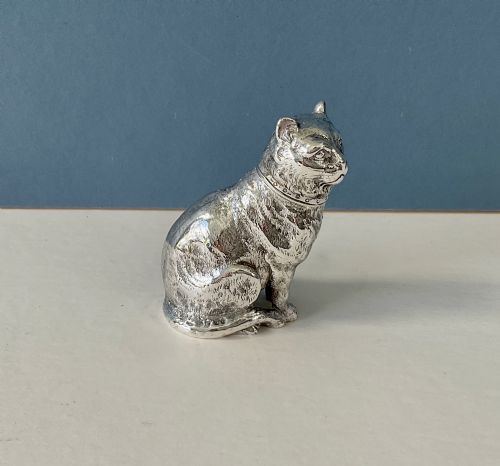
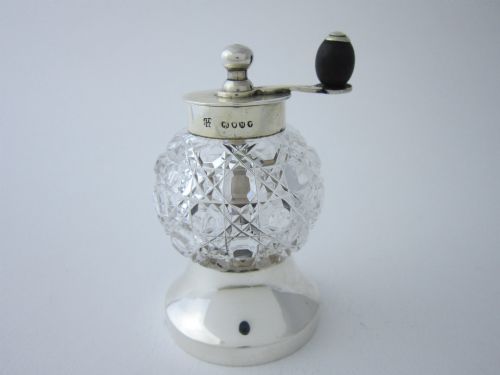
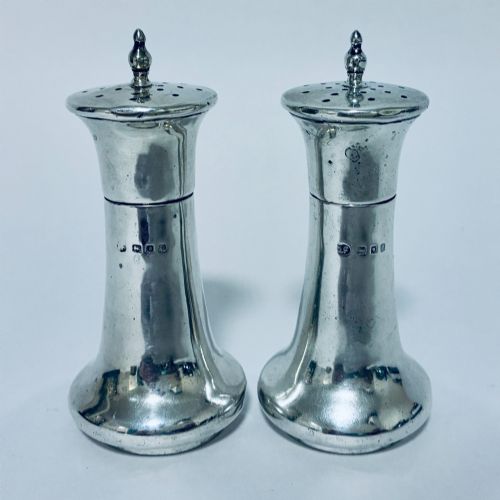
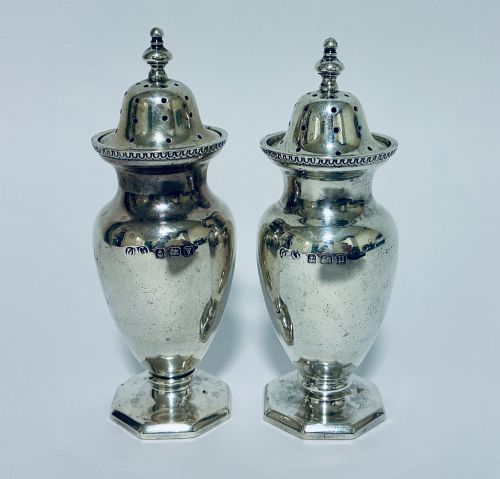
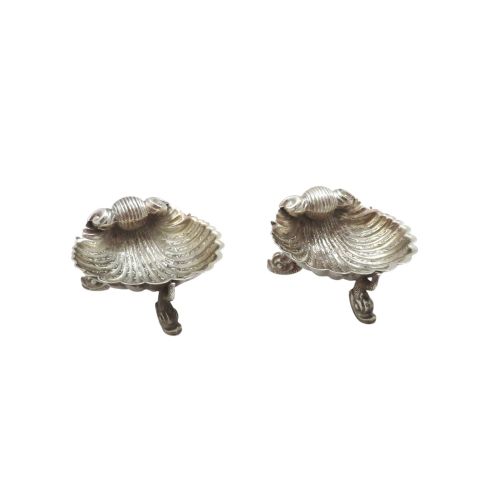
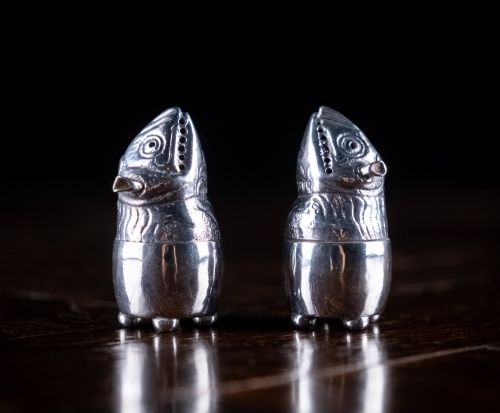
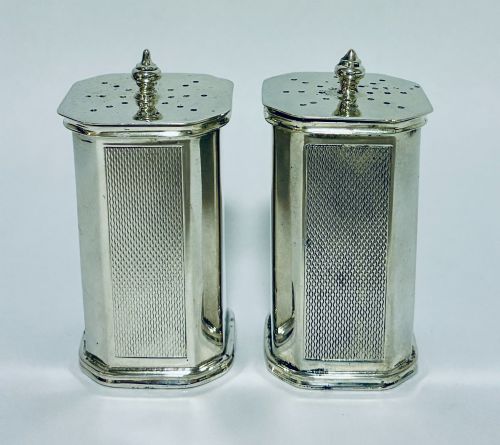
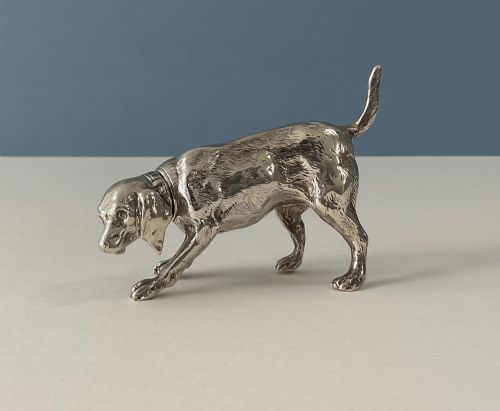
Victorian sterling silver condiments comprise salt cellars, mustard pots, and pepper pots designed for formal dining tables. These functional pieces appear in various forms, including drum shapes, shell motifs, and novelty designs.
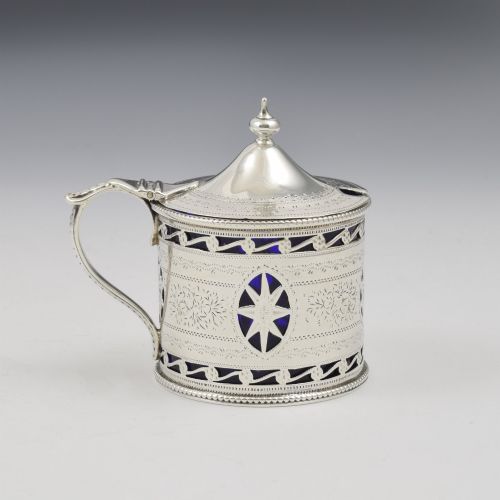
The objects stem predominantly from the Victorian period, alongside adjacent Edwardian and Georgian Revival examples. Salt cellars and mustard pots often incorporate contrasting glass liners to protect the metal from corrosive contents.
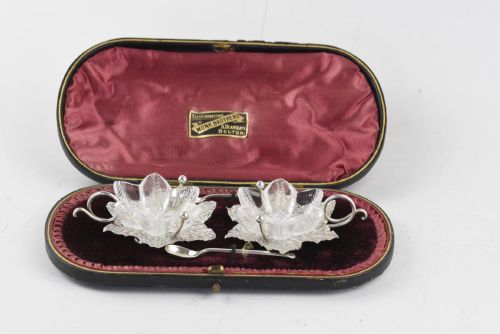
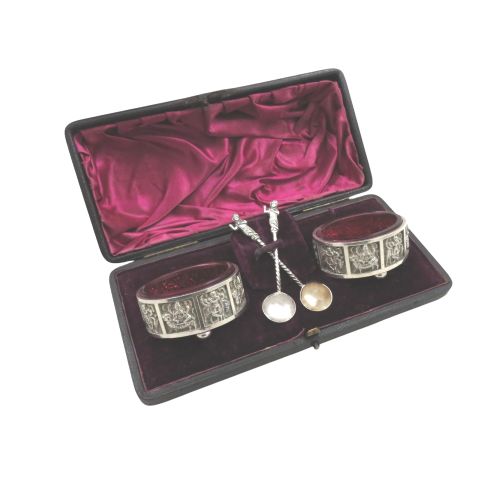
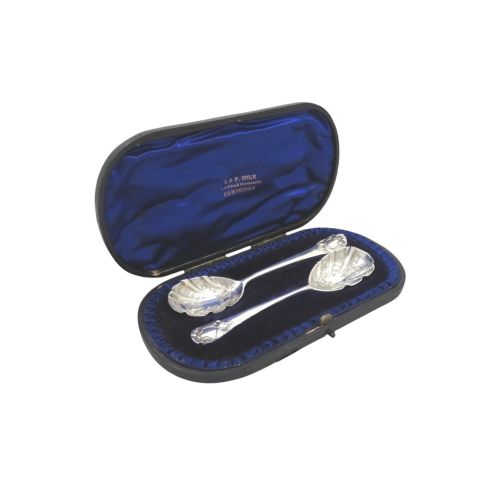
Makers produced individual items as well as matched sets housed in presentation cases. Buyers encounter functional cruet sets alongside single items intended for specific table seasonings.
Materials and construction
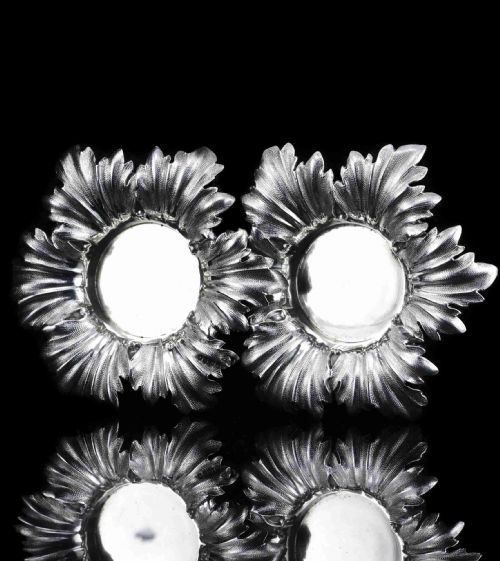
Silversmiths shaped sterling silver using techniques such as piercing, chasing, and casting to achieve decorative surface patterns. Foliate chasing and pierced fretwork appear frequently across mustard pots and salt dishes.
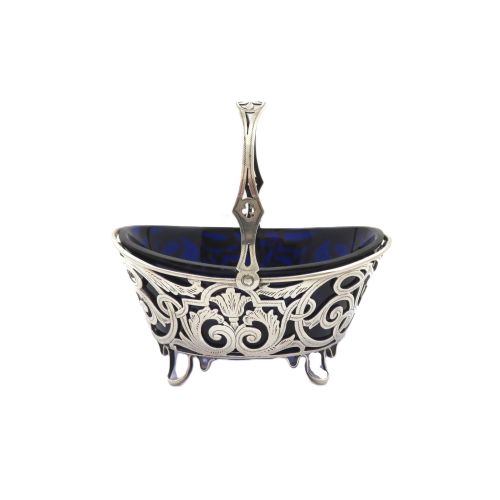
Makers combined sterling silver with materials like cobalt glass, clear cut glass, leather, and velvet. Liners in cobalt or clear glass fitted snugly inside pierced silver frames to hold mustard or salt securely.
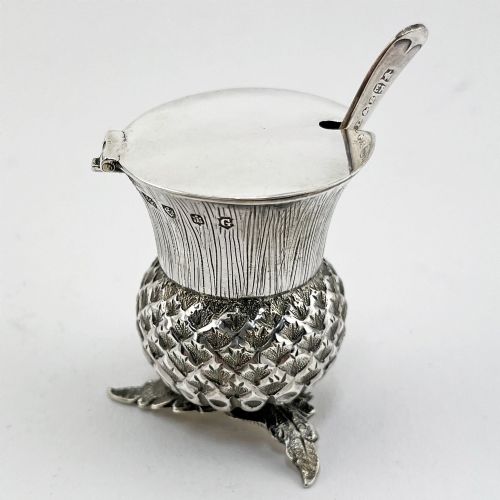
Dinners gained character when guests reached for mustard pots shaped like thistles and pepper pots carved to resemble groaning owls.
Assessing quality in silver condiments
Quality rests upon the crispness of the chasing and the weight of the sterling silver used in the body. Heavy-gauge metal resists denting and maintains structural integrity during daily use.
The presence of original glass liners and matching spoons elevates a piece. Makers who executed intricate novelty forms or detailed pierced work demonstrate higher levels of workshop skill.
Frederick Brasted·Nathan and Hayes·Barnards·Charles and George Fox·Hamilton and Inches
The Victorian Sterling Silver Condiments Glossary
- Sterling silver
- A silver alloy containing 92.5 percent pure silver by mass and 7.5 percent other metals, usually copper. This standard composition provides durability for tableware.
- Salt cellar
- A small open bowl or dish used to hold table salt before the invention of the spring-loaded salt shaker. They frequently accommodate removable glass liners.
- Mustard pot
- A covered jar designed to serve prepared mustard, usually supplied with a small matching spoon. Pierced designs often reveal coloured glass liners placed inside.
- Cruet set
- A collection of glass or silver bottles and pots held in a stand for condiments such as oil, vinegar, salt, and pepper. Sets range from small three-piece groupings to multi-bottle frames.
- Chasing
- A metalworking technique where the smith hammers patterns into the front surface of the silver without removing metal. This method creates raised foliate and ornamental designs.
Victorian Sterling Silver Condiments: Frequently Asked Questions
What are salt cellars?
Salt cellars are open vessels designed to hold table salt for individual diners or communal use. They often feature glass liners to protect the sterling silver from corrosion.
These pieces sit directly on the dining table alongside matching spoons for dispensing the seasoning.
How do mustard pots work?
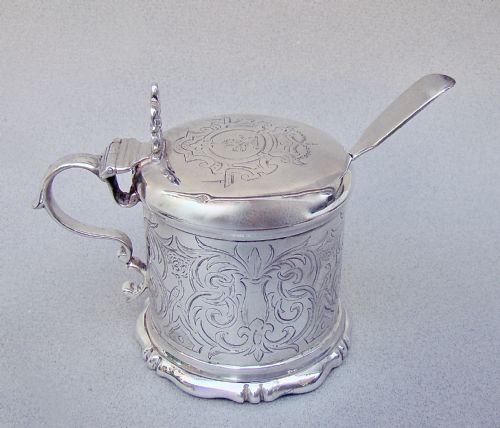
Mustard pots are lidded containers created to hold prepared table mustard during meals. A small cutout in the lid allows the mustard spoon handle to rest inside while closed.
Many examples utilise pierced silver walls paired with coloured glass inserts for visual contrast.
What is a cruet set?
A cruet set brings together multiple condiment containers housed within a shared frame or stand. These configurations typically organise oil, vinegar, pepper, and mustard bottles in one portable unit.
Victorian versions range from simple paired salt and pepper cruets to four-bottle table sets.
How to care for silver condiments?
Sterling silver requires regular cleaning with appropriate silver polish to maintain its finish and prevent tarnish accumulation. Glass liners should be removed and washed separately in warm soapy water.
Storing pieces away from damp environments helps preserve both the silver and any accompanying leather or velvet cases.