


Victorian Sterling Silver Centerpiece
A victorian sterling silver centerpiece anchors a dining table with substantial metalwork and refined period ornamentation.
Victorian Sterling Silver Centerpiece
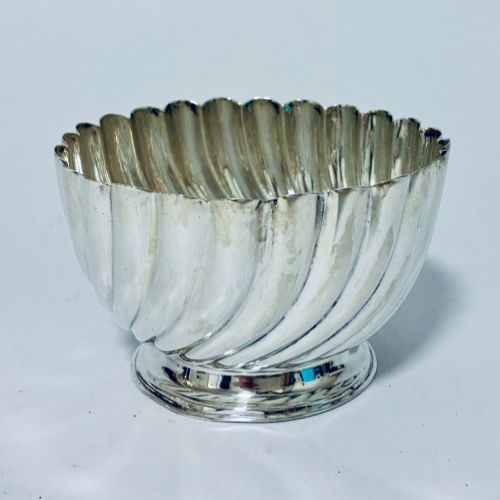
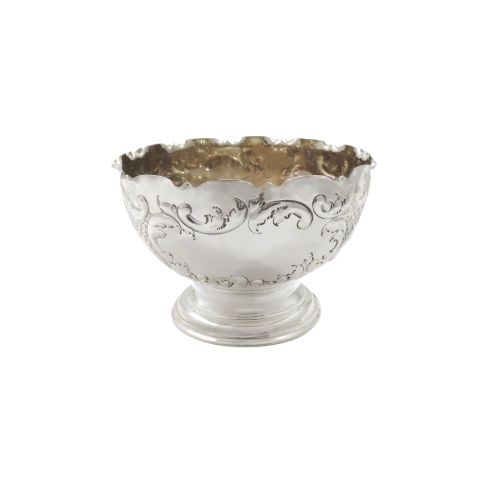
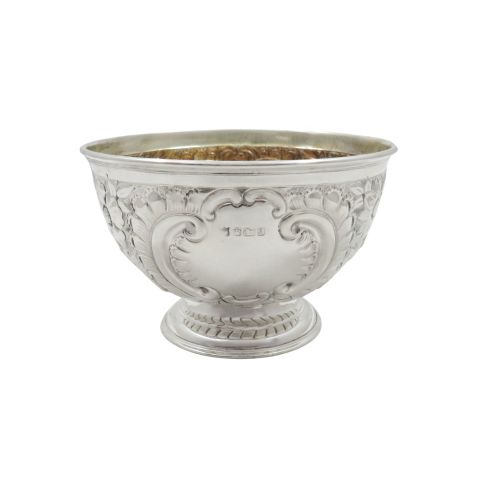
A victorian sterling silver centerpiece brings formal nineteenth-century dining display directly to the table. These items take the form of footed bowls, presentation vessels, and elaborate baskets designed to hold fruit, flowers, or sweetmeats.
The pieces on this page span the nineteenth century, including specific dates from the eighteen-eighties and nineties alongside broader Victorian periods. They frequently appear as open bowls on pedestals, handled baskets, and paired candelabra or candlesticks that complemented larger table services.
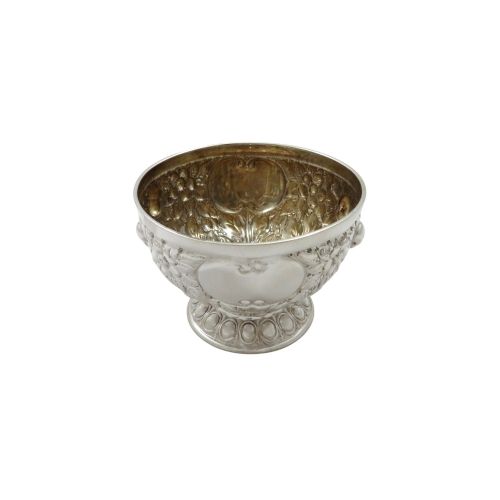
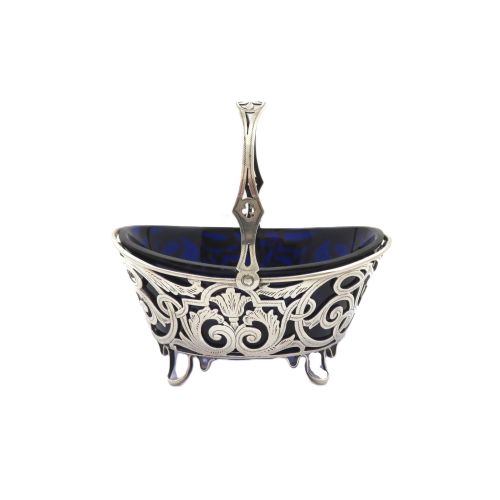
Makers utilised various specialised vessel types, producing everything from pierced oval serving dishes and sugar baskets with glass liners to large repoussé bowls decorated with floral and bird motifs.
How They Were Made
Silversmiths shaped solid sterling silver and silver gilt through hammering, casting, and piercing techniques to achieve intricate openwork patterns and sturdy forms. Many vessels incorporate contrasting materials, pairing the bright metal with cobalt glass, ruby glass, or ebonised wood elements.
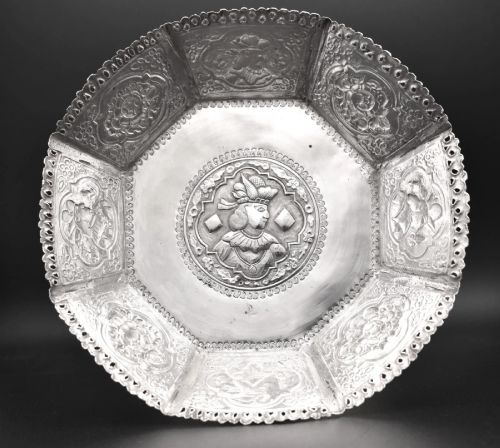
Decoration relied heavily on repoussé and embossed detailing, pushing the metal from behind to create deep floral, bird, and figural reliefs. Specialised workshops also employed intricate wickerwork texturing and cast mounts on pedestal feet and handles.
Materials appearing across these silver entries include cobalt glass, ruby glass, and ebonised wood alongside solid sterling silver.
What Varies in Quality
The distinction between standard tableware and masterwork examples rests in the depth and clarity of the repoussé work and the crispness of pierced designs. Superior pieces display hand-chased details that retain sharp relief without thinning the metal wall.
Makers' marks and assay office stamps heavily influence the standing of a piece, with recognised nineteenth-century firms commanding greater attention for their heavier gauge silver and integrated glass liners. The structural integrity of pedestal feet and the balance of multi-light candelabra also determine the overall standard.
William Comyns·James Deakin and Sons·Martin Hall·Elkington and Co·Edward H Stockwell·Josiah Williams and Co·George Fox
The Victorian Sterling Silver Centerpiece Glossary
- Repoussé
- A metalworking technique where the silversmith hammers the design from the reverse side to form raised floral or figural motifs. This method creates tactile, three-dimensional surface decoration on bowls and baskets.
- Sterling silver
- An alloy consisting of standard proportions of silver combined with other metals to ensure durability in domestic tableware. It forms the primary material basis for nineteenth-century presentation pieces.
- Silver gilt
- Sterling silver that has been coated with a thin layer of gold on the surface. This treatment provided a rich two-tone effect, particularly popular inside sugar baskets and presentation cups.
- Pierced work
- The practice of cutting open patterns through the silver wall to create lightweight, decorative lattices. Victorian basketware and sweet stands frequently utilised this technique for visual elegance.
- Tazza
- An Italian term for a shallow bowl or cup mounted on a stem and footed base. These elevated vessels served fruit or sweetmeats at formal dining gatherings.
Victorian Sterling Silver Centerpiece: Frequently Asked Questions
How were these centerpieces used on the dining table?
Victorian households placed these large bowls and baskets in the middle of the dining table to hold displays of fresh fruit, flowers, or confectioneries during formal meals.
Matching pairs of candlesticks and candelabra frequently accompanied the main vessel to provide ambient illumination around the display.
What is the difference between a basket and a centerpiece bowl?
Baskets typically feature a swinging or fixed overhead handle, designed originally for carrying sweetmeats, bread, or fruit from the kitchen to the dining area. Centerpiece bowls sit firmly on a footed or pedestal base without handles, intended strictly for stationary table display.
Many surviving baskets also retain their original coloured glass liners to protect the silver from acidic contents.
How do I identify the date of a Victorian silver piece?
British silver bears a series of hallmarks stamped directly into the metal, including a standard mark, a town mark for assay offices such as Sheffield or London, and a date letter.
Consulting regional assay office tables allows collectors to match the specific letter stamp to the exact year of manufacture.
Can I use these silver vessels for serving food today?
Solid sterling silver pieces remain entirely food-safe and functional for serving dry goods, fruit, or packaged sweets at gatherings. Items with glass liners are particularly well-suited for holding moist items without risking residue build-up on the metal surface.
How do I care for antique sterling silver at home?
Regular dusting with a soft cloth prevents natural tarnishing from settling into the intricate repoussé crevices. When polishing becomes necessary, a non-abrasive silver cream applied gently with natural fibres preserves the historic definition of the chased details.