



Victorian Sterling Inkwell
These victorian sterling inkwell examples bring tangible nineteenth-century craftsmanship to the desk, offering functional elegance alongside period character.
Victorian Sterling Inkwell
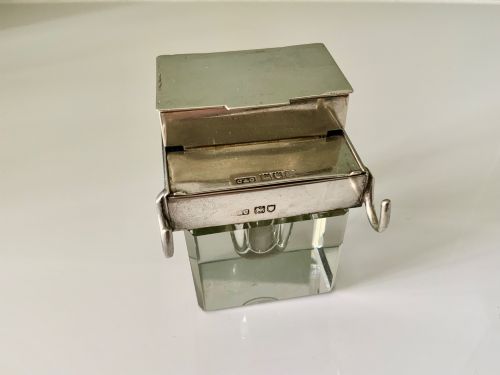
A victorian sterling inkwell is a desk accessory designed to hold liquid writing ink, spanning straightforward glass or silver pots to elaborate desk stands with chambersticks and pen holders. The selections here centre predominantly on Victorian pieces from the latter half of the nineteenth century, alongside related Edwardian examples.
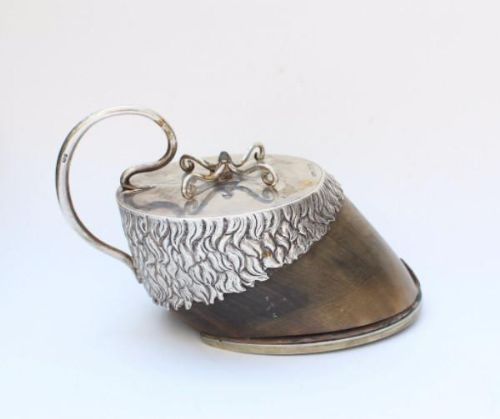
Buyers encounter everything from simple capstan and travelling inkwells to large double inkstands and novelty designs shaped as bells, pen nibs, or animal hoofs. These desk accessories served as essential writing tools in period studies and offices, reflecting the formal correspondence habits of the era.
Materials and Construction
Silversmiths utilised sterling silver for the mounts, hinged lids, and trays, frequently combining the metal with heavy cut glass, horn, or real hoofs. The silver components were cast, hammered, chased, or pierced to create ornate decorative borders and family crests.
Internal glass reservoirs held the ink to prevent corrosion of the outer silver casing, whilst fitted travelling lids relied on threaded collars and cork seals to contain the liquid during transit.
Victorian Sterling Inkwell Retail Price Guide 2026
Typical asking prices for victorian sterling inkwell among the pieces listed under this phrase on Sellingantiques today, from the lower quarter to the upper quarter. They describe what is for sale here now, not the wider market.
Listings feature items dated across the Victorian and Edwardian periods, utilising sterling silver, cut glass, horn, and hoof.
Judging Quality and Distinction
The distinction between standard desk pieces and superior examples lies in the heaviness of the gauge of silver and the crispness of the chased or pierced ornamentation. Maker marks from prominent silversmiths also elevate an object's standing.
Completeness dictates value, such as retaining the original cut glass liner inside a silver collar, matching dip pens on an inkstand, or undamaged horn and hoof surfaces on novelty items.
Robert Garrard·Henry Lias·Asprey·John Grinsell And Sons
The Victorian Sterling Inkwell Glossary
- Capstan inkwell
- An inkwell shaped like a ship's capstan, featuring a wide base that tapers upwards towards the hinged lid. This sturdy profile prevented the inkpot from tipping over during use.
- Inkstand
- A comprehensive desk tray holding one or more inkwells, often accompanied by pen holders, stamp boxes, or chambersticks. These larger desk furnishings formed the centrepiece of a nineteenth-century writing table.
- Travelling inkwell
- A securely sealed portable inkpot designed for use on journeys. Threaded silver collars and inner lids prevented ink from spilling inside luggage.
- Sterling silver
- An alloy consisting of pure silver and other metals, traditionally copper, standardised for strength and durability. British items bear assay office hallmarks confirming this standard.
Victorian Sterling Inkwell: Frequently Asked Questions
What is a victorian sterling inkwell?
A victorian sterling inkwell is a nineteenth-century desk vessel fashioned from sterling silver, intended to hold liquid ink for handwriting.
These pieces range from simple portable pots to substantial desk stands incorporating glass reservoirs and pen trays.
How do you use a travelling inkwell?
A travelling inkwell relies on a secure threaded collar or internal screw mechanism to prevent leaks while moving.
Owners filled the glass or silver pot before a journey, tightened the hinged lid firmly, and carried it within luggage or a writing case.
How are periods and dates identified?
British silver carries hallmark stamps indicating the assay office, standard of silver, and a specific date letter.
These marks allow collectors to date pieces precisely to specific years within the Victorian and Edwardian eras.
Why include non-silver materials like hoof and horn?
Victorian design frequently embraced taxidermy and natural history elements within practical household objects.
Horse hoofs and animal horns mounted in silver served as conversation pieces that displayed a connection to rural pursuits and equestrian life.