






Novelty Writing Inkstand
A novelty writing inkstand brings animal forms, human characters and playful objects directly to the desk.
Novelty Writing Inkstand
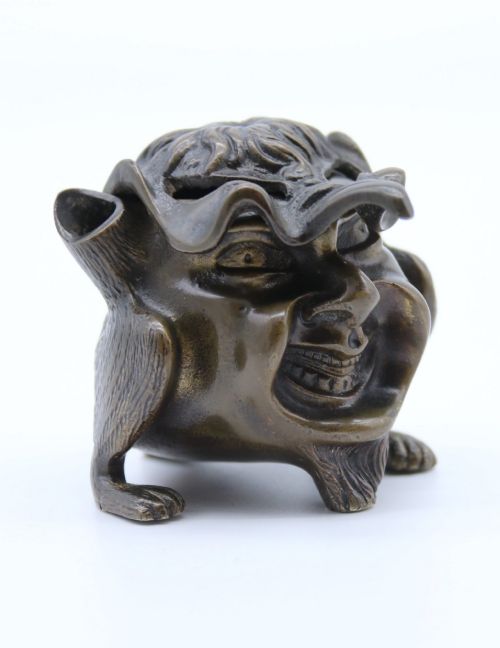
A novelty writing inkstand takes the form of animals, birds, sports equipment and theatrical figures, moving far beyond simple utilitarian desk gear. The examples gathered here span the nineteenth century and the early twentieth century, showing creatures and objects rendered in bronze, brass, silver, glass and carved wood.
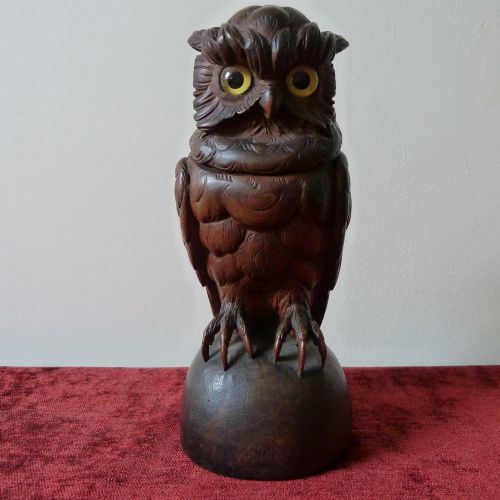
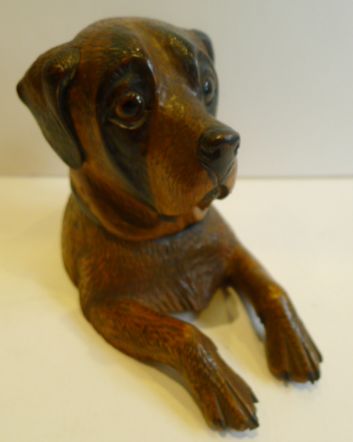
Most frequent among these pieces are owls, dogs and cats modelled in bronze, sterling silver or carved linden wood, alongside more unusual subjects such as pony hooves, rugby balls and circus clowns. These desk accessories served as functional writing equipment while doubling as sculptural ornaments for the Victorian and Edwardian study.
Materials and Construction
Metal pieces rely on bronze casting, brass work and sterling silver fabrication, often incorporating cut crystal or iridescent glass for the inkwell inserts themselves. Cast elements frequently feature applied patination or gilding to accentuate surface details like feathers, fur and facial expressions.
Carved wooden examples utilise traditional hand-carving techniques on oak or linden wood, particularly seen in Black Forest animalier pieces. Inset glass eyes are added to many of the bronze and wooden animal models to heighten realism.
Novelty Writing Inkstand Retail Price Guide 2026
Typical asking prices for novelty writing inkstand among the pieces listed under this phrase on Sellingantiques today, from the lower quarter to the upper quarter. They describe what is for sale here now, not the wider market.
Current selections span the nineteenth century through the nineteen-twenties, featuring bronze, sterling silver, cut crystal, brass and hand-carved linden wood.
Distinctions in Quality
Quality rests on the precision of the modelling and the liveliness of the characterisation, distinguishing mass-produced desk items from masterwork sculptures. Fine pieces display crisp feather and fur definition, secure hinged lids, and well-matched original glass inserts rather than generic replacements.
The choice of materials also elevates a piece, with heavy cast bronze, solid sterling silver and detailed hand-carved wood sitting at the upper end of the scale compared to lighter plated metals.
The Novelty Writing Inkstand Glossary
- Inkstand
- A fitted tray or stand holding one or more inkwells along with space for pens and other writing implements. These desk accessories ranged from simple wooden trays to elaborate figural bronzes.
- Animalier
- A nineteenth-century artistic style focusing on the realistic depiction of animals, particularly predators, domestic pets and birds in motion or repose. This style heavily influences Victorian novelty inkwells.
- Black Forest
- A regional style of wood carving originating in Switzerland and Germany, renowned for deeply carved wooden animals, particularly bears and owls with glass eyes.
- Ormolu
- Gilded bronze or brass applied to decorative objects and furniture mounts, providing a bright gold-coloured finish that resists tarnishing.
- Desk Tidy
- A multipurpose desk accessory designed to hold pens, stamps and ink, keeping the writing surface orderly.
Novelty Writing Inkstand: Frequently Asked Questions
What is a novelty writing inkstand?
A novelty writing inkstand is a functional desk accessory shaped to resemble an animal, human figure, or familiar object like a sports ball. They combined the practical task of holding ink with whimsical or sculptural desk decoration.
Most date from the Victorian and Edwardian eras when desk ornamentation reflected the owner's personal interests and a taste for playful design.
How were these inkwells used daily?
The figural shell of the piece usually hinged open to reveal a glass or ceramic insert meant to hold liquid ink for dip pens. Quill and steel-nib pens rested nearby on the stand or tray.
When closed, the inkwell concealed the fluid reservoir and presented a decorative figurine or carved animal to anyone looking at the desk.
What materials appear most often?
Bronze and brass form the backbone of metal novelty pieces, alongside sterling silver and silver plate. Glass, cut crystal, carved oak and linden wood also feature prominently.
Many animal models incorporate inset glass eyes to add a lifelike glint to the finished sculpture.
How do I identify a Victorian piece?
Victorian examples often display the naturalistic animalier styling popular during the nineteenth century, utilising heavy cast bronze or hand-carved wood. Hallmarks on silver versions help pinpoint the exact year of assay.
Subject matter also guides attribution, with certain animal carvings and bronze casts aligning directly with nineteenth-century workshop practices.