

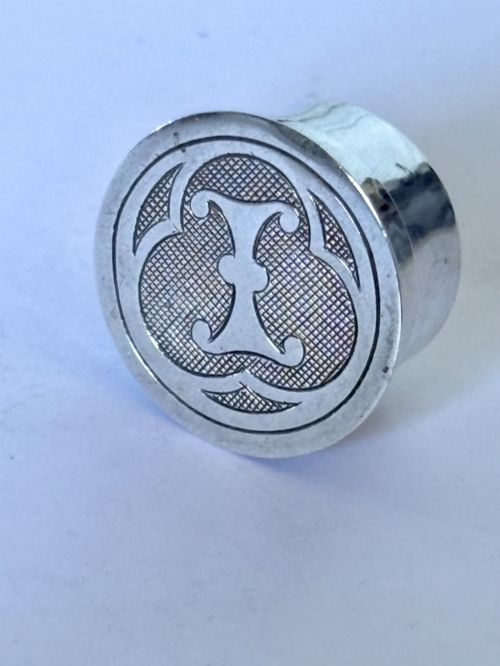
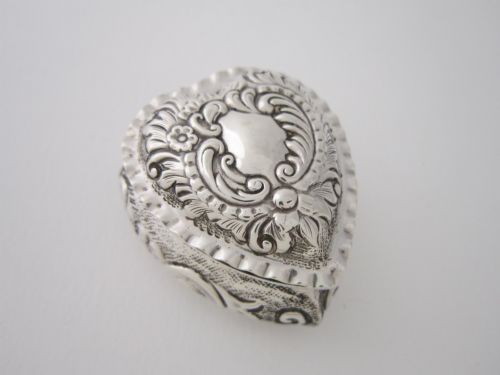
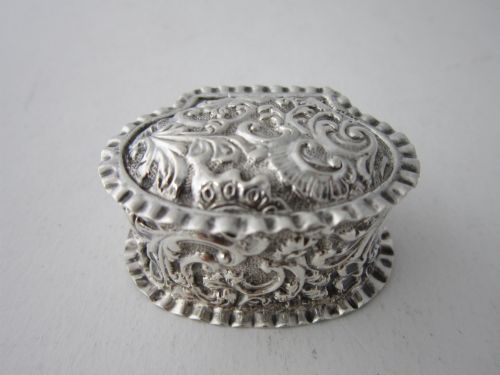
Victorian Sterling Box
When you seek a victorian sterling box, you examine small portable containers fashioned for snuff, trinkets, or tea, valued for both metalwork and utility.
Victorian Sterling Box
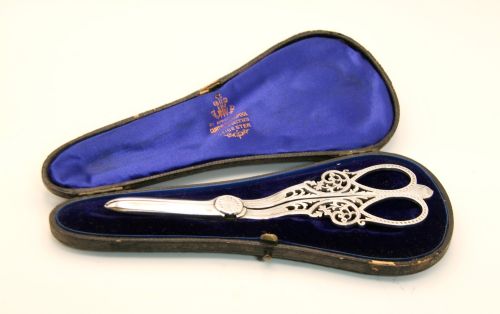
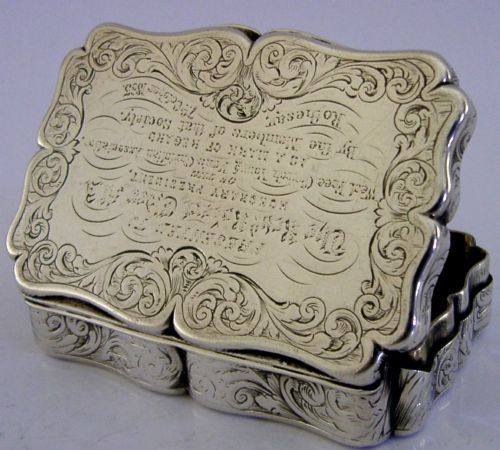
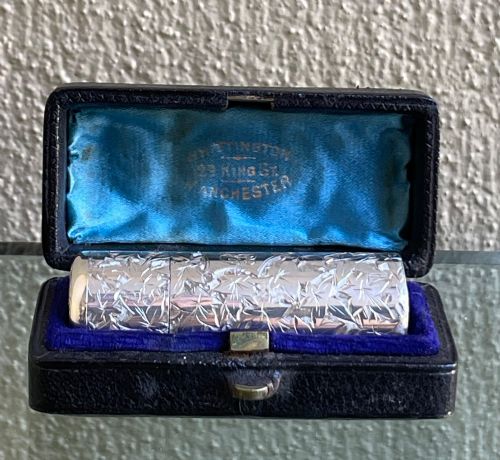
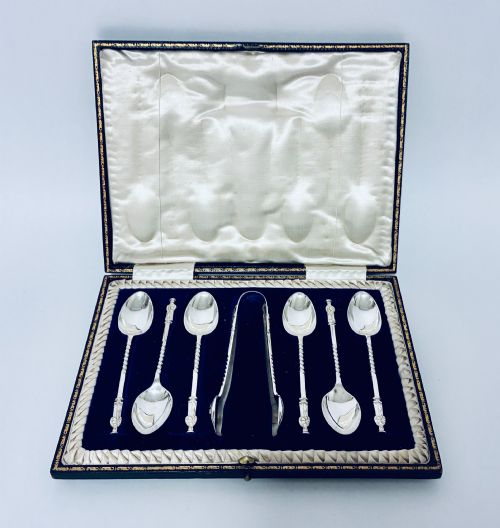
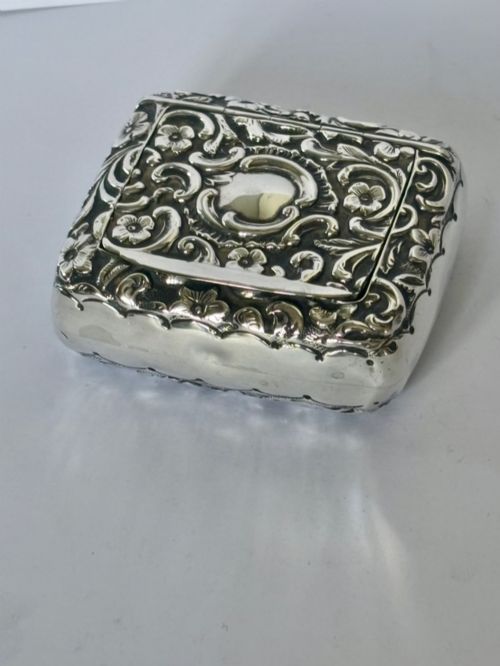
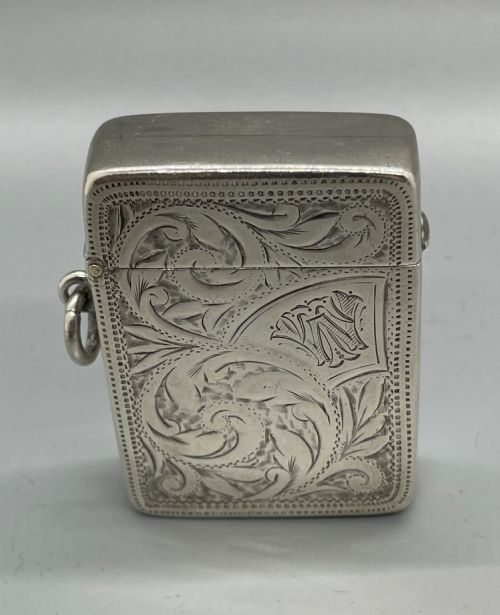
A victorian sterling box encompasses a range of small silver containers produced during the nineteenth century and the opening years of the twentieth. The selection spans snug snuff boxes and pocket vinaigrettes alongside larger dressing table caddies, desk tidies, and heart-shaped trinket vessels.
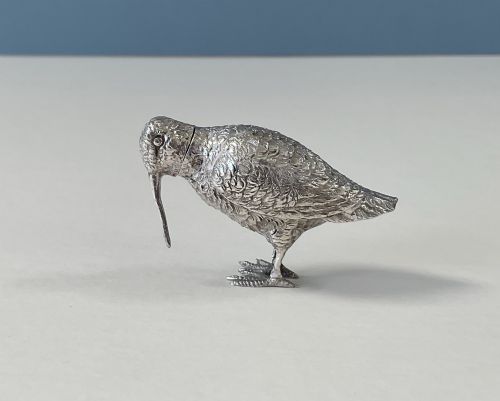
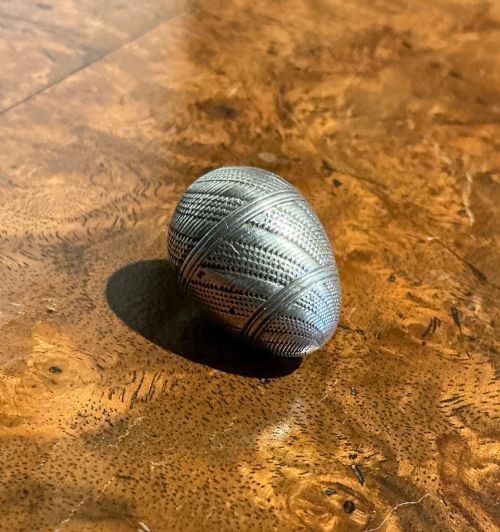
Makers shaped these silver receptacles into functional items for personal use, from miniature pill boxes to knife box forms and novelty animal shapes like birds or shoes. The predominant style is Victorian or Edwardian, though earlier Georgian influences and Continental imports occasionally appear in the record.
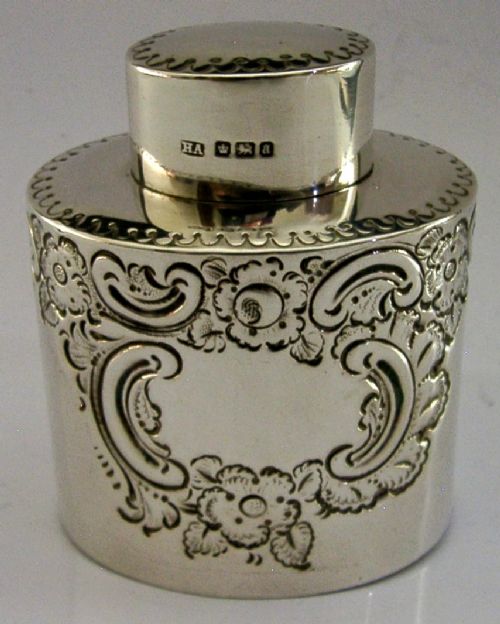
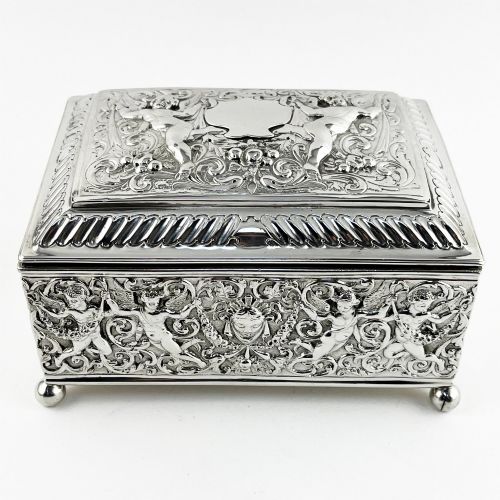
Collectors encounter rectangular snuff cases, bombe tea caddies, and hinged vanity pots lined with velvet or silk. These items served domestic and personal needs, holding everything from dry leaves to stamps, calling cards, and sewing implements.
How They Were Made
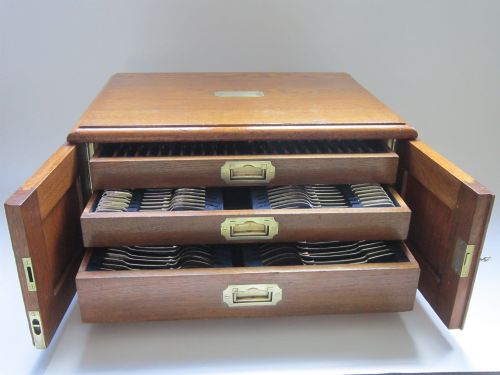
Silversmiths utilised sterling silver as the primary medium, frequently enhancing pieces with interior silver gilt to prevent corrosion from contents such as snuff or salts. Certain vanity pots and trinket cases combined the silver framework with internal velvet or silk linings, while larger tea caddies and desk boxes incorporated wooden carcases of oak alongside brass fittings.
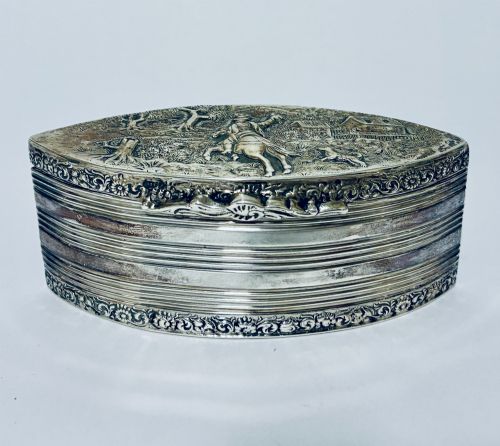
Techniques relied upon by workshops included stamping, piercing, and heavy embossing to create dimensional pictorial lids known as castle tops. Engraving decorated flat surfaces with floral motifs, crests, and personal inscriptions, while hinges and catches were meticulously fitted by hand to ensure secure closures.
Silversmiths occasionally shaped solid silver into snapping iron boxes, swinging fish, and bellows to amuse nineteenth-century pocket-watch owners.
What Varies in Quality
The standard of a victorian sterling box depends on the weight of the metal and the crispness of the chased or embossed decoration. High-grade specimens retain sharp relief on pictorial lids and tight, flush hinges that snap shut without lateral play.
Artisanal reputation influences worth, with pieces bearing the marks of renowned silversmiths showing superior gauge silver and finer interior gilding. The complexity of the form, such as articulated animal figures or multi-hinged combination cases, dictates the level of craftsmanship involved in production.
Nathaniel Mills·Horton & Allday·Henry Matthews·FA Barrett·Robert Thornton·Edward Smith·Sampson Mordan & Co·Alfred Taylor·George Unite·William Comyns
The Victorian Sterling Box Glossary
- Sterling silver
- A silver alloy containing 92.5 percent pure silver by mass, with the remainder consisting of other metals like copper. This standard composition provided the necessary durability for portable boxes while maintaining a bright metallic lustre.
- Vinaigrette
- A small hinged box containing a perforated internal grille. It held a sponge soaked in aromatic vinegar to revive individuals suffering from faintness.
- Castle top
- A lid decoration featuring a high-relief engraving or stamping of a famous building, estate, or architectural landmark. These topographical scenes represent some of the most sought-after miniature silver work.
- Silver gilt
- Sterling silver that has been coated with a thin layer of gold on its interior surfaces. This treatment protected the silver from tarnishing when exposed to acidic substances like snuff or cosmetic powders.
- Assay office
- An official body responsible for testing the purity of precious metals and stamping items with hallmarks. Marks indicate the town of testing, the standard, and the date letter corresponding to the year of manufacture.
Victorian Sterling Box: Frequently Asked Questions
What were small silver boxes used for?
These containers served specific personal and domestic functions in daily nineteenth-century life. Smaller vessels held snuff, dry pills, or scented vinegar sponges, while larger formats accommodated jewellery, tea leaves, or visiting cards.
Owners carried pocket-sized versions in waistcoats or reticules for quick access. Table-standing variations remained in domestic rooms on desks and dressing tables to organise personal paraphernalia.
How do I read silver hallmarks?
Hallmarks stamped onto the metal provide a definitive record of origin and date. They typically include a maker's mark, a standard mark indicating sterling quality, a town mark for the assay office, and a sequential date letter.
Matching these symbols against established reference tables reveals the exact year and city of manufacture. This system helps separate period items from later reproductions.
Are interior linings original?
Many surviving containers retain their fitted silk or velvet pads inside the lid and base. These textiles protected delicate items like trinkets and jewellery from scratching against the bare metal walls.
Over time, fabrics experienced wear or replacement depending on the handling history of the object. Examining the fit and adhesive residue helps determine whether a lining dates to the original period of production.
How should I clean antique silver?
Maintenance requires gentle handling to preserve the original patina and delicate engraved details. Standard abrasive polishes remove thin layers of metal and soften crisp chasing over repeated applications.
Using a soft cloth with a mild, non-abrasive silver cleaner maintains the shine without harming recessed areas. Storing pieces away from direct moisture prevents accelerated tarnishing of the metal surfaces.