

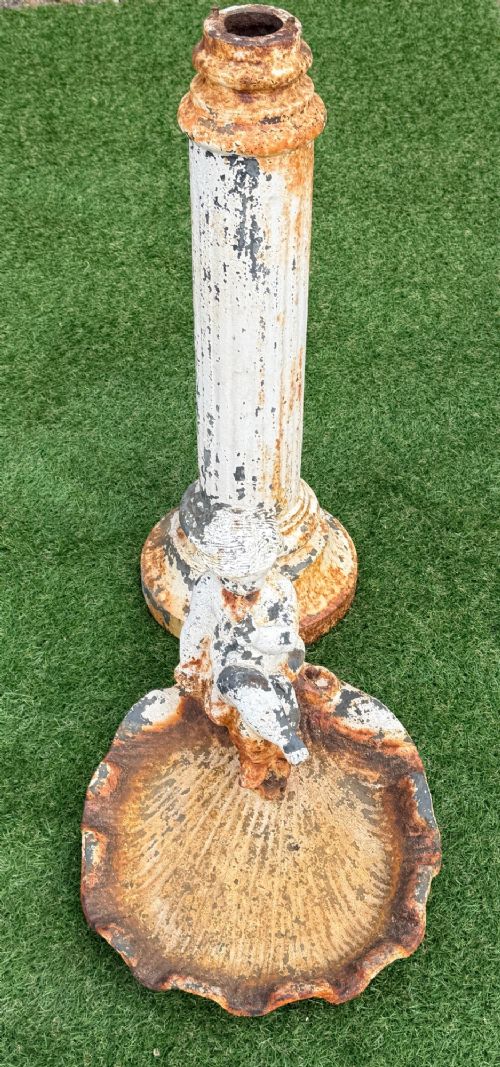


Victorian Statue Pedestal
A victorian statue pedestal elevates a sculpture or bust to eye level, bringing classical dignity and architectural presence to any interior.
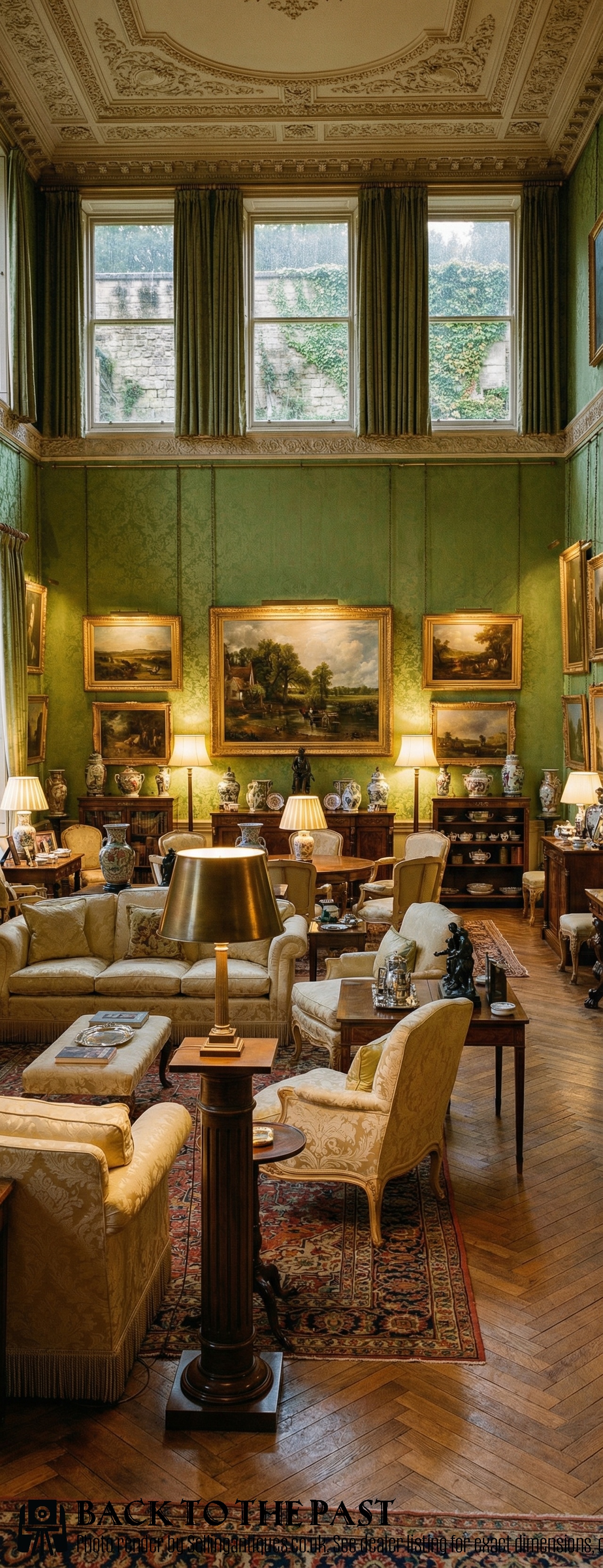
Victorian Statue Pedestal
A victorian statue pedestal serves as a sturdy structural platform designed specifically to display sculptures, busts, and decorative urns within a room. These supports elevate artworks to proper viewing height, transforming a simple room corner into a formal gallery space.
The selections available here range from architectural columns and turned wooden pillars to faux marble surfaces and cast iron garden ornaments. Most examples adhere to nineteenth-century classical revivals, utilising proportions rooted in ancient Greek and Roman architecture.
Buyers frequently encounter pieces dating from the mid-nineteenth century through to the early twentieth century, spanning styles such as Neoclassical, Grand Regency, and Victorian Historicism. These furnishings function independently as sculptural objects or coordinate directly with specific bronze and marble figures.
How they were made
Craftsmen shaped these supports from dense materials including marble, cast iron, bronze, onyx, and various timbers such as mahogany and satinwood. Stoneware and painted timber also appear frequently, offering alternative weights and surface textures for interior or garden placement.
Makers employed traditional joinery, lathe-turning, and metal-casting techniques to construct sturdy columns, fluted pillars, and stepped plinths. Surface treatments range from natural wood grains and polished stone to polychrome paint, ebonised finishes, and applied gilt details.
Victorian Statue Pedestal Retail Price Guide 2026
Typical asking prices for victorian statue pedestal among the pieces listed under this phrase on Sellingantiques today, from the lower quarter to the upper quarter. They describe what is for sale here now, not the wider market.
What varies in quality
The distinction between standard examples and superior pieces rests on the choice of materials and the precision of the carving or casting. Solid marbles, finely figured timbers, and substantial cast bronze elements demonstrate a higher level of workshop commitment than secondary painted woods or basic iron.
Proportion and decorative restraint govern the visual success of these objects. Master makers ensured that column capitals, fluted shafts, and stepped bases adhered to strict classical canons, creating structural harmony that lesser utilitarian stands often lack.
John Wenlock Rollins·Sir Thomas Brock R A·Eduardo Giolli·Arthur Waagen
The Victorian Statue Pedestal Glossary
- Plinth
- A heavy rectangular or square block forming the lowest base of a column, pedestal, or statue. This architectural element provides essential physical stability and visual weight to tall upright structures.
- Torchere
- A tall ornamental stand originally designed to carry a torch or candle lamp, later adapted to support figures or vases. These slender columns often feature circular tops and elaborate shaft decorations.
- Ebonised
- Wood finished with a dark stain or black lacquer to imitate expensive ebony. This treatment was widely utilised during the nineteenth century to create high-contrast surfaces for display pieces.
- Faux marble
- An artificial surface finish painted or treated to simulate the veining and coloration of genuine marble. Artisans used this technique on lighter wooden cores to achieve a grand appearance without excessive weight.
- Neoclassical
- A revival style drawing direct inspiration from the classical art and architecture of ancient Greece and Rome. This aesthetic prioritises symmetry, restraint, and formal dignity in furniture design.
Victorian Statue Pedestal: Frequently Asked Questions
What holds up a heavy marble bust?
Solid stone columns, heavy cast iron shafts, and dense wooden pillars provide the necessary load-bearing strength for weighty sculptures.
Internal bracing and wide base plates ensure the entire structure remains balanced and secure on standard flooring.
Can these pedestals support outdoor garden statues?
Certain examples formed from cast iron, stoneware, or durable painted timber suit sheltered garden settings and outdoor courtyards.
Wooden or polished onyx pieces remain strictly intended for interior use to protect sensitive surfaces from moisture and frost.
How do I style a pedestal at home?
Position a column in an empty hallway corner or framing a living room entryway to create an intentional focal point.
Pair the top surface with a complementary bronze figure, marble bust, or decorative urn matching the period.
How do I identify nineteenth century examples?
Examine the construction methods, tool marks, and material patination visible on the underside or inner joinery of the support.
Nineteenth-century makers relied on traditional hand-turning, specific timber species, and classical revival design vocabularies distinct from later reproductions.