


Victorian Sporting Prints
Victorian sporting prints capture the energy and pageantry of nineteenth-century field sports, offering vibrant depictions of racing, hunting, and cricket for display.
Victorian Sporting Prints
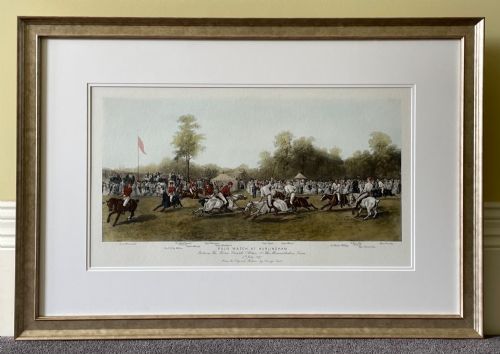
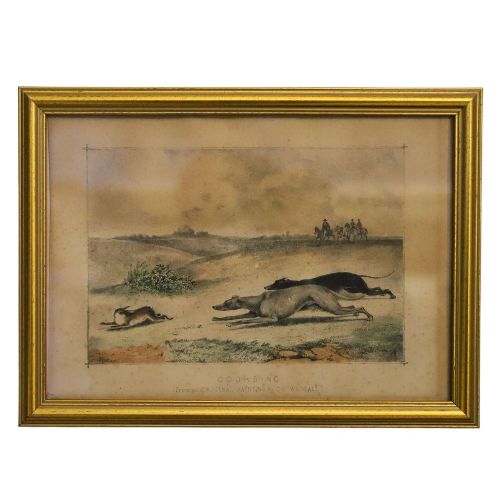
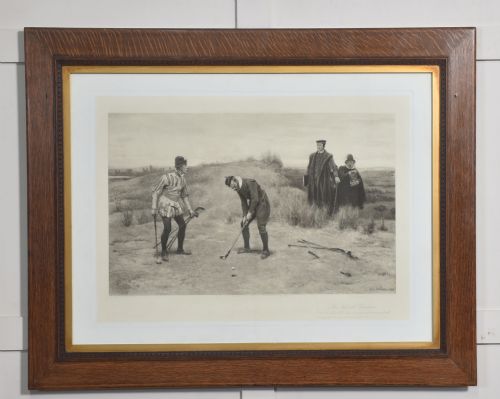
Victorian sporting prints encompass framed engravings, lithographs, and chromolithographs depicting horse racing, fox hunting, cricket matches, and coursing scenes. These works capture the nineteenth-century passion for outdoor pursuits through detailed imagery produced in sets or individual plates.
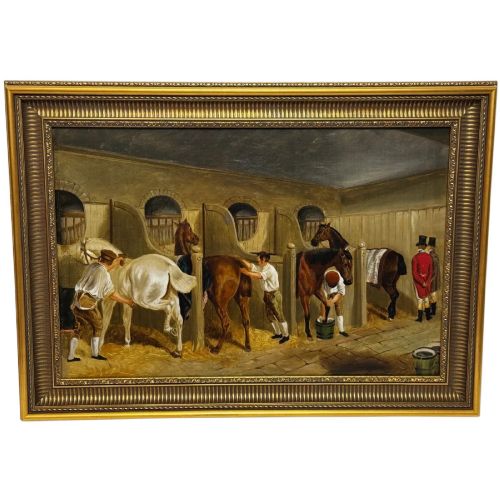
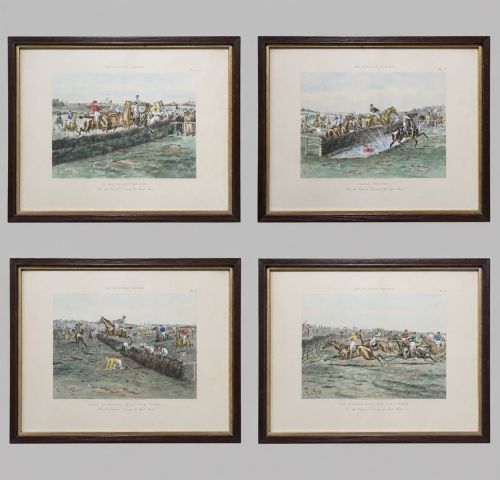
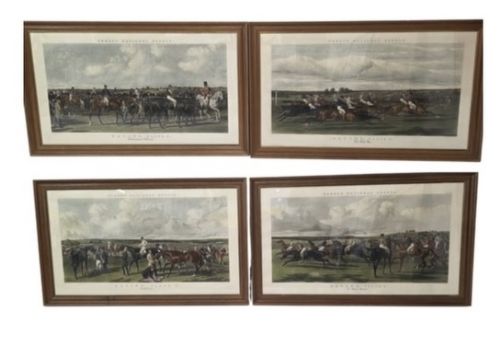
Buyers frequently encounter complete sets of four horse racing or hunting scenes alongside individual framed plates after prominent painters. The selection includes works from the middle decades of the nineteenth century through to the end of the Victorian era.
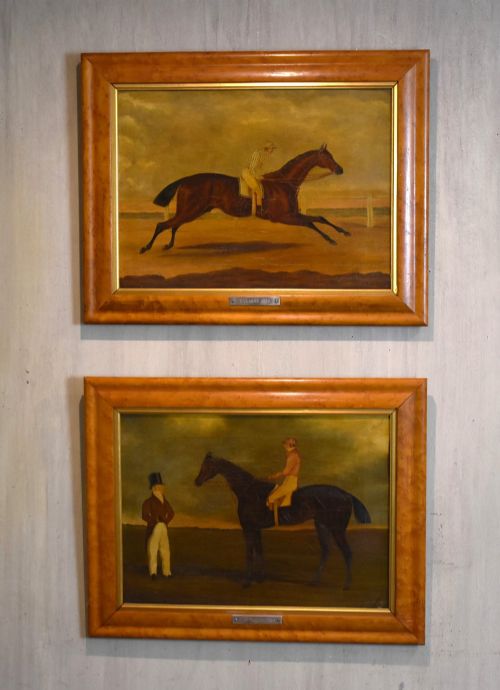
Subjects range from equestrian portraits and polo matches to shooting scenes and humorous narrative prints. Each piece reflects the social importance of rural sports and athleticism in British culture.
Materials and Methods
Makers utilised paper sheets as the primary surface for engravings, lithographs, and chromolithographs, often applying ink through hand-colouring or multi-plate printing. These works are housed within wooden frames, frequently enhanced with gold leaf or giltwood mouldings.
Artists and publishers employed techniques such as aquatint and etching to achieve tonal depth and fine detail in depictions of animals and riders. Some pieces incorporate oil on canvas or watercolour mediums alongside printed elements to present finished artworks.
Nineteenth-century sportsmen apparently required a surprising number of pictures dedicated entirely to dogs looking sternly at dead birds.
Quality and Distinction
Quality rests upon the crispness of the impression and the precision of the plate work, where sharper lines delineate horse muscles and rider attire. Early strikes from copper or steel plates preserve fine details that wear away in later printings.
The sophistication of the hand-colouring separates standard output from superior examples, with subtle washes adding naturalistic tones to coats and landscapes. Original framing and the presence of complete sets of four plates enhance the integrity of the piece.
George Finch Mason·C. H. Weigall·J. C. Dollman·John Frederick Herring Snr·Alfred Wheeler·James Dobie·W. Dendy Sadler·Charles Hunt·Francis Calcroft Turner·Frank Dadd
The Victorian Sporting Prints Glossary
- Aquatint
- A printmaking technique that produces tonal effects resembling watercolour washes by acid-etching copper plates through porous resin grounds. This method allows publishers to render atmospheric skies and soft ground textures in sporting scenes.
- Chromolithography
- A planographic printing process capable of producing multi-coloured images using limestone blocks for each distinct hue. It became the primary method for mass-producing vibrant Victorian prints towards the end of the nineteenth century.
- Engraving
- A method where lines are cut directly into a metal plate using a hardened steel tool called a burin. This technique yields exceptionally sharp, precise lines well suited to capturing the intricate details of horses and riders.
- Lithography
- A printing process based on the chemical repulsion of oil and water upon a flat limestone or metal surface. Artists drew directly onto the stone to achieve fluid, painterly lines that resembled original sketches.
- Etching
- A process where metal plates are coated with acid-resistant grounds and drawn through with needles before being submerged in acid. The resulting recessed lines hold ink to transfer fine linear details onto paper.
Victorian Sporting Prints: Frequently Asked Questions
How were Victorian sporting prints displayed?
These works were traditionally framed in timber mouldings, often with gilt accents, to decorate the walls of country houses, libraries, and smoking rooms. Owners selected them to celebrate personal sporting triumphs and affiliations with specific hunts or racing syndicates.
Today, they suit studies, hallways, and living spaces where traditional equestrian or field sports aesthetics are desired. Proper placement avoids direct sunlight to protect the paper and hand-applied colours from fading.
Why do these prints often appear in sets?
Publishers frequently released sporting subjects in sequences of four to narrate the progression of a hunt, a race day, or the seasons. Buyers purchased the complete series to maintain a balanced visual narrative across a wall.
Finding a complete, matching set of four plates remains desirable for collectors because individual sheets were often separated or damaged over time. The uniform framing typically seen on these sets indicates they were bound together as a unified decorative scheme.
What subjects are most common in these prints?
Equestrian themes dominate the genre, featuring horse racing, fox hunting meets, polo matches, and portraits of famous racehorses with their jockeys. Scenes of coursing, shooting with gun dogs, and cricket also appear frequently.
These subjects reflect the dominant leisure pursuits of the British gentry and expanding middle classes during the nineteenth century. Narrative art illustrating sporting humour or club gatherings provides additional variety within the category.
How do you distinguish original prints from later reproductions?
Original nineteenth-century examples display plate marks indented into the paper around the image border where the printing press applied heavy pressure. The paper itself typically shows the fibrous texture and natural ageing consistent with the period.
Closer inspection under magnification reveals the fine dot patterns or continuous ink lines characteristic of period printing techniques rather than modern dot-matrix or digital scanning. Hand-applied watercolour washes on older prints exhibit subtle variations that uniform modern reproduction inks lack.