


Victorian Spoon Back Armchair
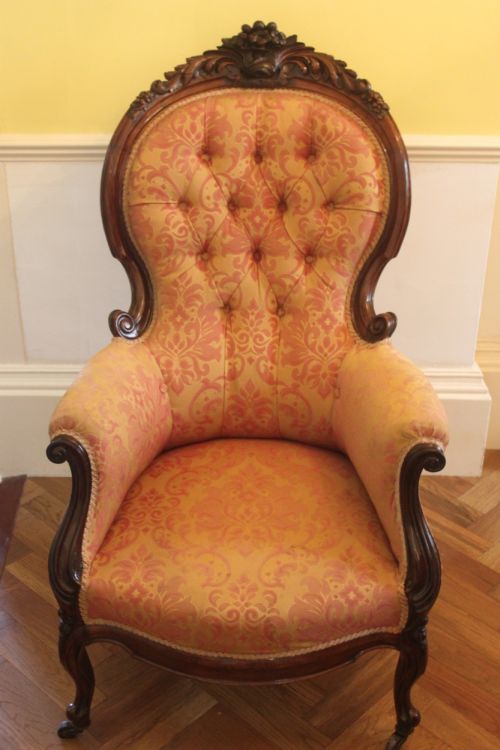
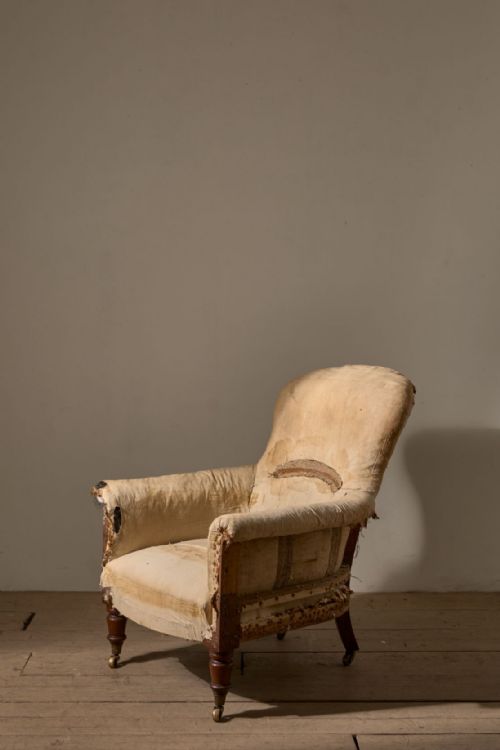
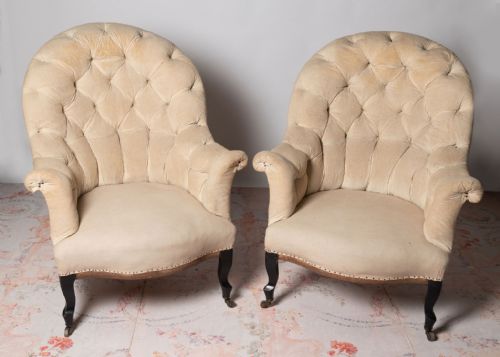
A victorian spoon back armchair combines ergonomic padded curves with carved timber frames for drawing rooms and firesides.
Victorian Spoon Back Armchair
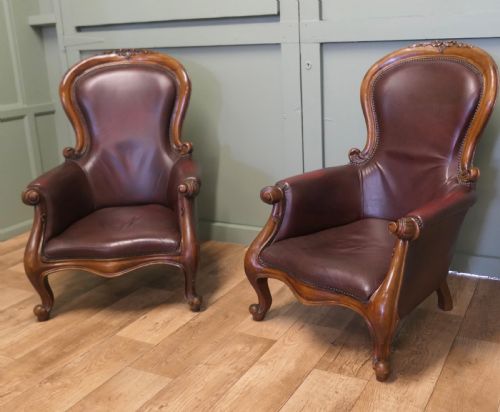
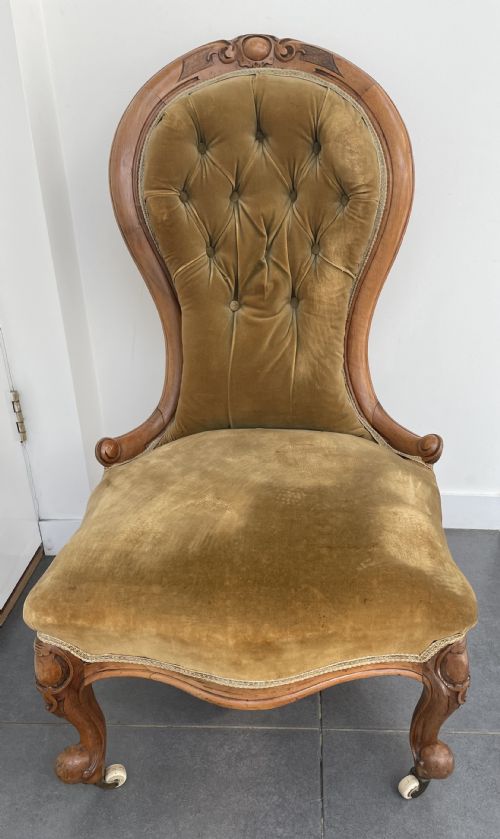
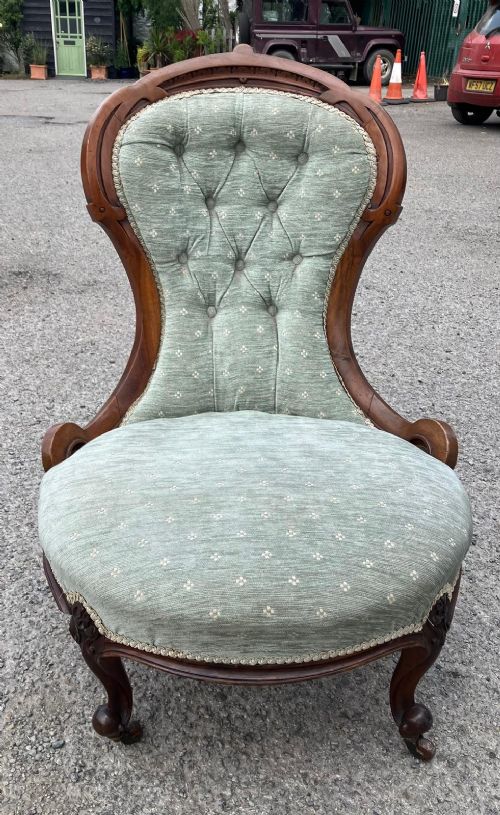
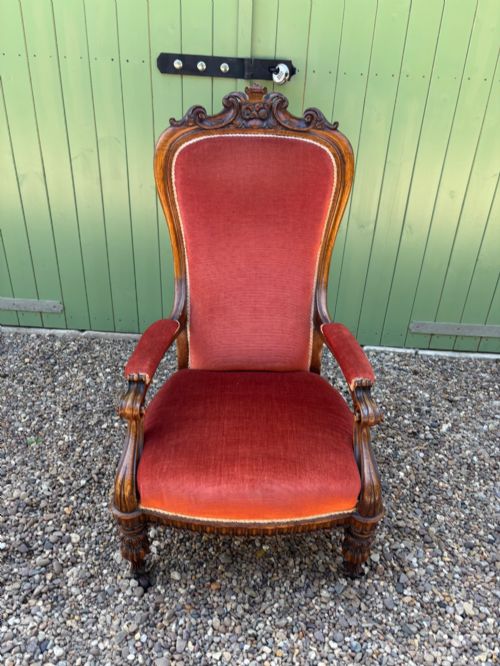
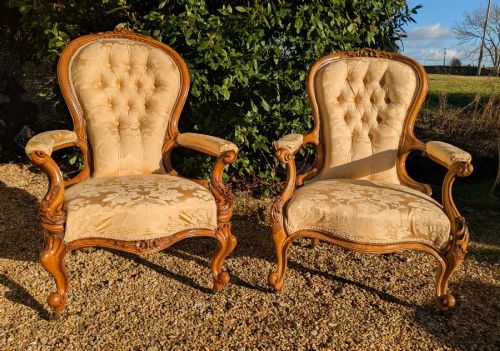
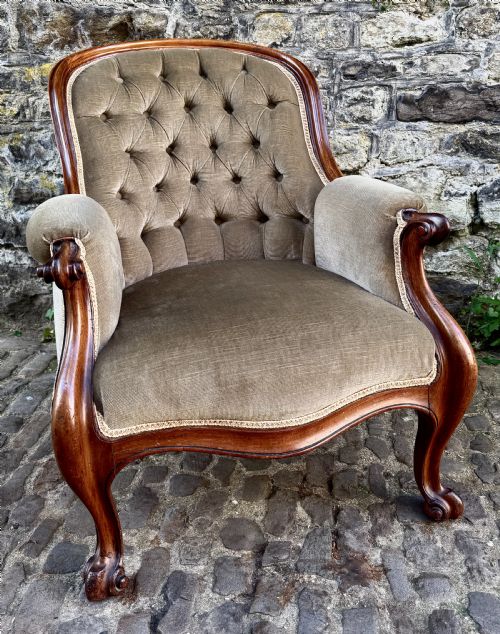
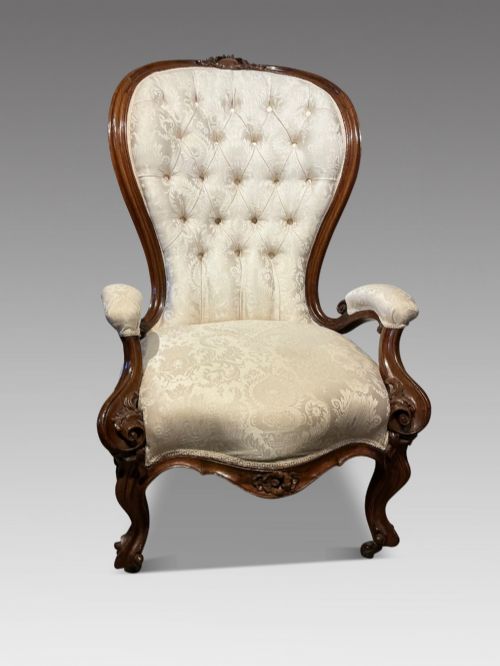
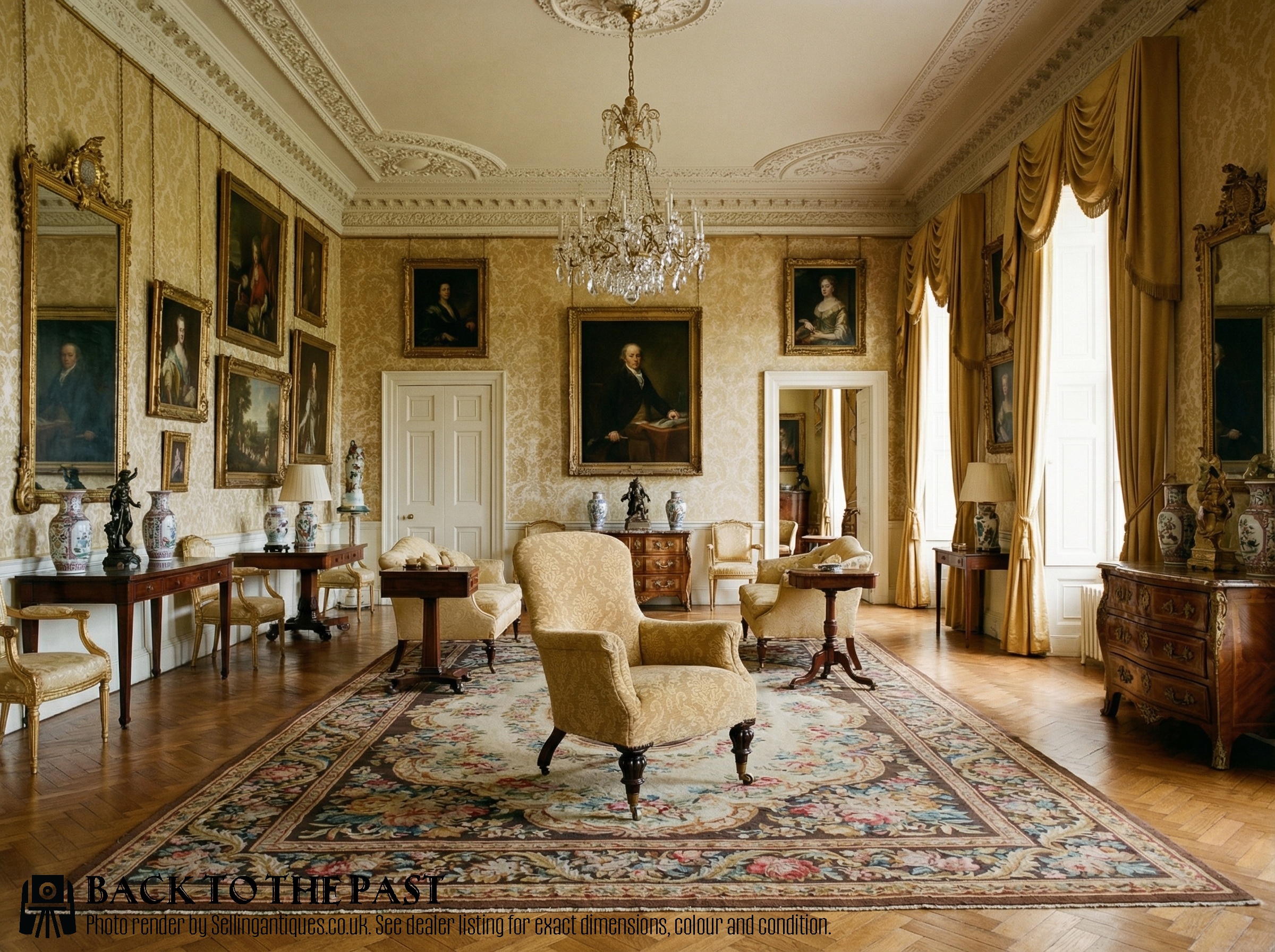
A victorian spoon back armchair is a seating form defined by an oval, concave backrest shaped to echo the bowl of a spoon, predominantly appearing in walnut and mahogany from the nineteenth century.
Buyers frequently encounter variants such as gentleman's chairs, ladies' nursing chairs, and slipper chairs across early Victorian, mid Victorian, and Rococo Revival periods.
The selection ranges from low-slung occasional seats to deep-seated library and fireside armchairs, occasionally accompanied by matching salon suites.
Materials and Construction
Frames are constructed from solid timbers including walnut, mahogany, oak, and iron, shaped into show frames and cabriole legs.
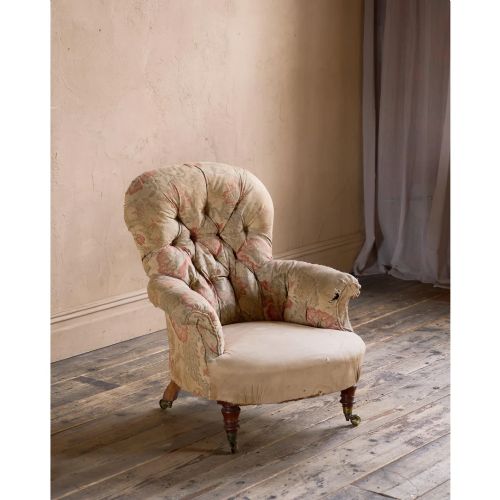
Upholstery techniques involve buttoning, spring stuffing, and textile coverings spanning velvet, damask, leather, needlepoint tapestry, and general fabric.
Carved details adorn the crest rails and scroll arms, whilst brass elements occasionally support the structural joints and castors.
Periods represented span from the 17th century through early, mid, and late Victorian eras, alongside Regency and Napoleon III styles.
Craftsmanship and Proportion
Quality separates through the depth of timber carving on the show frame and the precision of the scrollwork on arms and legs.
Proportion and scale dictate the distinction between grand gentleman's armchairs and petite nursing or slipper chairs.
Holland and Sons·C. Hindley and Sons
The Victorian Spoon Back Armchair Glossary
- Spoon Back
- A concave, oval-shaped upholstered backrest designed to follow the natural contours of the human spine. This profile is characteristic of mid-nineteenth-century seating.
- Gentleman's Chair
- A larger, wider armchair with arms, built for male occupants during the Victorian period. They often feature deep seats and substantial carved walnut or mahogany frames.
- Nursing Chair
- A low-seated upholstered chair designed without arms to allow women to nurse infants comfortably. They frequently appear in walnut with carved show wood frames.
- Show Frame
- Exposed timber framing that surrounds the upholstered portions of a chair. It displays the carved woodwork and grain of walnut or mahogany.
- Cabriole Leg
- A furniture leg that curves outward in a convex arc and tapers inward in a concave arc to a foot. This form derives from eighteenth-century design and reappears in Victorian revival pieces.
Victorian Spoon Back Armchair: Frequently Asked Questions
How do I date a Victorian armchair?
Dating relies on timber choices, revival styles, and specific construction methods recorded across the nineteenth century. Early pieces often feature mahogany, while walnut gains popularity toward the middle decades.
Design influences like Rococo Revival or Napoleon III help narrow the decade of production alongside documented maker labels.
Where should I place a nursing chair?
Nursing chairs suit low-seating arrangements in bedrooms, dressing rooms, or fireside corners. Their compact frames and lack of arms allow flexible positioning in smaller spaces.
They pair well with low occasional tables or beside larger gentleman's armchairs.
What is the difference between ladies and gents chairs?
Gentleman's armchairs are built larger and wider with supportive arms for reading or relaxing. Ladies chairs, often termed nursing or slipper chairs, are typically armless and sit lower to the ground.
Both share the characteristic spoon back silhouette and carved wooden frames.