







Victorian Spiral Column Table
A victorian spiral column table brings warmth and functional elegance to a room through turning and timber.
Victorian Spiral Column Table
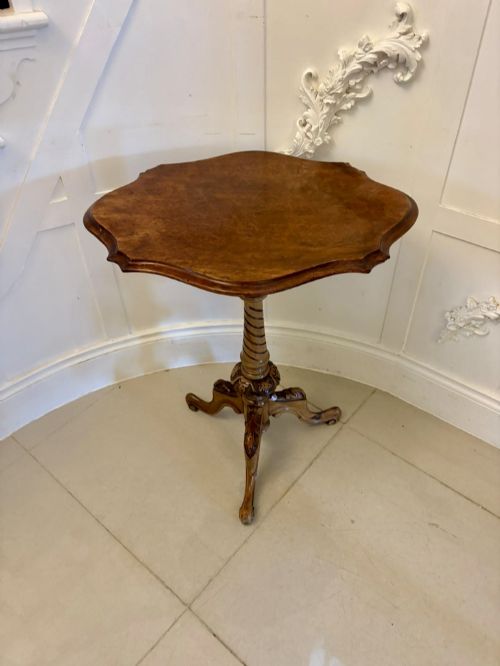
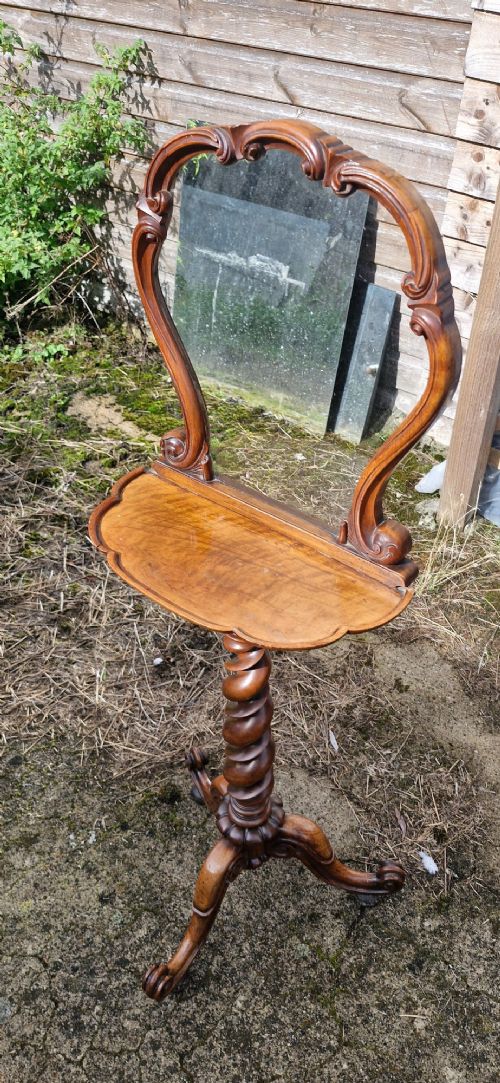
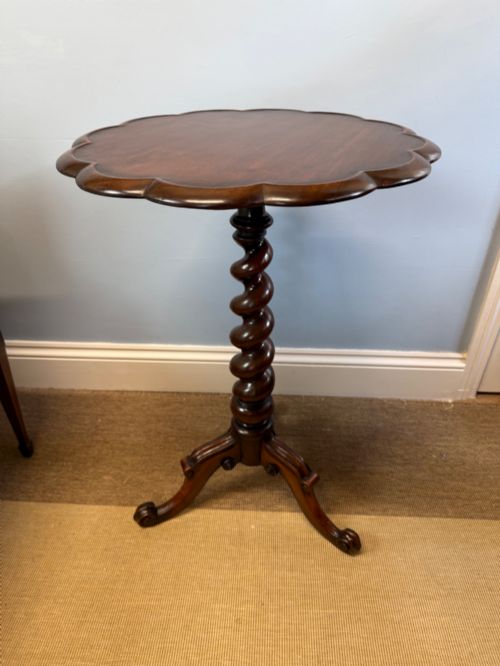
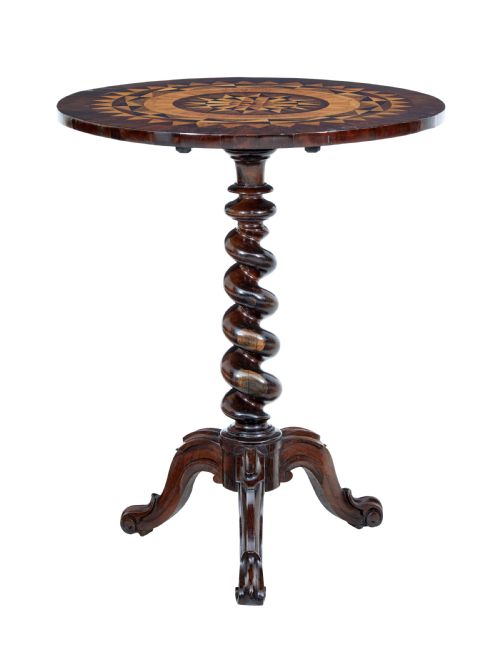
When you search for a victorian spiral column table, you encounter a selection of occasional tables, side tables, lamp tables, and pedestals drawn from the nineteenth century. These pieces rely on turned supports to lift timber surfaces, often taking the form of tripod lamp tables, tilt-top occasional tables, or octagonal side tables.
The specimens recorded here span various timber selections, including mahogany, walnut, burr elm, and pine, alongside occasional brass adaptations. Originating from the nineteenth century, particularly around the 1850s, 1860s, and 1880s, these items function as practical stands for lighting or display within traditional interiors.
How they were made
Joiners and cabinet makers shaped these items using solid timbers and decorative veneers such as burr walnut, mahogany, and burr elm. Structural strength relied on traditional joinery methods, supporting tops mounted on central pedestals or tripod legs.
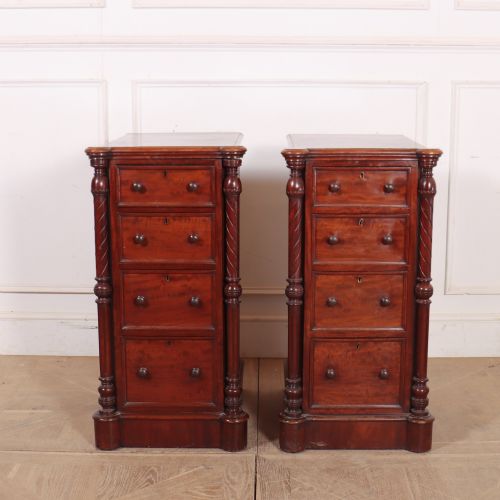
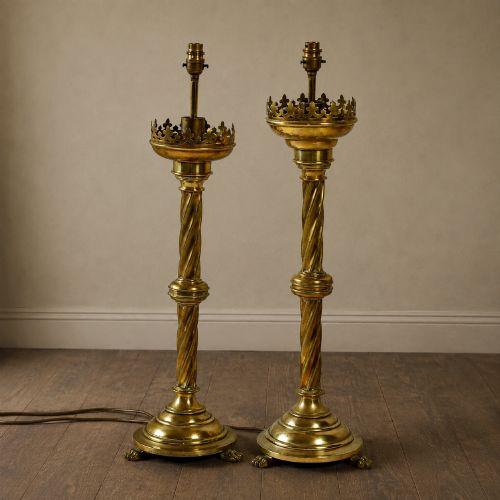
Turnery lathes produced the characteristic spiral and barley twist columns seen on the vertical supports and candlesticks. Selected pieces incorporate inlaid surfaces and scalloped edges to enhance the visual texture of the wood.
Victorian Spiral Column Table Retail Price Guide 2026
Typical asking prices for victorian spiral column table among the pieces listed under this phrase on Sellingantiques today, from the lower quarter to the upper quarter. They describe what is for sale here now, not the wider market.
Some tables double as tea poys, proving that Victorians loved furniture with secret compartments for storing leaves.
What varies in quality
The distinction between standard examples and finer items rests upon the choice of timber and the precision of the turnery. Rich grain patterns in burr walnut or burr elm elevate the visual weight of a table compared to plain pine or standard woods.
Proportion and stability define the upper tier of these pieces. Well-balanced tripod bases and cleanly executed spiral columns demonstrate superior craftsmanship from nineteenth-century workshops.
T Thomason And Co
The Victorian Spiral Column Table Glossary
- Occasional table
- A small, movable table designed for light domestic use such as holding a lamp or books.
- Tilt-top
- A tabletop hinged to the pedestal so it can pivot vertically when not in use.
- Burr elm
- Timber featuring twisted, knotty growth rings that create intricate patterns when sliced into veneer.
- Torchiere stand
- A tall, slender stand originally designed to hold a torch or candle, later adapted for lamps or plants.
Victorian Spiral Column Table: Frequently Asked Questions
What is a victorian spiral column table used for?
These items serve primarily as occasional, lamp, or side tables to support lighting or decorative objects in living spaces.
Their compact footprints allow them to fit beside seating or into corners where larger furniture would overwhelm the room.
How do I identify a nineteenth-century piece?
Look for period timber selection, traditional joinery methods, and characteristic turnery styles associated with the nineteenth century.
Items from this era often display hand-finished surfaces and natural patination developed over decades of use.
Where should I place a tilt-top table?
Tilt-top tables work effectively beside chairs or against walls where their pivoting mechanism can be appreciated.
When tilted vertically, they function as decorative panels displaying the grain of the wood.
How do mahogany and walnut tables differ?
Mahogany typically offers a straight, reddish-brown grain suitable for crisp turnery and structural stability.
Walnut and burr walnut provide darker tones and complex, swirling patterns that give surfaces greater visual depth.