

Victorian Spark Screen
Victorian spark screen designs combine practical hearth protection with decorative metalwork, offering an essential barrier for nineteenth-century rooms.
Victorian Spark Screen
A Victorian spark screen protects rooms from stray embers while adding a decorative focal point to the hearth. When you search for a Victorian spark screen, you encounter various protective hearth barriers designed during the nineteenth century.
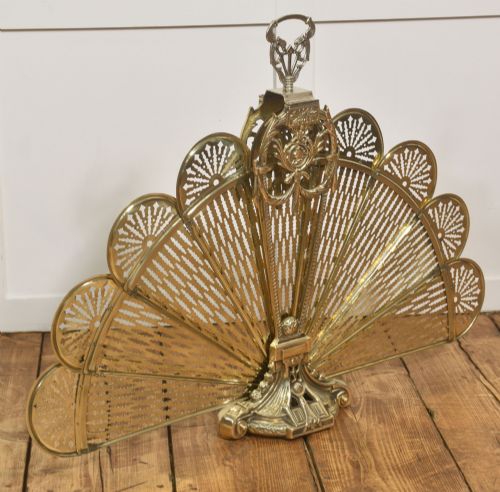
The pieces appearing on this page span the Victorian period alongside related nineteenth-century designs, featuring folding fan configurations, rigid panels, and protective nursery fenders. Common forms include brass peacock folding fan screens and wire mesh spark guards.
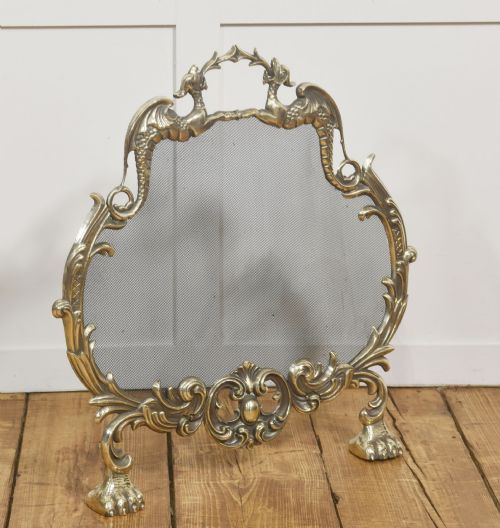
Makers utilised diverse materials to construct these functional hearth accessories, combining metal mesh, brass, and iron frameworks. Many examples incorporate decorative styles such as Arts and Crafts, Rococo Revival, and Gothic Revival.
Materials and construction methods
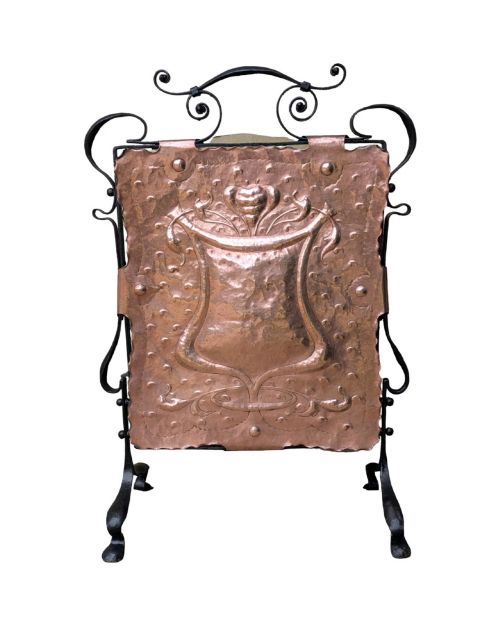
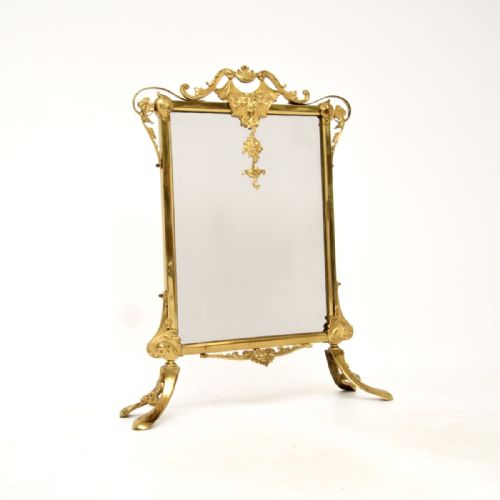
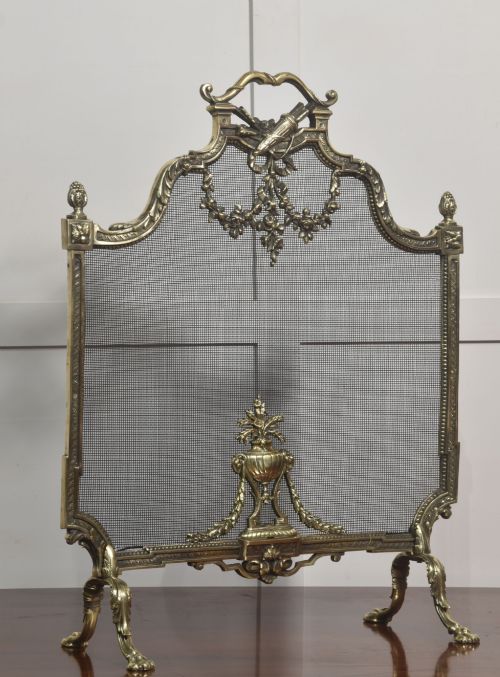
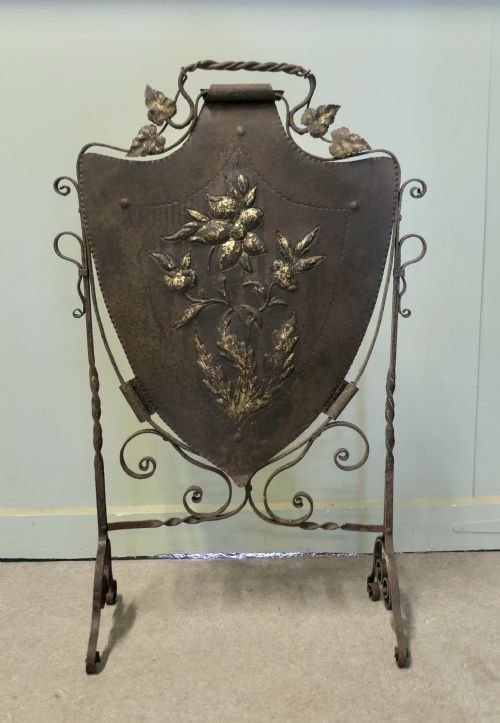
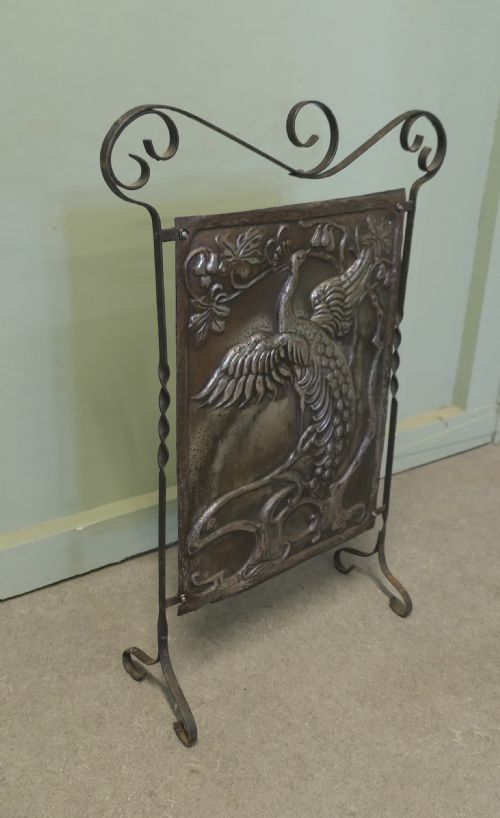
Craftsmen built these fire screens primarily using brass, iron, copper, and wire mesh to withstand intense hearth heat while remaining stable. Frames frequently incorporate beaten copper, cast or pierced brass, and wrought iron.
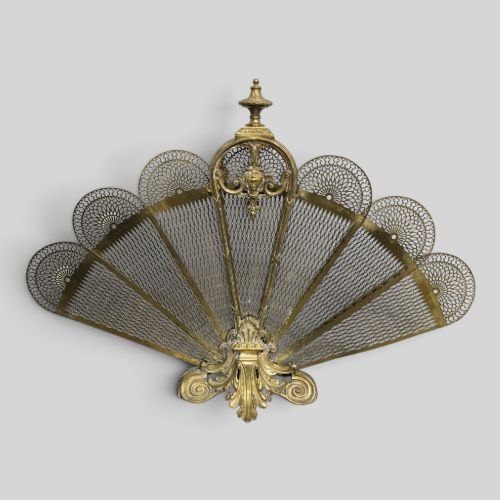
Folding mechanisms utilise articulated brass hinges to allow fan screens to expand or contract around the fireplace opening. Wire mesh panels are securely fixed to metal frames to intercept flying sparks effectively.
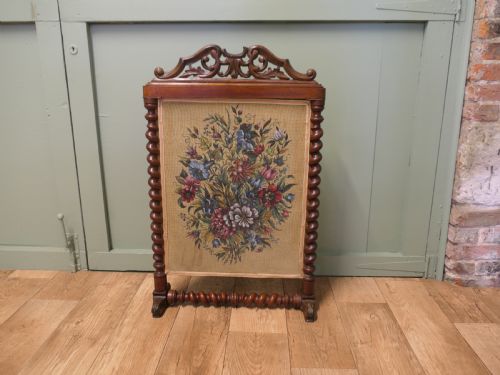
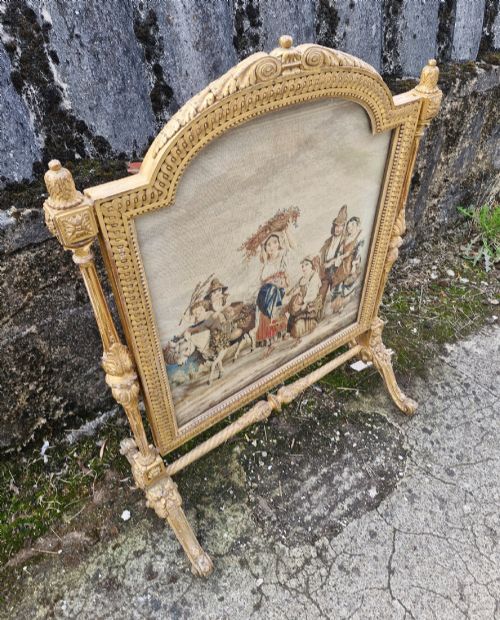
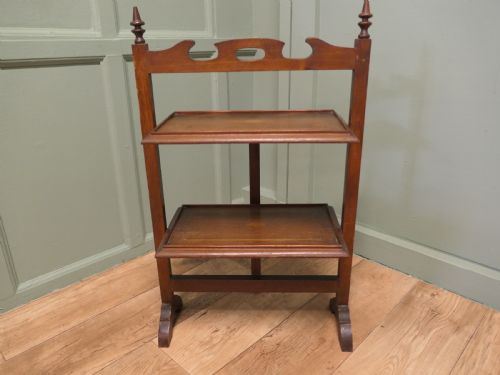
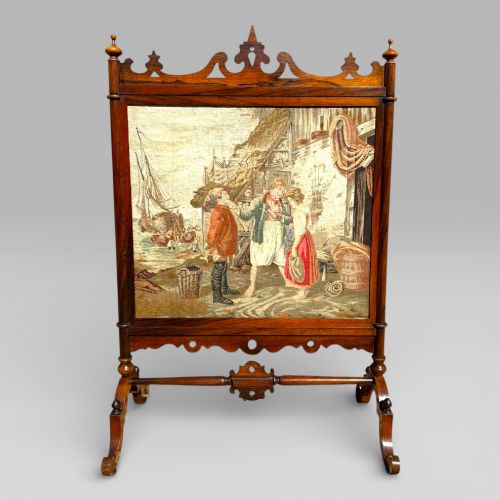
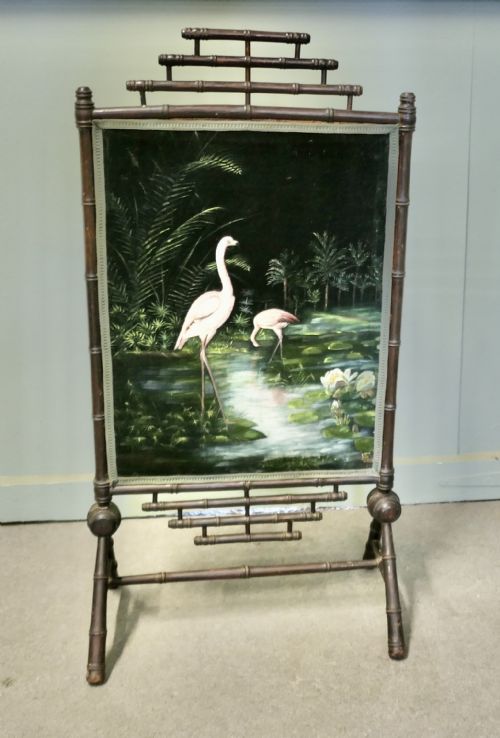
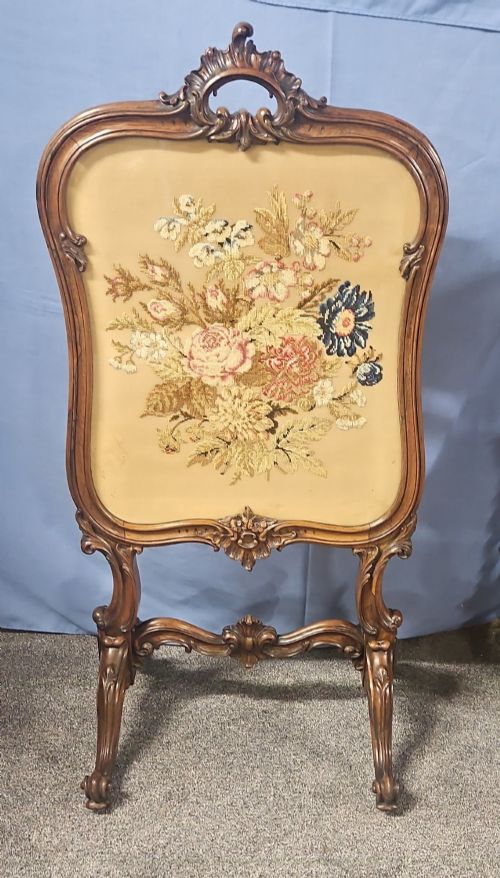
Wooden elements such as mahogany, oak, and walnut occasionally appear in screen frames or as structural supports for glass and embroidered panels.
Victorian Spark Screen Retail Price Guide 2026
Typical asking prices for victorian spark screen among the pieces listed under this phrase on Sellingantiques today, from the lower quarter to the upper quarter. They describe what is for sale here now, not the wider market.
Listings feature nineteenth-century materials including brass, wire mesh, wrought iron, copper, and oak, styled in Rococo Revival, Arts and Crafts, and Gothic Revival.
Distinctions in quality
Quality in these screens depends heavily on the substance and thickness of the metal used in the frame and mesh. Heavier gauge brass and solid wrought iron provide greater stability and durability than thinner stamped sheet metal.
The precision of articulation in folding fan screens separates superior examples from ordinary production. Smooth movement across every folding section indicates careful nineteenth-century assembly and robust hinge construction.
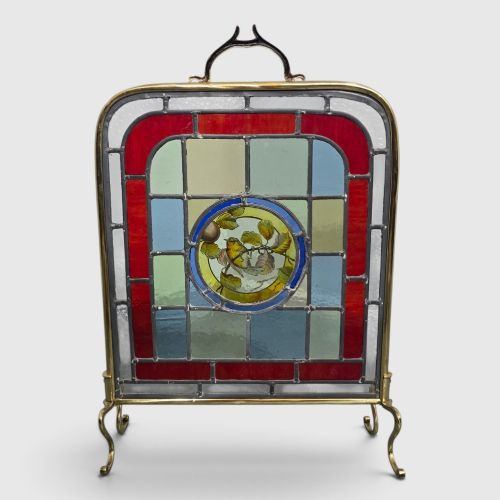
Artistic execution in decorative details, such as hand-beaten copper panels, pierced brass ornamentation, and integrated stained glass, marks the difference between standard utility guards and finer artistic pieces.
The Victorian Spark Screen Glossary
- Spark screen
- A protective barrier placed before a fireplace to catch flying embers. These guards use wire mesh or metal panels to safeguard the room.
- Nursery fender
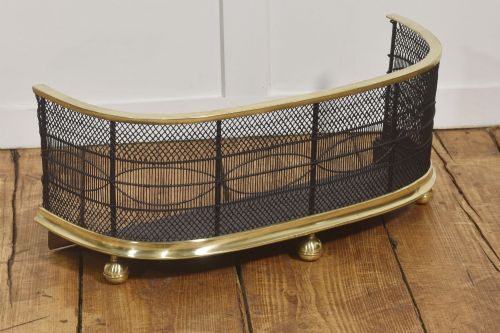
- A low enclosing metal guard placed around a hearth to keep children and pets at a safe distance from the fire. They often feature integrated wire mesh spark guards.
- Peacock fan screen
- A folding screen composed of radiating brass or metal blades that fan outwards like a tail. This popular Victorian design closes compactly when the fire is unlit.
- Arts and Crafts
- A design movement prioritising handcraftsmanship and simple forms over mass production. Pieces in this style often feature beaten copper and plain polished iron.
- Rococo Revival
- A nineteenth-century style reviving ornate eighteenth-century French motifs. Screens from this tradition display exuberant scrolls, asymmetrical curves, and pierced ornamentation.
Victorian Spark Screen: Frequently Asked Questions
How do I choose the right size spark screen?
Measure the width and height of your fireplace opening to ensure the screen covers the entire hearth space adequately. Folding fan screens and adjustable guards offer flexibility for varying hearth dimensions.
Consider whether you need a freestanding panel or a wrap-around nursery fender depending on the room layout and safety requirements.
Were these screens used exclusively in nurseries?
Nursery fenders and guards were specifically designed to protect young children from open flames in family rooms. Many standard spark screens served general domestic sitting rooms.
Any hearth requiring ember containment utilised these protective brass and wire mesh accessories regardless of the room's primary occupants.
How do I clean nineteenth-century brass spark screens?
Dust the wire mesh and metal frame gently with a soft dry cloth to remove soot and surface debris. Avoid harsh chemical polishes that strip historical patina from aged brass and copper.
Preserve the natural aged appearance of the metal while keeping the mesh clear of ash accumulation.
Can I use an antique spark screen with a modern fire?
Many antique spark screens remain structurally sound for contemporary hearth use, provided the wire mesh and frame are stable. Verify that the screen is heavy enough to withstand accidental bumps near an active fire.
Delicate decorative screens with glass or fabric panels are better suited to decorative use or unlit fireplaces.