



Victorian Snap Top Table
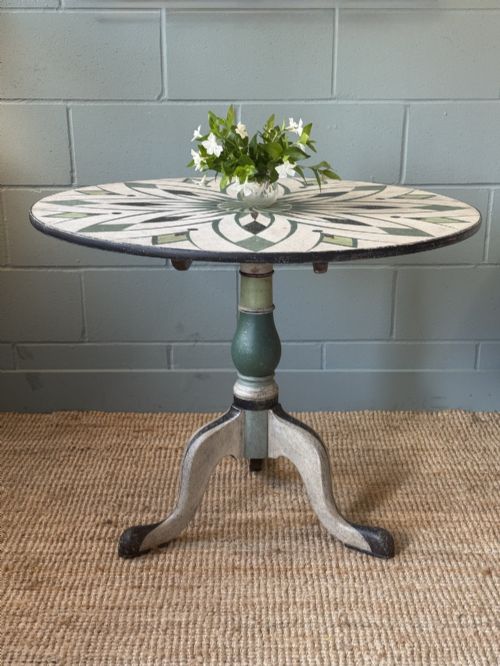
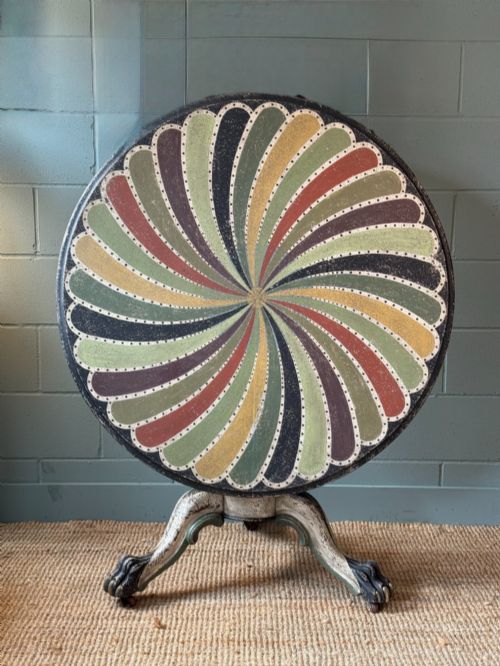
A victorian snap top table combines a clever pivoting mechanism with timber figures, offering a practical surface that folds away neatly when not in use.
Victorian Snap Top Table
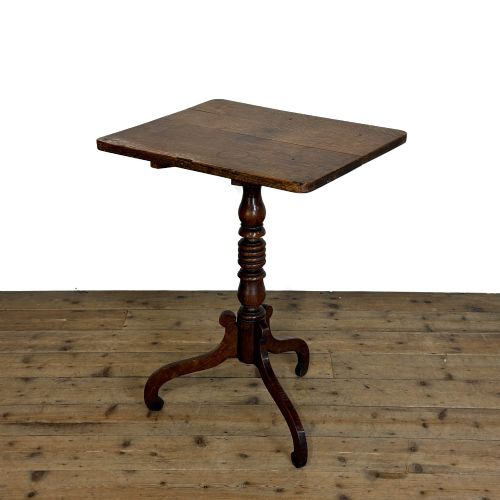
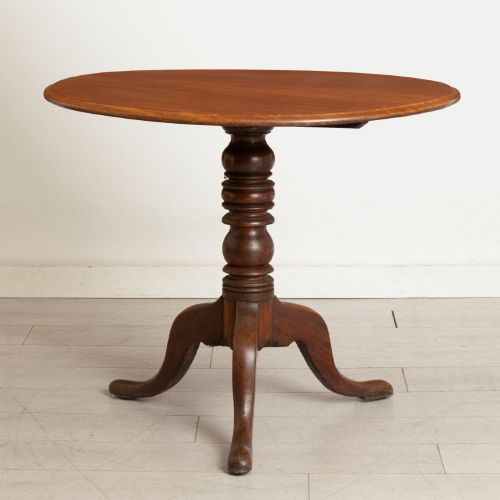
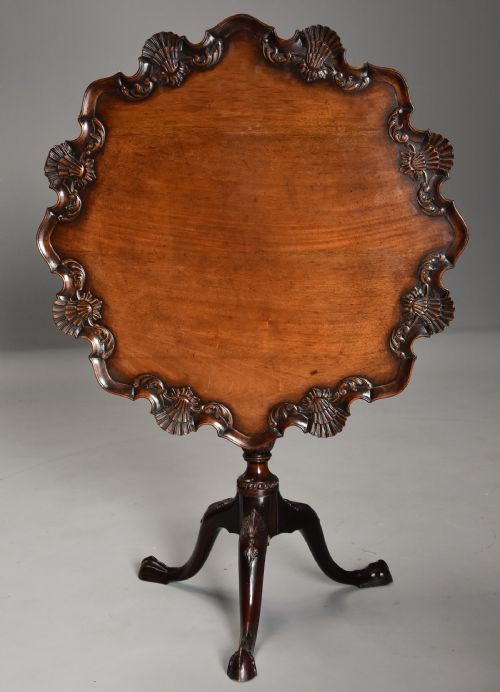
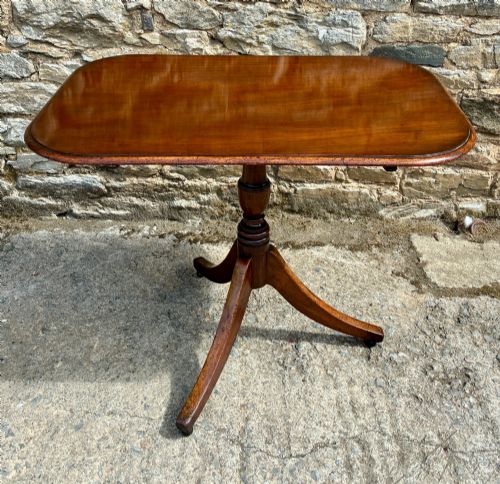
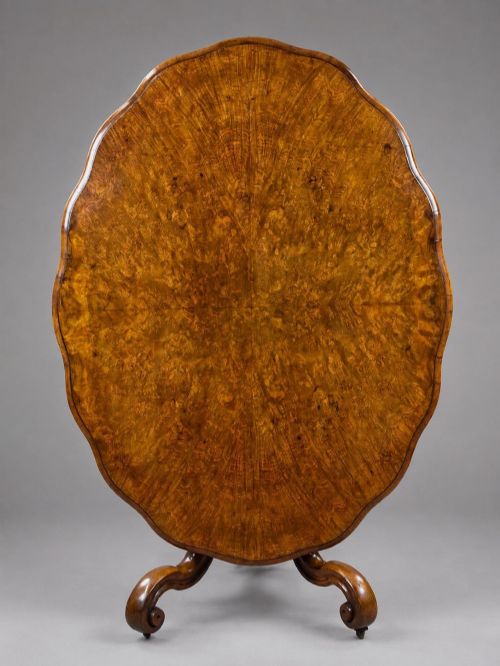
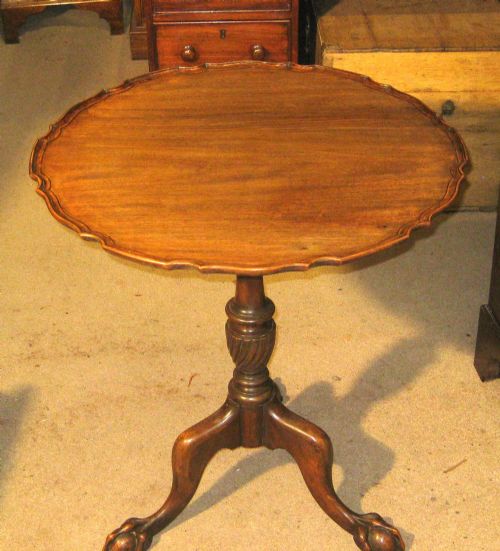
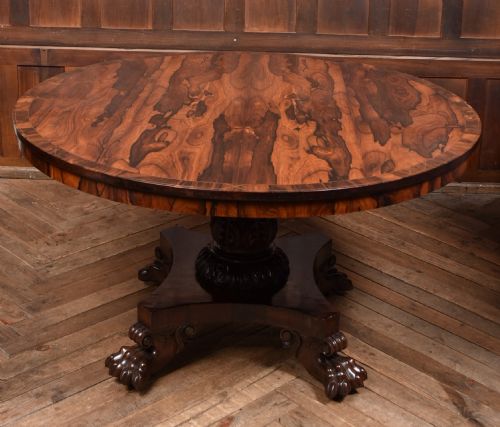
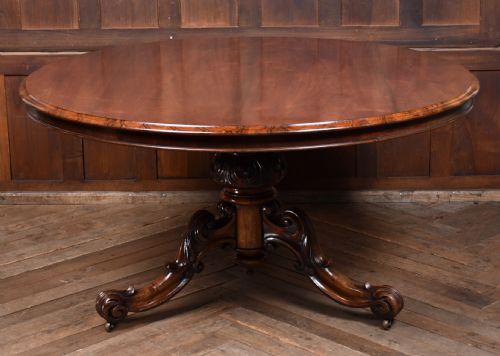
A victorian snap top table takes several forms across the nineteenth century, most commonly appearing as circular breakfast, loo, or occasional tables supported by a central pillar and tripod feet. These pieces arrive in mahogany, walnut, rosewood, and burr walnut, frequently showing moulded or piecrust edges.
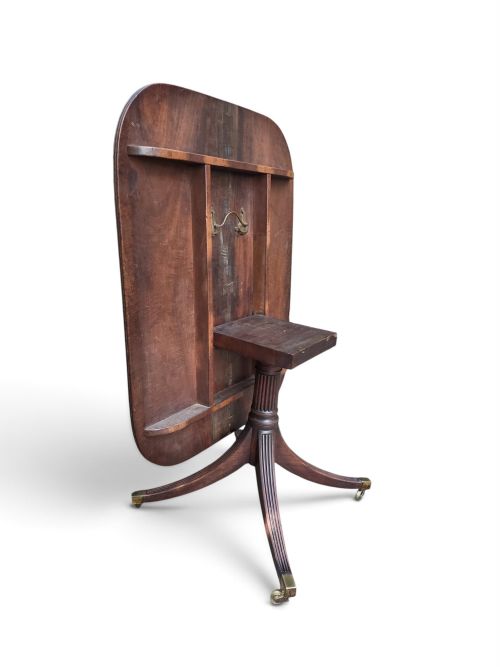
Makers fashioned these designs for everyday domestic life, allowing the top to tilt vertically via a catch mechanism so the piece could stand against a wall when space was required. Examples range from plain timber tripod bases to large dining tables seating ten people.
Variations include octagonal tops, marquetry inlay, painted floral motifs, and papier-mâché surfaces with mother-of-pearl. Scottish regional variants in oak also appear alongside walnut loo tables and rosewood centre tables.
Materials and Construction
Cabinet makers built these tables using solid timbers like mahogany, oak, and pine for structural frames, applying veneers of burr walnut, rosewood, or birch to the circular tops to display rich grain patterns. Brass fittings and catches secure the pivoting mechanism beneath the surface.
Surface decoration involved marquetry inlay, japanning, and hand-painting with floral or petal designs, sometimes paired with papier-mâché and mother-of-pearl inlay. Carved tripod pedestal bases provide stability for the tilting mechanism.
Victorian Snap Top Table Retail Price Guide 2026
Typical asking prices for victorian snap top table among the pieces listed under this phrase on Sellingantiques today, from the lower quarter to the upper quarter. They describe what is for sale here now, not the wider market.
Listings feature woods including mahogany, walnut, rosewood, burr walnut, olive wood, birch, pine, and papier-mâché.
Quality and Craftsmanship
The choice of veneer significantly influences the visual weight of the piece, with richly figured burr walnut and rosewood representing the finer end of production compared to plain pine or standard mahogany. Finer examples display crisp carving on the pedestal base and precise inlay work rather than painted additions.
The integrity of the snap mechanism and the rigidity of the tripod joint determine structural success. Tables that tilt smoothly and lock firmly without wobble demonstrate superior joinery.
The Victorian Snap Top Table Glossary
- Snap-top
- A table mechanism allowing the top to pivot vertically on a catch. This design lets the furniture occupy less floor space when pushed against a wall.
- Tilt-top
- An alternative term for a pivoting table top. These functioned as breakfast, tea, or occasional tables.
- Loo table
- A large round centre table designed for the nineteenth-century card game loo. They frequently feature burr walnut veneer and tilt mechanisms.
- Piecrust edge
- A carved raised moulding around the perimeter of a circular table top. The shaping resembles pastry work.
- Tripod base
- A pedestal support terminating in three feet. It provides balance for tables with tilting mechanisms.
Victorian Snap Top Table: Frequently Asked Questions
How were these tables used?
They served as breakfast tables, supper tables, or centre tables for holding lamps and books.
Larger versions accommodated card games or family dining before folding away against the wall.
What woods were used?
Common timbers include mahogany, walnut, rosewood, and oak, often finished with decorative burr veneers.
Some examples also incorporate papier-mâché, birch, or painted floral designs.
How do I date a Victorian table?
Dating relies on timber choices, decorative styles, and construction methods recorded across the nineteenth century.
Later additions, such as painted floral motifs, are often noted by makers or dealers.