
Victorian Smokers Desk Chair
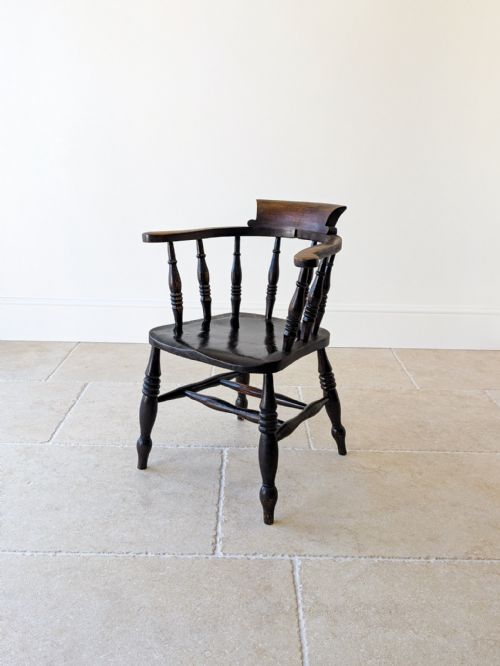
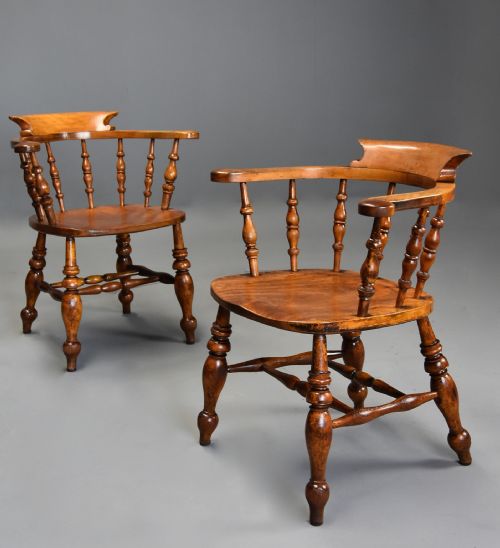
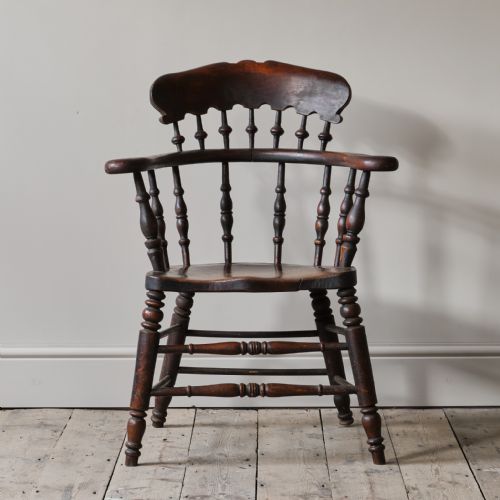
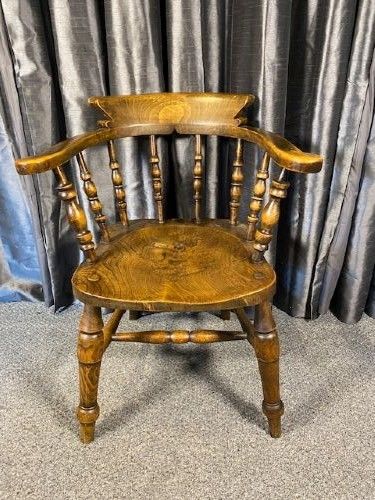
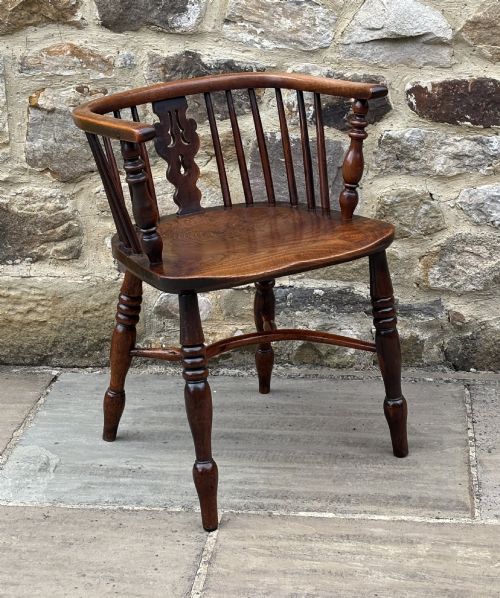
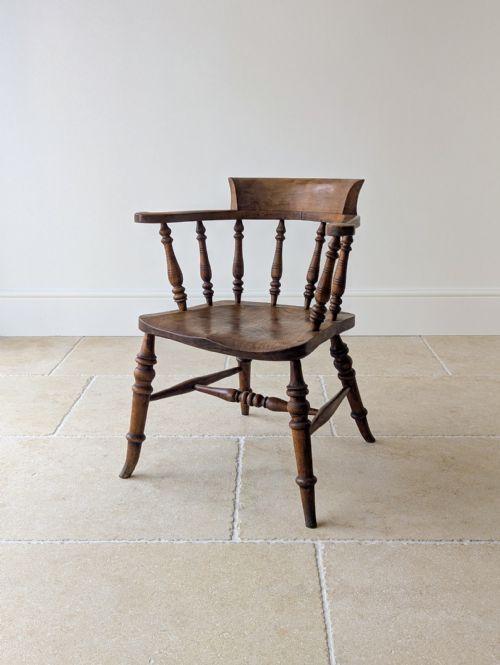
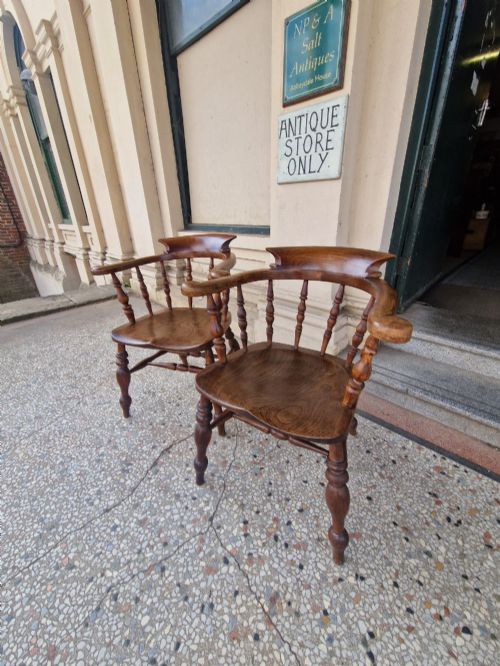
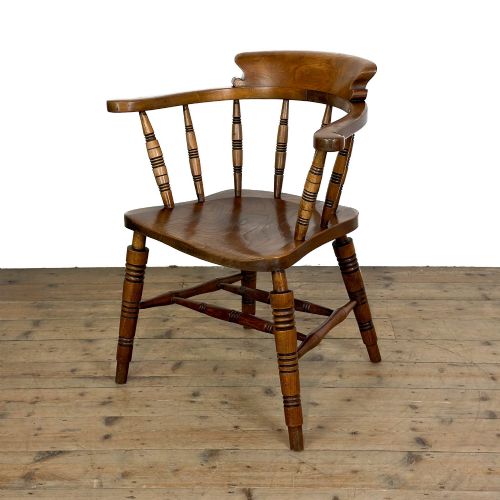
A Victorian smokers desk chair offers sturdy spindle-backed comfort built for long hours at a writing table.
Victorian Smokers Desk Chair
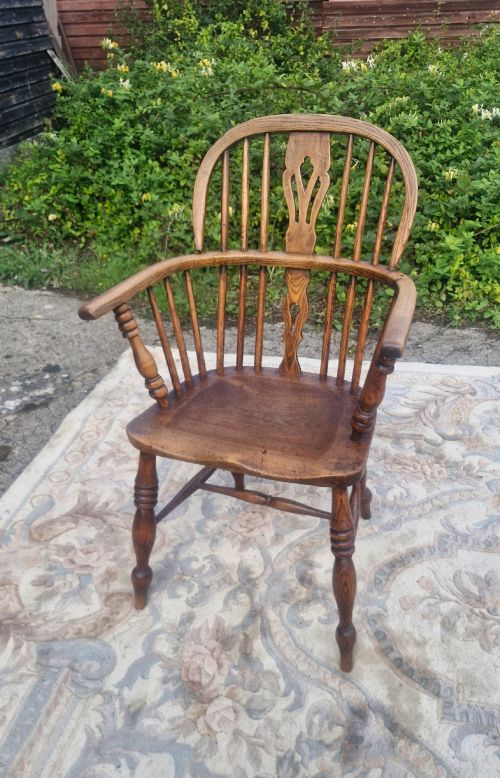
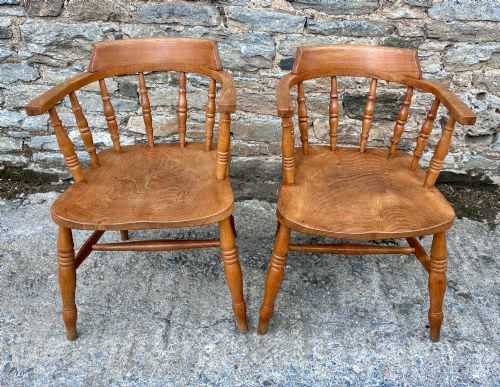
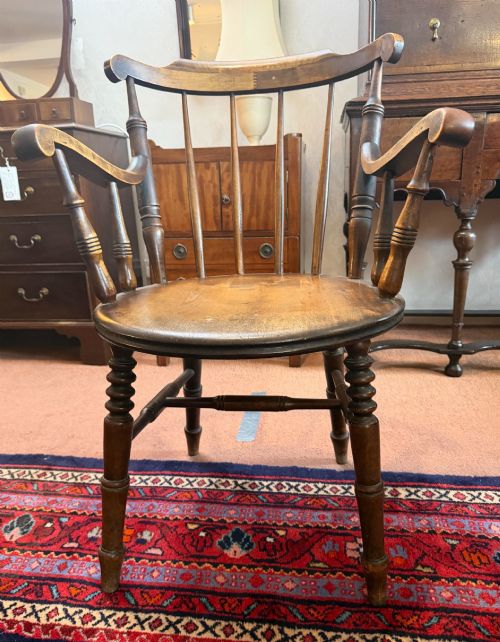
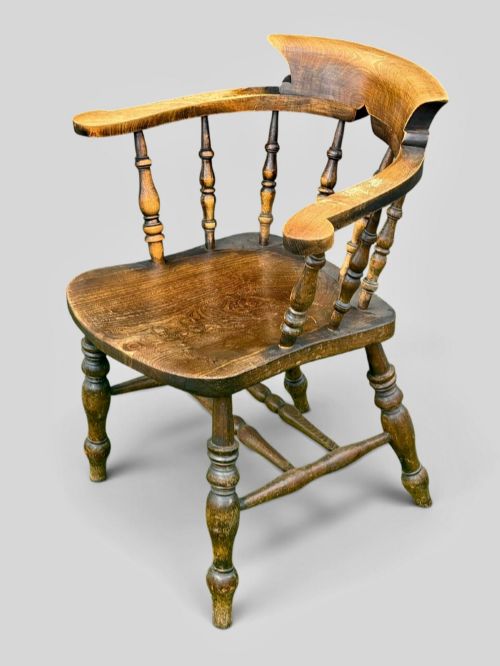
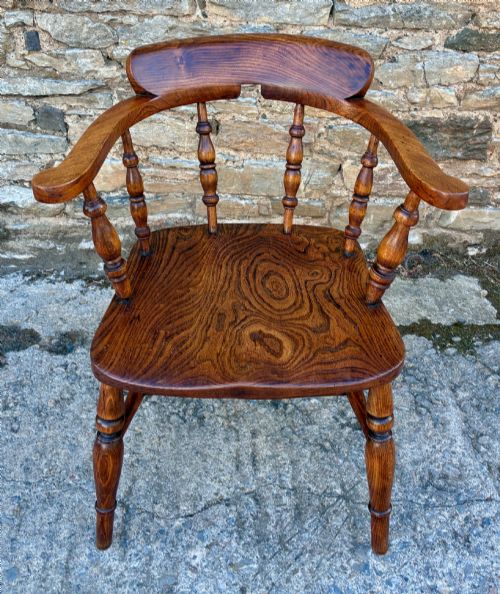
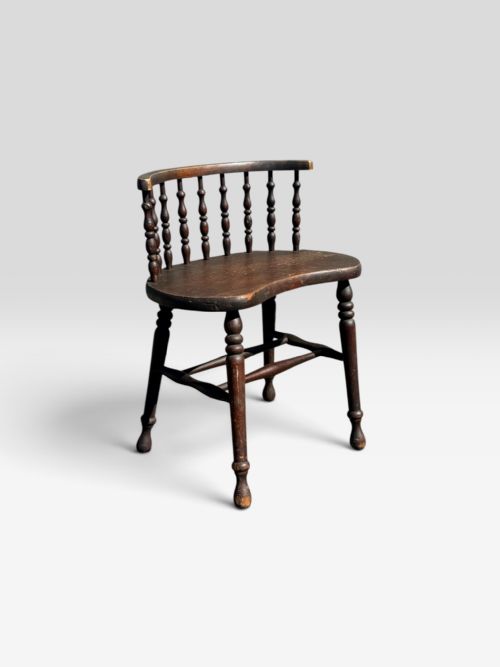
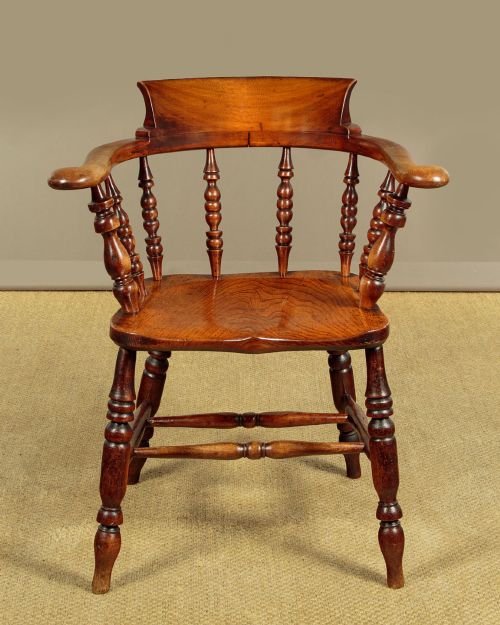
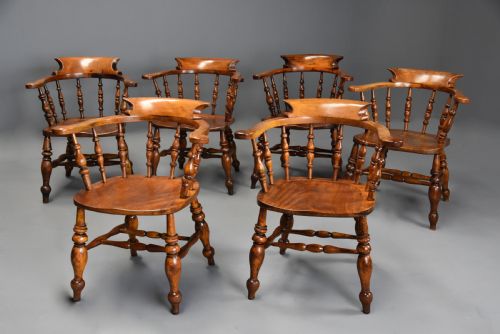
A victorian smokers desk chair brings together the robust forms of English country seating and nineteenth-century office furniture. Buyers searching this phrase meet low-backed Windsor variants, captain's chairs, and smoker's bows designed with generous armrests and rounded seats.
Most examples hail from the Victorian period, though Edwardian interpretations and pieces stretching back to eighteen-fifty appear regularly. These chairs served utility in studies, offices, and country houses before finding a place in modern writing rooms.
How they were made
Cabinetmakers built these frames primarily from native English timbers like elm, ash, beech, and oak, frequently combining woods within a single piece for seat and spindle strength. Yew and mahogany appear in select examples, alongside brass fittings and leather upholstery on executive desk variations.
Turned spindles, steam-bent backbows, and thick saddle-sculpted solid wood seats defined the construction method. This pegged and wedged joinery endured heavy daily use in offices and domestic studies without losing structural integrity.
Many a nineteenth-century smoker's chair bears the quiet scars of pipe-smokers leaning back to ponder affairs of state.
What varies in quality
The distinction between ordinary utility seating and superior examples rests upon the depth of the timber's grain and the crispness of the turning. Master chairmakers shaped seats from a single, thick plank of figured elm that displayed rich figuring and a deep patina.
Proportion and comfort dictate the upper tier, where steam-bent bows sweep gracefully without strain and spindle placement offers balanced support. Heavier scantlings and integrated leather pads elevate mahogany or oak office armchairs above standard provincial workshop output.
J.W. Read and Co
The Victorian Smokers Desk Chair Glossary
- Smoker's bow
- A low-backed Windsor armchair featuring a continuous curved wooden armrail supported by turned spindles.
- Captain's chair
- A sturdy wooden armchair with a round seat and low back, originally designed for shipboard or office use.
- Windsor chair
- A chair built with a solid wooden seat into which the legs and back spindles are directly bored and wedged.
- Patina
- The deep sheen and surface character acquired by wood over decades of handling and polishing.
- Scantling
- The dimensional thickness and gauge of timber components used to build the chair frame.
Victorian Smokers Desk Chair: Frequently Asked Questions
What is a smoker's bow chair?
A smoker's bow is a sturdy low-backed Windsor armchair featuring a continuous bentwood armrail supported by turned spindles. It emerged during the nineteenth century as a comfortable seat for studies, parlours, and offices.
These chairs combine the traditional construction methods of country Windsor seating with broader armrests suited for relaxed sitting. They share much in common with captain's chairs and office desk seating from the same era.
How do I use one at a modern desk?
Victorian office and desk chairs fit well beneath standard writing tables provided you check the height of the armrests against your desk drawer. Many examples offer deep, saddle-shaped wooden seats or leather upholstery that provide solid support for working hours.
Pairing an antique wooden chair with a modern workspace introduces tactile warmth and character. Ensure the seat height aligns comfortably with your legs before placing it into daily service.
How can I date an antique desk chair?
Dating relies upon examining the timber selection, turnings, and construction methods characteristic of the nineteenth century. Earlier pieces from eighteen-fifty often display hand-turned components and heavy elm seats, while late Victorian and Edwardian examples show subtle shifts in proportion and machine assistance.
Maker marks, where present, help pinpoint specific decades and workshops. Comparing the wood species, such as ash, elm, or mahogany, further contextualises the piece within its historical manufacturing period.
Which woods were used for these chairs?
English provincial makers relied heavily on native hardwoods like elm, ash, and beech to construct durable seating frames. Elm was prized for its interlocking grain that resisted splitting when carved into thick saddle seats.
More formal office models utilised mahogany or oak, occasionally paired with leather upholstery and brass hardware. Yew timber appears in select scarce pieces, offering striking grain patterns and rich natural colour.