



Victorian Slant Front Bureau
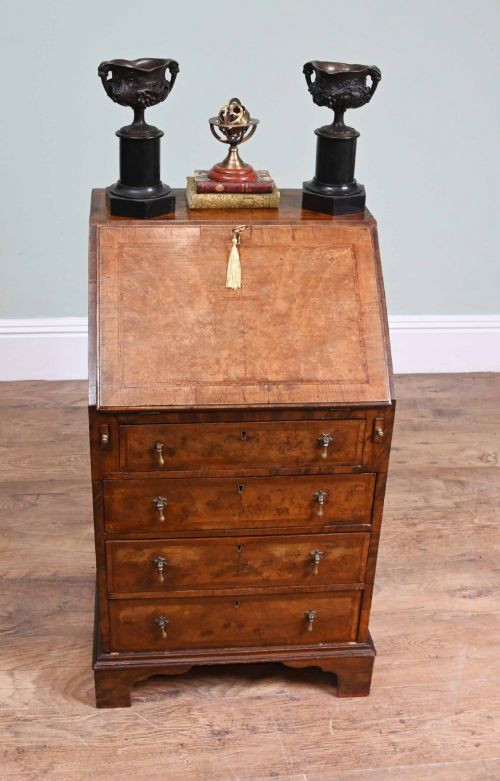
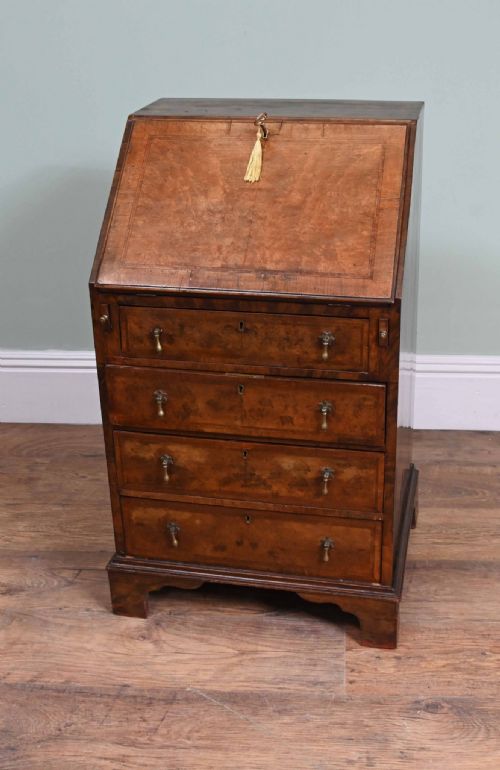
A victorian slant front bureau offers a hinged writing slope that opens to reveal fitted drawers and pigeonholes, combining practical workspace with enclosed storage in domestic rooms.
Victorian Slant Front Bureau
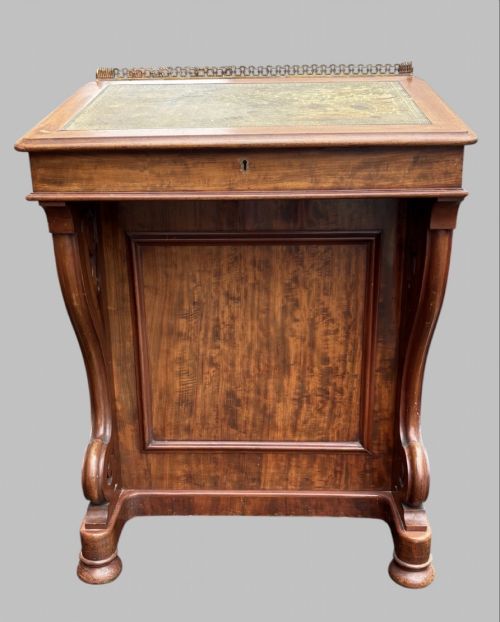
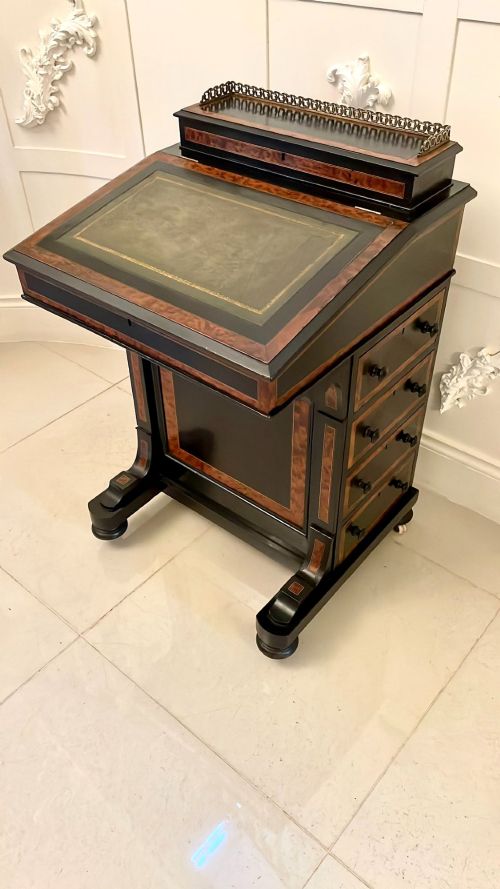
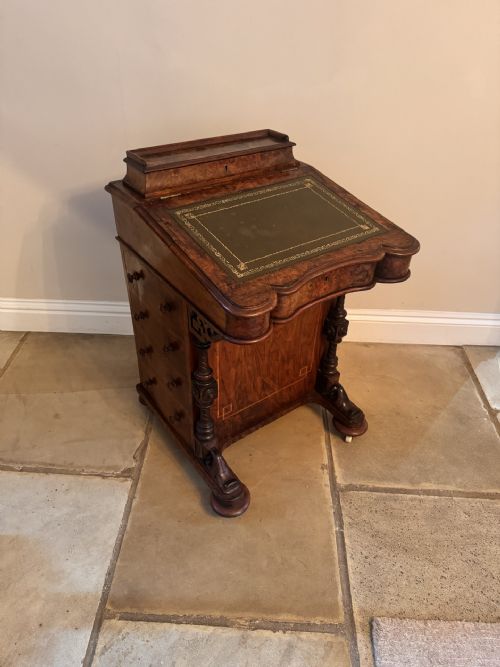
When searching for a victorian slant front bureau, a buyer encounters practical writing furniture designed primarily for domestic studies and reception rooms. These pieces originate predominantly from the nineteenth century, spanning periods from the eighteen-fifties through the eighteen-nineties, with occasional Edwardian examples.
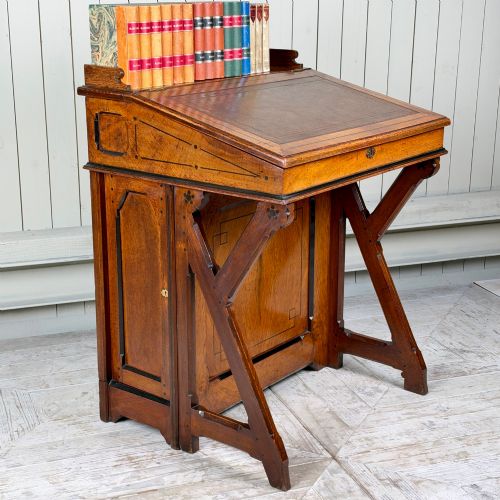
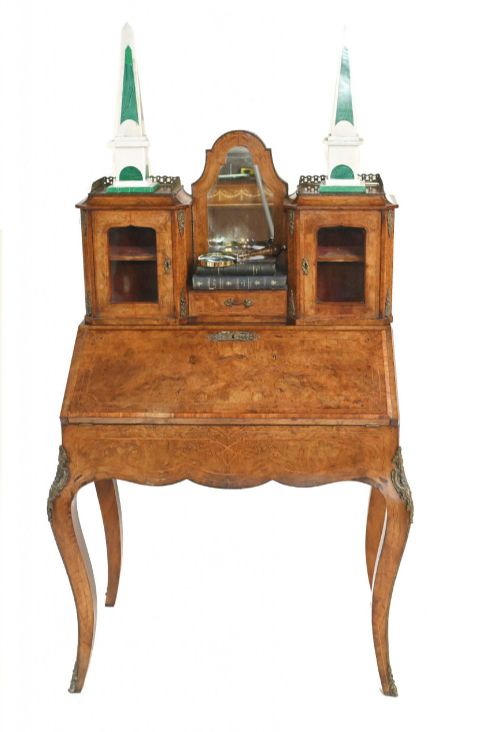
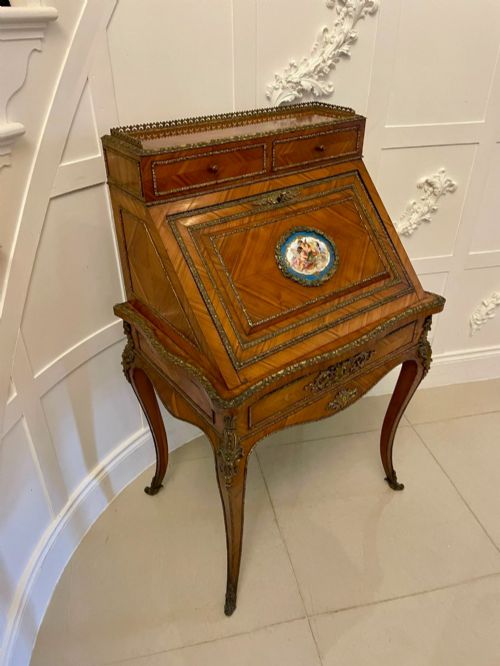
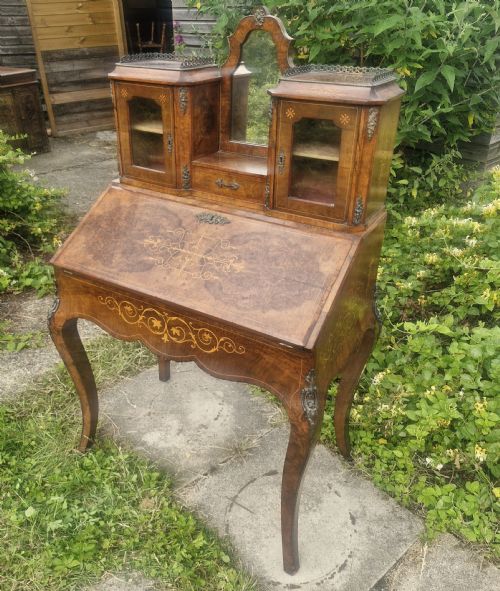
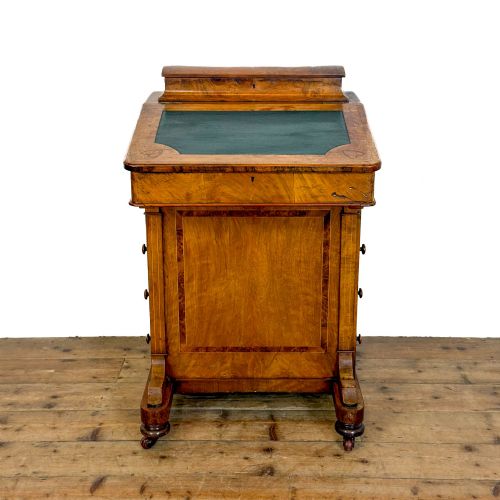
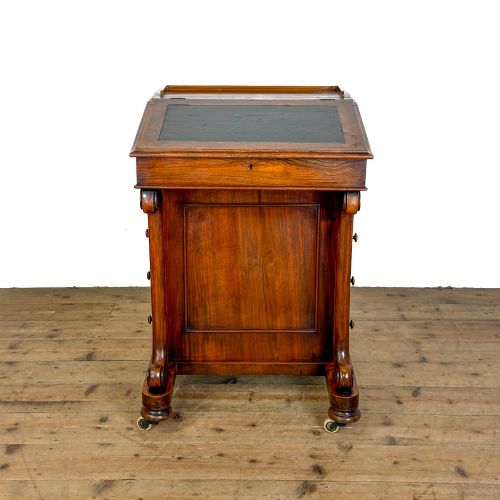
The form encompasses standard drop-front desks, compact davenports, bureau bookcases, and ladies' writing desks or bonheur du jour variants. Walnut and burr walnut dominate the selection, alongside mahogany, rosewood, kingwood, pollard oak, and teak.
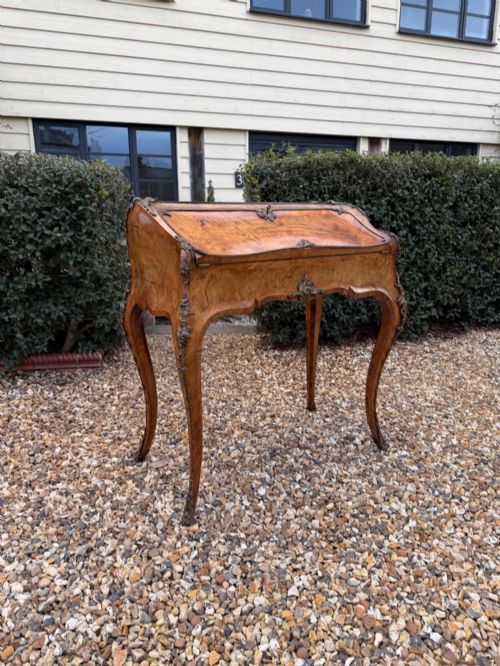
Stylistic influences range from straightforward Victorian cabinetmaking to French revival designs incorporating marquetry and ormolu mounts. Arts and crafts examples also appear, reflecting broader design shifts toward the close of the century.
How they were made
Cabinetmakers utilised dense hardwoods such as mahogany and walnut as structural timbers, frequently applying burr walnut or kingwood veneers to external surfaces for visual depth. Crossbanding and intricate marquetry in lighter woods decorate the writing slopes and drawer fronts on finer pieces.
Metal components play both functional and decorative roles, with brass hinges, handles, and locks securing the fitted interiors. Ormolu mounts appear on French revival forms, adding cast bronze ornamentation to the corners and borders of the cabinetwork.
Victorian Slant Front Bureau Retail Price Guide 2026
Typical asking prices for victorian slant front bureau among the pieces listed under this phrase on Sellingantiques today, from the lower quarter to the upper quarter. They describe what is for sale here now, not the wider market.
Listings feature periods spanning from the eighteen-fifties through the Edwardian era, with walnut and mahogany serving as the primary materials.
What varies in quality
The standard of a victorian slant front bureau depends heavily on the selection of timber veneers and the precision of the inlay work. Burr walnut figures with striking natural patterns distinguish superior examples from plain mahogany or faux finishes.
Internal arrangement and secondary cabinetry define the upper tier of production, particularly where fitted pigeonholes, small secret drawers, and leather-lined writing surfaces remain intact. Exhibition pieces from named makers demonstrate advanced joinery and integration of brass or ormolu hardware.
Gillows·Harris Lebus·Liberty of London·Morison of Edinburgh
The Victorian Slant Front Bureau Glossary
- Slant front bureau
- A desk featuring a hinged writing flap that slopes downward when closed and rests horizontally when opened to form a writing surface. This design conceals internal compartments for paper and stationery.
- Bonheur du jour
- A small, light ladies writing desk popular during the nineteenth century, often equipped with a small superstructure of drawers and shelves above the main writing surface. These pieces frequently incorporate extensive marquetry.
- Davenport
- A compact form of writing desk featuring a sloping desktop supported by a pedestal of drawers or a cabinet. The writing surface often slides forward for user comfort.
- Marquetry
- Decorative patterns formed by the insertion of pieces of wood, veneer, or other materials into a wooden base to create pictorial or geometric designs. This technique embellishes the exterior panels of finer desks.
- Ormolu
- Gilded bronze ornamentation applied to furniture, popular in French revival and exhibition pieces. The metal is cast and chased before receiving a gold finish.
Victorian Slant Front Bureau: Frequently Asked Questions
What is a slant front bureau?
A slant front bureau is a writing desk with a sloping hinged lid that opens forward to provide a flat writing surface. Inside, the desk contains small drawers and pigeonholes for organising correspondence.
These pieces served as functional household furniture for writing letters and managing personal accounts in nineteenth-century homes. The enclosed lid kept documents out of sight when not in use.
How do davenports differ from standard bureaux?
Davenports are smaller, more compact writing desks where the sloping top rests directly on top of a pedestal of drawers rather than standing on legs or a larger chest base. They were designed primarily for ladies in drawing rooms.
Standard bureaux generally provide a larger workspace and greater internal storage capacity. The davenport offers a space-saving alternative while maintaining the characteristic sloping writing flap.
What woods were commonly used?
Cabinetmakers relied heavily on walnut, burr walnut, and mahogany for the primary structure of these desks. Rosewood, kingwood, and pollard oak also appear frequently in the selection.
Finer examples often feature decorative veneers and marquetry inlay using contrasting timbers. Brass and leather provide supplementary materials for handles, locks, and writing surfaces.
How do I identify a Victorian piece?
Victorian furniture generally dates between eighteen thirty-seven and nineteen zero one, aligning with the reign of Queen Victoria. Construction methods, such as hand-cut dovetails and traditional timber framing, help indicate this era.
Stylistic cues include the use of burr walnut, heavy brass hardware, and revival styles such as French rococo or arts and crafts. Many pieces also carry specific period characteristics like crossbanded borders and fitted stationery compartments.