





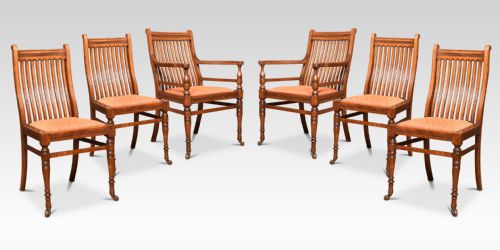


Victorian Single Chair
A victorian single chair offers flexible seating with period character, perfect for adding an authentic touch to a bedroom, hall or desk.
Victorian Single Chair
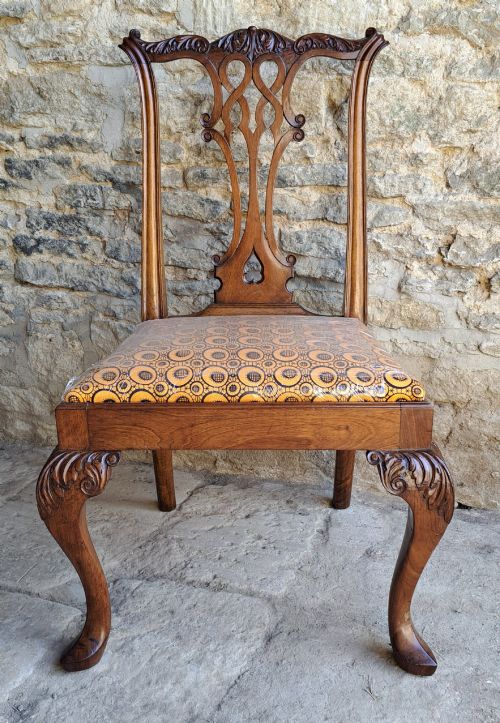
A victorian single chair encompasses diverse standalone seating options created during the nineteenth century, including side chairs, hall chairs and bedroom pieces designed for individual use rather than as fixed sets. These items frequently emerge in revival styles such as Chippendale and Gothic, reflecting the Victorian taste for historical forms adapted to domestic life.
The version most commonly encountered on this page is the wooden side chair or dining single, constructed from timbers like mahogany, oak, walnut or rosewood. Such pieces served practical functions in dining rooms and parlours, often featuring carved details or upholstered seats that distinguished them as secondary seating within a household.
What varies in quality
The refinement of the hand-carving and the choice of primary timber define the upper tier of these chairs, distinguishing simple utility items from ornate parlor or revival pieces. Dense hardwoods like Cuban mahogany and burr walnut indicate higher status production.
Structural robustness and the retention of original upholstery or rush seating determine the longevity and integrity of the piece. Subtle variations in joinery execution and the crispness of architectural or revival motifs separate standard regional work from finer urban craftsmanship.
Victorian Single Chair Retail Price Guide 2026
Typical asking prices for victorian single chair among the pieces listed under this phrase on Sellingantiques today, from the lower quarter to the upper quarter. They describe what is for sale here now, not the wider market.
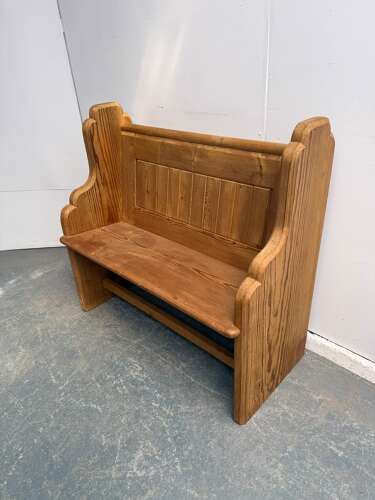
One church pew listed on the page brings a surprising slice of ecclesiastical architecture straight into a domestic hallway or seating arrangement.
James Shoolbread·Thomas Chippendale
The Victorian Single Chair Glossary
- Side chair
- A chair without arms, designed primarily for dining or general occasional use around a room.
- Hall chair
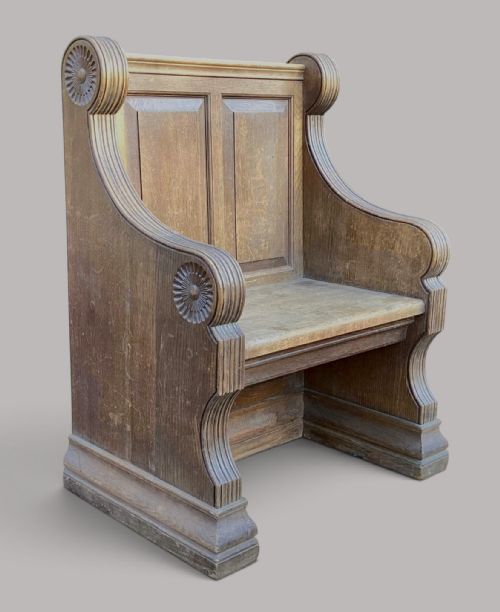
- A stiff wooden seat, often architectural or heavily carved, intended for an entrance hall rather than daily lounging.
- Carver
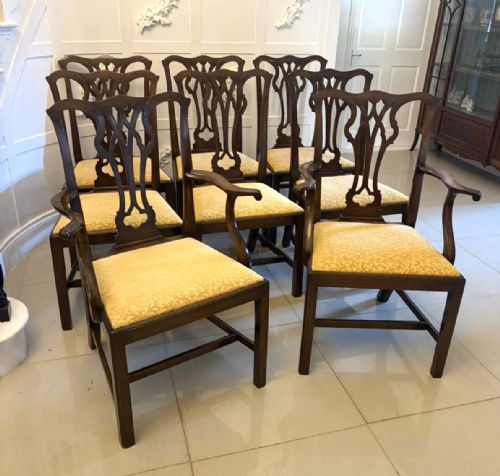
- An armchair, traditionally paired with a set of single chairs at the head of a dining table.
- Chippendale revival
- A nineteenth-century style imitating the mid-eighteenth-century designs of Thomas Chippendale, featuring carved mahogany and elaborate backsplats.
- Rush seat
- A seating surface woven from dried marsh grasses, commonly found on country farmhouse and rustic single chairs.
Victorian Single Chair: Frequently Asked Questions
How were they used historically?
These chairs served multiple practical roles in nineteenth-century homes, functioning as dining seats, hall furniture or occasional bedroom chairs.
They were moved around rooms as needed or placed against walls when not in active use during gatherings.
How do I identify a gothic revival chair?
Gothic revival chairs are typically constructed from solid oak and feature architectural elements inspired by medieval pointed arches and tracery.
Heavy carved details and solemn forms distinguish them from lighter mahogany dining or side chairs of the same era.
Are these chairs suitable for daily use?
Solid hardwood construction makes these nineteenth-century seats structurally durable for contemporary living when joints remain stable and sound.
Proper weight distribution and mindful placement ensure they function reliably as occasional seating in modern spaces.