




Victorian Silverware Set
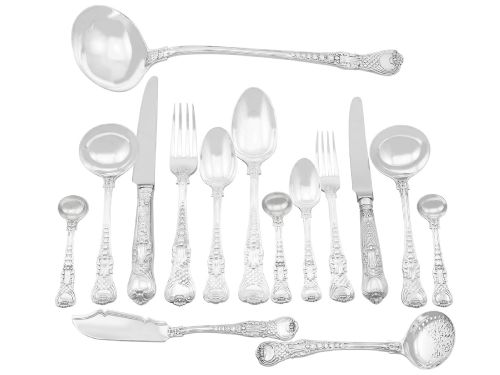
A victorian silverware set brings dining table presence, offering matching cutlery, canteens, and serving pieces formed in sterling silver.
Victorian Silverware Set
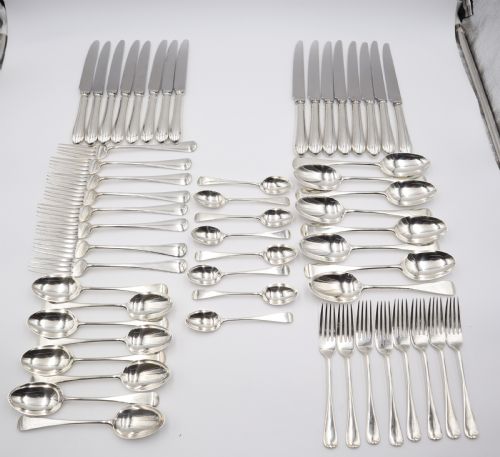
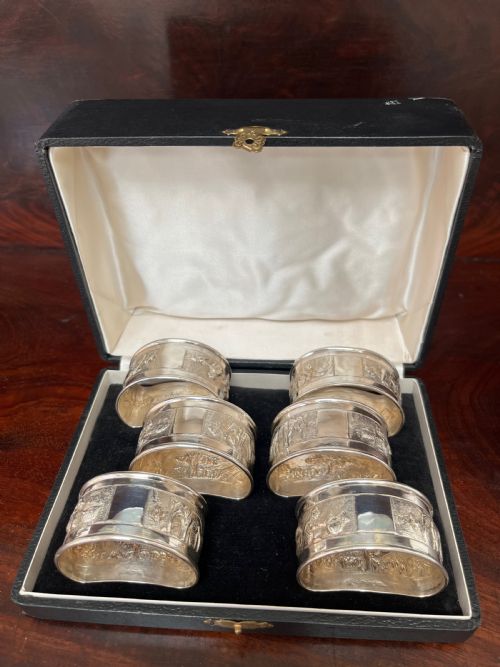
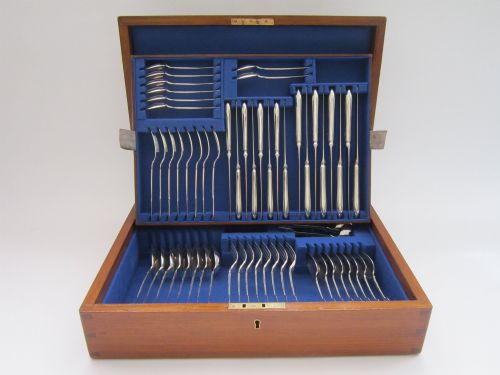
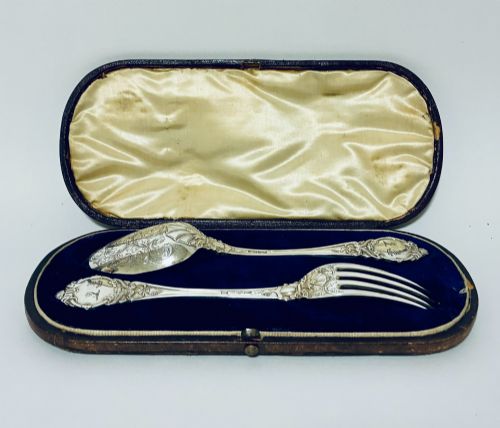
A victorian silverware set covers diverse table and service groupings, including canteens of fiddle pattern cutlery, boxed pepper pots, Christening sets, and specialised strawberry groups. You will most frequently meet complete or partial canteens alongside boxed pairs of salt cellars and napkin rings.
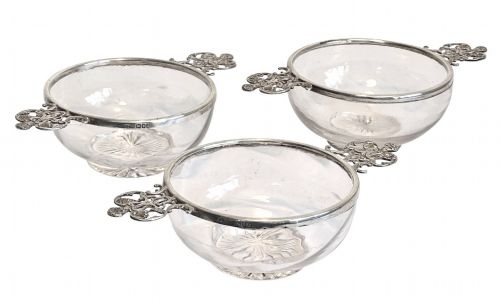
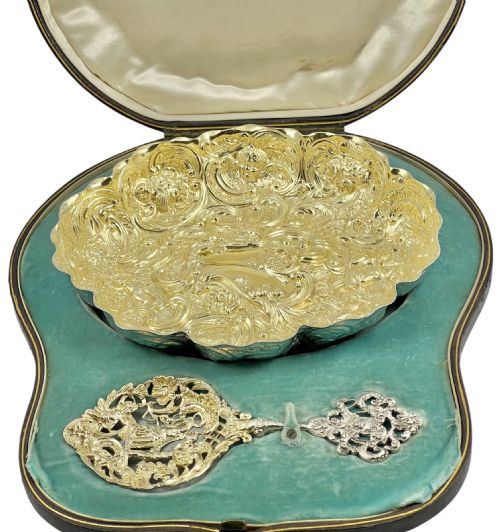
The objects span production across the nineteenth century, utilising sterling silver, silver gilt, and glass mounted with silver. Forms range from utilitarian flatware for twelve persons down to compact novelty baby peppers and communion chalices.
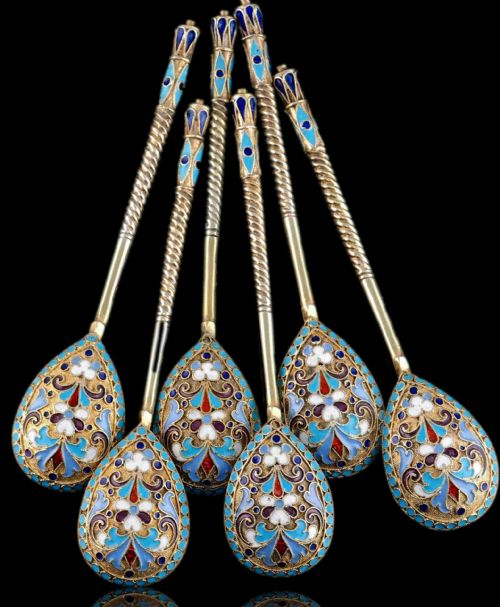
Regional and international influences emerge across the selection, encompassing domestic English manufacturing alongside Imperial Russian cloisonne enamel spoons and vodka cups. Each grouping reflects the formal dining and entertaining customs of its period.
Factors that distinguish quality
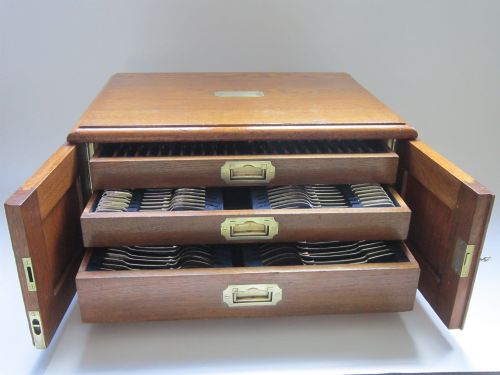
The integrity and completeness of fitted boxes separate standard utilitarian groupings from superior presentation canteens. Original matching velvet or silk linings and intact fitted compartments preserve the intended context of the silverware.
The precision of decoration, particularly in cloisonne enamel work or crisp hand-chased detail on salt cellars and spoons, distinguishes master silversmith output. Consistency across a full service for eight or twelve persons indicates a unified original commission rather than a later assembled grouping.
Novelty baby peppers bring a touch of miniature Victorian whimsy directly to the dining table.
William Comyns·Dmitrii Nikolaevich Nikolaev·Aleksandr Timofeyevich Shevyakov·Walter and John Barnard·Robert Stebbings·Vale Brothers and Sermon
The Victorian Silverware Set Glossary
- Sterling silver
- A silver alloy containing 92.5 percent pure silver and 7.5 percent other metals, typically copper, ensuring structural durability for tableware. This standard forms the base material for the majority of nineteenth-century canteens and hollowware.
- Fiddle pattern
- A traditional nineteenth-century flatware handle design featuring a distinctive shoulder shape resembling a fiddle. It remains one of the most common decorative styles found on Victorian dining cutlery.
- Silver gilt
- Silver objects coated with a thin layer of gold applied through chemical or electrochemical processes. This technique provides a rich golden interior surface to sugar bowls and spoons.
- Cloisonne
- An enamel decoration technique where thin metal wires are soldered to a silver base to create compartments filled with coloured glass paste and fired. Russian makers frequently utilised this method for spoon sets.
- Hollowware
- Tableware items such as bowls, pots, and cups possessing volume rather than flat profiles. These pieces utilise raised or spun sheet silver construction.
Victorian Silverware Set: Frequently Asked Questions
What is included in a victorian silverware set?
A victorian silverware set typically comprises matched groups of cutlery, serving spoons, sugar tongs, or condiment containers housed in fitted boxes. These collections range from small christening gifts to full canteens for twelve persons.
Fitted presentation cases often feature velvet or silk linings designed to protect the individual sterling silver pieces. Specialised groupings like strawberry sets or pepper pots also appear frequently.
How do I care for silver daily?
Regular gentle washing in warm soapy water using a soft cloth removes everyday residues without harming the metal. Dry the pieces thoroughly immediately afterward to prevent water spotting.
Avoid abrasive cleaners or harsh scouring pads that wear away fine hallmarks and chased details over time. Store items in dry environments away from direct sulfur sources.
Are these sets suitable for regular dining?
Solid sterling silver flatware and hollowware function perfectly well for everyday meals when handled with appropriate care. The durable metal construction was originally engineered for daily household use in nineteenth-century dining rooms.
Hand washing remains essential to protect against the harsh detergents and high heat found in modern dishwashers. Proper maintenance ensures the pieces endure for future generations.
How do I identify the age?
Hallmarks stamped directly onto the silver surface provide official confirmation of the assay office, standard, and specific year of production. These tiny stamped symbols represent the most reliable dating method available.
Stylistic indicators such as fiddle pattern handles or cloisonne enamel work also help narrow down the manufacturing decade. Comparing design motifs against known maker timelines confirms the historical period.