


Victorian Silver Vanity Jar
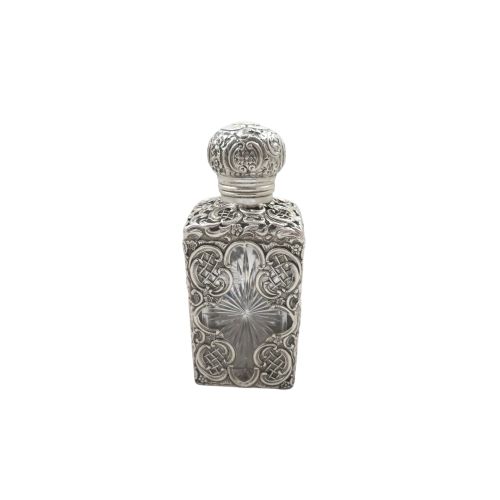
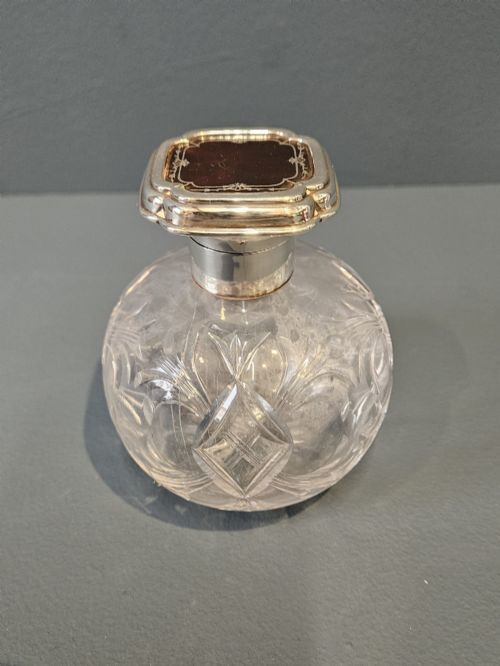
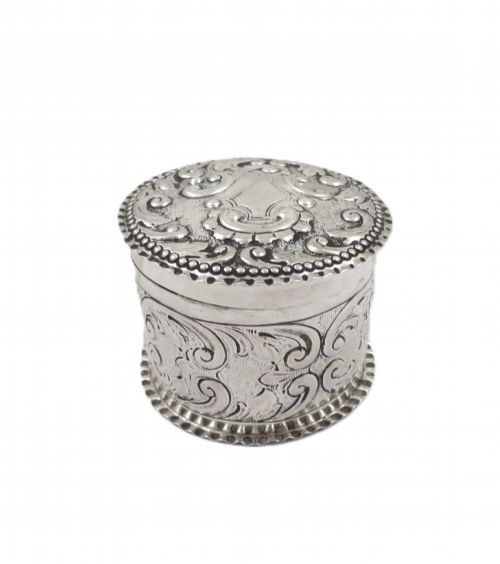
These pieces are a victorian silver vanity jar, prized for dressing table elegance and the combination of precious metal with cut glass.
Victorian Silver Vanity Jar
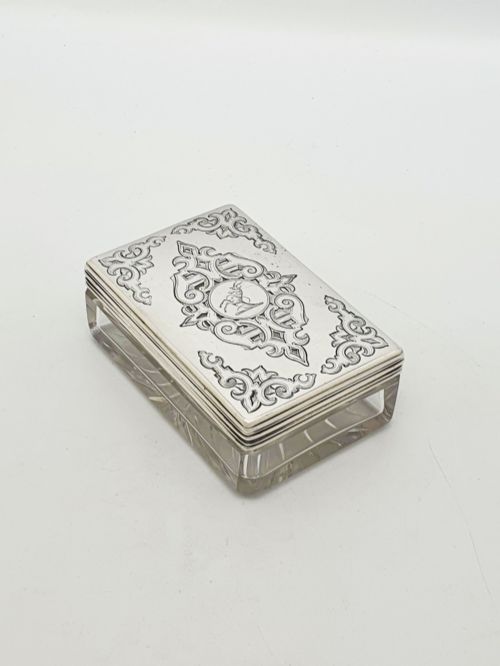
A victorian silver vanity jar brings together functional dressing table storage and decorative craft, appearing most often as a glass body topped with a solid silver lid.
These items span periods from the nineteenth century into the Edwardian era, alongside French Belle Epoque examples.
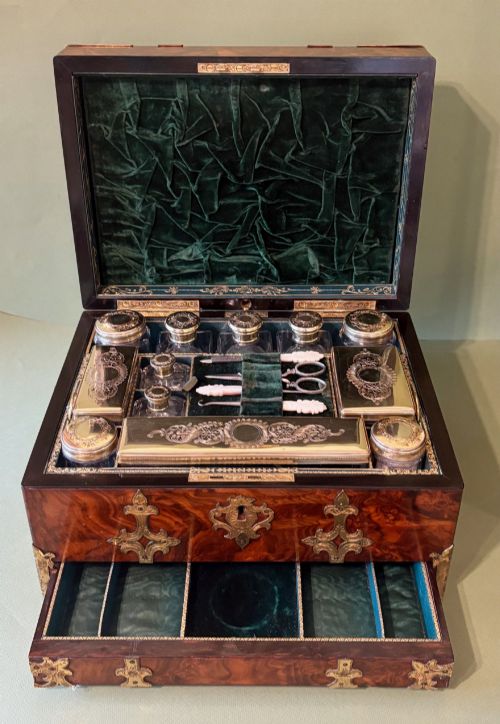
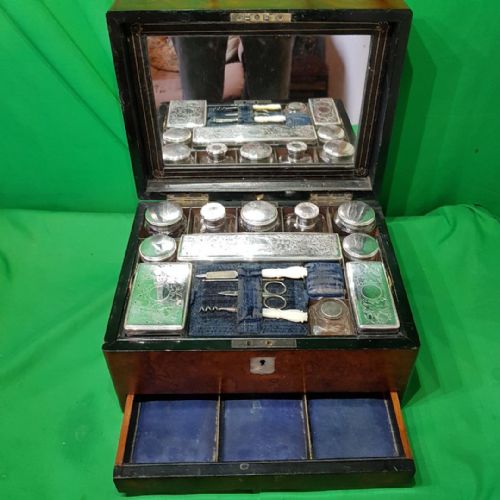
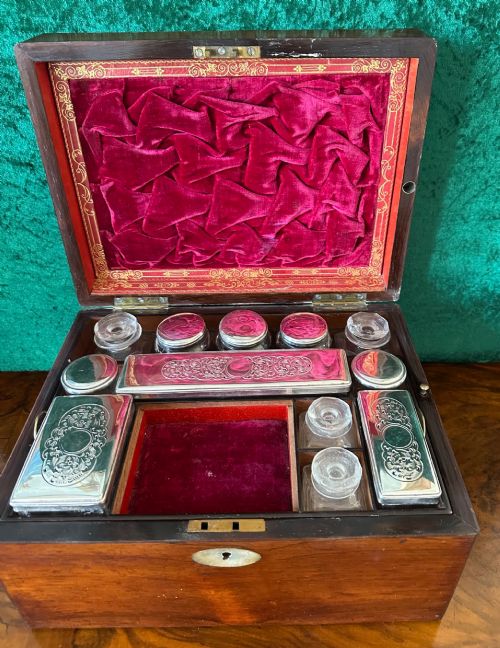
Forms range from tall jars and soap pots to scent bottles, trinket boxes and fitted travelling cases made of burr walnut, rosewood and brass-bound timber.
How they were made
Makers combined heavy cut glass, crystal and cranberry or amethyst coloured glass with sterling silver and silver plate, often pairing the metal with tortoiseshell, velvet, celluloid or brass.
Lids and mounts display detailed embossing, hallmarks and secure locking mechanisms suited to gentleman and ladies travelling sets.
The listings show materials including sterling silver, cut glass, tortoiseshell, velvet, burr walnut, rosewood and brass across Victorian and Edwardian periods.
What varies in quality
The distinction between tiers rests on the depth of the silver embossing, the clarity and weight of the cut glass body, and the integrity of internal fittings such as velvet linings and fitted wooden boxes.
Pieces bearing clear hallmarked dates and complete matching sets display a higher grade of craftsmanship than smaller, unmarked items.
The Victorian Silver Vanity Jar Glossary
- Hallmark
- Official stamps struck on precious metals indicating the standard of purity, the assay office, and the date of manufacture. These marks provide reliable provenance for dating items.
- Sterling silver
- An alloy consisting of pure silver and other metals, usually copper, to increase durability. It forms the primary metal component for high-grade jar lids and mounts.
- Cut glass
- Glass decorated by cutting facets or patterns into the surface using a wheel. This technique creates the heavy, refractive bodies seen on dressing table jars.
- Vanity jar
- A covered container used on a dressing table for cosmetics, creams or pins. They form a central part of nineteenth-century dressing sets.
Victorian Silver Vanity Jar: Frequently Asked Questions
What is a victorian silver vanity jar used for?
These vessels held powders, creams, scents or pins upon dressing tables in nineteenth-century bedrooms. They formed part of larger travelling and dressing sets utilised for personal grooming.
Today they serve as decorative tabletop containers or secure storage for small trinkets and jewellery items.
How do I date a silver vanity jar?
Dating relies primarily upon the hallmarks stamped into the silver lids or mounts, which indicate the assay office and year of manufacture. Stylistic indicators like cut glass patterns and associated materials provide secondary clues.
Periods span from the early Victorian decades through the Edwardian era and French Belle Epoque.
Are these jars part of larger sets?
Many examples originate from fitted travelling cases, dressing boxes or larger vanity sets containing multiple glass bottles and brushes. These containers were built from timbers such as burr walnut and rosewood.
Individual jars also appear separately as dressing table accessories.
What glass colours are typical?
Clear cut glass and crystal dominate the material record, allowing the contents or internal patterns to show through. Coloured glass variants, including cranberry and amethyst shades, appear in specific scent bottles and jars.
Some pieces incorporate tortoiseshell or silver plate atop the glass body.