

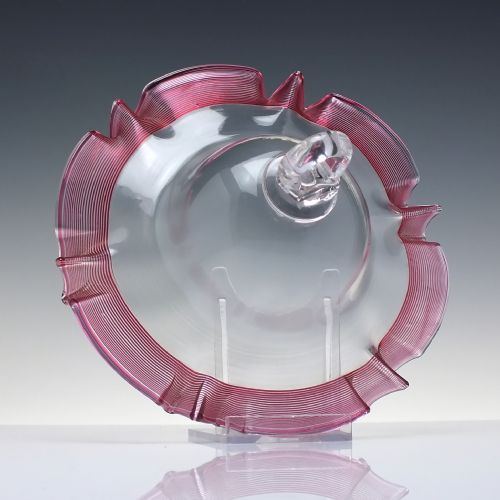


Victorian Dressing Table Jar
A victorian dressing table jar sits on the dressing board to hold small trinkets, pins, and cosmetics with period elegance.
Victorian Dressing Table Jar
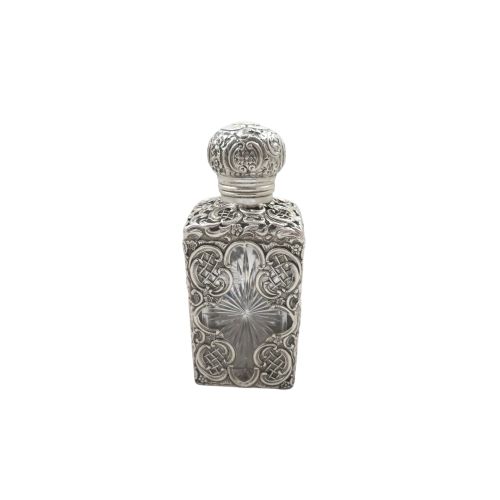
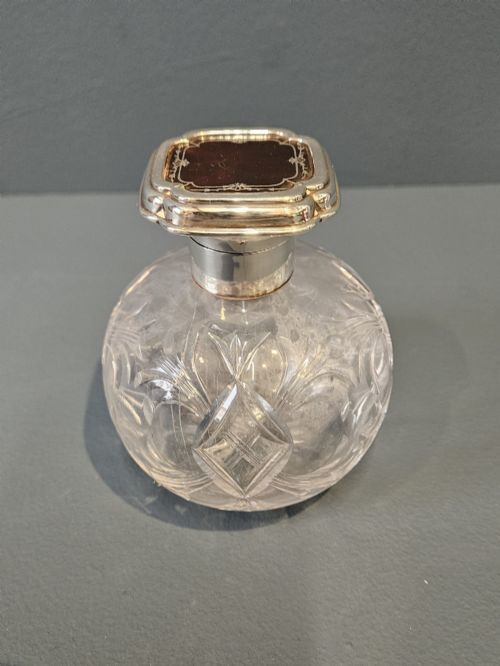
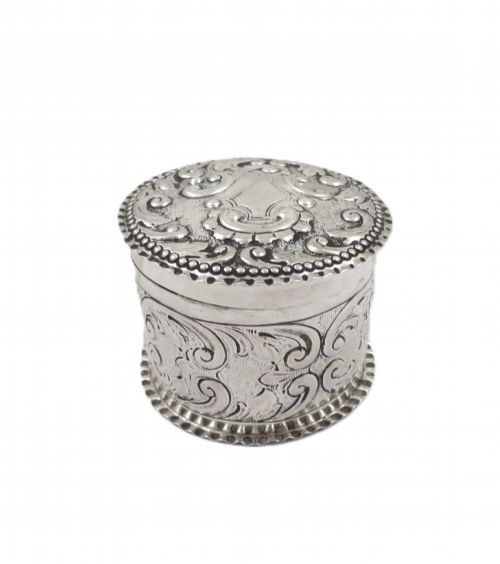
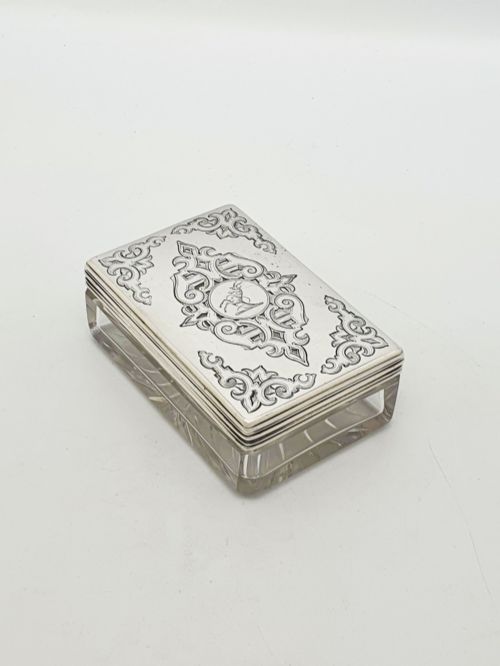
A victorian dressing table jar serves as a container for vanity accessories, taking the form of small pots, scent bottles, and trinket boxes. The pieces appearing most frequently on this page combine cut glass or crystal bodies with fitted metal lids, primarily sterling silver.
The materials span clear cut glass, cranberry glass, Bristol blue, amethyst glass, and porcelain, alongside mounted metals including brass and silver. Origins stretch across Victorian England, the Edwardian era, and nineteenth century France.
Materials and Construction
Glass bodies are shaped through heavy cutting, moulding, and occasionally coloured with cranberry or Bristol blue pigments. Enamel decoration, tortoise shell panels, and porcelain forms also appear across the selection.
Metal components, particularly sterling silver and brass, are forged into lids, collars, and mounts that fit the glass vessels. Silversmiths applied hallmarks and decorative chasing to the metal tops.
Listings feature glass, sterling silver, porcelain, brass, and enamel across Victorian, Edwardian, and nineteenth century French origins.
Distinctions in Standard
Quality rests on the depth of the glass cutting, the weight of the silver mounts, and the integration between lid and vessel. Thicker cut glass with crisp facets and solid silver tops distinguish the finer specimens.
The inclusion of specific coloured glass, such as cranberry or Bristol blue, alongside hand-painted enamel or fitted tortoise shell, separates standard containers from more decorative vanity accessories.
Thomas Ingleton·Jenner and Knewstub·Royal Worcester
The Victorian Dressing Table Jar Glossary
- Sterling Silver
- A silver alloy containing 92.5 percent pure silver by mass, frequently used for the lids and collars of these jars.
- Cut Glass
- Glass shaped and patterned by abrasive wheels, creating light-reflecting facets across the body of the container.
- Hallmark
- An official stamp applied by an assay office to indicate the metal purity, origin city, and year of manufacture.
- Trinket Box
- A small lidded container designed to hold jewellery and small personal items on a dressing table.
Victorian Dressing Table Jar: Frequently Asked Questions
What did they put in these jars?
These jars held cosmetics, pins, trinkets, and small personal items used during daily dressing routines.
They sat upon dressing tables alongside scent bottles and vanity boxes as functional items of the bedroom.
How do I date a silver topped jar?
Dating relies primarily on the assay office hallmarks stamped into the silver lids and mounts.
Letter stamps and city marks indicate the specific year and location where the metal was tested and certified.
Are all the glass jars cut glass?
The selection includes heavily cut crystal alongside smooth coloured glass, porcelain, and enamelled vessels.
Colours such as cranberry, Bristol blue, and green appear alongside traditional clear glass bodies.
How should I clean the silver mounts?
Silver mounts require gentle polishing with a soft cloth designed for precious metals.
Care must be taken to avoid abrasive cleaners coming into contact with the glass or enamel surfaces.