



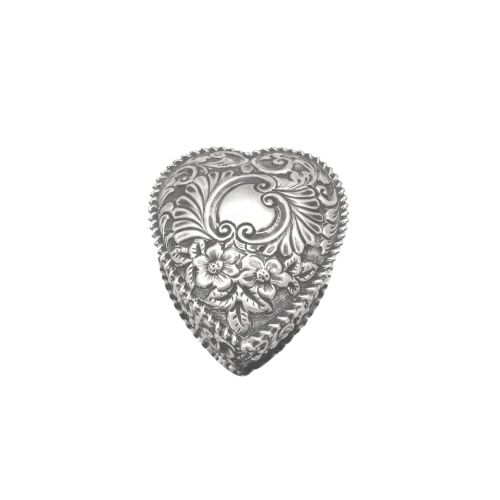
Victorian Silver Dressing Box
A victorian silver dressing box is a fitted receptacle for personal vanity items, combining precious metalwork with glass or wood to hold a lady or gentleman's daily requisites.
Victorian Silver Dressing Box
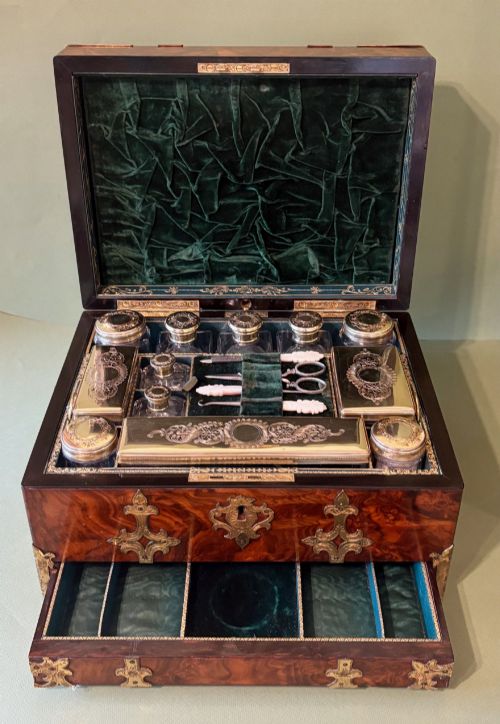
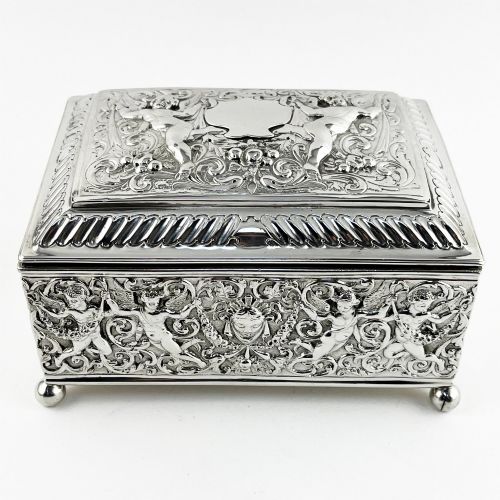
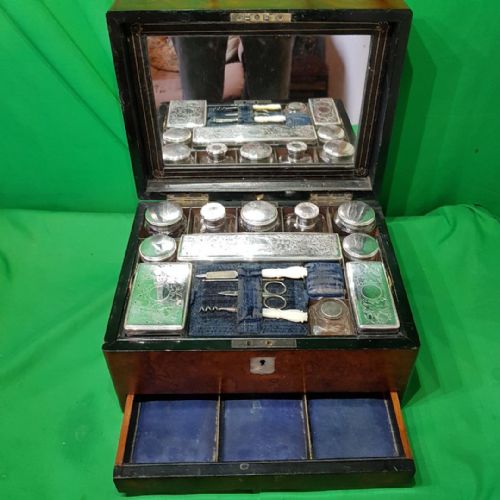
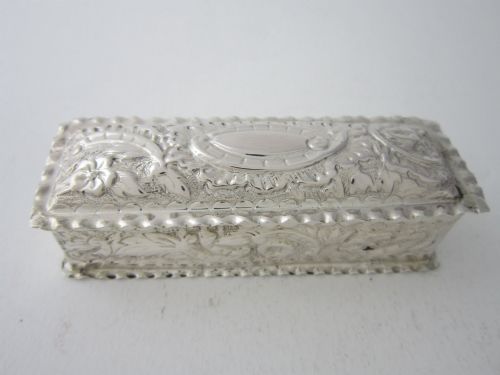
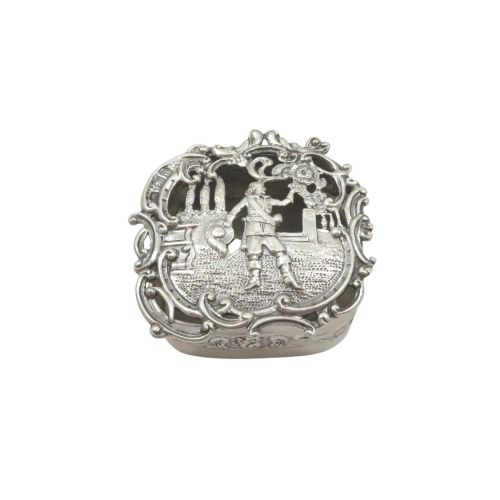
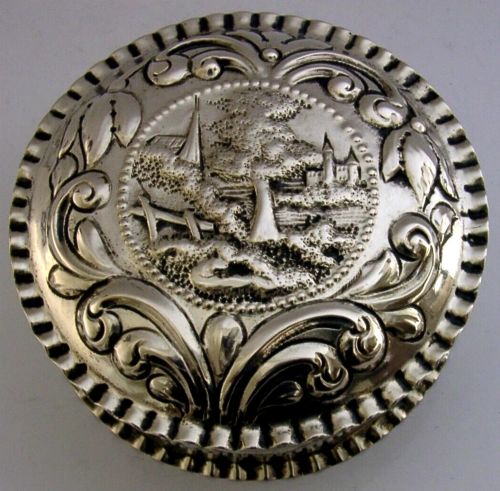
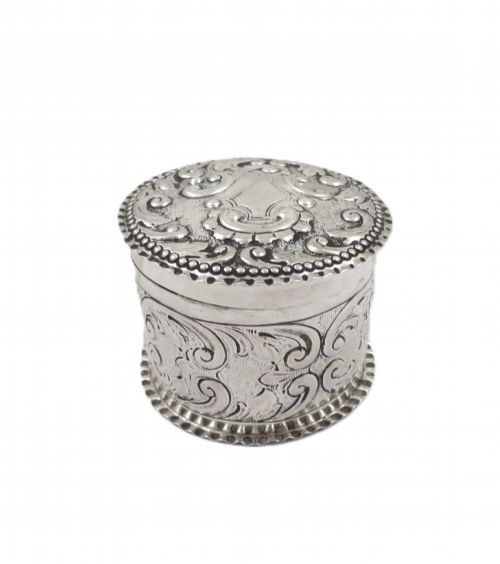
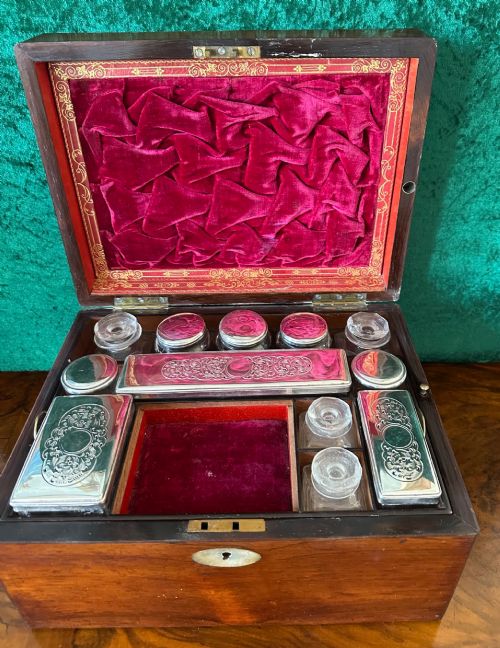
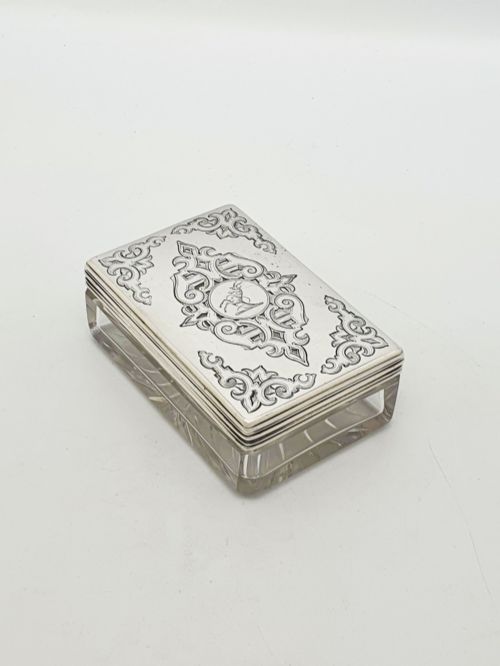
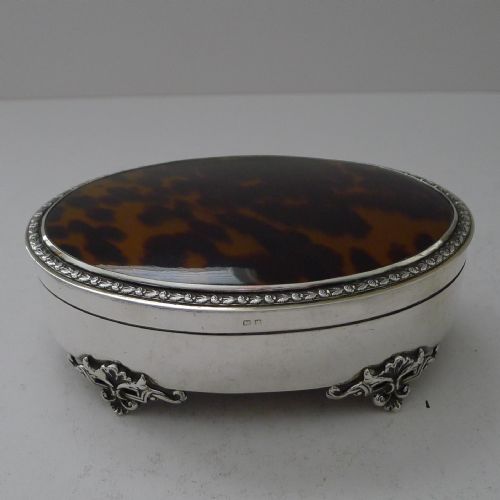
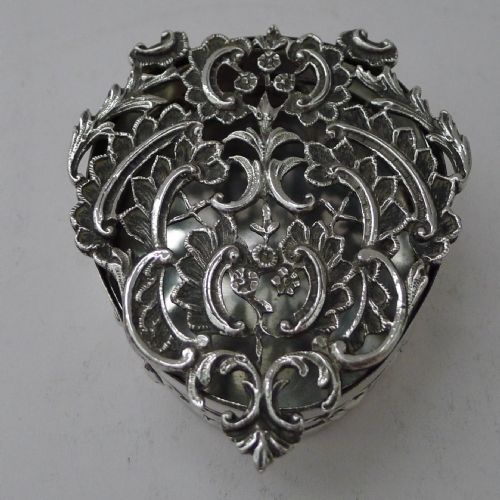
A victorian silver dressing box encompasses a range of containers designed for the dressing table or for travel, taking forms from small heart-shaped trinket pots to large fitted cases in mahogany, burr walnut, and coromandel. These items appear most frequently as sterling silver lidded boxes, cut glass vanity jars with silver mounts, and substantial jewellery caskets lined in velvet.
The objects span the nineteenth century and into the Edwardian era, showing stylistic shifts from plain Victorian utility to ornate Rococo Revival repoussé work and flowing Art Nouveau contours. Buyers encounter both stationary table boxes and portable travelling cases equipped with crystal bottles and compartmented trays.
Materials and technique
The fabrication relies upon sterling silver combined with natural substrates such as tortoiseshell, mother of pearl, ivory, and exotic hardwoods like coromandel and burr walnut. Metal components utilise techniques of casting, piercing, and repoussé hammering to create raised decorative motifs including cherub faces and floral scrolls.
Glass elements depend upon heavy moulding and intricate hand-cutting to form the faceted bodies of vanity jars and powder pots, which are then capped with hallmarked silver lids. Leather and brass appear alongside velvet and celluloid in the internal fittings of portable travelling cases.
Listings feature sterling silver, cut glass, burr walnut, and coromandel across Victorian and Edwardian periods.
Assessing quality
Quality rests upon the weight and gauge of the sterling silver, the depth and crispness of the chased or cast ornamentation, and the integrity of the internal fittings. Maker attribution to distinguished workshops elevates a piece above standard unmarked production.
The choice of foundation material dictates distinction, with dense exotic timbers like coromandel and burr walnut representing higher manufacture than plain mahogany or basic plated metals. Intact original glass bottles, complete velvet linings, and working brass locks also separate superior examples from incomplete survivors.
William Comyns·William Hutton·Jane Brownett Alexander Jones
The Victorian Silver Dressing Box Glossary
- Repoussé
- Metalworking technique where the silver is hammered from the reverse side to form raised decorative reliefs on the lid or body. This method allows for complex pictorial scenes and floral motifs.
- Hallmark
- Official stamp applied to silver items indicating purity, assay office, and date of manufacture. These small punches authenticate the metal standard.
- Coromandel
- A dense, heavily figured dark timber imported from Asia used for high-end Victorian box construction. It provides a striking contrast against bright silver mounts.
- Casket
- A large, often heavily decorated box intended for jewellery or precious keepsakes rather than travel. They feature substantial hinged lids and velvet interiors.
- Trinket box
- A smaller receptacle designed specifically for rings, pins, and small personal ornaments. These frequently incorporate shaped glass bases with silver tops.
Victorian Silver Dressing Box: Frequently Asked Questions
What is the difference between a dressing box and a jewellery box?
A dressing box traditionally contains fitted compartments for bottles, brushes, and vanity items intended for grooming. A jewellery box focuses exclusively on storage for precious ornaments and gems.
Many examples blur this distinction by combining internal trays for rings with spaces for glass jars.
How do I care for the velvet and leather interiors?
Velvet and leather linings require dry conditions and protection from direct sunlight to prevent fading and deterioration. Gentle dusting with a soft brush helps maintain the fabric.
Moisture damages the underlying wood foundations, so liquids must be kept away from antique interiors.
Are cut glass bottles removable from the boxes?
Most glass jars and scent bottles lift directly out of their velvet or wooden slots within travelling cases. This allows for easy cleaning and independent use.
Fixed compartments are more common in stationary table boxes where the glass sits permanently inside silver-rimmed apertures.
How can I date a silver dressing box?
The hallmarks stamped on the silver components provide the most accurate date through assigned assay office letters and date marks. Stylistic clues like Art Nouveau curves or Victorian Gothic elements also indicate the period.
Timber choice and construction methods help confirm the era when silver marks are absent or rubbed.
Did gentlemen use dressing boxes too?
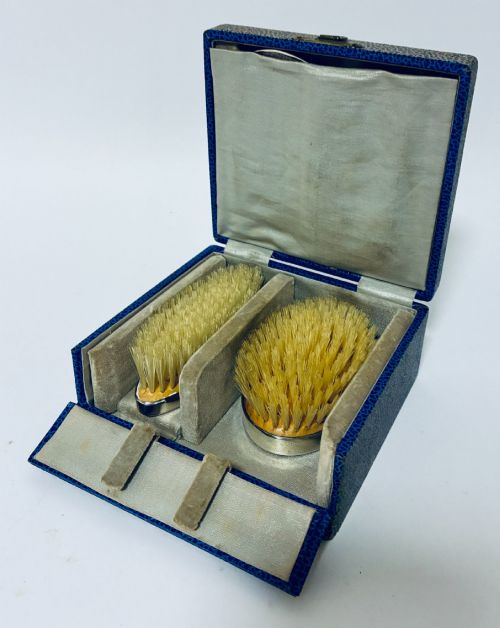
Gentlemen's travelling vanity sets and boxes were widely produced, housing items like shaving brushes, razors, and collar studs. These pieces generally utilised mahogany, leather, or plain silver without floral repoussé work.
Internal layouts accommodated folding mirrors and specialised receptacles for grooming gear.