



Victorian Silver Tea Spoon
A victorian silver tea spoon brings the solid weight and precise craft of nineteenth-century dining tables directly into daily use.
Victorian Silver Tea Spoon
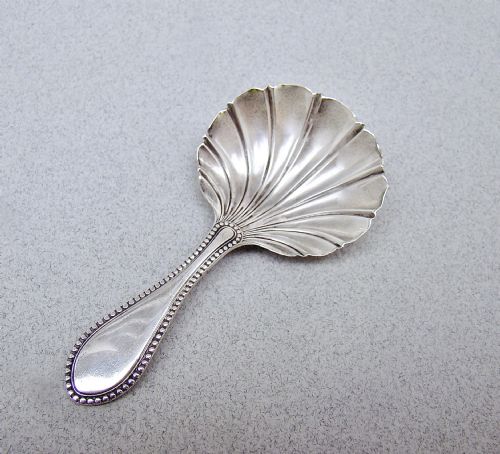
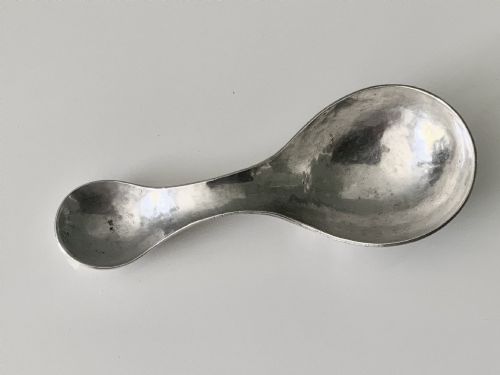
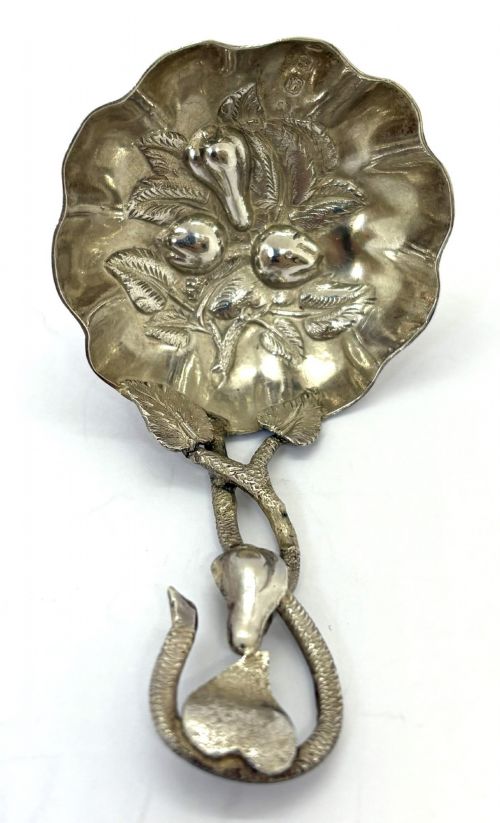
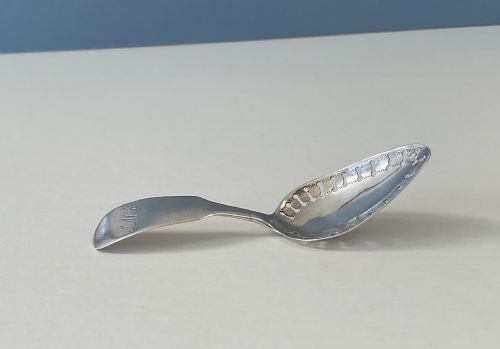
When searching for a victorian silver tea spoon, collectors encounter single examples alongside matched sets intended for formal hospitality. These items range from plain utilitarian teaspoons to highly decorative caddy spoons designed specifically for measuring dried leaves from storage vessels.
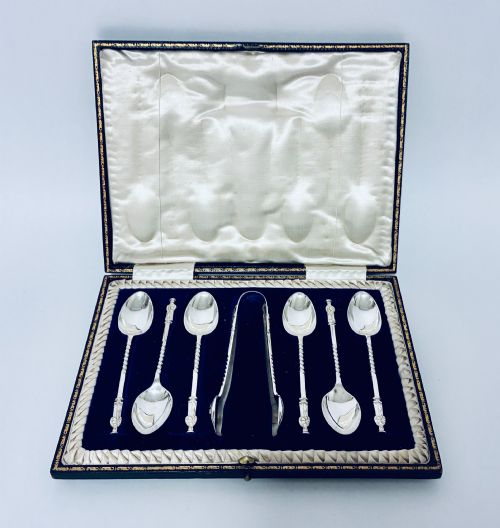
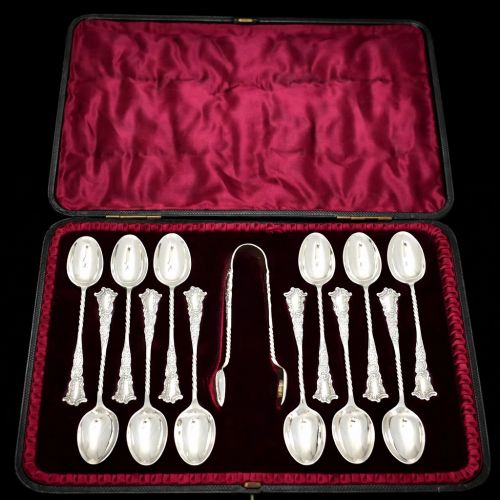
The most common form on this page is the individual or grouped teaspoon originating from the nineteenth century, often found accompanied by sugar tongs or housed within fitted presentation cases lined with silk or velvet. Specialised variants such as mote spoons, strainers, and novelty figural designs also appear among the standard flatware.
Originating largely from major English assay offices in London, Birmingham, Sheffield, and Exeter, these utensils reflect the industrial output and domestic habits of the period. Makers utilised established regional marks to guarantee silver purity and trace the production workshop.
Materials and construction
Silversmiths constructed these pieces predominantly from sterling silver, shaping the metal through casting, hammering, and drawing techniques. Some luxury examples received a thin layer of gold wash, known as silver-gilt, applied to the interior bowls or decorative surfaces.
Handle ornamentation was achieved through techniques such as bright-cut engraving, die-stamping for standard patterns like Fiddle, Thread and Shell, or meticulous hand-chasing for floral and vine motifs. Specialised items occasionally incorporated enamel work or were paired with fitted leatherette cases featuring velvet interiors.
Tea enthusiasts can measure their leaves using a miniature silver jockey's cap.
Distinguishing quality
The distinction between standard utility flatware and superior examples rests upon the depth of the metalwork and the crispness of the chased or engraved ornamentation. Superior spoons display high-relief detailing on motifs like grapevines or apostle figures rather than shallow, stamped impressions.
Completeness and original provenance significantly elevate a piece, particularly when spoons remain in their original fitted presentation cases alongside matching sugar tongs or strainers. Furthermore, clear, fully struck hallmarks from provincial assay offices add historical interest for specialised collectors.
Martin Hall & Co·Mappin & Webb·George Unite·Charles Boyton·Robert Pringle & Sons
The Victorian Silver Tea Spoon Glossary
- Assay office
- An official body charged with testing the purity of precious metals and stamping them with hallmark symbols. These offices provide definitive geographical and chronological markers for antique silver.
- Caddy spoon
- A short-handled spoon specifically designed for scooping loose tea leaves from a caddy into a pot. They frequently feature wide, shallow bowls shaped like shells, leaves, or jockey caps.
- Bright-cut engraving
- A surface decoration technique utilising faceted angled cuts to create sparkling reflections on the silver. This method was widely applied to nineteenth-century flatware handles and bowls.
- Silver-gilt
- Sterling silver that has been coated with a thin layer of gold through an electrochemical or fire-gilding process. This finish protected the underlying metal from tarnishing and added a rich dual-tone appearance.
Victorian Silver Tea Spoon: Frequently Asked Questions
How do I identify a Victorian silver tea spoon?
Examination of the reverse of the handle reveals stamped hallmarks that indicate the assay office, the standard of silver purity, and a date letter corresponding to the year of manufacture. Stylistic indicators such as fiddle-pattern stems or floral engraving further confirm nineteenth-century origins.
Matching these marks against historical registers allows collectors to pinpoint the exact workshop and decade of production, separating true period items from later reproductions.
Can I use antique silver spoons every day?
Solid sterling silver items are robust enough for daily dining provided they receive proper care and gentle hand washing. Avoiding harsh abrasive cleaners preserves the delicate engraving and original surface patination accumulated over generations.
Storing pieces in lined boxes or anti-tarnish rolls prevents unnecessary scratching and reduces the frequency of polishing required to maintain their finish.
Why are some spoons gold washed?
The application of a gold wash, or silver-gilt, to the bowl of a spoon provided a protective barrier against the corrosive tannic acids found in tea. This technique prevented the silver from staining and added an element of visual luxury to the tableware.
Such treatment is commonly observed on specialty spoons, caddy scoops, and dessert sets intended for formal entertaining.