


Victorian Silver Spoon Set
A victorian silver spoon set brings refined nineteenth-century dining and gift-giving traditions directly to the modern table.
Victorian Silver Spoon Set
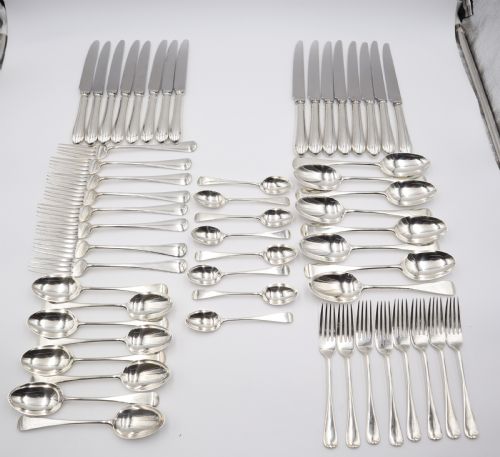
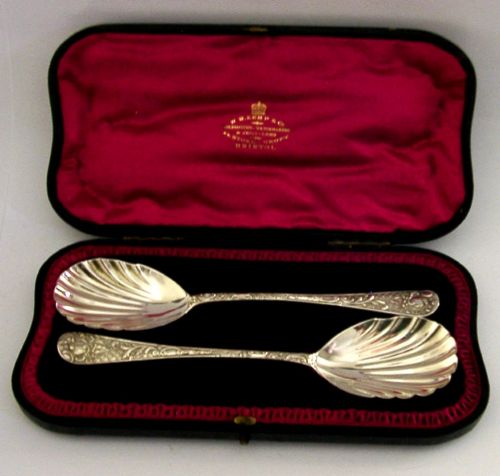
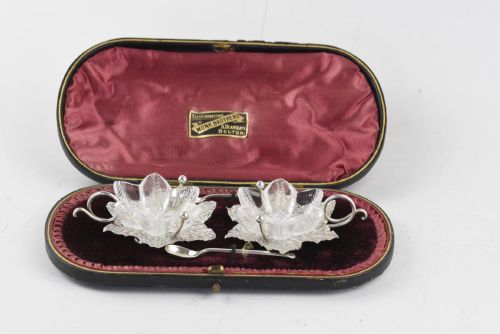
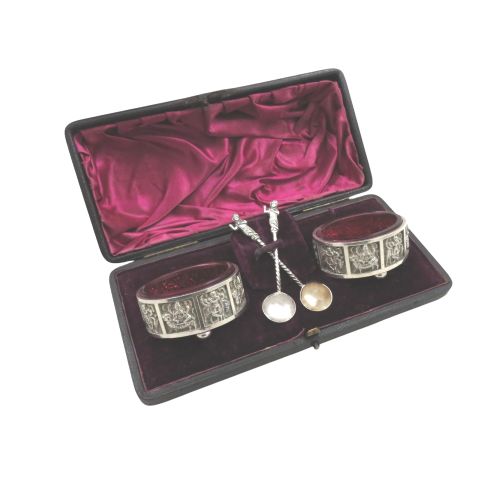
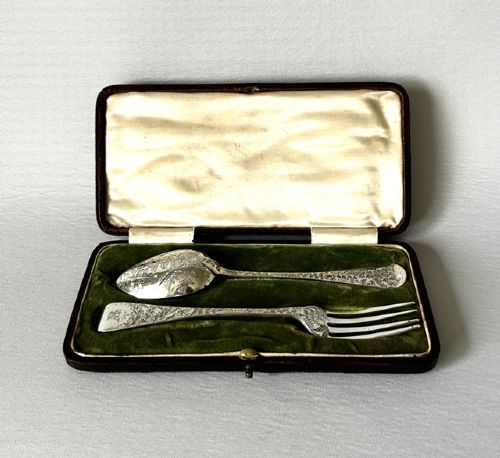
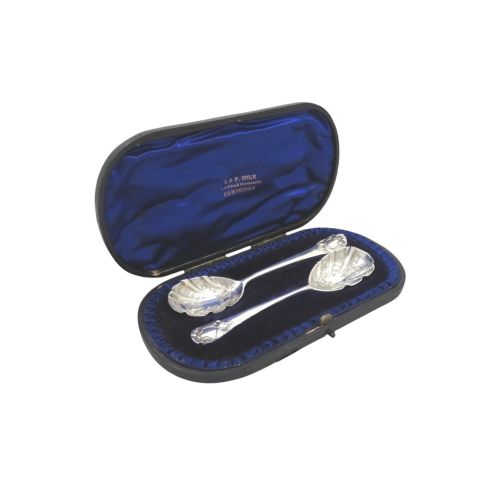
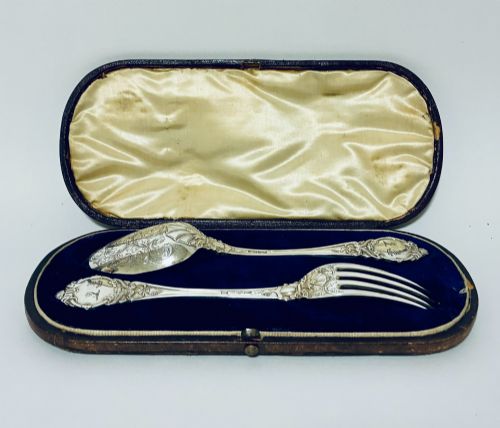
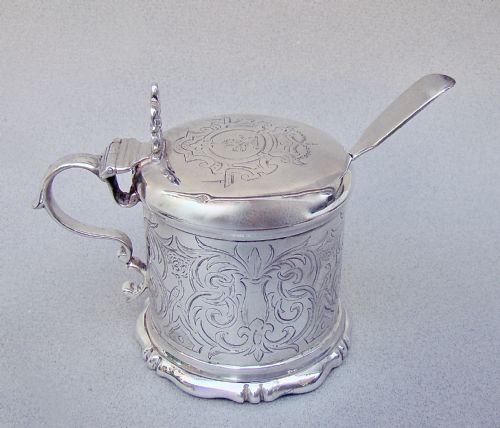
A victorian silver spoon set encompasses everything from cased christening presents and berry spoons to elaborate salt cellars with matched ladles, reflecting the diverse dining habits of the nineteenth century.
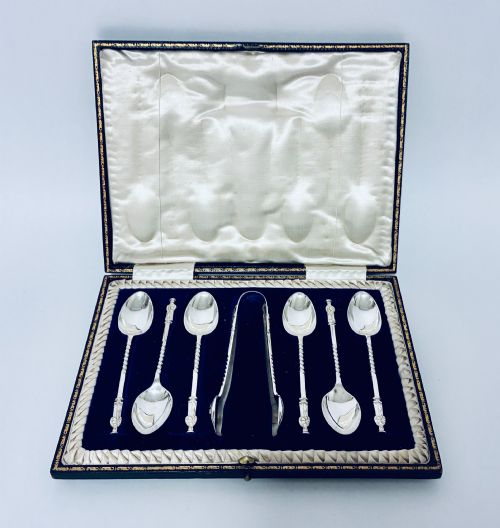
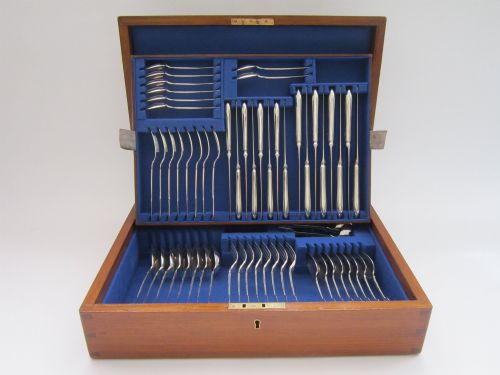
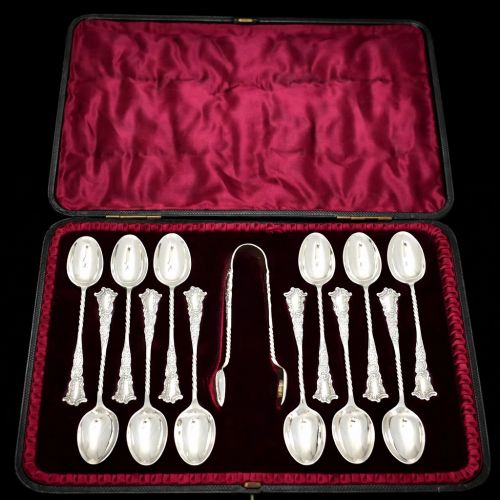
Buyers frequently encounter fitted presentation cases lined with silk or velvet, housing teaspoons, sugar tongs, or serving pieces meant for special occasions.
The selections range from simple fiddle pattern flatware intended for daily household dining to heavily embossed apostle and berry spoons created for formal display.
Materials and Construction
Silversmiths primarily utilised sterling silver, supplemented by silver plate and rich accents of gold gilt, to fashion these durable and decorative utensils.
Many sets incorporate delicate interior elements such as cobalt and blue glass liners within openwork salt cellars, alongside fitted leatherette cases lined with satin.
Decoration relied on deep chasing, ornate engraving, and casting techniques, occasionally paired with naturalistic leaf motifs and cloisonné enamel.
Some nineteenth-century salt cellars were cleverly shaped to mimic miniature cauldrons and tiny birds.
Distinctions in Craftsmanship
Quality depends heavily on the crispness of the chasing and the depth of the hand-engraving on the spoon bowls and handles, which distinguishes mass-produced items from master silversmith work.
The integrity of the original presentation box, including intact silk linings and working clasps, elevates the desirability of cased sets significantly.
Substantial weight in the metal and the presence of matching hallmarks across every individual spoon and accessory demonstrate superior workshop origin.
Charles and George Fox·Dmitrii Nikolaevich Nikolaev·Elizabeth Eaton·Francis Higgins·George Unite·Chawner and Co·Elkington
The Victorian Silver Spoon Set Glossary
- Sterling Silver
- An alloy containing ninety-two point five percent silver by mass, ensuring the durability required for functional antique cutlery.
- Berry Spoon
- A large serving spoon featuring fruit-embossed or chased bowls, frequently gilt and produced for nineteenth-century dessert courses.
- Apostle Spoon
- A spoon decorated with the figure of an apostle or saint on the terminal, highly favoured for commemorative presentation sets.
- Fiddle Pattern
- A nineteenth-century flatware handle design widening symmetrically toward a squared-off end, resembling the body of a stringed instrument.
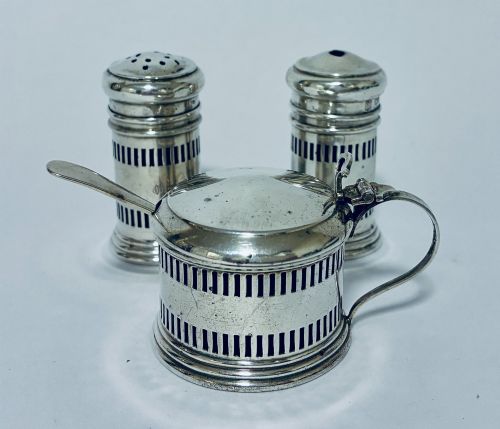
- Cruet Set
- A matched assembly of condiment containers, often including mustard pots and salt cellars accompanied by dedicated small spoons.
Victorian Silver Spoon Set: Frequently Asked Questions
How were silver spoon sets originally used?
These sets served specific functions during formal Victorian meals, ranging from individual condiment service to elaborate dessert and christening presentations.
Many remained stored in velvet-lined cases until summoned for special family gatherings or gifted to mark major life milestones.
Are cased sets intended for display or dining?
Most cased sets were manufactured for presentation and safe storage rather than everyday kitchen utility, protecting the delicate silver gilt and glass components.
Owners today frequently continue this tradition by keeping them in fitted boxes while occasionally utilising them for festive occasions.
How do I identify a Victorian period set?
Examination of the metal often reveals official assay office hallmarks stamped directly into the sterling silver, denoting specific towns and manufacturing dates.
Stylistic cues such as Aesthetic Movement engraving or heavy Rococo Revival casting further help anchor the pieces to the nineteenth century.
What care do antique silver spoons require?
Gentle cleaning with appropriate silver polish prevents tarnish buildup without wearing away the delicate hand-engraved details and gilt finishes.
Storage in anti-tarnish cloth or original velvet-lined cases protects the soft metal from unnecessary scratching and environmental moisture.