



Victorian Silver Salt Cellar Spoon
These Victorian silver salt cellar spoon examples bring miniature craftsmanship and dining heritage directly to your table.
Victorian Silver Salt Cellar Spoon
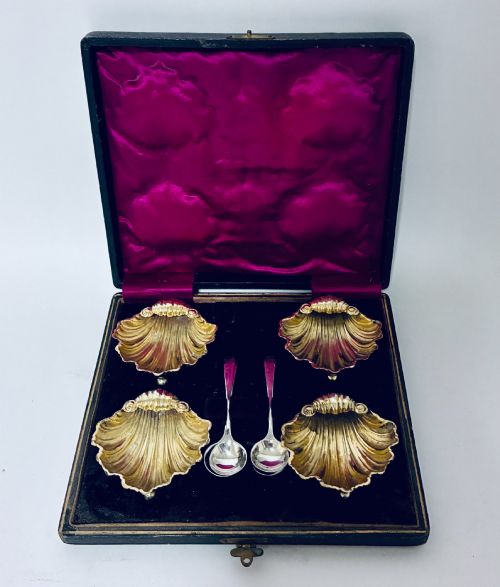
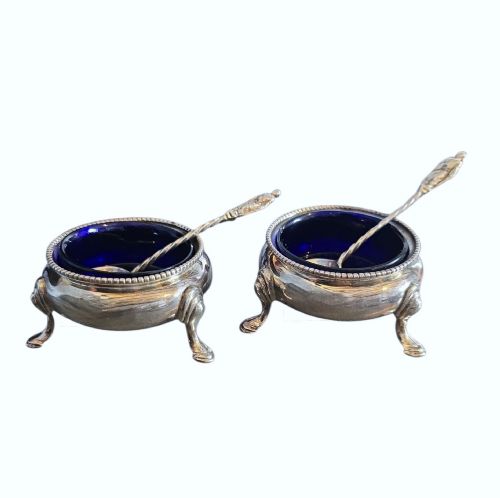
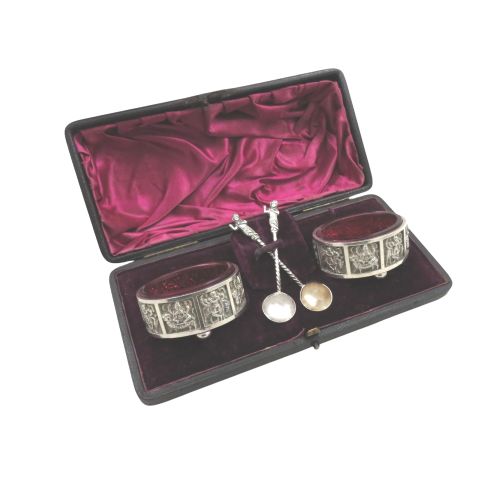
A victorian silver salt cellar spoon is a small implement designed to transfer seasoning from an open cellar to a dinner plate. Buyers seeking these items encounter a variety of forms, including matched pairs and cased sets accompanied by blue glass liners.
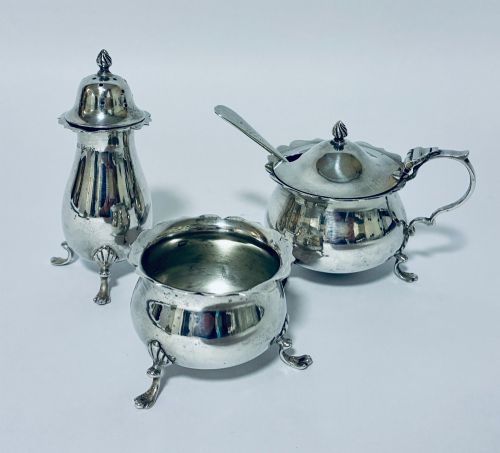
The objects span periods from the early nineteenth century into the twentieth, taking shapes such as shells, cauldrons, boats, and novelty bird or swan designs. They appear alongside larger condiment sets, cruet frames, and mustard pots.
Most pieces date from the Victorian era, incorporating regional British hallmarking alongside occasional Russian and French continental work. They reflect formal dining traditions where individual open salts demanded dedicated small utensils.
Materials and construction methods
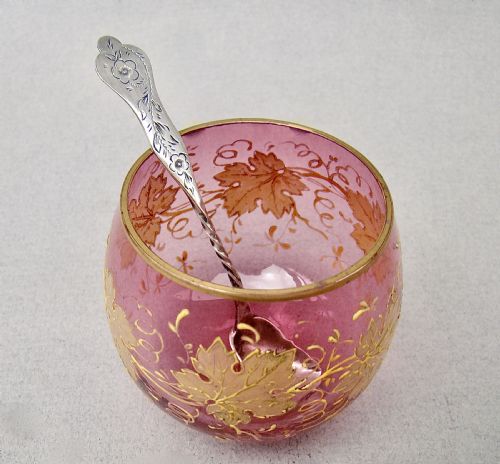
Makers utilised sterling silver and silver gilt, frequently pairing metalwork with contrasting interiors of cobalt and cranberry glass. Some examples incorporate velvet and silk within fitted presentation boxes.
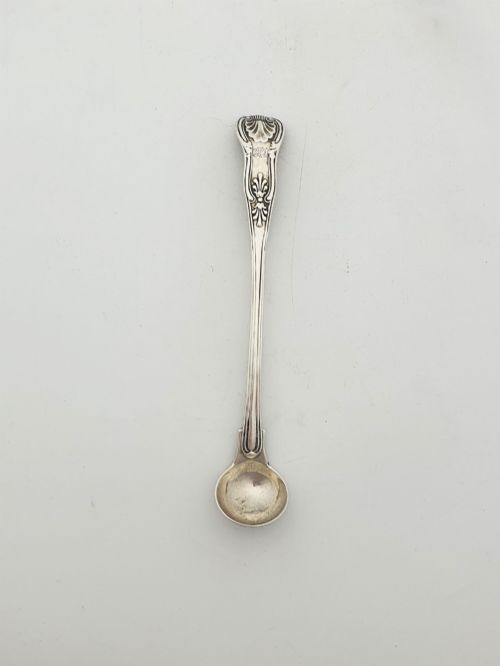
Techniques combine traditional silversmithing methods such as casting, hammering, and repoussé work, particularly evident in pieces decorated with Hindu deities or novelty bird and animal motifs. Spoons often feature patterned terminals like the Kings pattern or simple shovel bowls.
Victorian Silver Salt Cellar Spoon Retail Price Guide 2026
Typical asking prices for victorian silver salt cellar spoon among the pieces listed under this phrase on Sellingantiques today, from the lower quarter to the upper quarter. They describe what is for sale here now, not the wider market.
Listings feature sterling silver, glass liners in cobalt and cranberry, and fitted boxes lined with velvet and silk.
Assessing quality and craftsmanship
Quality rests in the crispness of the chased or cast detail, whether in the feathers of a bird-shaped salt or the fluting of a six-lobed bowl. The weight of the silver and the preservation of original parcel-gilding also distinguish finer examples.
The presence of matching original components, such as cobalt glass liners and coeval spoons housed in fitted cases, elevates an object. Finer items display clear hallmarks confirming maker marks and assay office origins.
Beare Falcke·Vale Brothers and Sermon
The Victorian Silver Salt Cellar Spoon Glossary
- Sterling silver
- A silver alloy containing 92.5 percent pure silver by mass and 7.5 percent other metals, usually copper. This standard alloy provides the durability required for domestic tableware.
- Silver gilt
- Silver that has been coated with a thin layer of gold on its surface. This technique protected the silver from corrosion caused by salt.
- Condiment set
- A matched group of small vessels designed to hold seasonings such as salt, pepper, and mustard. These sets often included specific spoons for each pot.
- Hallmark
- An official mark stamped onto precious metals in the United Kingdom to indicate the standard of purity, the assay office, and the year of manufacture.
- Repoussé
- A metalworking technique where the metal is hammered from the reverse side to create a raised design in relief on the front.
Victorian Silver Salt Cellar Spoon: Frequently Asked Questions
How do I clean antique silver spoons?
Clean sterling silver items gently using a soft cloth and specialised silver polish to remove tarnish without abrading the metal. Avoid harsh chemical dips, particularly on pieces with gilded surfaces or glass liners.
Store the items in dry conditions, and if they feature velvet-lined presentation cases, keep them away from direct sunlight to preserve the fabric.
Were these spoons used individually?
Victorian dining practice placed open salt cellars beside each guest or shared between a pair of diners. The accompanying spoons allowed guests to transfer salt cleanly to their plates.
Larger cruet sets and mustard pots served the wider table, while smaller individual salts remained close to each place setting.
How do I identify a Victorian salt spoon?
Victorian salt spoons are typically much smaller than dessert spoons, measuring only a few inches in length with miniature bowls shaped like shells, leaves, or shovels. They often bear hallmarks indicating the year of production and the silversmith's mark.
Matching sets frequently share pattern motifs with the salt cellars they accompany, such as the Kings pattern handle.
Are glass liners original?
Original glass liners were blown or moulded to fit the specific interior dimensions of the silver cellar. Cobalt blue and cranberry glass served to protect the silver from the corrosive properties of salt.
When examining a set, look for snug fits and consistent wear that matches the age of the surrounding metalwork.