

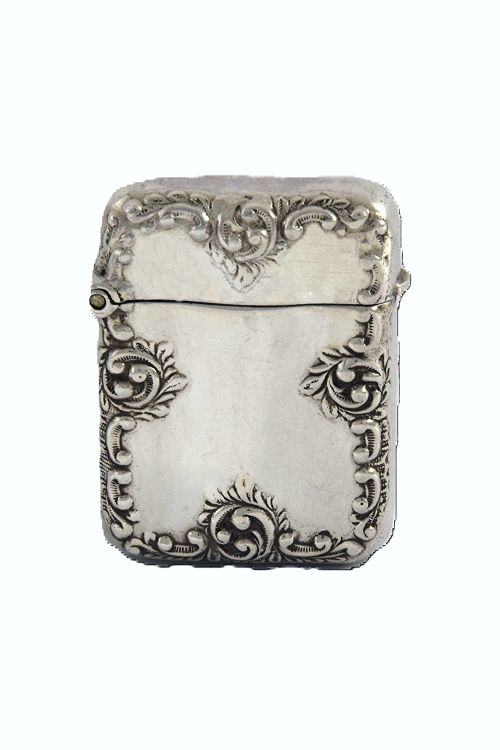


Victorian Silver Safe
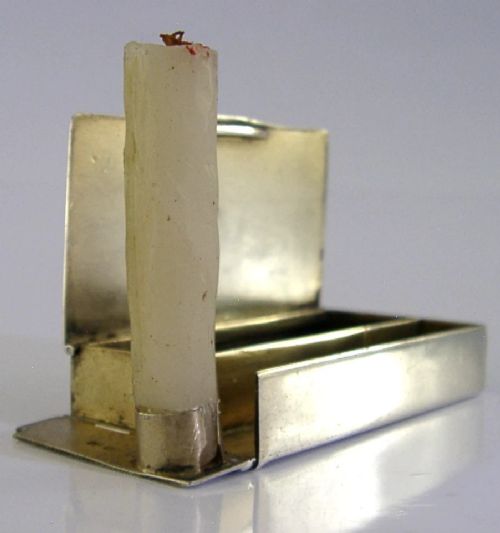
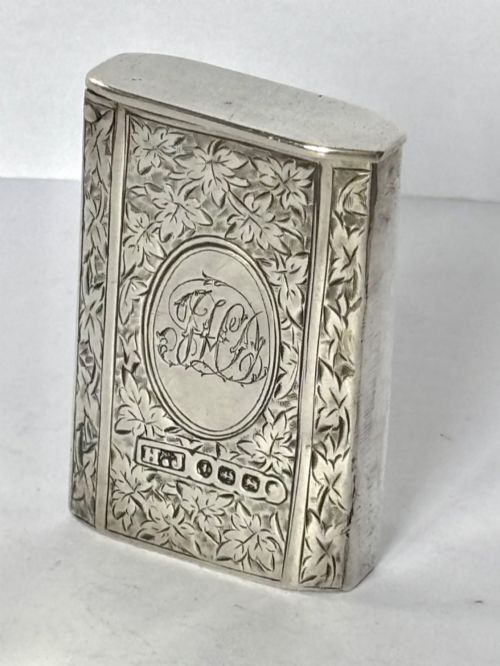
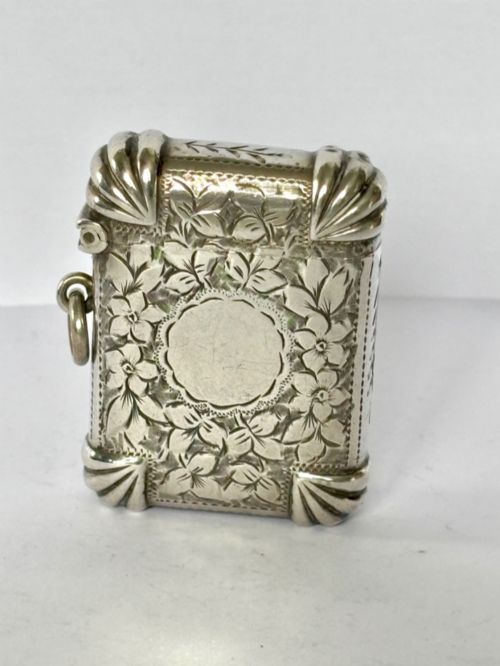
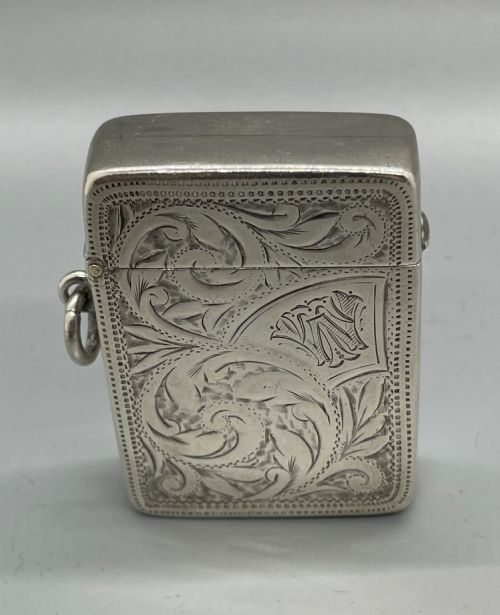
When you search for a victorian silver safe, you are looking at small pocket containers for matches or larger trunks built to protect tableware.
Victorian Silver Safe
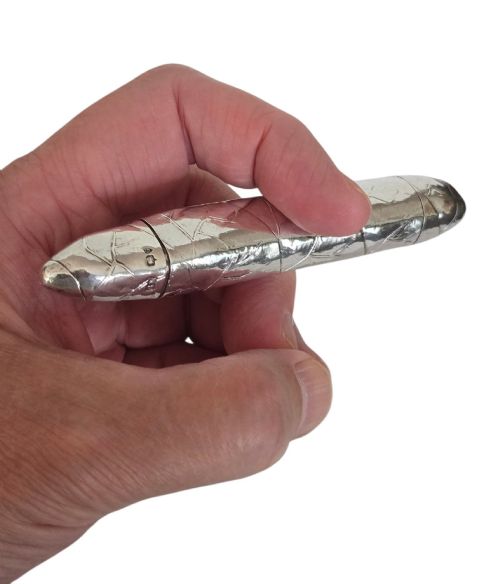
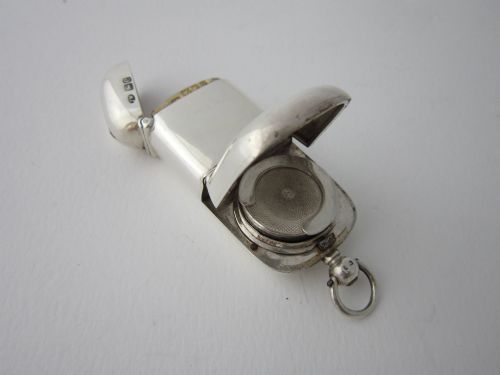
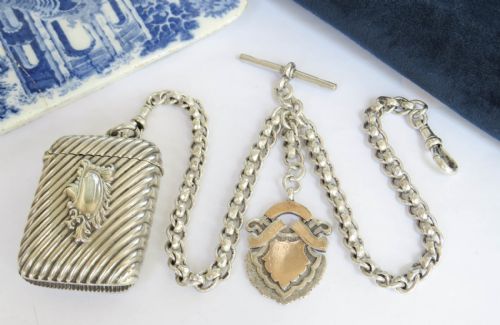
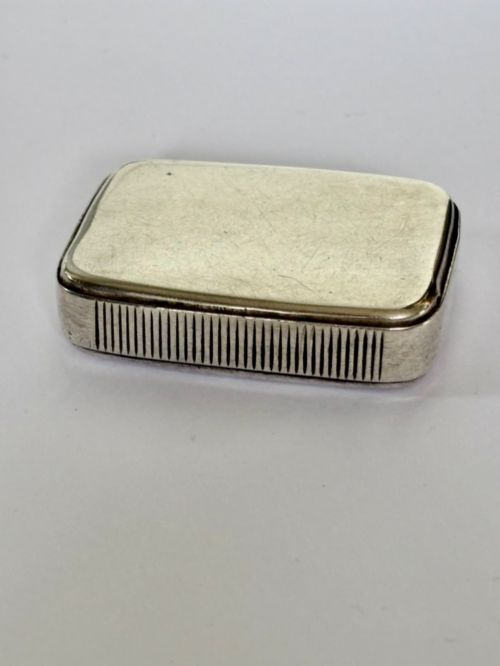
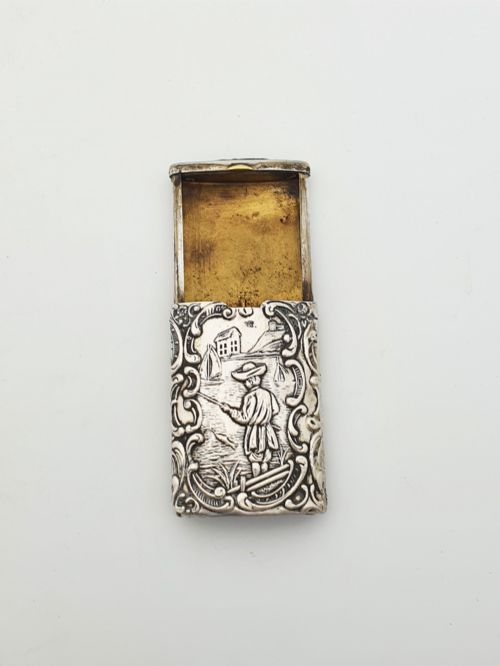
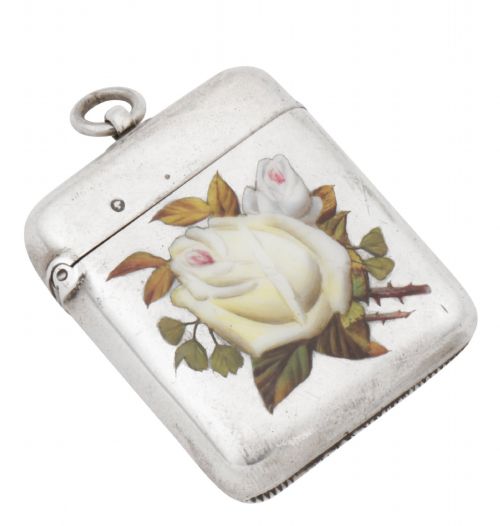
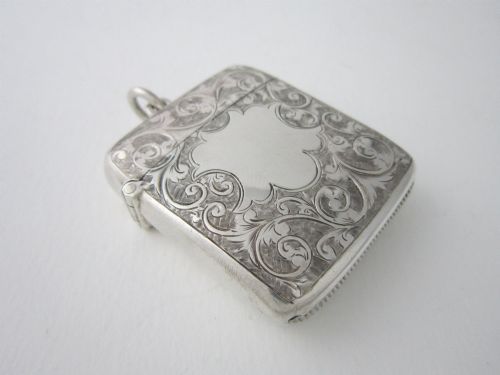
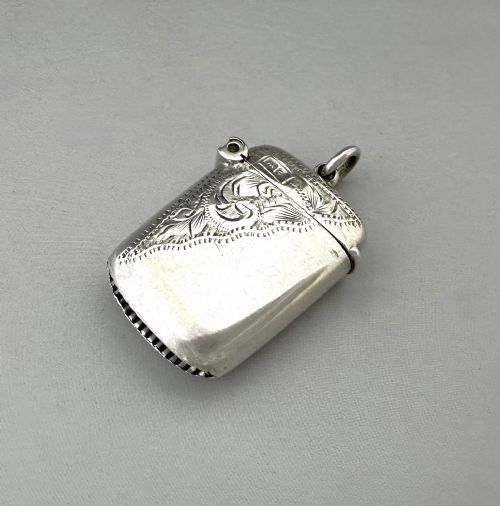
When searching for a victorian silver safe, buyers encounter two distinct forms: pocket-sized vesta cases meant for matches and heavy wooden chests lined for silverware storage. The pocket containers dominate the listings, spanning standard flat forms, combinations with sovereign holders or photo frames, and elaborate figural novelties. The larger storage pieces appear as iron-bound oak trunks designed by silversmith retailers for domestic protection.
The objects stem predominantly from the Victorian and Edwardian eras, with assay office marks pointing to manufacturing hubs like Birmingham, Chester, and London. Makers utilise materials ranging from sterling silver and enamel to robust oak and cast iron for the trunks. These pieces reflect the daily habits of the nineteenth century, whether carrying vestas safely in a pocket or locking away silver services at home.
Materials and construction
The smaller pocket pieces rely on sterling silver sheet, shaped by pressing, stamping, and hand engraving. Silversmiths add hinged lids, striker bases, and occasional painted enamel panels depicting dogs, horses, or floral motifs. Silver gilt and rose gold accents appear on specific interior compartments or novelty mechanisms.
The larger storage trunks combine heavy oak timbers with cast iron strapwork, brass mounts, and fitted interior trays lined for protection. Retailers construct these strongboxes to withstand travel and household use, securing them with robust metal locks.
Collectors can find a match safe shaped precisely like a Jack Russell dog's head.
Markers of quality
Quality rests upon the crispness of the chasing, the precision of the hinge work, and the complexity of the form. Novelty shapes like animals, sentry boxes, or trick mechanisms demand superior craftsmanship compared to plain rectangular models.
In larger storage pieces, the weight of the oak, the integrity of the iron banding, and the presence of original fitted interior compartments distinguish standard transport boxes from retailer-commissioned strongrooms.
Howard James Birmingham·EV Pledge And Son·Sampson Mordan And Co·A And J Zimmerman·William Neale·Minshull And Latimer·Elkington·William Hair Haseler
The Victorian Silver Safe Glossary
- Vesta Case
- A small pocket container designed to hold safety matches and keep them dry. These items feature a serrated striker base for lighting.
- Sovereign Case
- A small round container made to hold British gold sovereign coins. They often combine with vesta cases in late nineteenth-century pieces.
- Silver Chest
- A heavy oak trunk bound in iron and fitted for storing family silver. Retailers on Bond Street supplied these for secure home storage and travel.
- Novelty Vesta
- A match safe shaped into an unusual animal, human figure, or object. Examples include boars, fish, dogs, and sentry boxes.
- Silver Gilt
- Sterling silver coated with a thin layer of gold on the interior or decorative surface. This technique prevents tarnish and adds contrast.
Victorian Silver Safe: Frequently Asked Questions
What is a vesta case?
A vesta case is a small pocket-sized container designed to hold matches safely before the widespread use of safety matches.
They feature hinged lids and integrated striking surfaces on the bottom for daily use.
How do you date a silver safe?
Dating relies on hallmarks stamped into the metal, which include city assay marks, date letters, and maker's marks.
Style indicators like Art Nouveau lines or Victorian registration numbers also help narrow the production period.
Were silver chests used for travel?
Large iron-bound oak chests served as secure trunks for transporting valuable tableware between town and country residences.
They feature robust carry handles and heavy locks designed to withstand long journeys.
What is a combination vesta?
Combination vestas integrate extra functions into the match safe, such as sovereign holders, photograph frames, or watch fobs.
These versatile accessories allowed Victorians to carry multiple small valuables in a single pocket item.