



Victorian Silver Presentation Set
A victorian silver presentation set brings together matched pieces inside custom cases, offering a complete ensemble designed for gift-giving and formal dining.

Victorian Silver Presentation Set
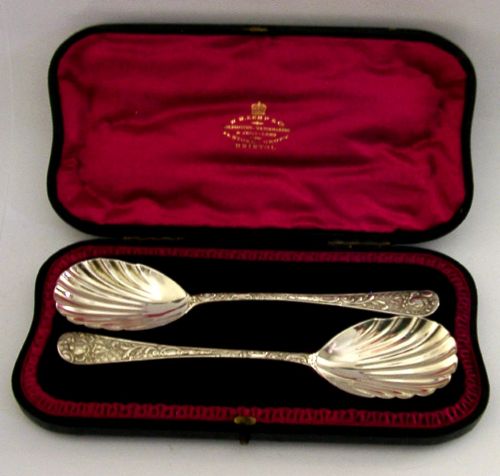
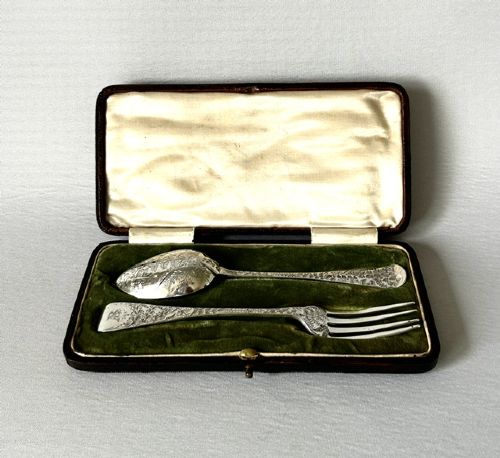
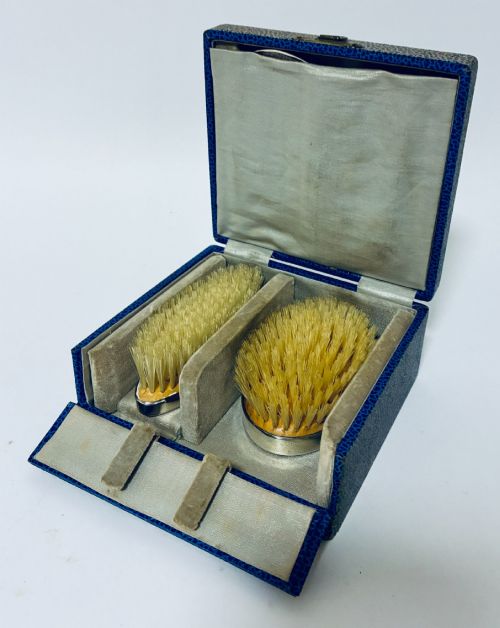
A victorian silver presentation set typically comprises fitted boxes or cases housing matched groupings such as christening cutlery, dessert spoons, napkin rings, and sugar bowls. These ensembles were assembled for formal occasions and milestones, often accompanied by original leatherette or velvet-lined boxes designed to protect the contents.
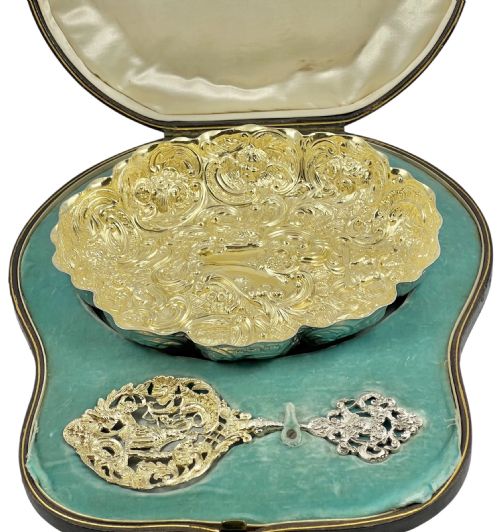
The selection ranges from pairs of serving spoons and fish servers to multi-piece sets incorporating mustard pots, salt cellars, and specialised presentation goblets. Many examples feature sterling silver or silver-plated components, occasionally accented with silver gilt or paired with materials like oak.
Origins span the nineteenth century into the early twentieth century, encompassing Victorian, Late Victorian, and Edwardian periods. Buyers encounter both sterling silver and silver-plated configurations, frequently marked by town halls and makers associated with provincial and metropolitan assay offices.
Assessing quality in cased sets
Quality rests on the completeness of the fitted ensemble and the integrity of the original case. Sets that retain their matching components without replacement pieces command greater interest.
The crispness of the chasing, engraving, and hallmarks stamped onto the sterling silver or silver plate indicates the skill of the silversmith. Finer examples display deep, legible assay marks and robust hinges on the presentation boxes.
Victorian Silver Presentation Set Retail Price Guide 2026
Typical asking prices for victorian silver presentation set among the pieces listed under this phrase on Sellingantiques today, from the lower quarter to the upper quarter. They describe what is for sale here now, not the wider market.
Materials recorded in these listings include velvet, sterling silver, silk, silver, leather, leatherette, satin, and silver plate.
Robert Stebbings·John Round·George Unite
The Victorian Silver Presentation Set Glossary
- Sterling silver
- An alloy containing ninety-two point five percent silver by mass, with the remainder being copper or other metals. This standard was widely used across Victorian silverware.
- Silver plate
- A base metal substrate coated with a thin layer of pure silver. It provided a bright appearance at a lower cost than solid sterling.
- Silver gilt
- Sterling silver that has been coated with a thin layer of gold on its surface. This technique was frequently applied to the interior bowls of spoons and sugar sifters.
- Hallmark
- A series of official marks stamped onto precious metals indicating the maker, assay office, and year of testing. These marks provide definitive evidence of origin and date.
- Cased set
- A collection of tableware or decorative objects housed in a dedicated, fitted box. These boxes often feature silk or velvet linings tailored to the specific items.
Victorian Silver Presentation Set: Frequently Asked Questions
How can I date a presentation set?
Dating relies upon the hallmarks stamped into the silver components, which indicate the specific assay year and town. Stylistic cues such as late Victorian engraving or Edwardian proportions also help narrow the period.
The construction of the presentation box, including the type of leatherette covering and silk or velvet lining, offers additional contextual clues regarding the date.
Are presentation sets always made of solid silver?
While many sets are fabricated from solid sterling silver, others utilise silver plate over a base metal. Plated versions were common for larger table services and multi-piece napkin ring collections.
Examining the hallmarks or looking for signs of wear on raised edges helps distinguish between solid sterling silver and plated alternatives.
How should I store a cased silver set?
Cased sets are best kept in a stable environment away from direct sunlight and excessive humidity, which can damage the delicate velvet or silk box linings. Keeping the box closed helps reduce tarnishing on the silver components.
Avoid using abrasive cleaning methods on the metal or the antique presentation case to preserve the original finish of both the silver and the fabric.