



Victorian Chester Hallmarked Silver
Victorian Chester hallmarked silver brings together regional assay office marks and nineteenth-century craftsmanship on items from snuff boxes to scent bottles.

Victorian Chester Hallmarked Silver
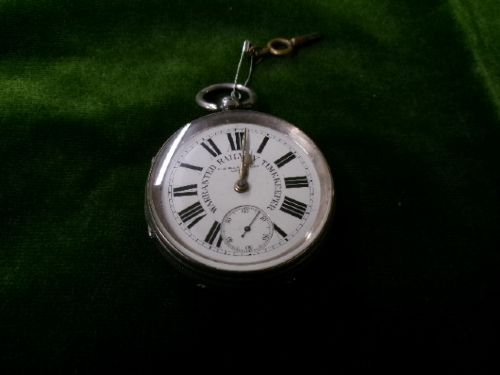
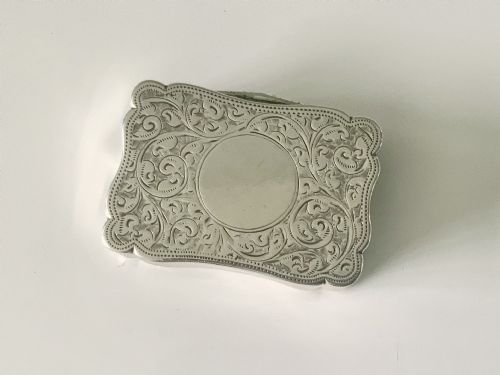
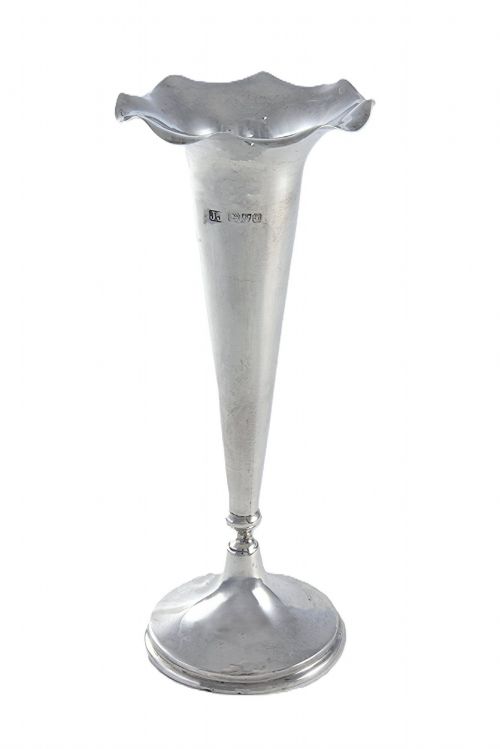
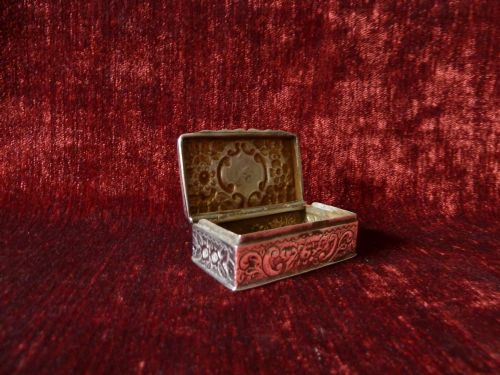
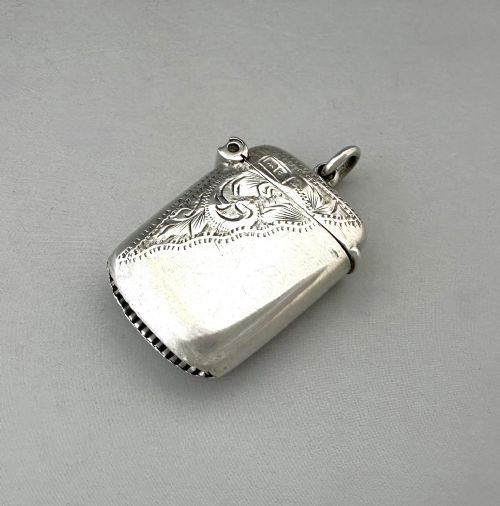
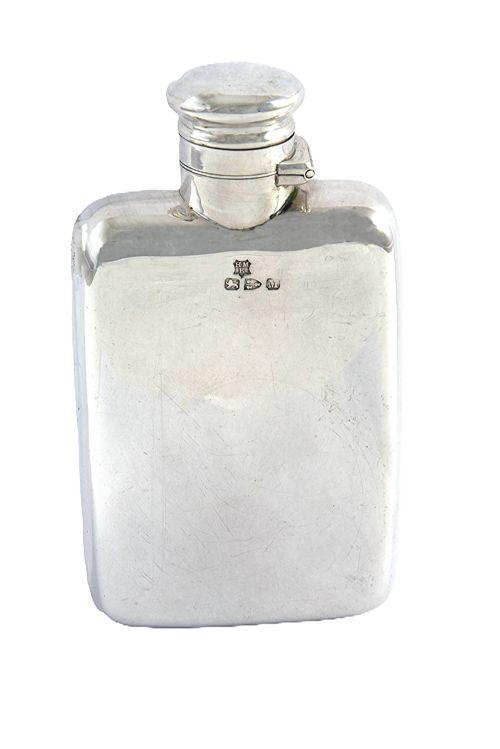
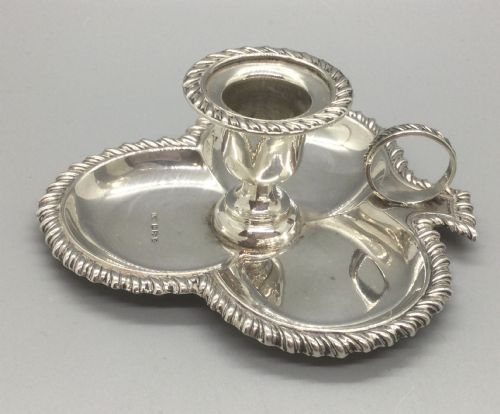
Victorian Chester hallmarked silver covers a varied range of small domestic and personal objects stamped at the Chester assay office during the nineteenth century and early decades of the twentieth century. Buyers seeking victorian chester hallmarked silver encounter items such as snuff boxes, scent bottles, pocket watches, letter openers, sugar tongs, vases, vesta cases, sewing accessories, hip flasks, napkin rings, and candlesticks.
The objects span periods from the nineteenth century into Edwardian times and the year 1930, utilising the distinct three-sheaves-and-sword town mark associated with Chester. Most examples date from the Victorian era, reflecting the steady output of regional silversmiths working in sterling silver alongside supplementary materials like leather, velvet, silk, enamel, glass, and silver-gilt.
Materials and construction
Makers fashioned these pieces primarily from sterling silver, sometimes combining the metal with glass for scent bottles, or lining interiors with velvet and silk for fitted cases. Enamel and silver-gilt also appear on select items to provide colour and contrast against polished silver surfaces.
The manufacturing process involved traditional silversmithing techniques such as stamping, engraving, and casting, followed by official testing and marking at the Chester assay office to guarantee metal standard and origin.
Victorian Chester Hallmarked Silver Retail Price Guide 2026
Typical asking prices for victorian chester hallmarked silver among the pieces listed under this phrase on Sellingantiques today, from the lower quarter to the upper quarter. They describe what is for sale here now, not the wider market.
Materials documented across the collection include sterling silver, leather, velvet, silk, enamel, glass, and silver-gilt.
Factors of quality
Quality in these pieces rests upon the crispness of the Chester hallmarks, the precision of any hand-engraving or applied decoration, and the integrity of supplementary elements like glass inserts or silk linings. Pieces bearing legible stamps and intact maker marks demonstrate better preservation of their original detail.
The reputation of specific makers and the functional complexity of objects, such as hinged snuff boxes or fitted thimble cases, further distinguish standard production from finer examples.
Horton & Allday·Walter & George Myers·Charles Horner·G Watts & Co·George Nathan & Ridley Hayes
The Victorian Chester Hallmarked Silver Glossary
- Chester hallmark
- An official stamp showing the three sheaves and a sword, applied to silver tested at the Chester assay office. This mark confirms the geographic origin and metal standard of the item.
- Sterling silver
- A silver alloy containing 92.5 percent pure silver and 7.5 percent other metals, usually copper. It serves as the primary material for the vast majority of these objects.
- Silver-gilt
- Sterling silver that has been coated with a thin layer of gold on its surface. This technique adds a warm golden tone to the interior or exterior of items.
- Vesta case
- A small pocket container designed to hold matches, typically fitted with a striking surface on the base. These cases often feature engraved decoration and a secure hinged lid.
- Assay office
- An official body charged with testing the purity of precious metals and stamping them with appropriate hallmarks. The Chester office operated for centuries before closing in the twentieth century.
Victorian Chester Hallmarked Silver: Frequently Asked Questions
What is Chester silver?
Chester silver refers to items bearing the assay office mark of Chester, which traditionally featured three half-sheaves of wheat and a sword. The office stamped thousands of pieces before its closure.
Collectors prize these items for their connection to a specific regional office that operated alongside larger centres like London and Birmingham.
What were vesta cases used for?
Vesta cases were carried in pockets or attached to chatelaines to keep matches dry and readily accessible before the widespread availability of safety matches. They were essential personal accessories for smokers.
Craftsmen often decorated the exterior with engraved monograms, floral motifs, or textured surfaces for striking matches.
Are these pieces made of solid silver?
The listings consist primarily of sterling silver items, though some pieces incorporate components like glass bottles, silk linings, or leather cases. The silver elements meet the standard required for sterling designation.
Assay marks stamped directly into the metal guarantee the silver content for the buyer.