
Antique Silver Serviette Holder
An antique silver serviette holder brings functional elegance to the dining table through solid silver and silver plate constructions.
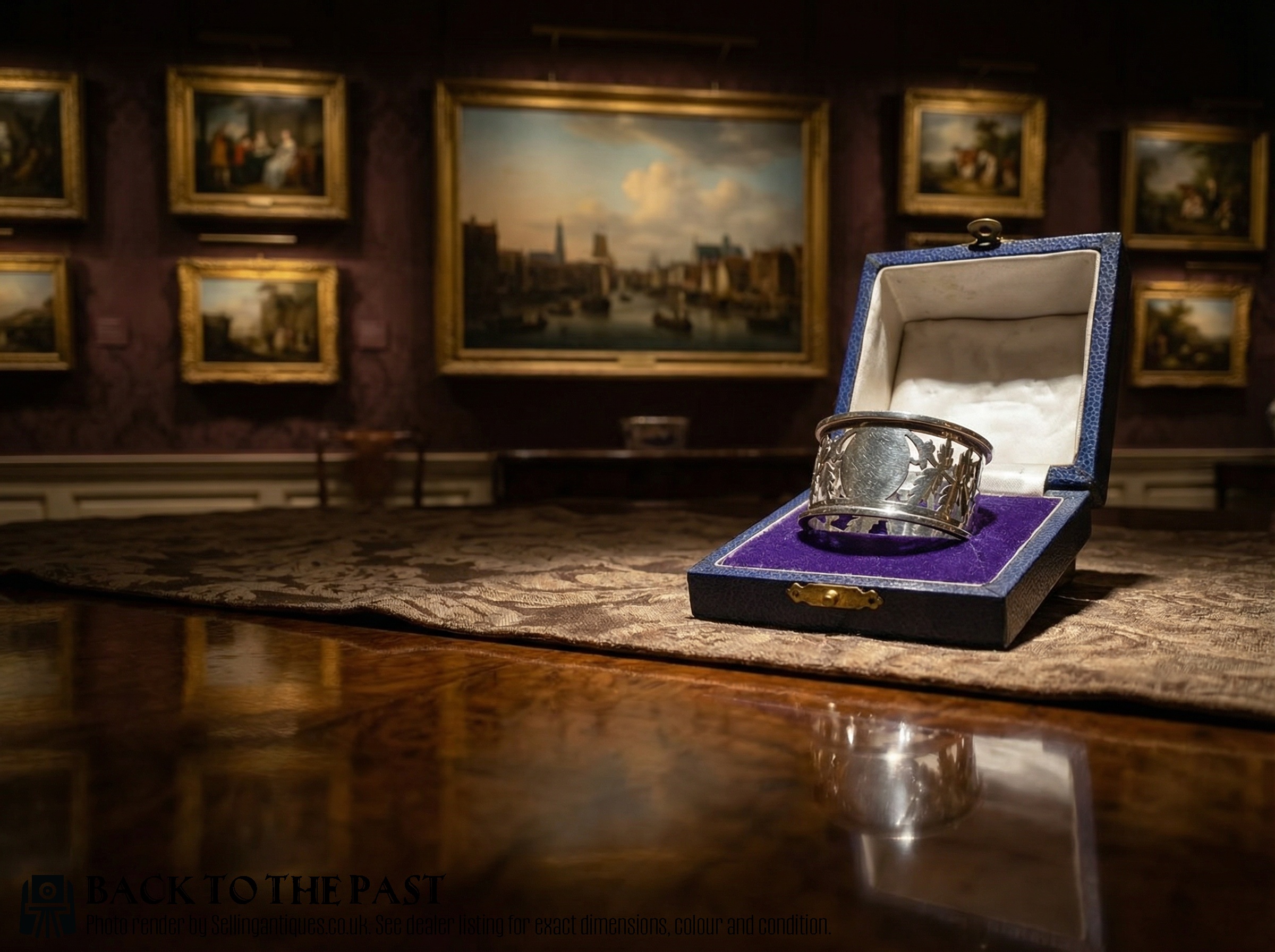
What these pieces are
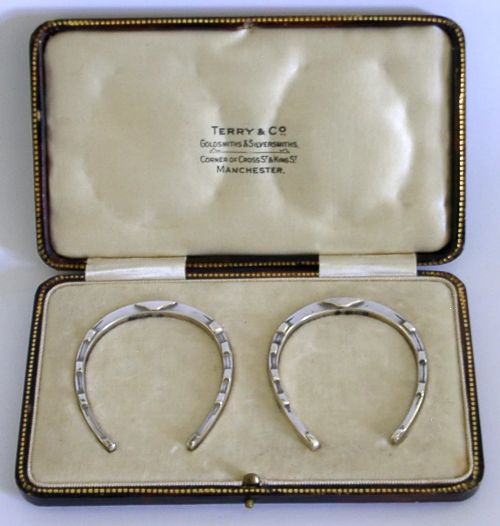
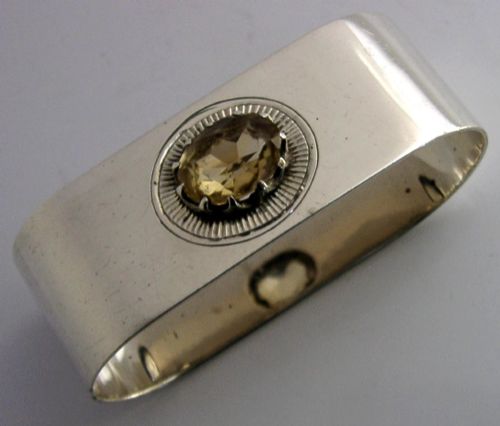
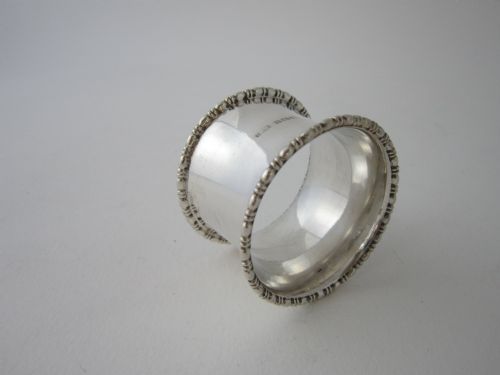
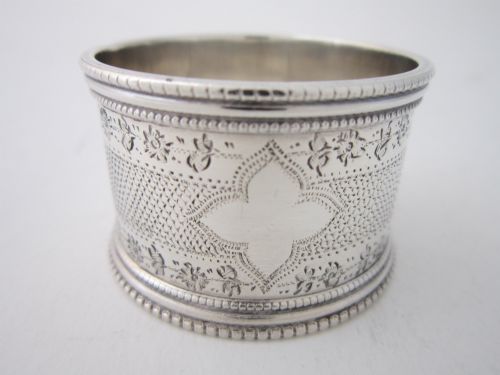
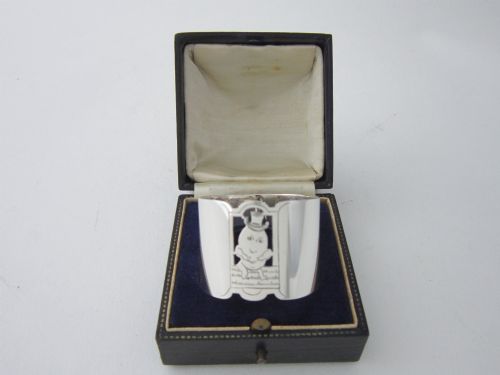
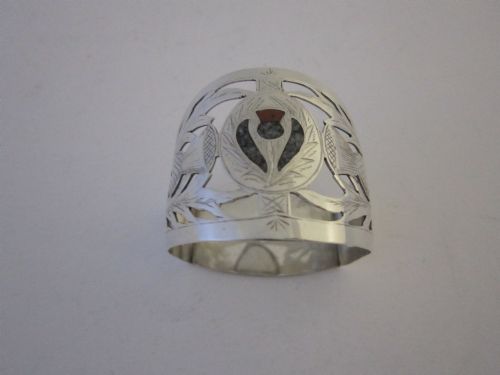
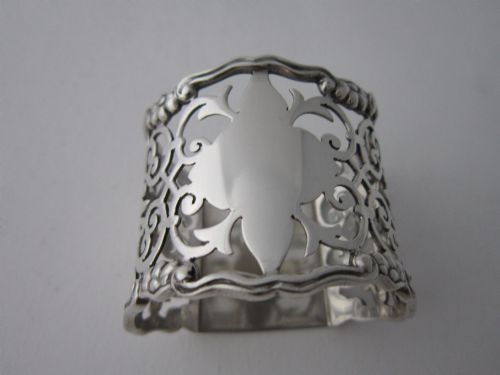
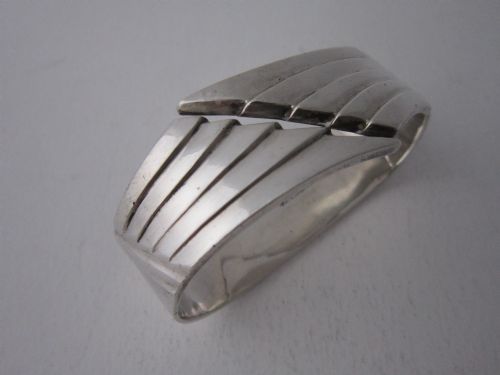
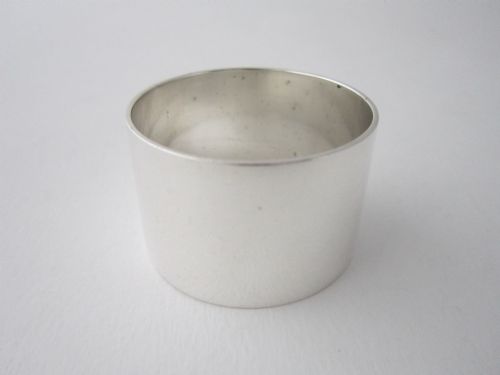
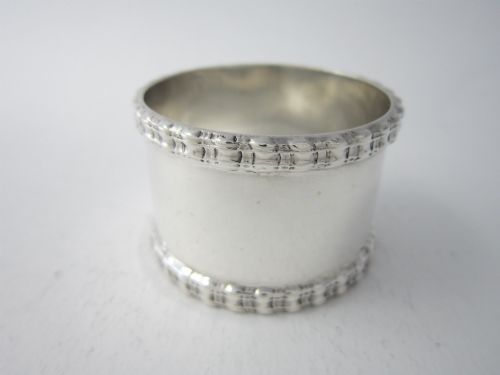
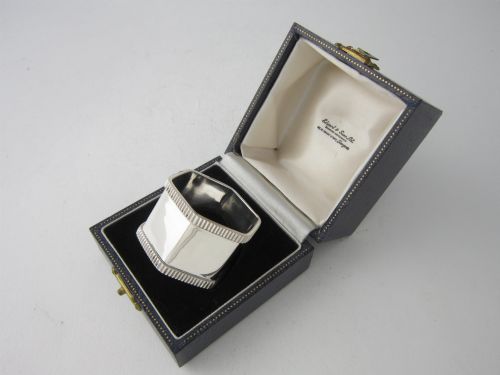
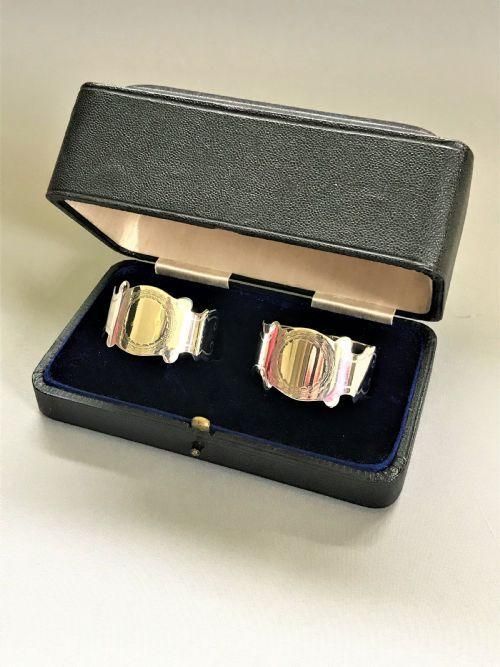
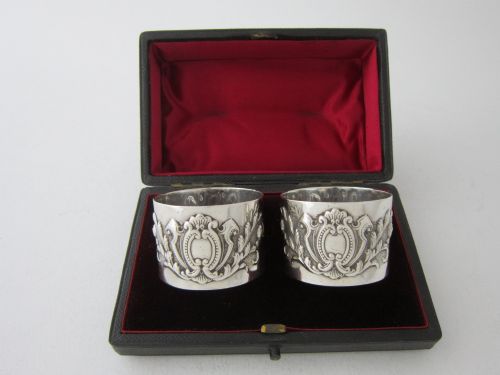
An antique silver serviette holder, commonly known as a napkin ring, appears in various forms across the twentieth century. Collectors encounter circular rings created during the Edwardian and George V periods, alongside mid-century and Chinese export designs.
How they were made
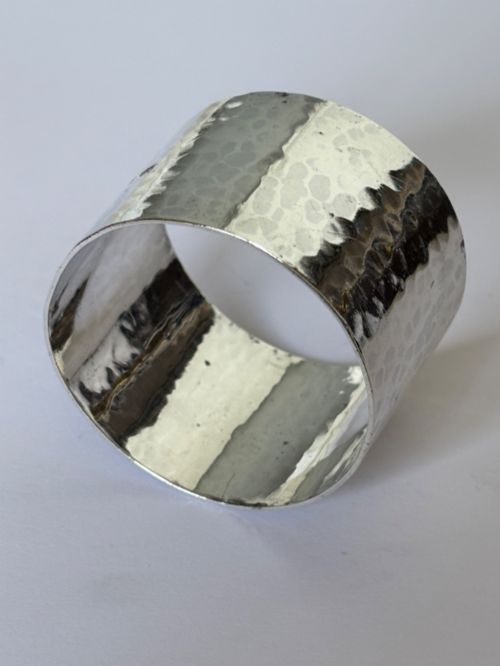
Silversmiths utilised sterling silver and solid silver alongside silver plate to form these circular napkin rings. Traditional manufacturing methods involved shaping metal sheet and applying surface decoration suited to the period.
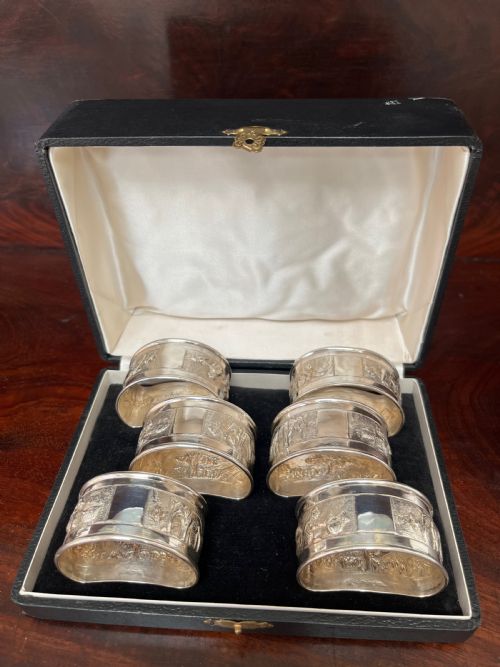
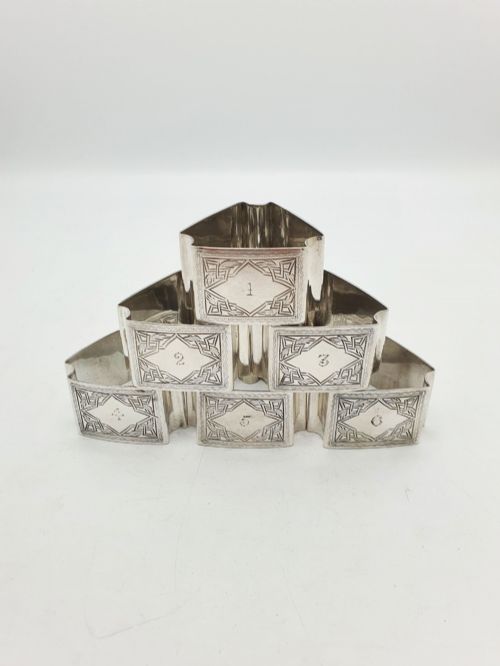
Design approaches range from plain finishes to distinct Chinese design motifs. Birmingham assay offices provided hallmarks that verify the origin of specific George V examples.
Retail Price Guide 2026
Typical UK retail prices for silver serviette holder, calculated from the Sellingantiques database of over a million retail prices indexed since 2003. This retail price guide relies exclusively on Sellingantiques data; no external sources or auction records are used, so the figures do not describe the wider market.
Materials span sterling silver, solid silver, and silver plate across circular forms.
What varies in quality
Quality differentiates through the weight of the metal, moving from lightweight silver plate to heavy sterling silver constructions. Substantial gauge metal provides a tactile solidity that lighter domestic wares lack.
Design execution also separates standard production from distinct artistic output, such as detailed Chinese export ornamentation versus plain circular geometry.
R. E. Stone
The Antique Silver Serviette Holder Glossary
- Sterling Silver
- A standard alloy consisting of high purity silver mixed with other metals to increase durability for daily use. This material forms the primary body of many Edwardian and George V napkin rings.
- Silver Plate
- A base metal core coated with a thin layer of silver through electroplating or older techniques. This finish offers the visual appearance of solid silver at a different production level.
- Hallmark
- A series of official marks stamped onto precious metal items to indicate the standard of purity, the assay office, and the year of manufacture. Birmingham hallmarks appear on items from the 1915 period.
- Chinese Export
- Decorative items manufactured in China specifically for Western markets, often featuring traditional regional motifs. These pieces date to the early twentieth century within this collection.
- Edwardian
- The period spanning the reign of King Edward VII from 1901 to 1910, noted for refined domestic silver design. Napkin rings from this era exhibit characteristic early century craftsmanship.
Frequently Asked Questions
How old are these napkin rings?
The pieces span the twentieth century, with periods covering the 1900s, 1910s, 1920s, and 1940s. Specific eras include Edwardian and George V.
Assay office marks and stylistic details help identify the manufacturing decade.
What materials were used?
Items are constructed from sterling silver, solid silver, and silver plate. Metal weight varies from standard circular bands to heavy gauged specimens.
Surface finishes range from plain designs to elaborate Chinese export ornamentation.
How do I care for silver?
Silver and silver plate require gentle cleaning with appropriate cloths to maintain the metal finish. Regular handling and proper storage prevent excessive tarnishing.
Harsh abrasives should be avoided to protect original hallmarks and surface details.