




Victorian Silver Pincushion
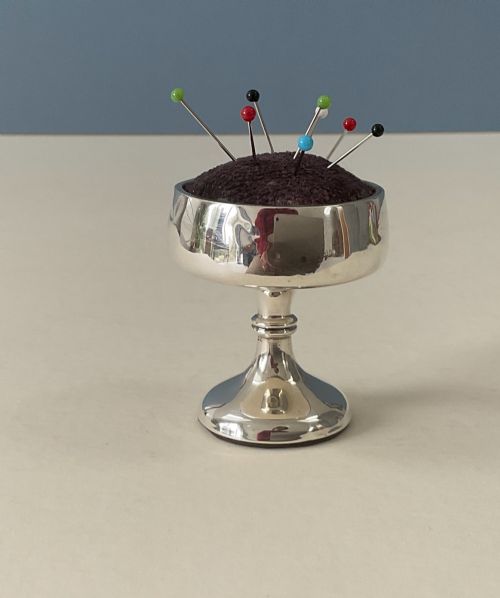
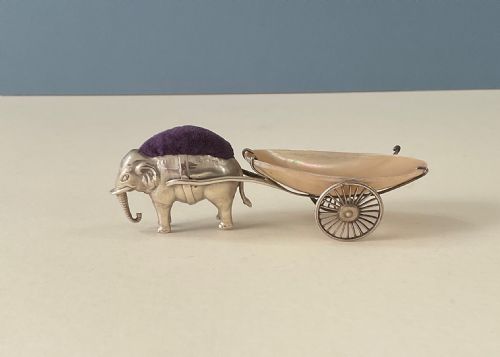
These Victorian silver pincushion pieces are miniature silver forms fitted with textile pads, collected for their intricate novelty shapes.
Victorian Silver Pincushion
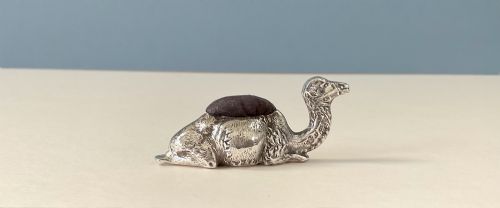
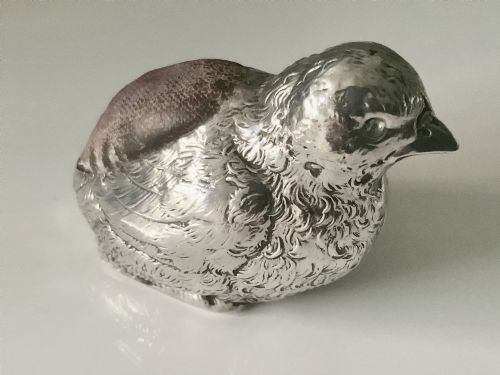
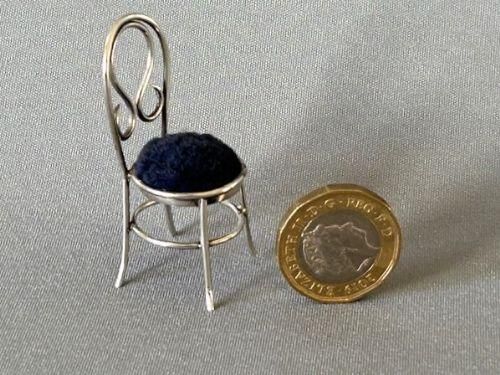
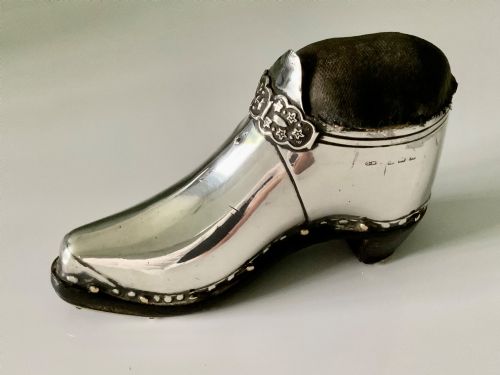
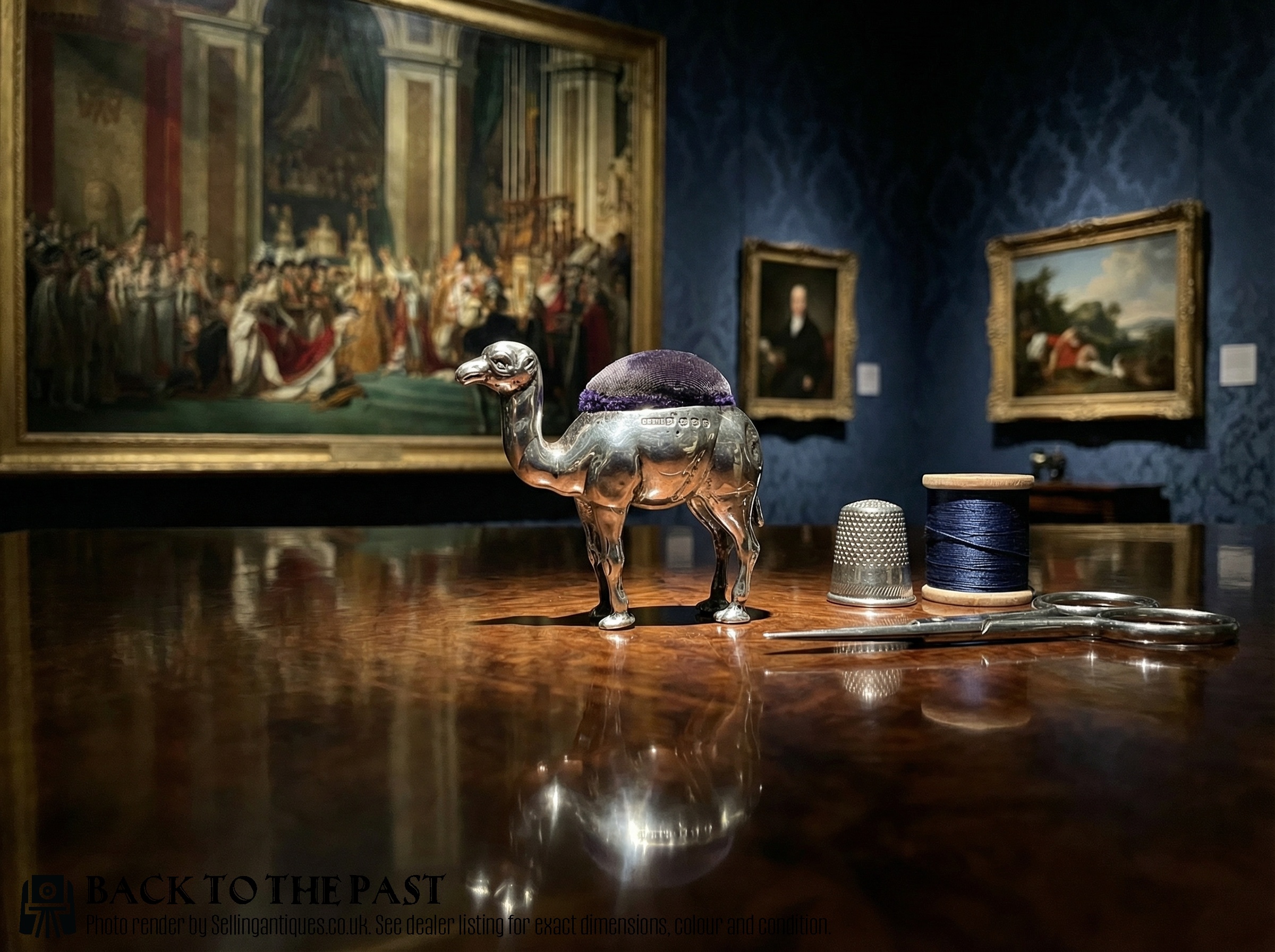
A victorian silver pincushion brings together miniature silverwork and functional sewing accessories, taking the form of everyday objects, animals, and transport. The pieces seen here span the Victorian, Edwardian, and later periods up to 1920, with novelty designs forming a significant portion of the selection.
Originating primarily within the nineteenth and early twentieth centuries, these items reflect the Victorian and Edwardian taste for decorative desk and dressing table accessories. The combination of solid silver mounts and fabric inserts defines the core visual character of the group.
Judging quality and craftsmanship
The distinction between ordinary and superior pieces rests on the crispness of the silver modeling and the complexity of the subject matter. Novelty forms depicting animals like stags, foxes, and camels, or intricate objects like railway lamps and sledges, demand greater skill from the silversmith than plain geometric shapes.
Preservation of the original velvet or fabric pad alongside crisp, unrubbed hallmarks on the silver body elevates an example. The proportion between the sculptural silver element and the textile cushion dictates the overall balance of the piece.
Victorian Silver Pincushion Retail Price Guide 2026
Typical asking prices for victorian silver pincushion among the pieces listed under this phrase on Sellingantiques today, from the lower quarter to the upper quarter. They describe what is for sale here now, not the wider market.
Listings feature silver, sterling silver, velvet, glass, mother of pearl, shell, and agate across Victorian and Edwardian periods.
George W Shiebler
The Victorian Silver Pincushion Glossary
- Novelty silver
- Silver items fashioned into humorous or recognizable figural shapes rather than standard utilitarian forms. These pieces were popular desk and vanity ornaments in the late nineteenth and early twentieth centuries.
- Sterling silver
- A silver alloy containing 92.5 percent silver by mass and 7.5 percent other metals, usually copper. This standard composition is frequently marked on British silver wares.
- Chasing
- A metalsmithing technique where a hammer and punches push the metal from the front to create raised surface decoration and texture without removing material.
- Hallmark
- An official stamp applied to precious metals indicating the purity, the assay office, and the date letter corresponding to the year of manufacture.
- Recumbent
- A term describing an animal figure depicted in a lying or resting position. This posture allows the silver body to sit flat on a surface while displaying the pin pad.
Victorian Silver Pincushion: Frequently Asked Questions
What were silver pincushions used for?
Victorian ladies kept these small silver objects on dressing tables and desks to hold pins used in dressmaking and attire.
They doubled as decorative ornaments due to their elaborate novelty shapes.
How do I date a silver pincushion?
Examining the hallmarks stamped into the silver reveals the assay office and date letter for the specific year of production.
Stylistic markers like Edwardian novelty designs or Victorian classical motifs also help determine the period.
Are the velvet pads original?
Many pieces retain their original velvet or fabric inserts, though some have been restored over time due to wear.
Close inspection of the fabric stitching and fit helps ascertain its age relative to the silver mount.
What animal shapes are most common?
Birds, dogs, pigs, and camels appear frequently among the surviving figural pieces from the Victorian and Edwardian eras.
More unusual subjects like frogs, fish, and insects also occur in smaller numbers.