


Victorian Silver Peppers
Victorian silver peppers bring character to the dining table through sculptural forms and solid metal work that survive from the nineteenth century.
Victorian Silver Peppers
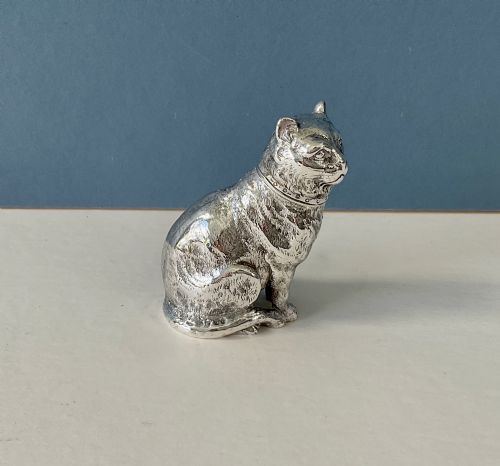
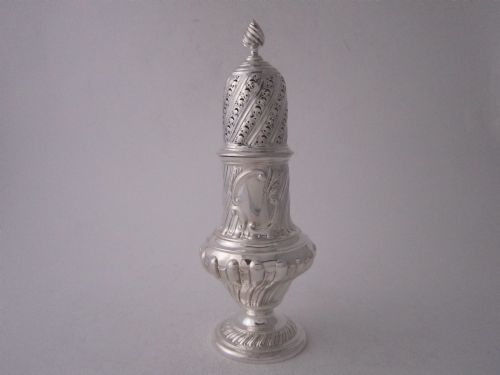
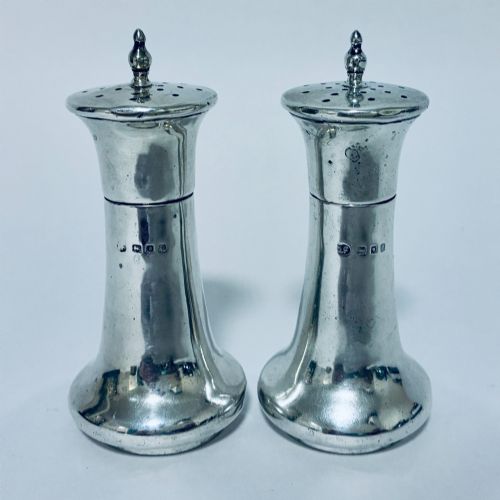
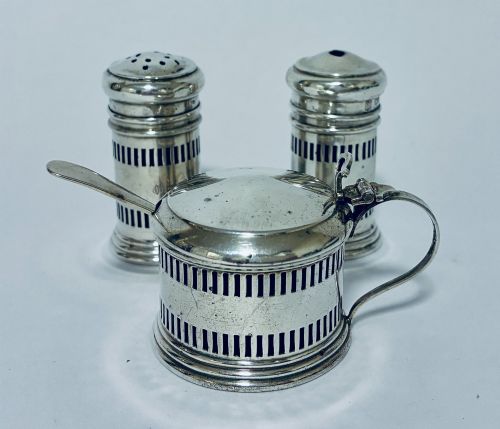
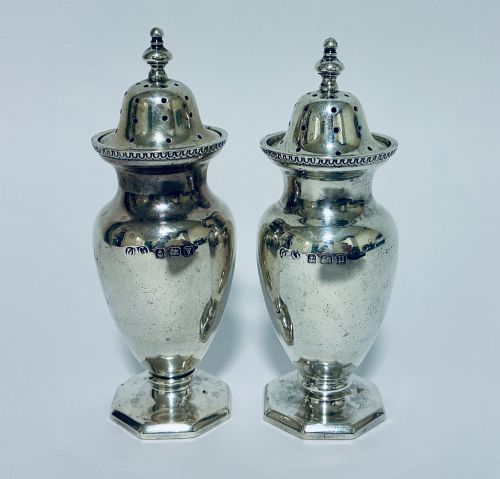
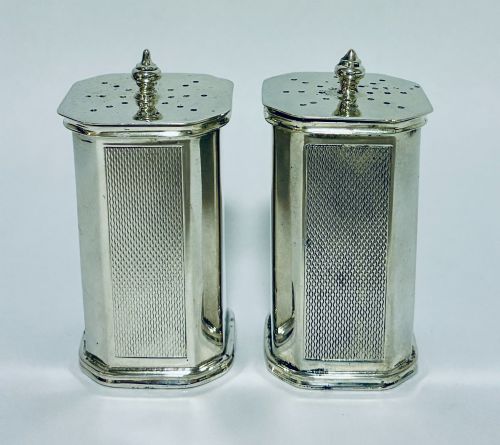
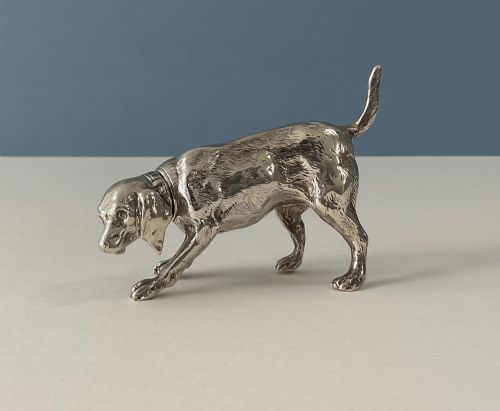
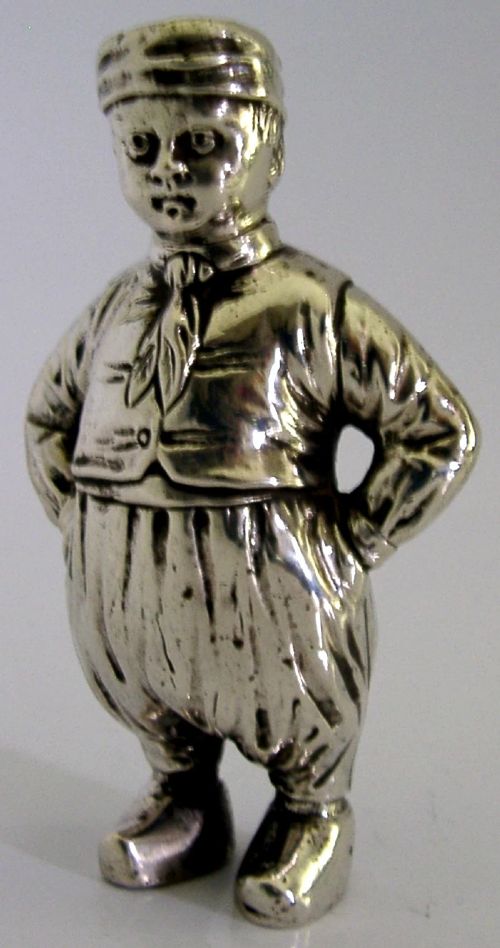
Victorian silver peppers include single shakers, matched pairs, and components of larger condiment sets designed for the dining table. These pieces emerge in various forms, from straightforward pepperettes to elaborate figural designs modelled as animals and characters.
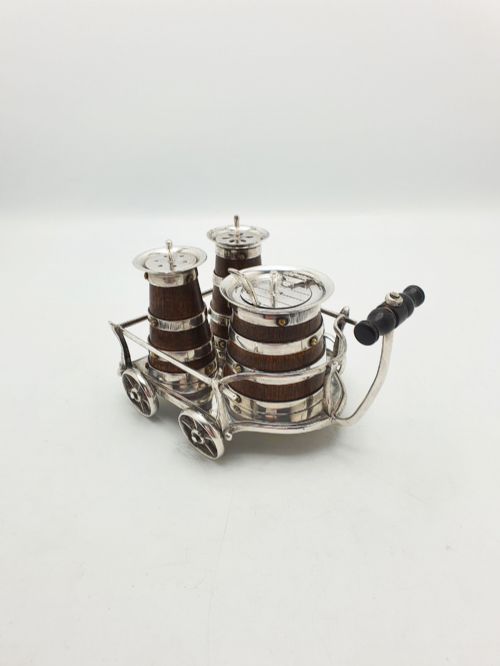
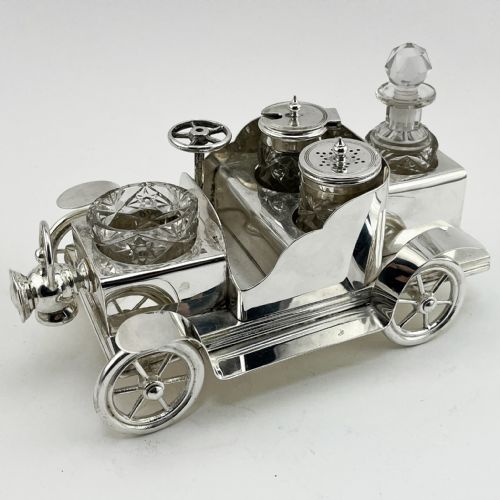
The most common examples on this page date from the later decades of the nineteenth century, reflecting the expansion of table silver production during that period. Many survive as pairs or within fitted cruet sets alongside mustard pots and salt cellars.
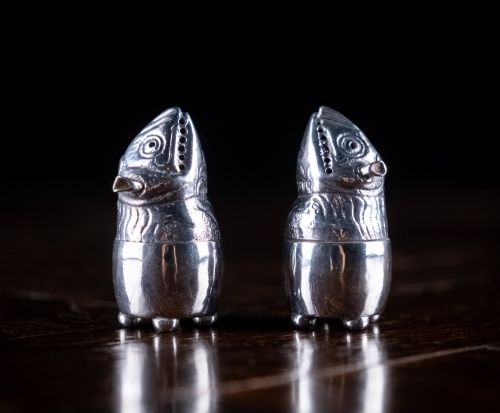
Makers of the period produced both plain utilitarian shakers and novelty items shaped as owls, dogs, chicks, and human figures. These varied forms demonstrate the Victorians' appetite for playful objects in domestic settings.
How they were made
Silversmiths utilised sterling silver and silver plate over base metals, shaping bodies through casting, stamping, and hand-chasing. Figural novelty peppers often involved detailed cast components soldered together to form animals or grotesque characters.
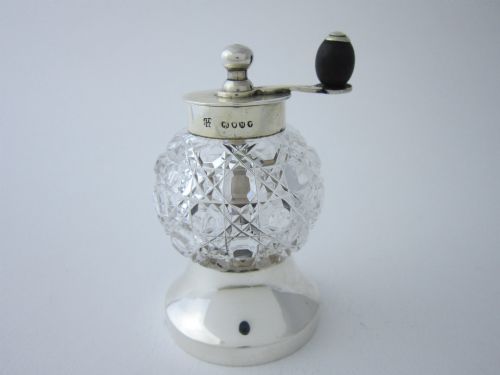
Combinations of sterling silver with cut glass appear in pepper grinders and cruet bottles, joining metal mounts to glass bodies with collars and threaded hardware. Silver plated items relied on a durable coating applied over white metal or pewter cores.
More than one Victorian silversmith looked at a household pet and decided the world needed a pepper shaker shaped like Mr Punch's dog Toby.
What varies in quality
The definition in cast figural work separates mass-produced novelty pieces from those bearing the hand of a skilled modeller or specialist maker. Crisp feather and fur texturing indicates superior craftsmanship in animal pepperettes.
Weight and gauge of the silver distinguish substantial solid pieces from lighter items that bend easily under daily use. Hallmarks stamped clearly into the metal provide evidence of origin and maker reputation.
Frederick Brasted·Mappin Brothers·Walker & Hall·Charles Stuart Harris·Thomas Johnson·Sampson Mordan
The Victorian Silver Peppers Glossary
- Pepperette
- A small shaker designed specifically for dispensing ground pepper at the table. These vessels typically feature a pierced removable cap and a weighted or bulbous base.
- Cruet set
- A matched assembly of glass or metal bottles and shakers held in a dedicated frame or stand. Sets frequently group containers for oil, vinegar, mustard, pepper, and salt.
- Novelty silver
- Silver items shaped to resemble animals, people, or everyday objects rather than following traditional functional geometry. Makers produced these pieces to amuse diners during formal meals.
- Hallmark
- A series of stamped marks indicating the purity of the metal, the maker or sponsor, the assay office, and the date of production. These stamps verify the authenticity of British silver.
Victorian Silver Peppers: Frequently Asked Questions
How do I clean tarnished silver peppers?
Use a specialised silver polishing cloth or a gentle liquid silver dip to remove tarnish without damaging chased details or hallmarks. Avoid abrasive pastes that wear away thin plating.
Rinse the pieces thoroughly in warm water and dry them completely with a soft cloth to prevent water spots from forming on the metal surface.
Can I use antique silver peppers daily?
Solid sterling silver pieces withstand regular use provided you handle them carefully and clean out residual moisture from the interior after refilling. Check threaded caps on grinders and shakers for wear.
Silver plated examples require extra care to preserve the thin metal coating over the base metal core, making them better suited for occasional dining use.
How do I identify the date of a pepper pot?
Look for the assay office mark and date letter stamped alongside the lion passant and maker's initials on the body or the base cap. These small punches correspond to official records kept by British assay offices.
Stylistic cues such as aesthetic movement engraving or naturalistic bird and animal modeling also point toward specific decades within the Victorian era.
Were these always sold in pairs?
Makers produced both single shakers and matched pairs, depending on the requirements of the dining table and whether the pieces belonged to a larger cruet frame. Single novelty peppers served as conversation pieces.
Many surviving pairs became separated over time, leading dealers to assemble matched sets based on size, style, and period characteristics.