





Victorian Silver Miniature
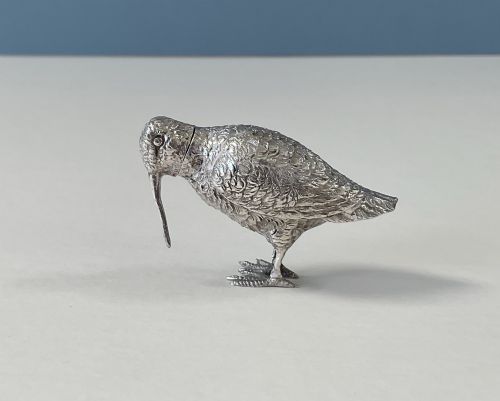
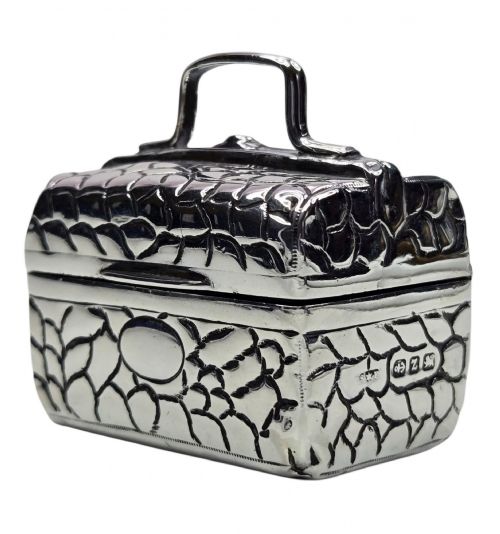
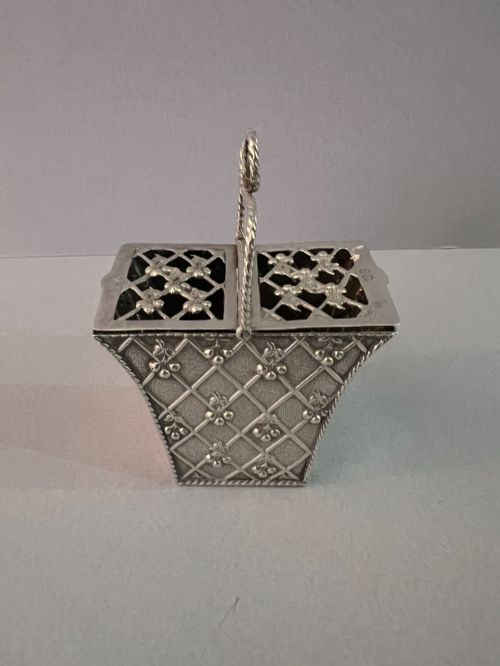
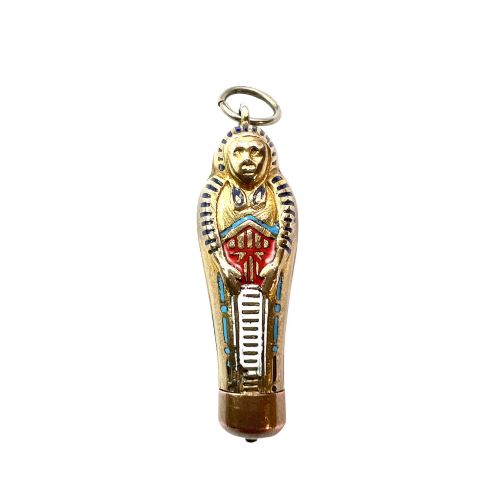
A victorian silver miniature brings domestic items, furniture and animal forms into small scale with precise detail.
Victorian Silver Miniature
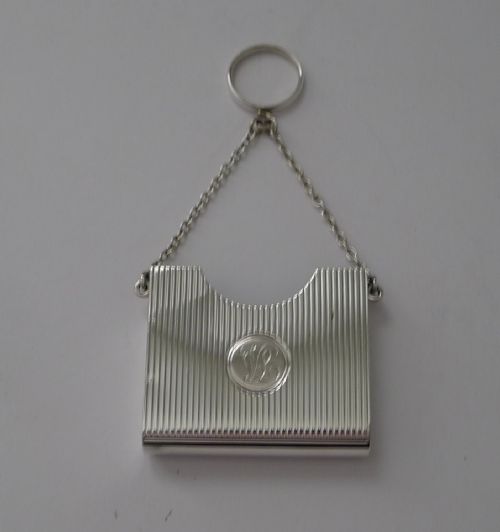
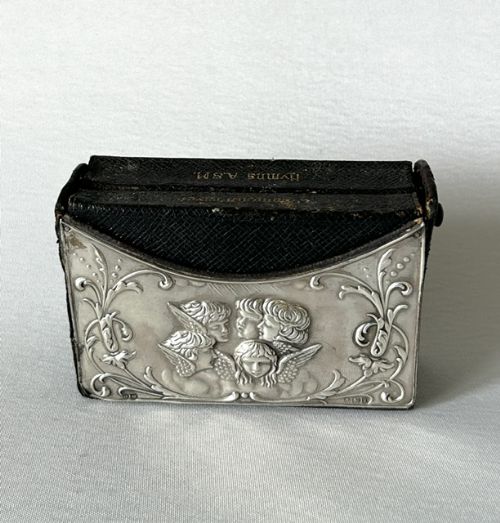
A victorian silver miniature spans everyday domestic articles reduced in scale, including carriage clocks, pin cushions, scent bottles, photo frames and novelty items shaped as animals, vehicles or household objects. These small pieces reflect nineteenth-century and Edwardian tastes for novelty and intricate craftsmanship on a cabinet scale.
The objects on this page emerge from British assay offices as well as continental European workshops, particularly from Dutch makers and German metalworkers. Makers produced them not merely as children's toys but as desk accessories, chatelaine attachments and cabinet curiosities for adult collectors.
Materials and Techniques
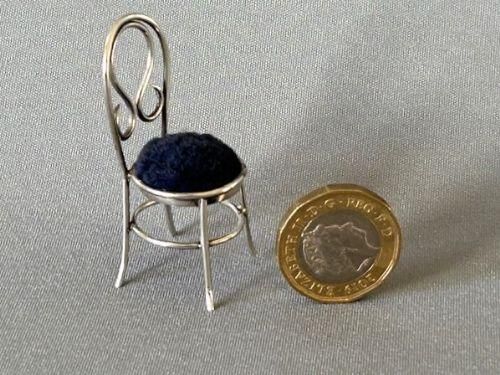
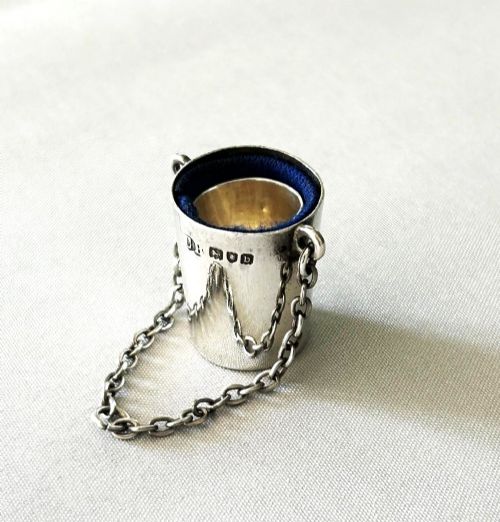
Silversmiths constructed these pieces primarily from solid sterling silver or silver plate, frequently combining the metal with glass, velvet, leather, enamel or brass to add colour and texture. Scent bottles integrate ribbed or overlay glass with silver collars, while pin cushions incorporate panels of coloured velvet or woven textile beneath pierced silver frames.
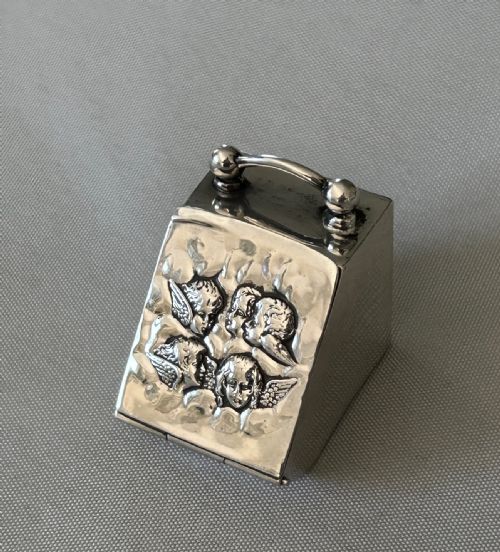
Victorian silversmiths even turned tiny silver boots and coal scuttles into functional sewing receptacles.
Distinctions in Execution
Quality rests on the crispness of the chasing and the fidelity of the miniature scale, where superior examples maintain accurate proportions and sharp surface detail without softening the motifs. Lesser pieces exhibit blurred stamping, careless solder joints and simplified interiors that lack the mechanical ingenuity seen in works by prominent silversmiths.
The retention of original interior elements, such as intact velvet cushion pads, undamaged glass scent bottle liners and working miniature clock movements, elevates the standing of a piece. Hallmarks struck cleanly and legibly on small surfaces further separate standard commercial output from finer workshop productions.
Sampson Mordan and Co·William Comyns·Nathan and Hayes·Saunders and Shepherd·James Dixon
The Victorian Silver Miniature Glossary
- Pin Cushion
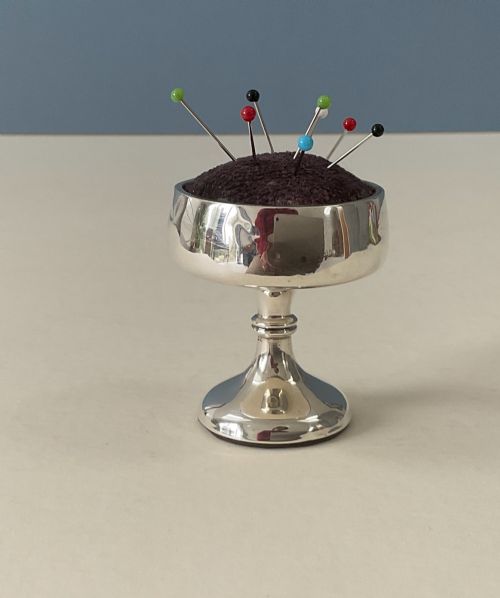
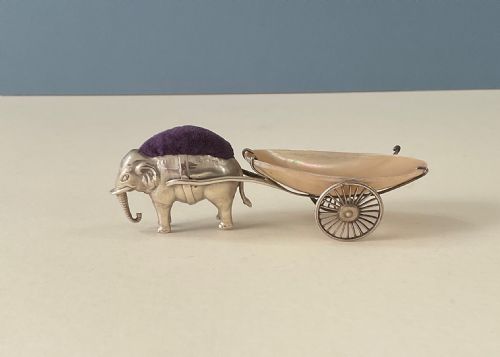
- A small domestic object designed to hold sewing pins, frequently fashioned in this category as novelty animals, chairs or boots. These items combine silver frames with upholstered fabric centres.
- Novelty Silver
- Silver objects shaped to resemble whimsical, unusual or everyday non-silver subjects such as animals, furniture or tools. They were widely produced during the nineteenth century for desk display and personal amusement.
- Chatelaine
- A decorative belt hook worn from the waist with suspended chains carrying small utility items. Miniature silver accessories like perfume flasks, magnifying glasses and whistle pendants hung from these fixtures.
- Assay Office
- An official body that tested precious metals and stamped items with hallmarks to guarantee the standard of silver. Towns like Birmingham, London and Chester maintained distinct marks.
- Go-To-Bed
- A small nineteenth-century portable vesta case or candle holder designed for lighting a bedroom candle before sleep. Miniature versions held tiny wax vestas.
Victorian Silver Miniature: Frequently Asked Questions
What were miniature silver items used for?
These diminutive pieces served primarily as decorative cabinet curiosities, desk ornaments or personal accessories suspended from chatelaines. Wealthy Victorians collected them to display novelty and technical skill in miniature form.
Many pieces also performed practical domestic functions on a reduced scale, such as holding pins, containing small amounts of perfume, marking pages in books or telling the time on a boudoir desk.
How do I identify a Victorian piece?
Examination of the hallmarks stamped on the silver provides the most reliable guide to age and origin. Assay office marks, date letters and maker's marks reveal the exact year of manufacture and the workshop responsible.
Stylistic cues such as Gothic Revival motifs, heavy chasing or specific novelty forms also point directly to the nineteenth century. Comparing construction methods against known period examples helps confirm authenticity.
Are the clock movements original?
Miniature carriage clocks and desk clocks frequently retain their original mechanical movements, though some have undergone professional repair or replacement over time. Inspecting the escapement and gear train reveals whether the interior machinery matches the period of the outer silver case.
Working condition varies across surviving examples, with some pieces functioning reliably and others intended strictly for visual display. Consulting the specific listing details clarifies the current operational state of each clock.
How should I clean silver miniatures?
Cleaning requires extreme caution to avoid damaging delicate soldered joints, miniature mechanisms or delicate inserts like velvet, glass and enamel. Gentle dusting with a soft brush is often sufficient for maintaining the surface.
Harsh liquid dips must be avoided, particularly on pieces with fitted velvet pads or glass liners that cannot be removed. Professional silver cloth used lightly preserves the natural patina without stripping the finer engraved details.