


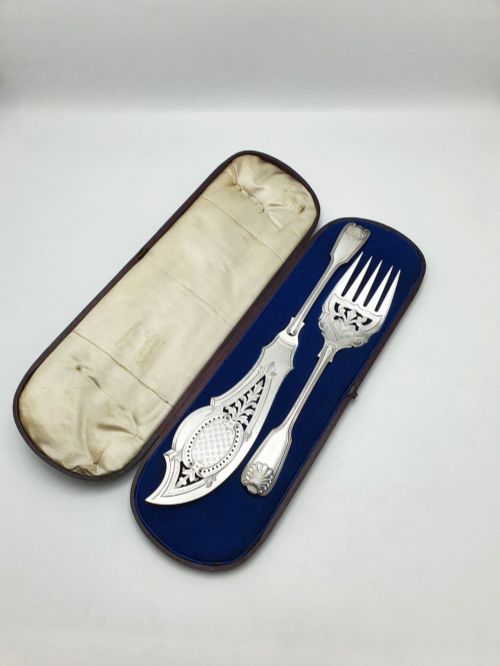

Victorian Silver Knife
When you handle a victorian silver knife, you hold a piece of nineteenth century dining culture defined by bright metal, pearl, and steel.
Victorian Silver Knife
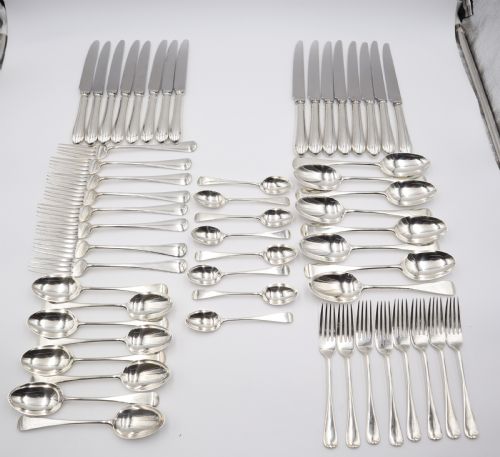
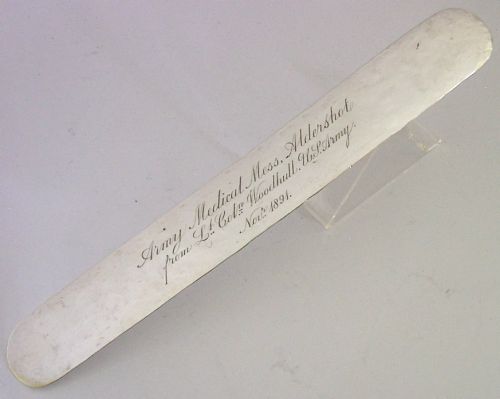
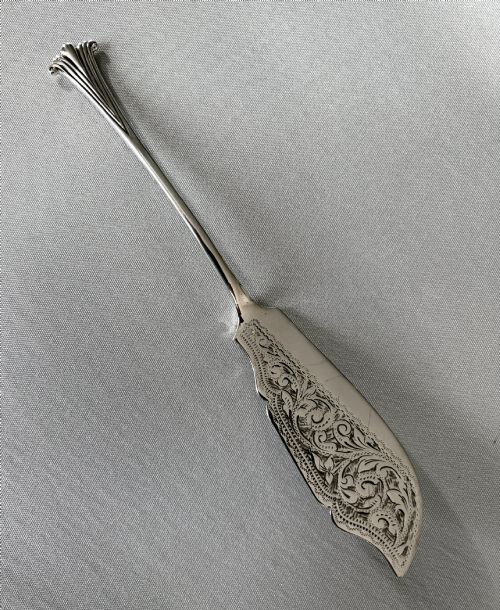
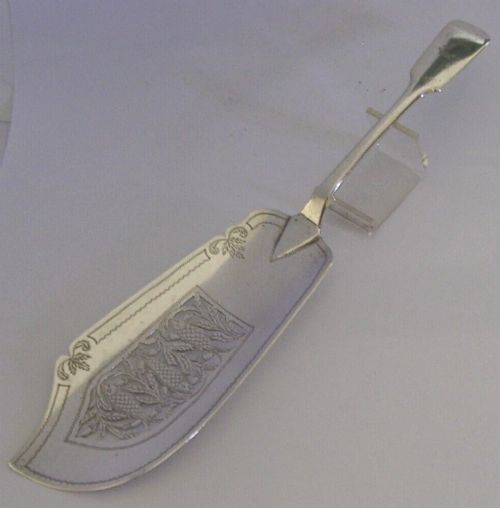
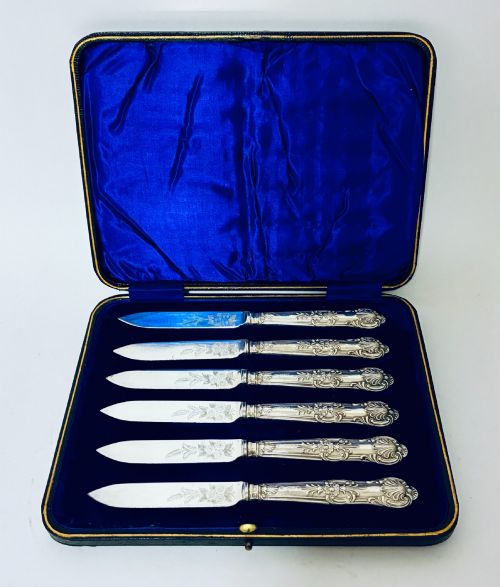
A victorian silver knife spans utilitarian table cutlery, fruit knives with folding blades, and decorative butter knives paired with fitted presentation boxes. These items emerge from the nineteenth century alongside related desk accessories, fish servers, and knife rests.
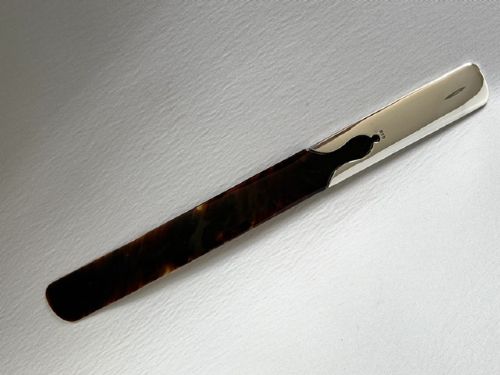
Buyers encounter solid sterling silver blades alongside plated versions and pieces featuring organic handles made from mother-of-pearl, tortoiseshell, and antler. Most examples originate from the Victorian and Edwardian eras, reflecting domestic routines of formal dining and desk correspondence.
How They Were Made
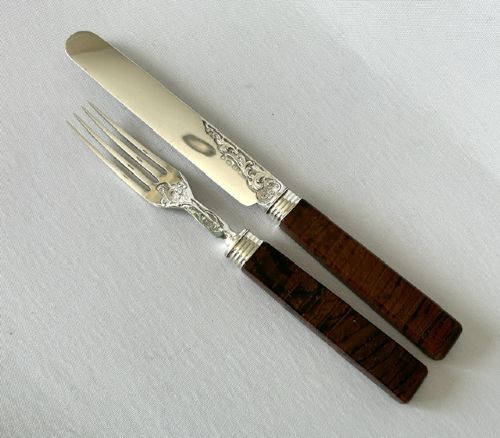
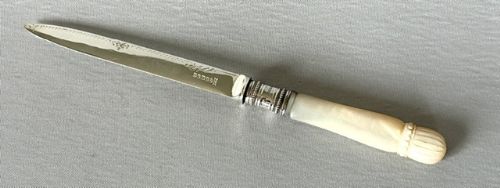
Makers combined sterling silver or silver plate with carbon steel for cutting edges, securing them with pinned construction. Handles utilised natural materials including mother-of-pearl, agate, tortoiseshell, and antler horn shaped to fit the hand.
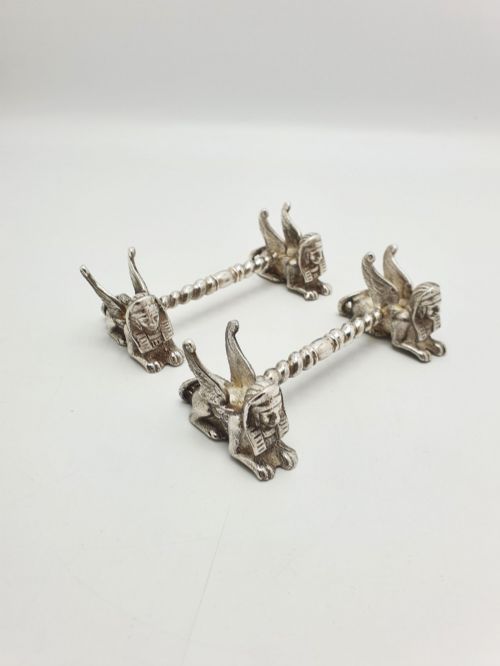
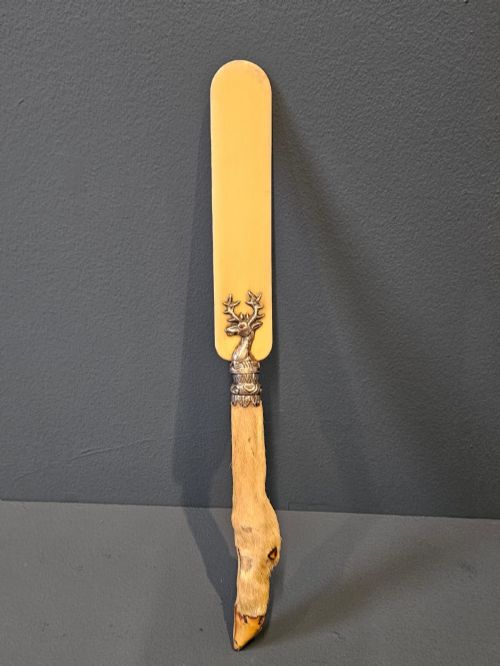
Surface decoration involved crisp hand engraving, cast figural elements such as animal heads and sphinxes, and traditional patterns like Fiddle and Onslow. Silversmiths utilised Sheffield and Birmingham workshops to stamp hallmarks verifying metal purity and origin.
Victorian Silver Knife Retail Price Guide 2026
Typical asking prices for victorian silver knife among the pieces listed under this phrase on Sellingantiques today, from the lower quarter to the upper quarter. They describe what is for sale here now, not the wider market.
The inventory combines functional table cutlery with desk accessories including letter openers and page turners.
What Varies in Quality
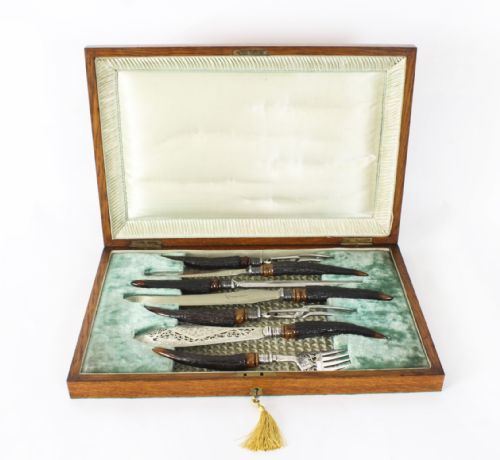
Quality rests on the crispness of cast details on figural elements, the depth of hand engraving, and the secure mounting of organic handle materials. Finer specimens retain original fitted presentation cases and matching forks.
The choice between solid sterling silver and silver plate alters the weight and longevity of the piece. Superior examples display balanced proportions, clear hallmarks, and undamaged mother-of-pearl or tortoiseshell surfaces.
Walter and John Barnard·Jonas Bowen and Sons·John Gilbert·Elkington and Co·Allen and Darwin·Chawner and Co·Walker Knowles
The Victorian Silver Knife Glossary
- Sterling Silver
- A silver alloy containing 92.5 percent pure silver by mass and 7.5 percent other metals, usually copper. This standard alloy provides the durability required for functional cutlery.
- Mother-of-Pearl
- The iridescent inner layer of mollusc shells used widely for decorative knife handles. Its natural shimmer made it a favoured choice for fruit and butter knives.
- Silver Plate
- A thin layer of silver applied to a base metal core such as copper or nickel silver. This technique allowed makers to produce affordable dining wares during the nineteenth century.
- Onslow Pattern
- A distinctive eighteenth and nineteenth century silverware scroll pattern featuring a scrolled terminal curling downward. It appears on tableware including butter knives.
- Knife Rest
- A small horizontal support placed on the table to keep carving or table knife blades from touching the tablecloth. Victorian examples often took novelty animal forms.
- Fiddle Pattern
- A nineteenth century flatware design characterised by a stem shaped like a fiddle or violin. It remains a standard form found across antique cutlery sets.
Victorian Silver Knife: Frequently Asked Questions
What is a victorian silver knife used for?
These pieces served specific domestic tasks at the dining table, from slicing fruit and spreading butter to serving wedding cake. Folding pocket versions allowed individuals to carry a personal utensil.
Larger serving knives accompanied matching forks within fitted presentation boxes for formal occasions. Specialised designs included pip removers and specialised blades for fish and dessert courses.
How do I clean antique silver?
Cleaning requires a soft cloth and specialised silver polish formulated to remove tarnish without abrading the metal surface. Avoid harsh chemical dips, especially on pieces with organic handles.
Water should be kept away from mother-of-pearl, tortoiseshell, and horn handles to prevent separation and cracking. Gentle wiping preserves the delicate hand engraving found on Victorian blades.
How do I date my piece?
Dating relies on stamped hallmarks that record the assay office, metal standard, and date letter assigned to the year of manufacture. Stylistic clues like aesthetic movement engraving or specific handle materials help narrow the period.
Makers' marks stamped into the silver provide further records of active workshop years. Comparing form and decorative motifs against documented nineteenth century patterns confirms the era.