


Victorian Silver Gilt
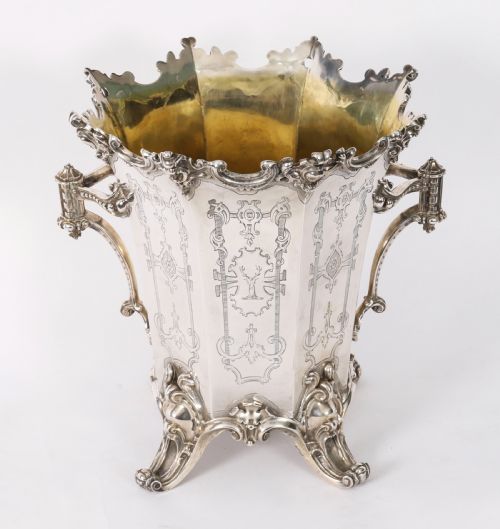
Victorian silver gilt objects combine sterling silver bases with a rich gold coating, offering items from small snuff boxes to large presentation pieces.
Victorian Silver Gilt
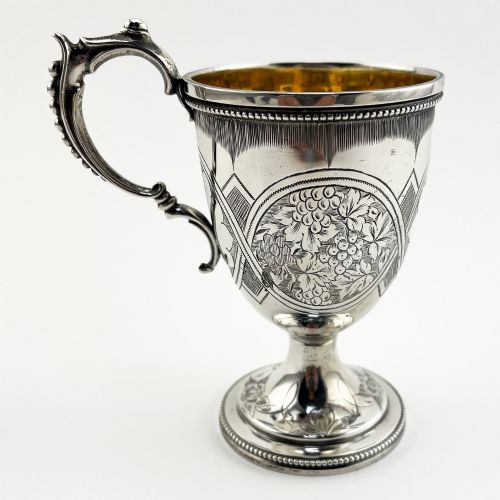
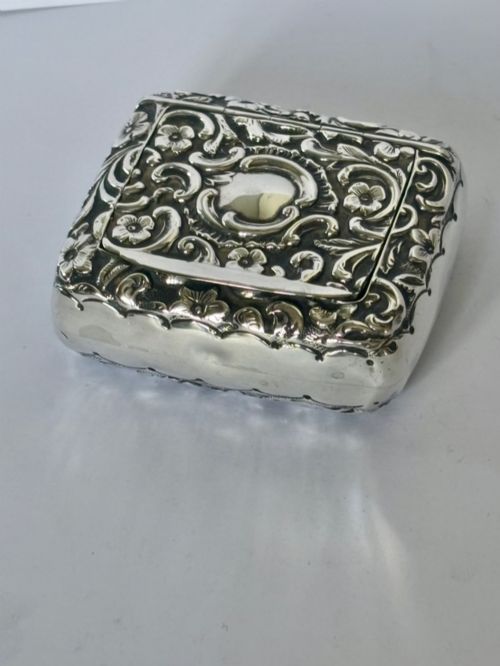
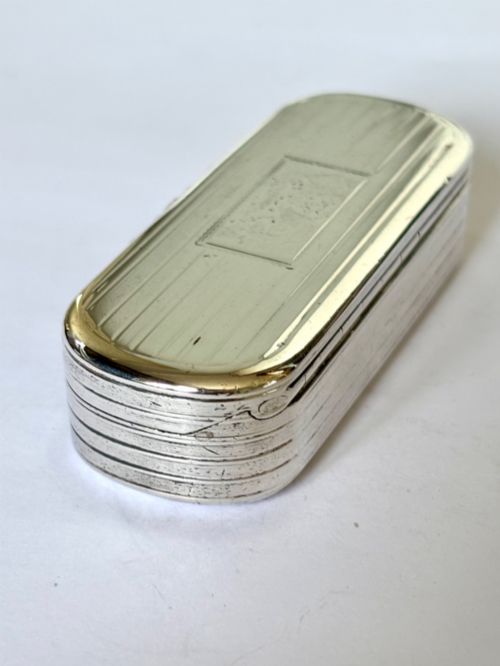
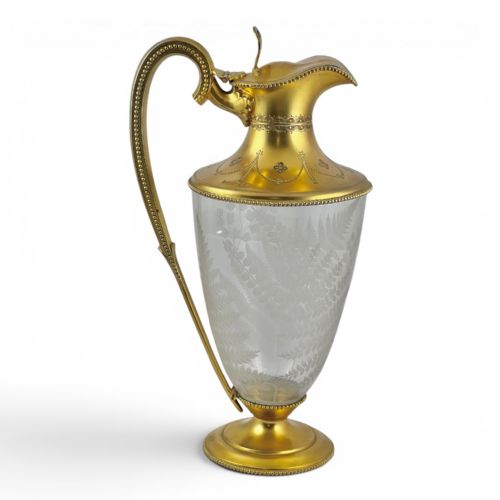
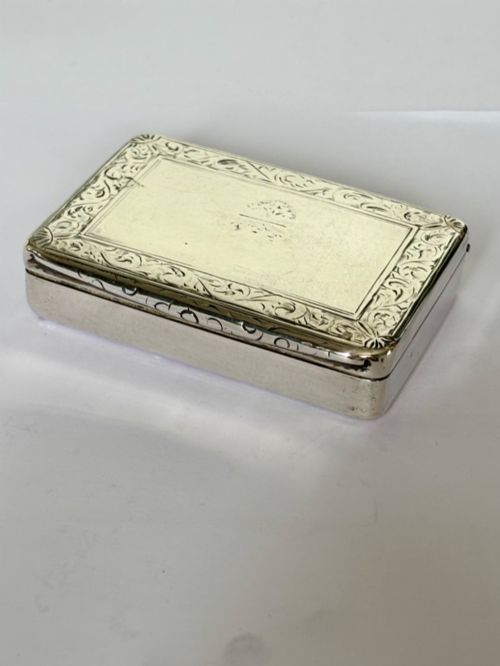
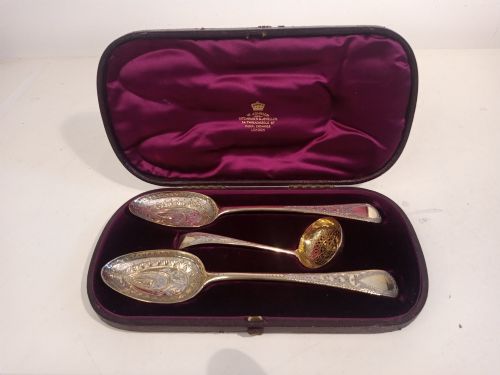
Items associated with victorian silver gilt span functional personal accessories and decorative tablewares produced during the nineteenth century. Buyers encounter pocket-sized items such as vinaigrettes, snuff boxes, vesta cases, and scent bottles alongside larger domestic objects including claret jugs, christening mugs, and fruit spoons.
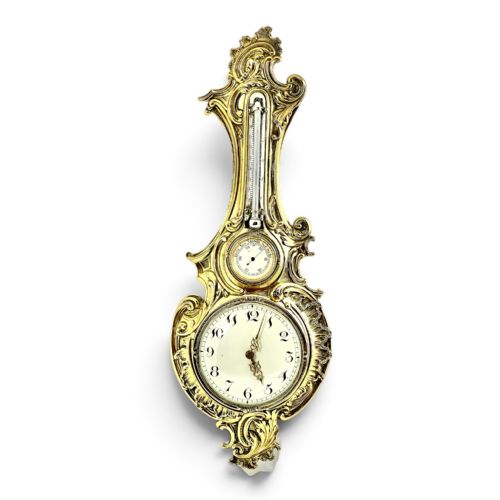
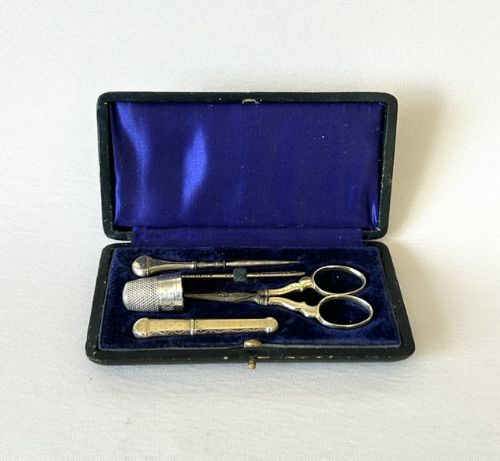
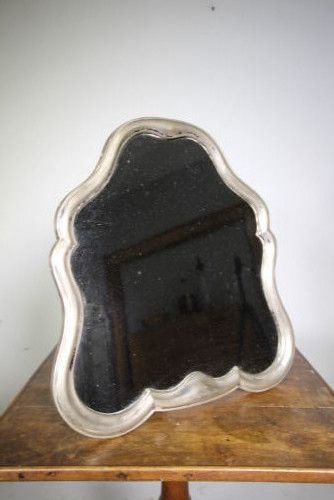
The selection reflects both English assay office production and continental output, featuring styles that range from restrained early examples to ornate revivalist designs. Smaller necessaires, sewing compendiums, and chatelaine pieces appear frequently alongside larger mirrors and serving vessels.
Materials and Techniques
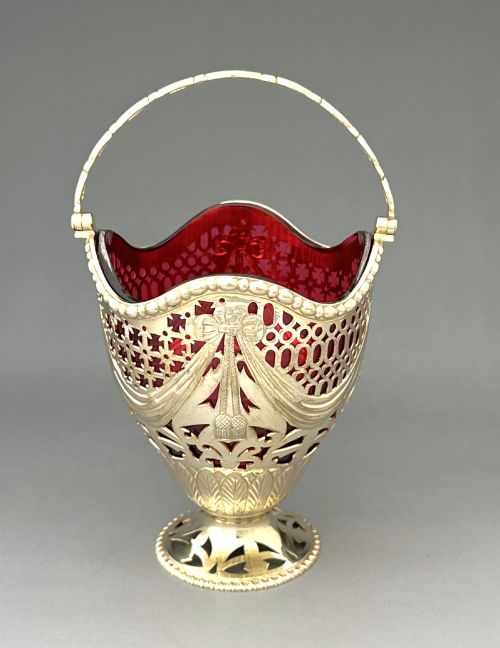
Makers utilised sterling silver as the primary structural metal, applying a layer of gold via gilding techniques to achieve a warm yellow finish over the white metal. Coloured glasses such as cranberry, ruby, and green frequently accompany the metalwork in scent bottles, jugs, and baskets.
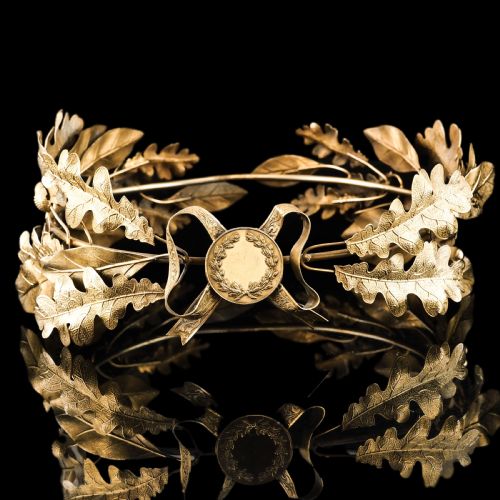
Surface ornamentation relied on hand-chasing, repousse work, embossing, and delicate filigree wirework to create textured floral, foliate, and pictorial reliefs. Many items incorporate natural stones, turquoise, paste gems, or agate panels set directly into the gilded mounts.
Materials paired with silver gilt include cranberry glass, agate, turquoise, and velvet.
Quality and Execution
Depth and crispness of hand-chased decoration distinguish standard production from superior pieces, where floral motifs and figural scenes retain sharp relief. The thickness and durability of the gold wash over the underlying silver base affect longevity and visual warmth.
The integration of secondary materials, such as undamaged coloured glass liners, natural mineral stones, or operating mechanical closures in novelty vesta cases and vinaigrettes, marks the standard of the maker's workshop.
Henry Matthews·Robert Thornton·Edward Smith·Nathaniel Mills·Sampson Mordan·Francis Clark·Elkington and Co
The Victorian Silver Gilt Glossary
- Silver gilt
- Sterling silver coated with a thin layer of gold through electrochemical or fire-gilding methods. This technique protects the silver base while providing the rich appearance of solid gold.
- Vinaigrette
- A small ornamental box featuring an internal pierced grille that held a sponge soaked in aromatic vinegar. These portable containers were popular personal accessories throughout the nineteenth century.
- Repousse
- A metalworking technique where the artisan hammers the design from the reverse side to form a raised relief on the front. Details are subsequently refined from the front using punches and chisels.
- Filigree
- Delicate decorative work constructed from fine twisted gold or silver threads soldered together in openwork patterns. It appears frequently on baskets and small decorative boxes.
- Vesta case
- A pocket-sized container designed to hold matches, typically fitted with a striking surface on the base. Victorian examples often feature engraved decoration or novelty animal and figural forms.
Victorian Silver Gilt: Frequently Asked Questions
What is the difference between silver gilt and silver plate?
Silver gilt consists of a solid sterling silver base covered with a layer of gold. Silver plate involves a base metal, such as copper or white metal, coated with a thin layer of silver.
Examining the hallmarks helps distinguish between them, as sterling items carry standard assay office marks indicating solid silver content. Plated items usually bear maker-specific marks for electroplate rather than official crown or leopard head stamps.
How can I date my Victorian silver piece?
English pieces feature hallmarks that include a date letter indicating the exact year of assay. Additional stamps show the maker's mark and the assay office city, such as Birmingham or London.
Matching the stamped letter against standard date charts reveals the year of manufacture. Stylistic clues like rococo revival chasing or aesthetic movement engraving help narrow the decade if hallmarks are rubbed.
Were these items meant for daily use?
Many Victorian pieces served practical functions in upper-class households, from pouring wine at dinner to carrying matches or medicinal vinegars. Wealthy owners utilised them as functional status symbols during social gatherings.
Over time, many transitioned into display objects or vanity items. Today, collectors preserve them as cabinet pieces rather than utilising them for their original everyday purposes.