
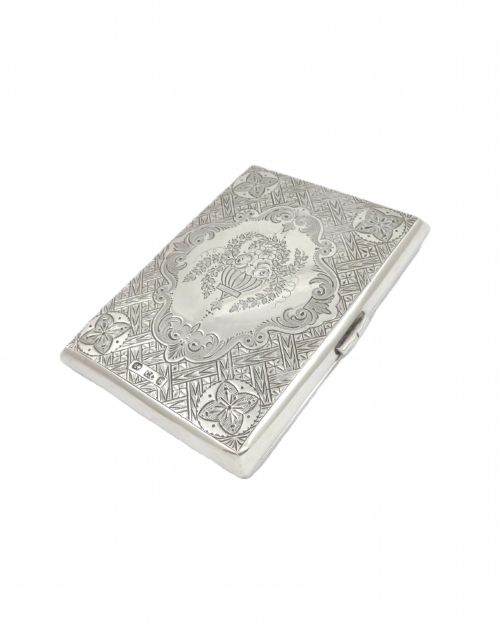
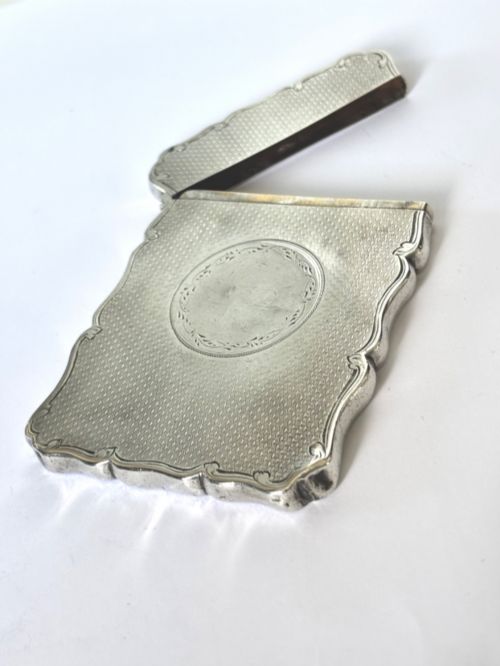


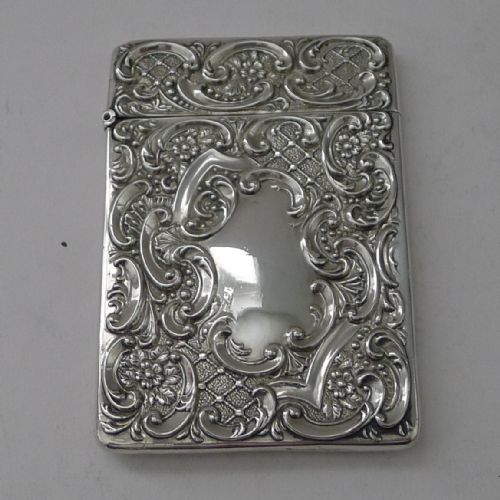


Victorian Silver Calling Card Case
A victorian silver calling card case is a compact pocket accessory designed for social correspondence, prized for intricate engraving and tactile metalwork.
Victorian Silver Calling Card Case
A victorian silver calling card case serves as a pocket receptacle for small visiting cards exchanged during nineteenth-century social calls. These pieces reflect strict etiquette, protecting paper cards from bending or damage within pockets and reticules.
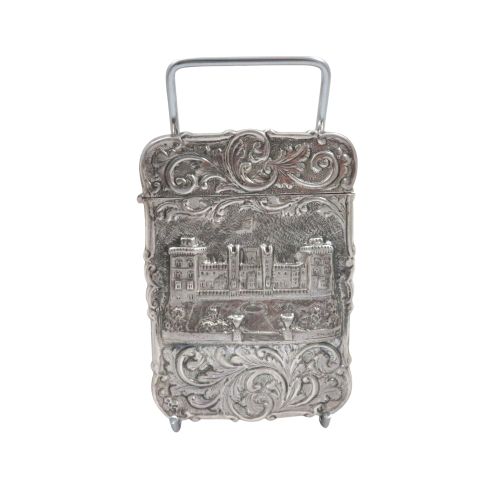
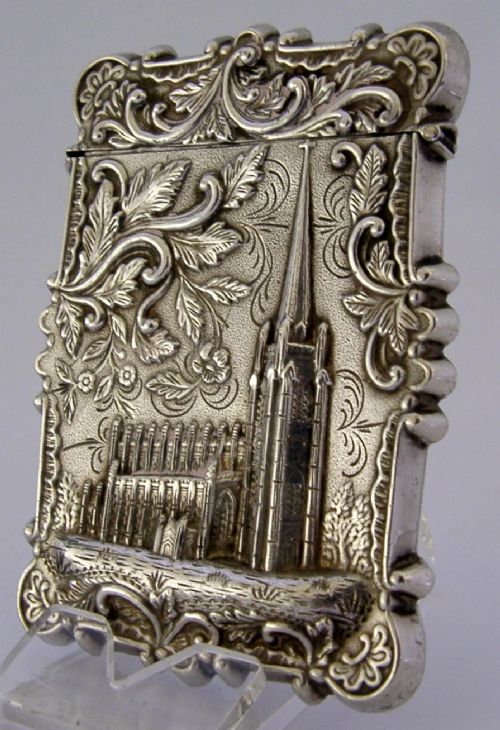
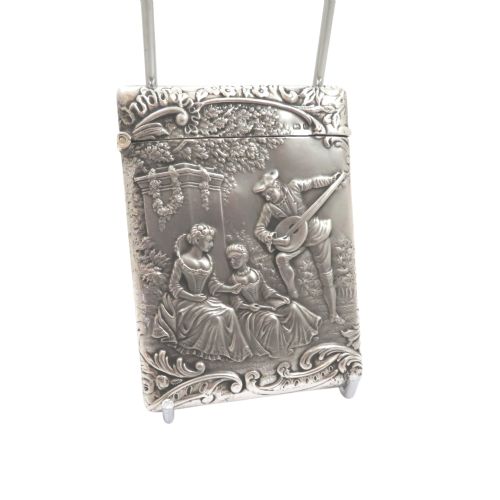
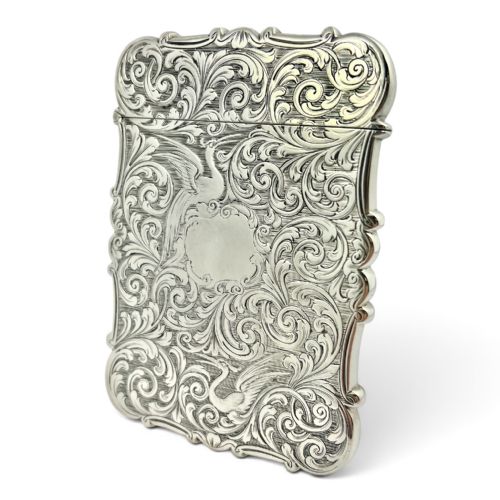
Formats range from slim hinged boxes to aide memoire variants with internal writing tablets. Architectural castle top designs depicting landmarks such as Windsor Castle and St Paul's Cathedral appear alongside geometric repoussé and figural scenes.
Evaluating Quality
Quality rests upon the crispness of the chased or engraved detail and the architectural accuracy of specific landmarks on castle top variants. Pieces bearing the marks of noted makers demonstrate superior hand finishing compared to mass-produced alternatives.
The structural integrity of the hinge and the snugness of the push button or snap closure dictate daily usability. Heavy gauge silver resists denting better than thin sheet metal, maintaining structural form through decades of handling.
The integration of organic inlays such as mother of pearl or tortoiseshell separates standard items from exceptional survivals. Well-matched grain patterns and tight joints indicate superior workshop standards.
One surviving nineteenth-century piece combines a silver exterior with a nameplate engraved simply for Nellie.
Nathaniel Mills·George Unite·Hilliard & Thomason·Cronin & Wheeler·William Neale·Foxall & Co
The Victorian Silver Calling Card Case Glossary
- Castle top
- A descriptive term for silver items featuring high relief depictions of British or international architectural landmarks. These scenes are typically hand chased or struck from steel dies.
- Sterling silver
- An alloy consisting of silver and other metals, usually copper, standardised at a specific purity for durability. British pieces commonly display assay office marks confirming this standard.
- Repoussé
- A metalworking technique where the artisan hammers the design from the reverse side to create low relief ornamentation on the front. This method appears on Indian silver examples.
- Aide memoire
- A small pocket notebook or case incorporating ivory or paper leaves for recording appointments and social notes. Some incorporate pencil holders alongside card storage.
- Assay office
- An official body responsible for testing the purity of precious metals and stamping them with hallmark symbols. Birmingham and Chester offices appear frequently in these records.
Victorian Silver Calling Card Case: Frequently Asked Questions
How were calling card cases used?
Victorian ladies and gentlemen used these cases to store engraved visiting cards when making social calls. Leaving a card indicated a formal visit had been paid.
The slim containers fit easily into pockets or small evening bags, keeping the paper cards crisp and clean until presentation.
How do I date an antique silver case?
Dating relies upon the hallmarks stamped into the silver, which include assay office symbols, date letters, and maker marks. Comparing these marks against historical registry tables gives the exact year of manufacture.
Stylistic shifts, such as the introduction of Edwardian motifs or Victorian Gothic Revival elements, provide a secondary guide when hallmarks are rubbed.
Are mother of pearl cases fragile?
Mother of pearl panels require careful handling because the thin organic material can crack under sharp impacts or extreme pressure. They need gentle cleaning without harsh chemical dips.
Despite this delicacy, thousands survive intact because owners stored them carefully within protective leather pouches or fitted cases.