



Victorian Shelf Clock
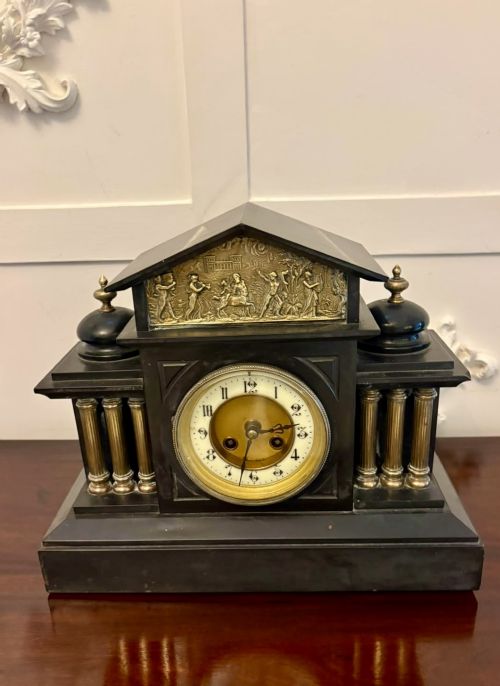
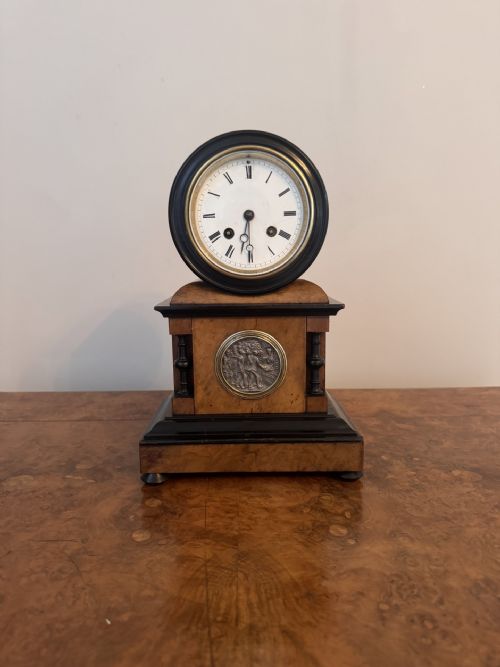
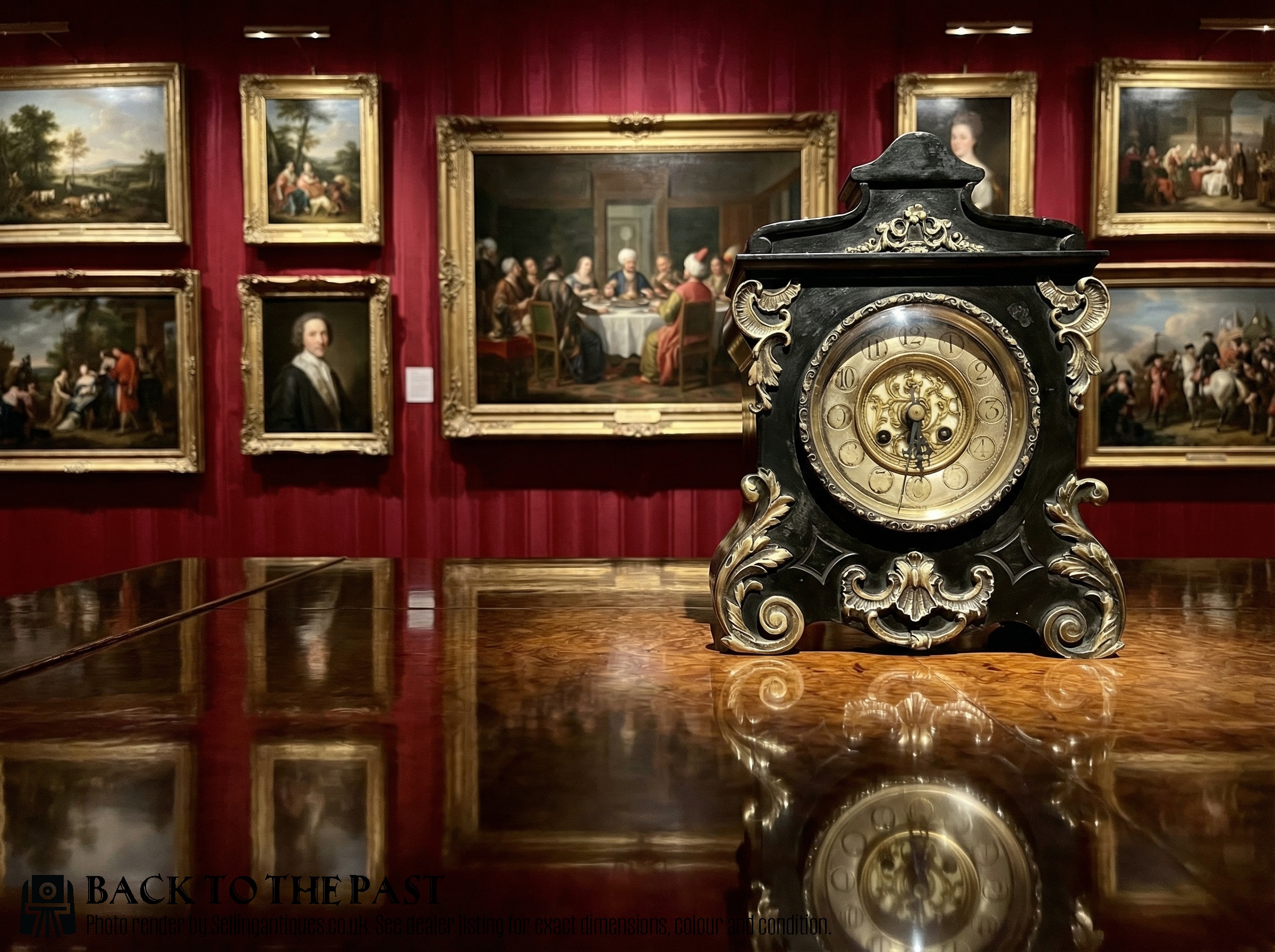
These Victorian shelf clock examples combine mechanical precision with domestic sculpture, offering timekeeping housed in marble, bronze, and rich timbers.
Victorian Shelf Clock
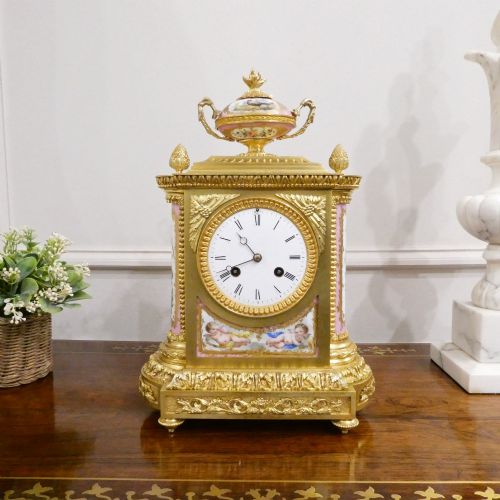
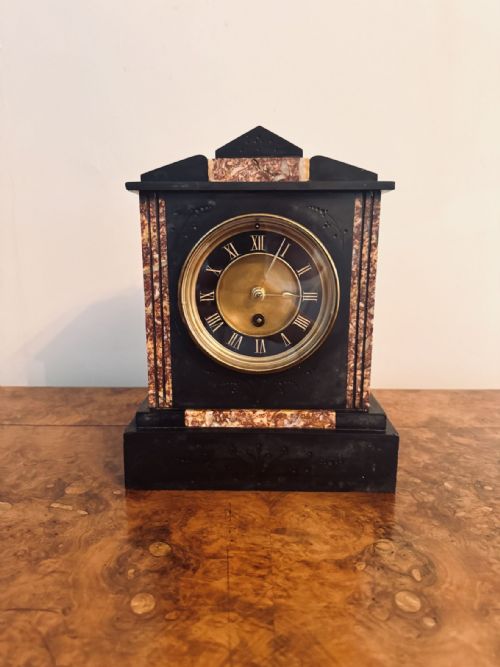
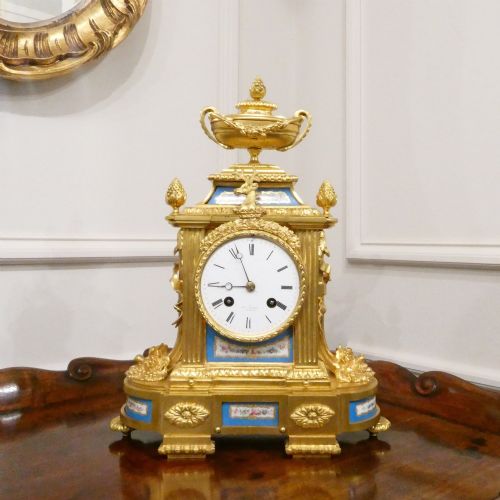
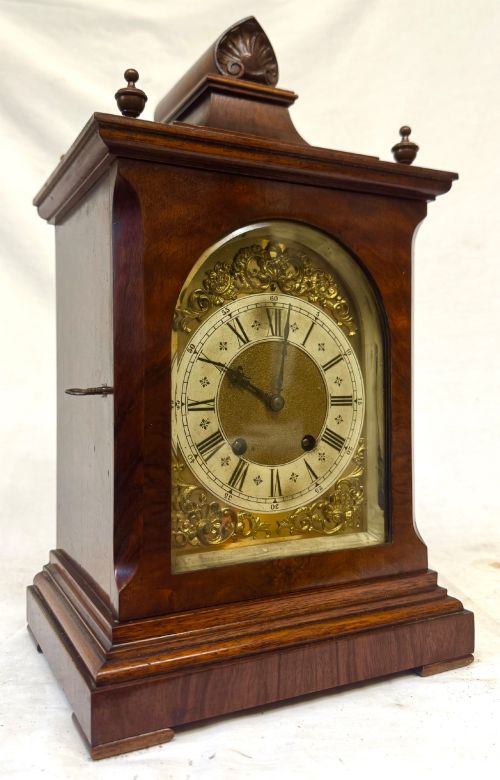
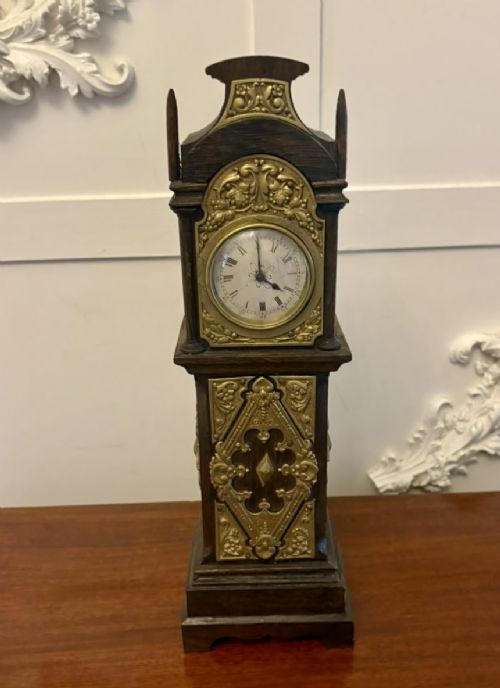
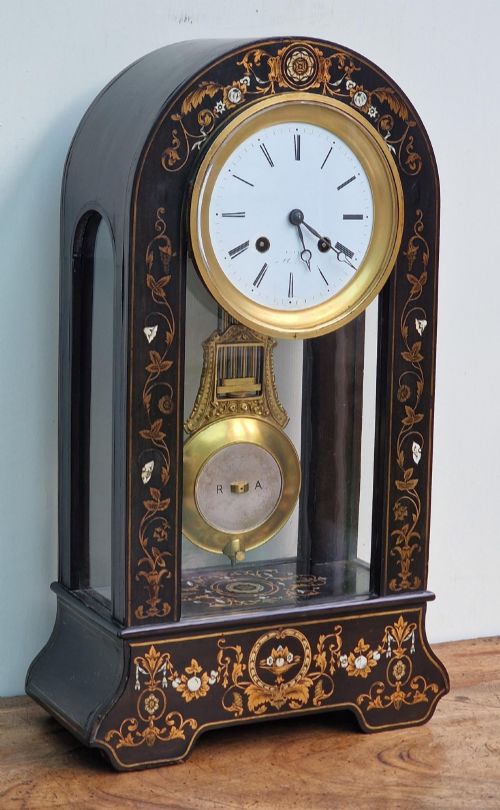
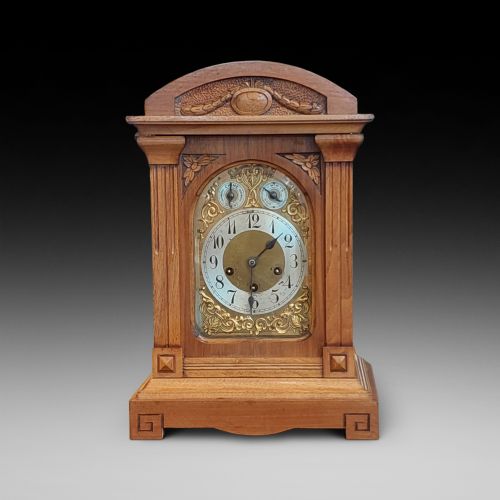
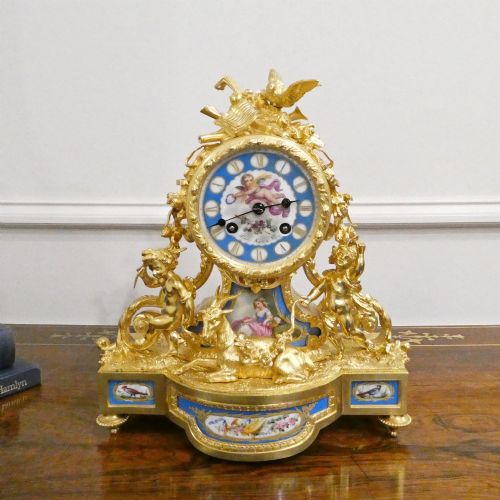
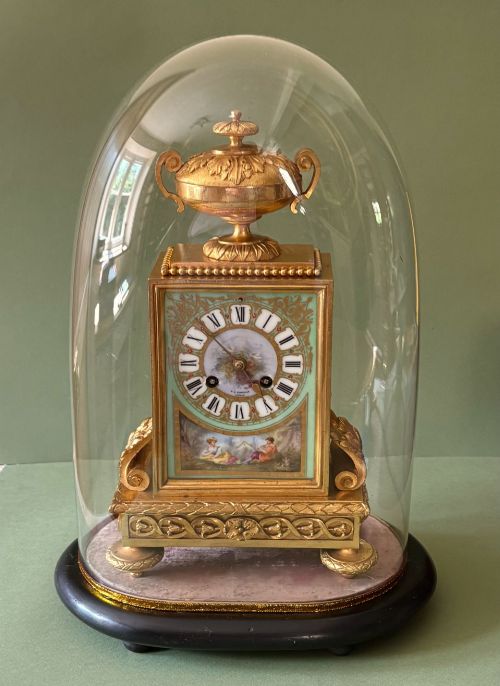
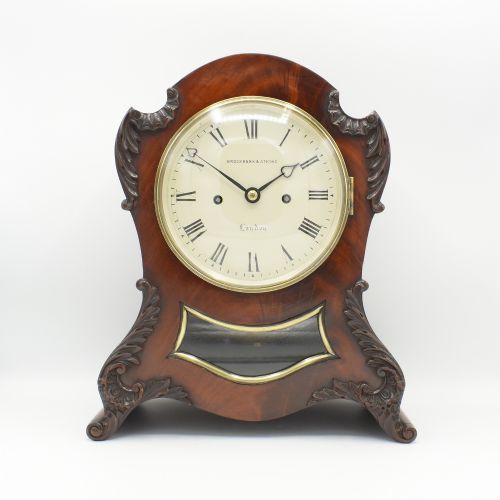
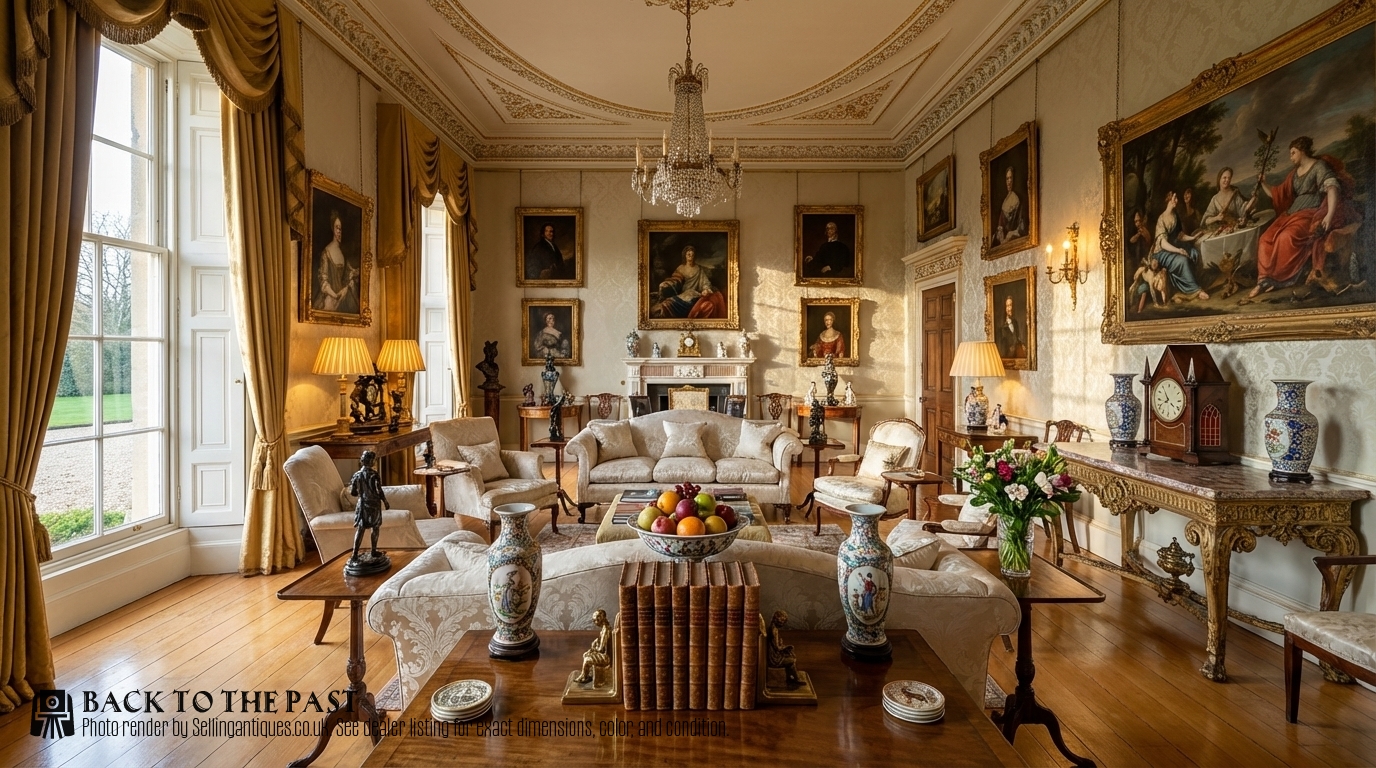
A victorian shelf clock serves as both a timekeeper and a decorative centrepiece for a mantelpiece or bracket shelf. The selection encompasses architectural marble designs, mahogany cases, and ornate French gilt bronze models adorned with porcelain panels.
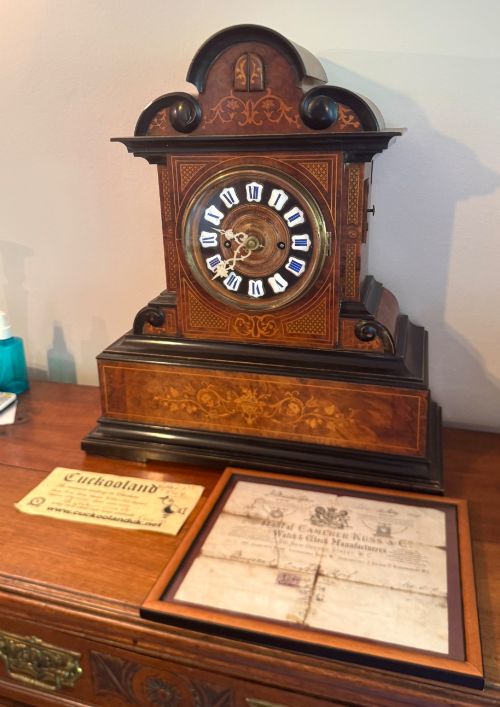
Buyers encounter diverse regional influences alongside domestic British production, notably French Rococo revival pieces and German walnut movements. Forms range from compact carriage clocks and drumhead mantel pieces to large architectural stone cases.
The aesthetic bridges the nineteenth century, drawing on styles from Louis XVI revival to neoclassical symmetry. Many examples incorporate decorative details such as champleve enamel, ormolu mounts, and ebonised wood highlights.
Materials and Construction
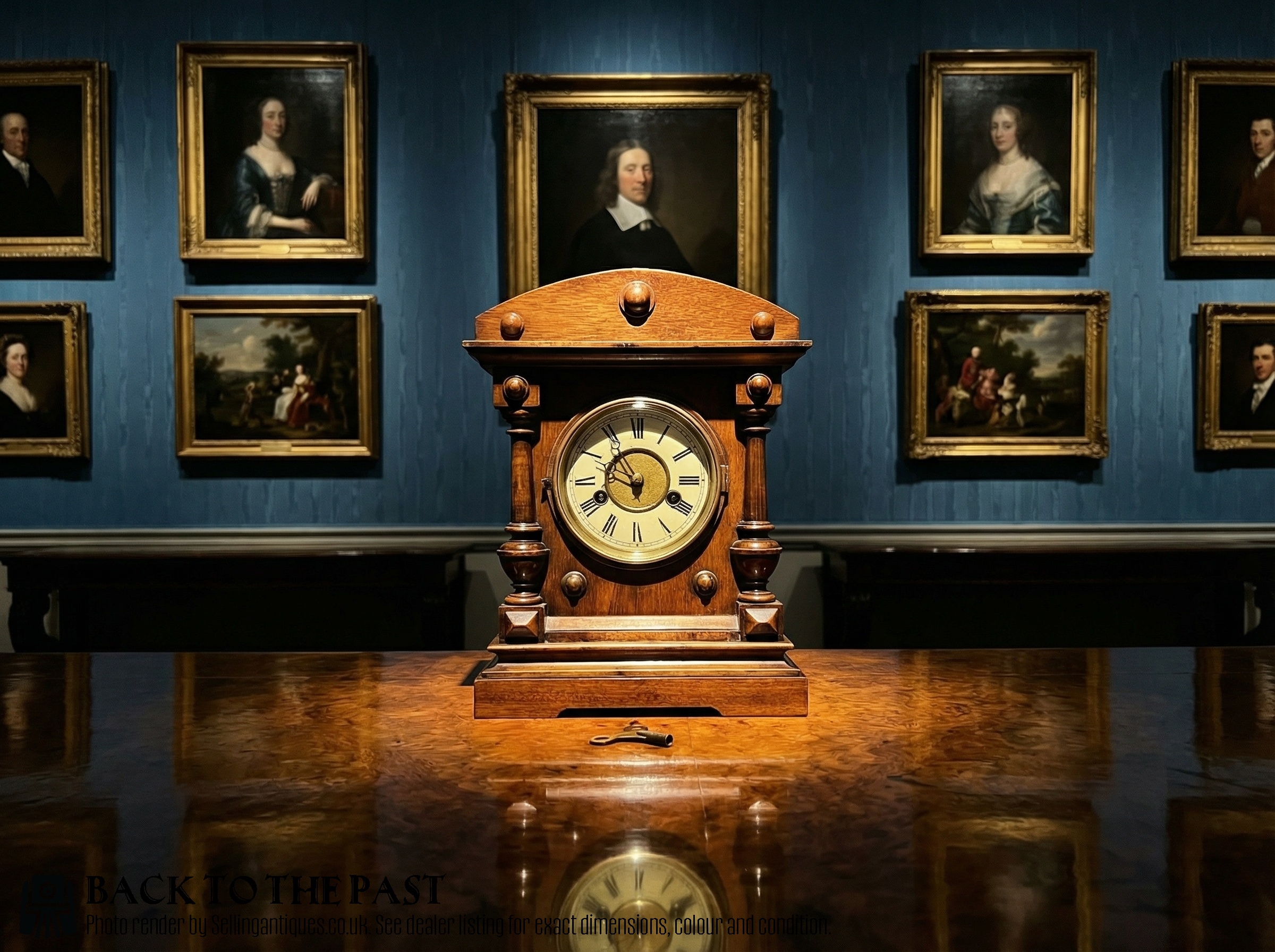
Cases combine natural stones like rouge and sienna marble with metals including brass, gilt bronze, and ormolu. Wood versions utilise walnut, mahogany, satinwood, and ebonised finishes, occasionally featuring marquetry or faux tortoiseshell.
Glass plays a structural role in four-glass models and dial covers, protecting enamelled faces and delicate mechanical hands. Bronze mounts and porcelain plaques are integrated into the casework to create ornate visual texture.
Victorian Shelf Clock Retail Price Guide 2026
Typical asking prices for victorian shelf clock among the pieces listed under this phrase on Sellingantiques today, from the lower quarter to the upper quarter. They describe what is for sale here now, not the wider market.
Listings feature brass, glass, enamel, marble, porcelain, gilt bronze, ormolu, and ebonised wood across nineteenth century periods.
Assessing Craftsmanship and Detail
Quality rests in the crispness of the bronze chasing, the depth of the marble polishing, and the integration of porcelain elements. Superior examples display refined hand-carving in wood cases and intricate mounts without casting flaws.
Movement sophistication sets higher tiers apart, evidenced by striking mechanisms, repeater functions, and named maker signatures on dials or backplates.
Jean-Baptiste Delettrez·H.A.C.·Lenzkirch·Henry Marc·Brockbanks and Atkins·Howell and James London·Sir John Bennett·Philippes Paris
The Victorian Shelf Clock Glossary
- Ormolu
- Gilded bronze applied to clock cases for decorative metallic highlights. This technique gives a bright golden finish that catches the light.
- Champleve
- An enamelling technique where troughs are dug into metal and filled with vitreous colour before firing. It creates vibrant patterned borders around dials and bezels.
- Boulle
- Marquetry style using tortoiseshell and brass inlay developed in France. It adds intricate contrasting patterns to wooden clock cases.
- Carriage Clock
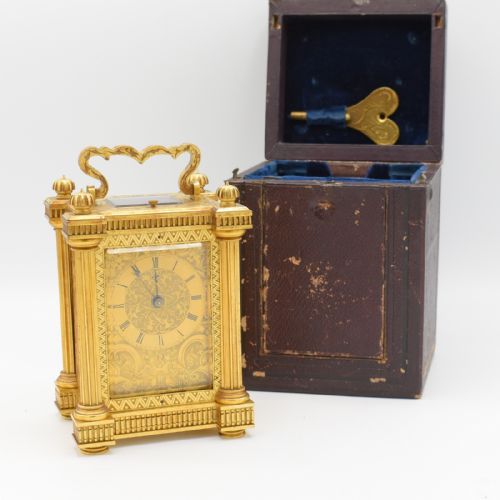
- A small portable timekeeper originally designed for travelling. These feature glazed sides and a folding handle on top.
- Gorge Case
- A specific rectangular carriage clock case design with stepped mouldings on the top and base. This housing style is typical of better quality nineteenth century portable clocks.
Victorian Shelf Clock: Frequently Asked Questions
How do I wind a Victorian shelf clock?
Most mechanical models use a key inserted into winding holes on the dial to tension the spring-driven movement. Care must be taken not to overwind the mainspring.
Striking and repeating complications require understanding whether the clock hits on hours or half-hours before adjusting the hands.
Where should I place a heavy marble clock?
Stonework cases demand a sturdy surface like a strong mantelpiece or a dedicated wall bracket to safely support the considerable weight.
Level placement ensures the pendulum swings evenly and the clock keeps accurate time without stopping.
How do French and English Victorian clocks differ?
French examples often lean towards gilt bronze, porcelain panels, and ornate revival styles like Rococo or Louis XVI. British versions frequently favour timber cases in mahogany, walnut, or satinwood with restrained architectural lines.
Both traditions produced reliable mechanical movements, though dial signatures and case silhouettes usually reveal the country of origin.
How can I tell the period of a clock?
Case materials, dial styles, and construction techniques provide clear chronological clues. The presence of specific revival motifs or specific maker signatures helps narrow down the production decade.
Examining the backplate of the movement often reveals stamped serial numbers or manufacturer marks tied to nineteenth-century production records.