

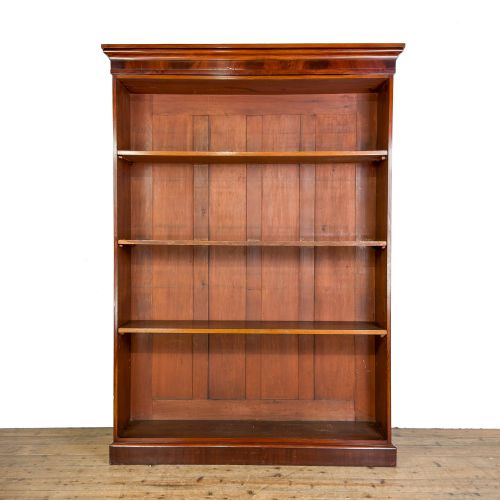


Victorian Shelf Back Cabinet
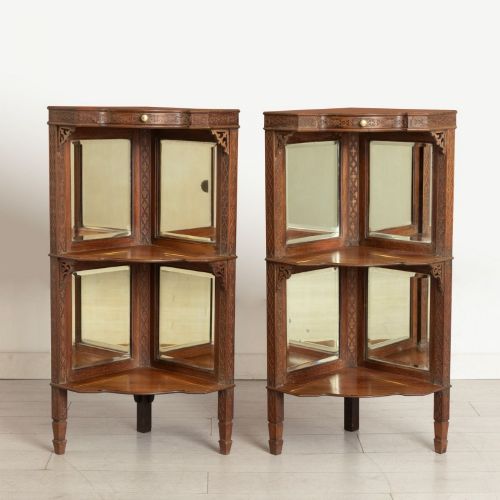
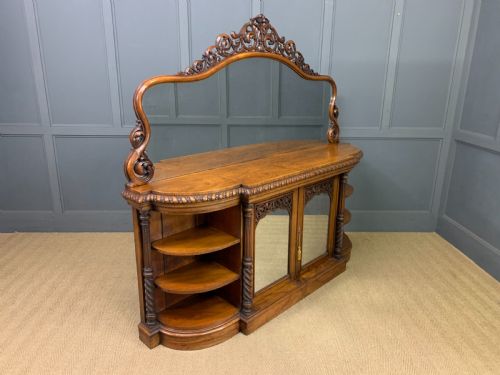
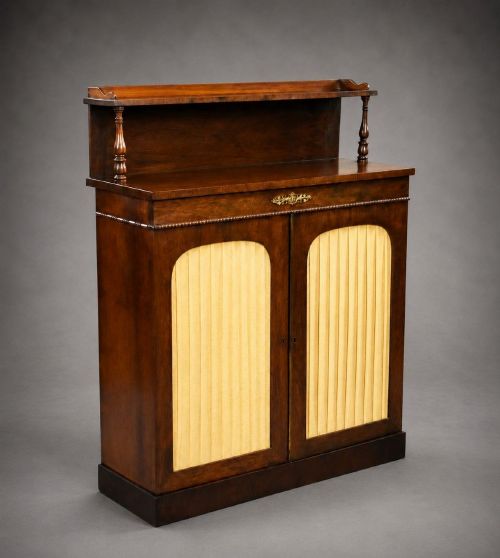
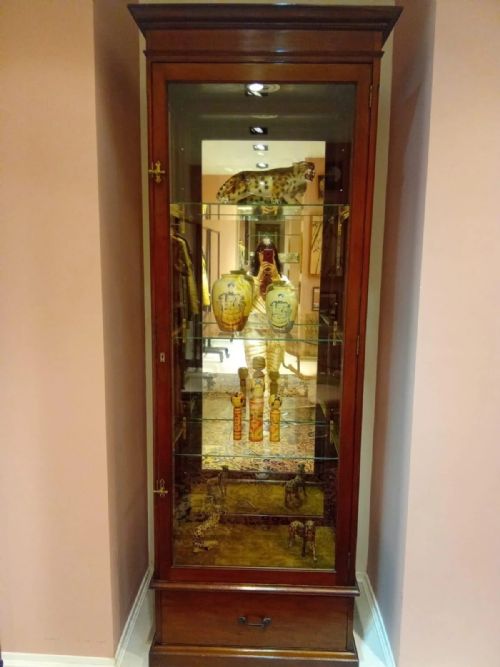
A victorian shelf back cabinet provides an elevated surface and display tier, combining practical storage with the decorative architectural lines typical of nineteenth-century rooms.
Victorian Shelf Back Cabinet
When searching for a victorian shelf back cabinet, buyers encounter a variety of related display furniture including chiffoniers, whatnots, bookcases, and side cabinets originating primarily from the nineteenth century.
The pieces on this page span the Victorian and Edwardian periods, stretching from the mid-nineteenth century into the early twentieth century, alongside occasional William IV examples.
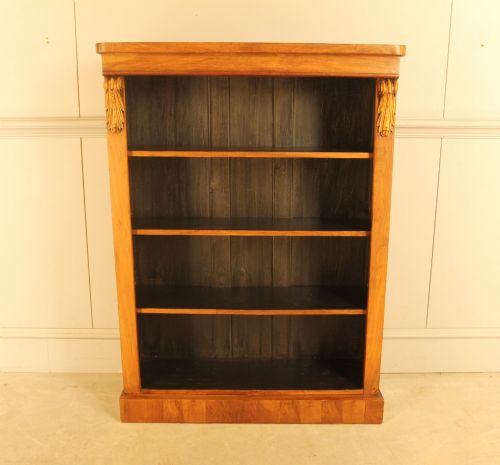
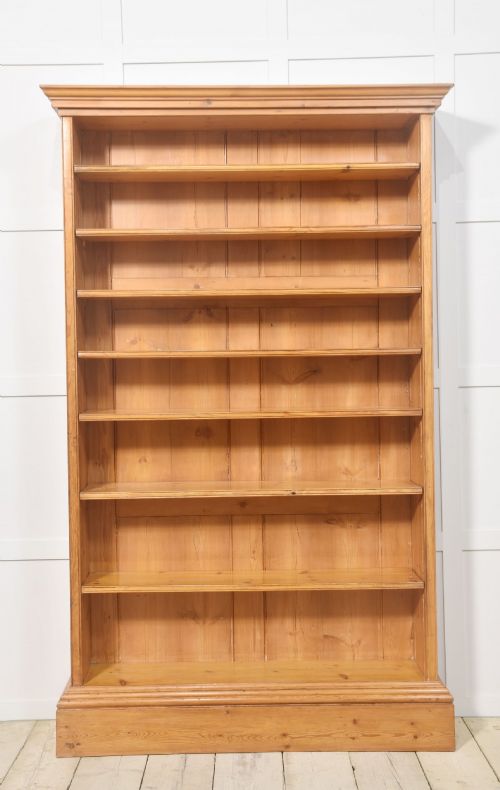
Open bookcases, mirror back credenzas, and multi-tiered display shelves dominate the selection, offering surface space paired with enclosed lower storage or open shelving.
Materials and construction
Cabinet makers utilised dense hardwoods such as mahogany, walnut, burr walnut, and rosewood, often selecting figured veneers to create rich surface patterns on the doors and panels.
Many designs incorporate mirrored backs, glass panels, and brass or ormolu mounts, while structural elements frequently employ pine and teak within the carcase construction.
Victorian Shelf Back Cabinet Retail Price Guide 2026
Typical asking prices for victorian shelf back cabinet among the pieces listed under this phrase on Sellingantiques today, from the lower quarter to the upper quarter. They describe what is for sale here now, not the wider market.
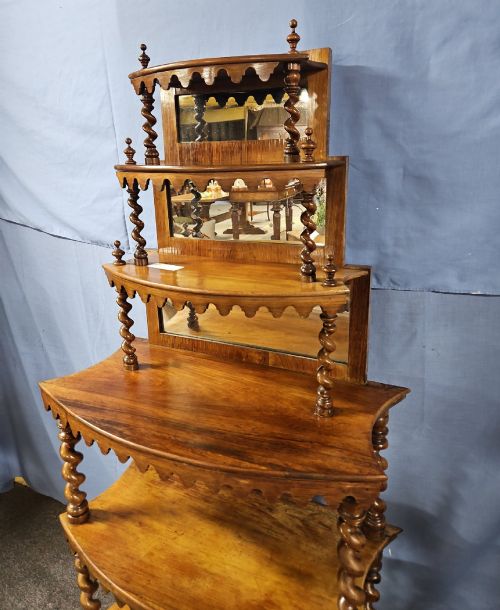
Some Victorian whatnots feature hollow barley twist columns, turning upright wooden spirals into miniature architectural marvels.
Assessing craftsmanship
Quality in these cabinets rests upon the selection of timber, such as highly figured burr walnut or dense rosewood, and the precision of inlaid details or carved architectural ornaments.
Superior examples demonstrate refined proportions, integrated mirror work, and sophisticated internal fittings like adjustable glass shelves, distinguishing them from simpler utility pieces.
George Edmund Street·Edwards & Roberts·Town and Emanuel
The Victorian Shelf Back Cabinet Glossary
- Chiffonier
- A low sideboard cabinet, typically featuring a shelf back or mirror superstructure above enclosed lower cupboards.
- Whatnot
- A set of open display shelves supported by slender columns or turned uprights, designed for ornaments and books.
- Credenza
- A side cabinet or sideboard originating from continental furniture traditions, frequently fitted with mirrored backs and glass doors.
- Burr walnut
- Timber taken from the gnarled growth of a walnut tree, prized for its swirling, decorative grain patterns.
- Ormolu
- Gilt bronze mounts applied to furniture for decorative enrichment during the nineteenth century.
Victorian Shelf Back Cabinet: Frequently Asked Questions
What is a shelf back cabinet?
A shelf back cabinet is a nineteenth-century storage piece featuring an integrated upper tier or gallery of shelves mounted to the rear of the main surface.
These tiers were utilised for displaying small ornaments, porcelain, or books while keeping the primary surface clear for everyday use.
How do I date a Victorian cabinet?
Dating these cabinets involves examining the secondary timbers, fixing methods, and the stylistic vocabulary of the carving or veneer work.
Mid-nineteenth century pieces often display heavy rosewood or mahogany solids, whereas later Victorian and Edwardian examples frequently utilise lighter walnut and elaborate mirror backs.
Where were these cabinets placed?
These cabinets were designed principally for nineteenth-century reception rooms, drawing rooms, and formal dining spaces where household collections could be displayed.
Their varied footprints allowed them to stand flush against a wall or fit neatly into corners depending on the specific room layout.
Are the shelves adjustable?
Shelf configuration depends entirely on the specific form of the cabinet, with many bookcases and display units featuring adjustable wooden or glass supports.
Earlier chiffoniers and credenzas more commonly feature fixed internal shelving within the enclosed lower storage compartments.