


Victorian Serpentine Sofa
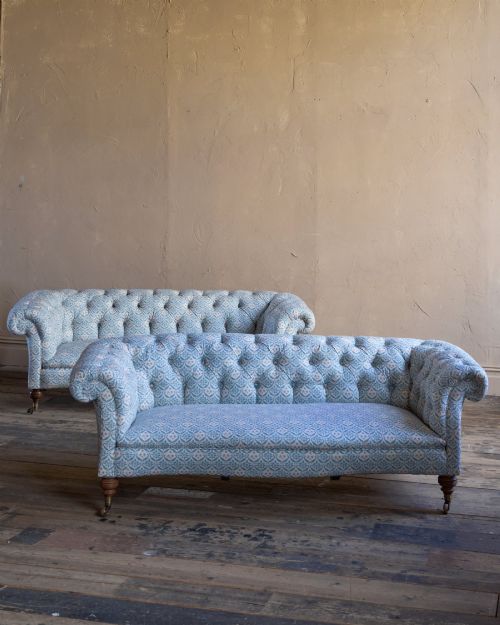
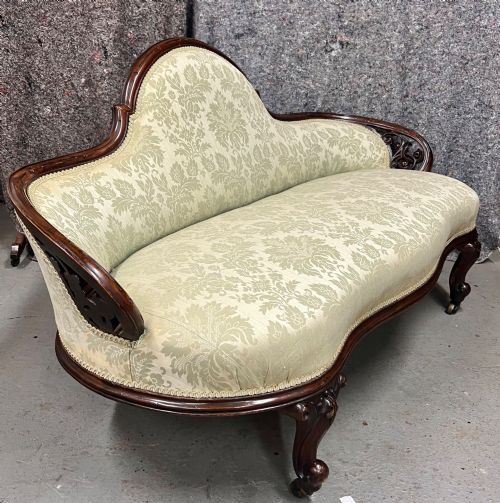
A victorian serpentine sofa brings curving timber and generous upholstery together, offering an inviting focal point for a formal drawing room.
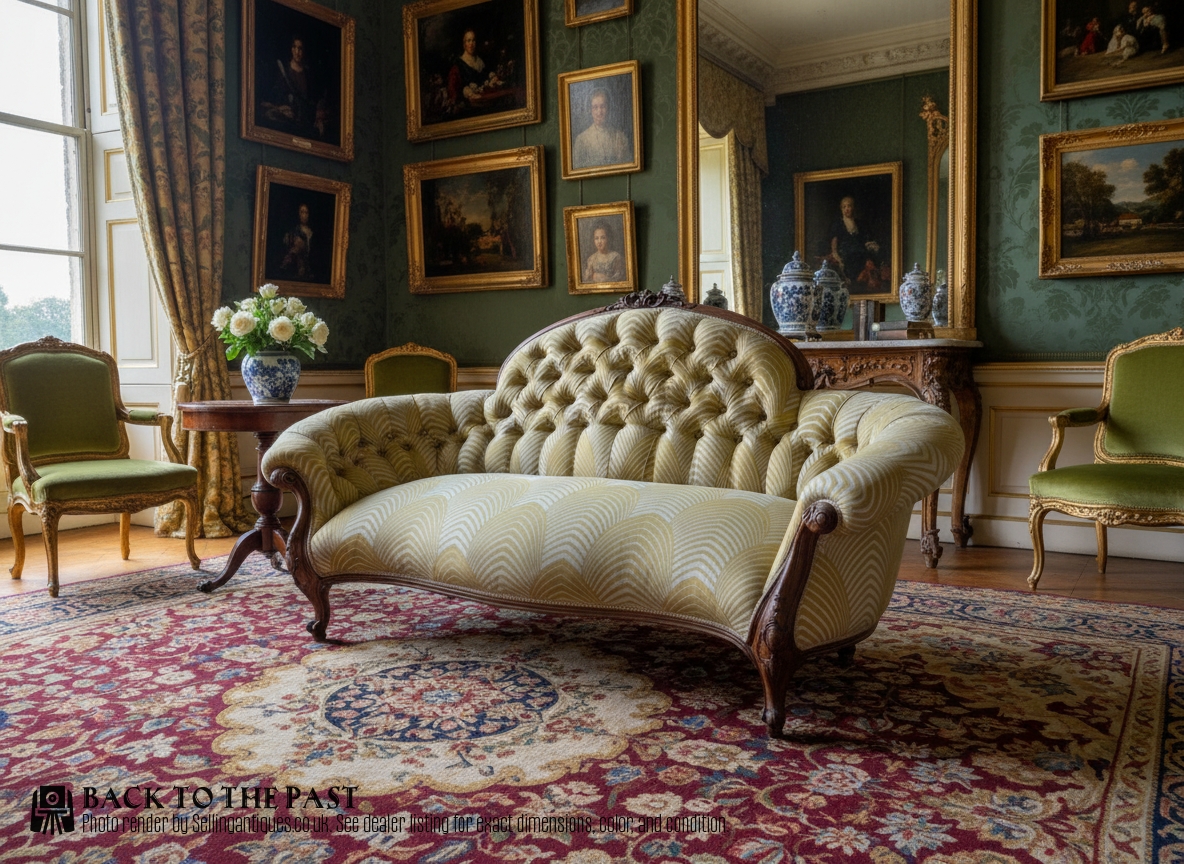
Victorian Serpentine Sofa
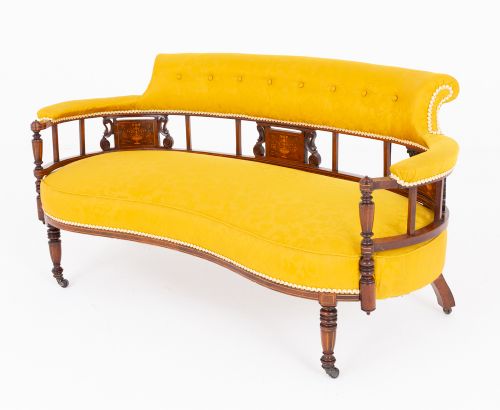
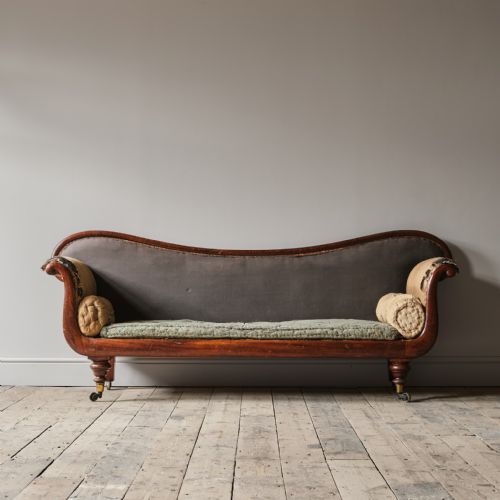
A victorian serpentine sofa presents a distinctive undulating front rail that sweeps forward in a gentle curve before receding again. The pieces recorded here display generous proportions designed for comfort, often paired with low profiles and scrolled arms.
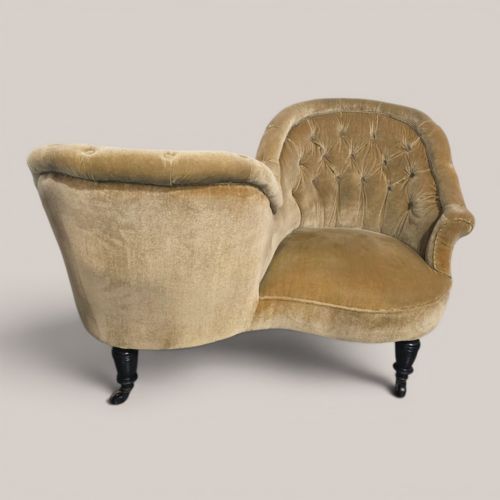
The selections span mid-nineteenth century production dates, primarily drawing from the Victorian era. While some examples adopt traditional button upholstery, others rely on exposed showwood frames carved from rich timbers.
Makers of the period utilised varied regional English and continental design vocabularies, producing variations that range from intimate two-seat settees to grander conversational layouts.
Materials and Construction
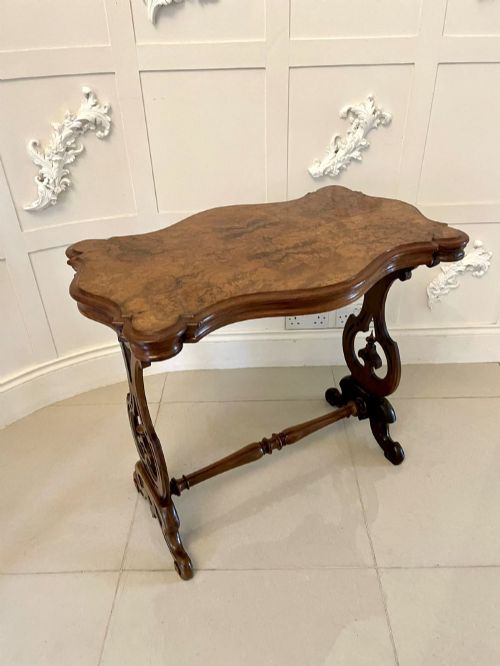
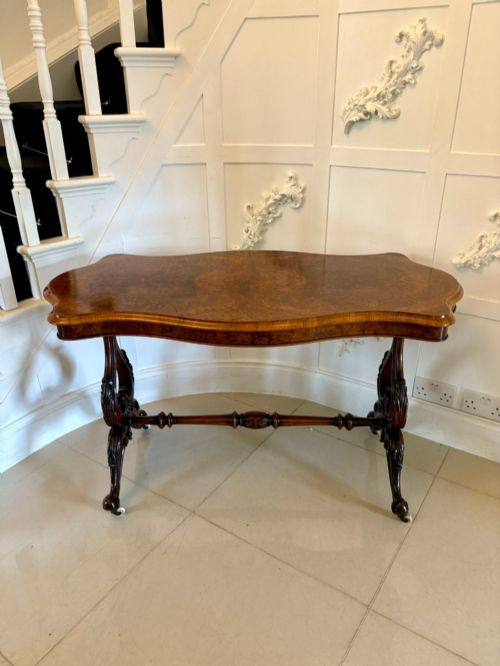
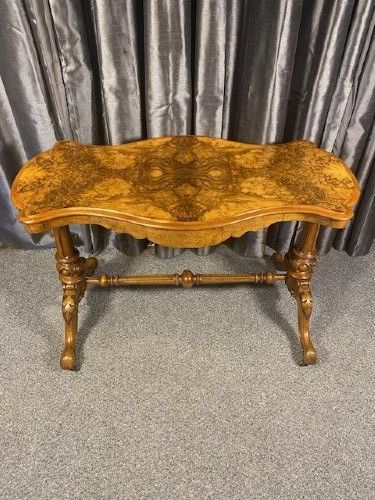
Frames rely heavily on dense hardwoods such as mahogany, walnut, and rosewood, chosen for their structural strength and ability to hold intricate carved details. Burr walnut veneer frequently appears across showwood surfaces, providing rich figuring and visual depth.
Upholstered areas depend upon traditional webbing, springs, and horsehair stuffing beneath velvet, leather, or woven textile covers. Showwood components exhibit hand-carved scrolling arms, cabriole legs, and occasionally gilt mounts or marquetry inlay.
Victorian Serpentine Sofa Retail Price Guide 2026
Typical asking prices for victorian serpentine sofa among the pieces listed under this phrase on Sellingantiques today, from the lower quarter to the upper quarter. They describe what is for sale here now, not the wider market.
Listings feature prominent nineteenth-century timbers, predominantly walnut, burr walnut, mahogany, and rosewood, frequently incorporating marquetry inlay.
Assessing Craftsmanship and Distinction
The caliber of a victorian serpentine sofa rests upon the crispness of the timber carving and the complexity of the frame's curvature. Superior examples demonstrate fluid, unbroken lines along the serpentine front rail and precise joinery at the stress points.
Selection of timber grain dictates visual hierarchy, with book-matched burr walnut veneers signifying higher ambition from the workshop. The integrity of the original showwood finish and the harmony of the upholstery proportions further distinguish finer pieces from standard production.
Howard and Sons
The Victorian Serpentine Sofa Glossary
- Serpentine
- A line or front edge that curves outward in the centre and inward at the sides. This characteristic shape defines the structural silhouette of the sofa.
- Showwood
- The exposed timber portions of an upholstered seat frame, typically polished or carved around the arms and rails. It allows the grain of walnut or mahogany to remain visible.
- Button Upholstery
- A traditional technique where deep buttons are secured through the padding at regular intervals to create geometric tufting. This method keeps internal stuffing firmly distributed.
- Marquetry
- Decorative veneer work using various woods to form pictorial or geometric patterns. Craftsmen apply these thin mosaic designs to table tops and occasional furniture surfaces.
- Stretcher Table
- A table featuring horizontal wooden braces connecting the legs closer to the floor. These members provide lateral stability while altering the visual weight of the base.
Victorian Serpentine Sofa: Frequently Asked Questions
How do I identify a genuine period piece?
Examine the timber species beneath the finish and check the joinery methods used inside the frame. Nineteenth-century construction typically employs hand-cut joints and dense hardwoods like mahogany or walnut rather than modern manufactured boards.
Look closely at the hand-carved details along the showwood rail. Authentic workshop execution displays slight tool irregularities and natural wear consistent with decades of domestic use.
Where should I place a serpentine sofa?
These pieces suit principal living spaces or drawing rooms where the undulating front can be appreciated from multiple angles. Positioning them away from walls lets the carved showwood and curved silhouette command the room.
Ensure adequate clearance around the seating curve so the focal lines remain unobstructed by surrounding occasional furniture or heavy drapery.
How do I care for antique showwood frames?
Dust polished walnut and mahogany surfaces regularly using a soft, dry cloth to prevent particulate accumulation. Avoid silicone sprays or harsh chemical cleaners that can degrade nineteenth-century polish over time.
Maintain moderate indoor humidity levels to protect the underlying timber and prevent veneers from lifting along the curved edges of the frame.
What upholstery fabrics suit these frames?
Traditional textiles such as velvet, hand-dyed leather, or woven damask respect the historical character of the Victorian era. Choosing materials with appropriate weight ensures the fabric performs well over sprung button upholstery.
Consider the grain pattern of the wood frame when selecting fabric colours so the textile complements rather than competes with the timber.