
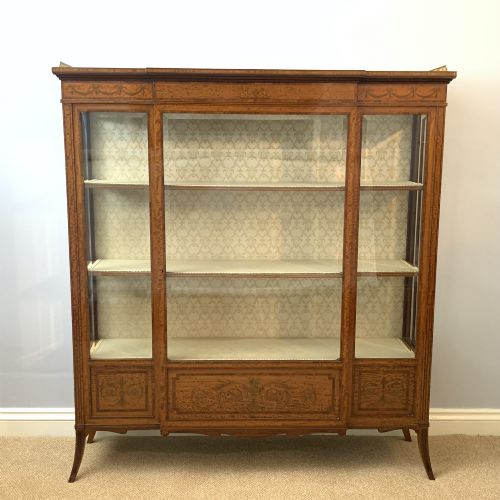
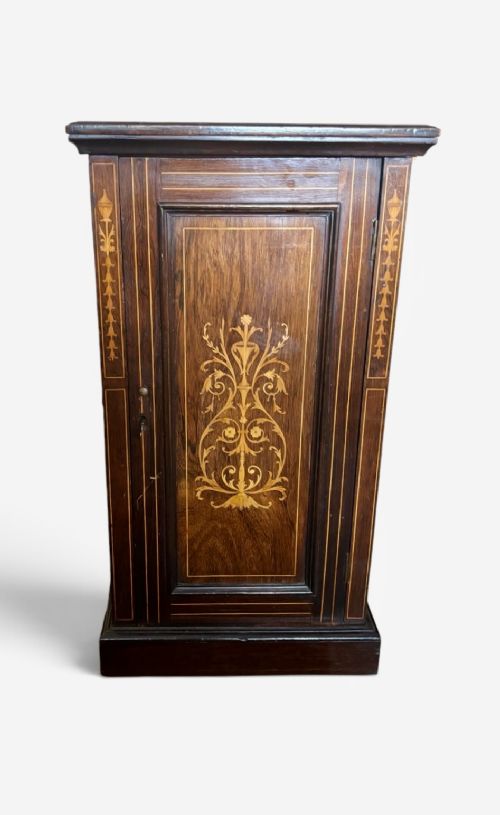
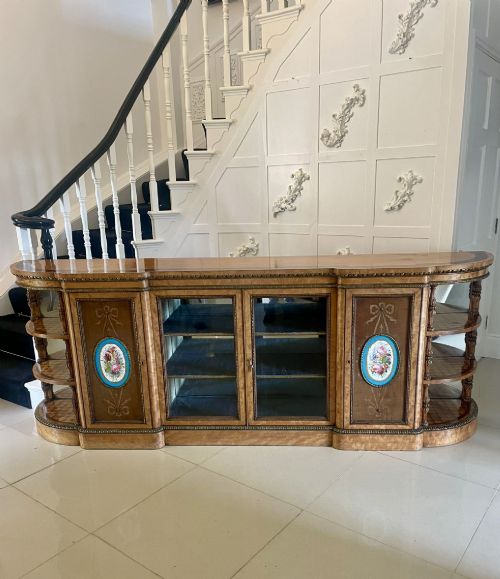
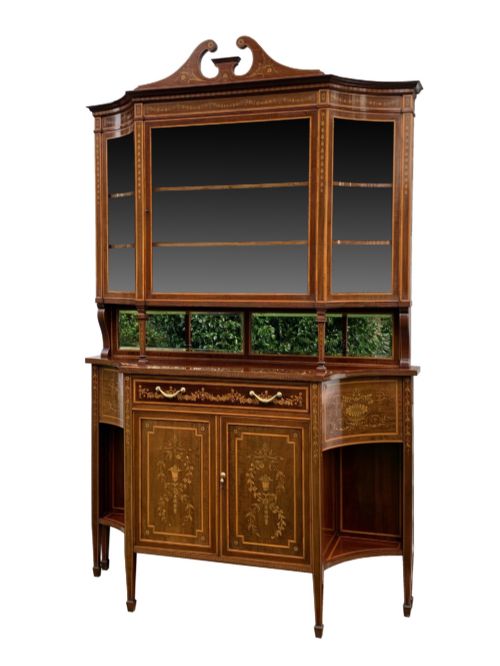
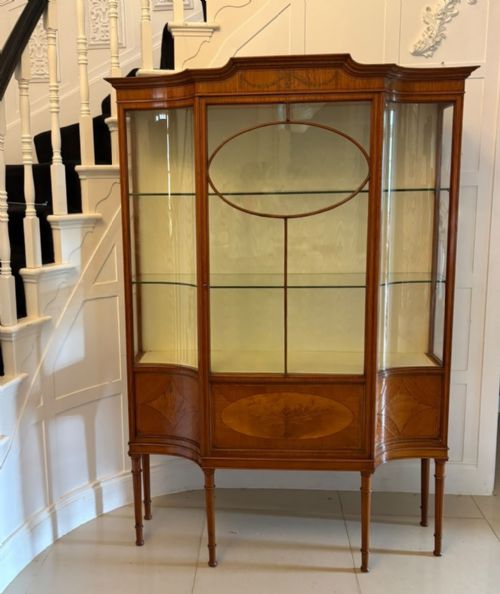


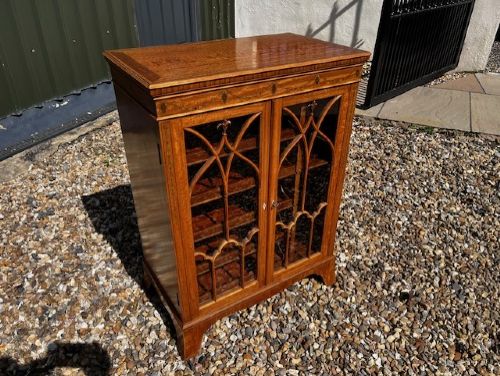
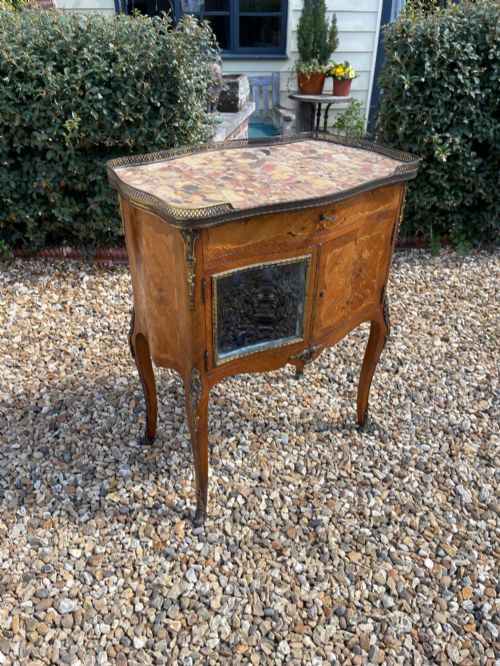


Victorian Satinwood Display Cabinet
A victorian satinwood display cabinet brings polished warmth and refined glazing to a room, designed to showcase treasured porcelain and curiosities.
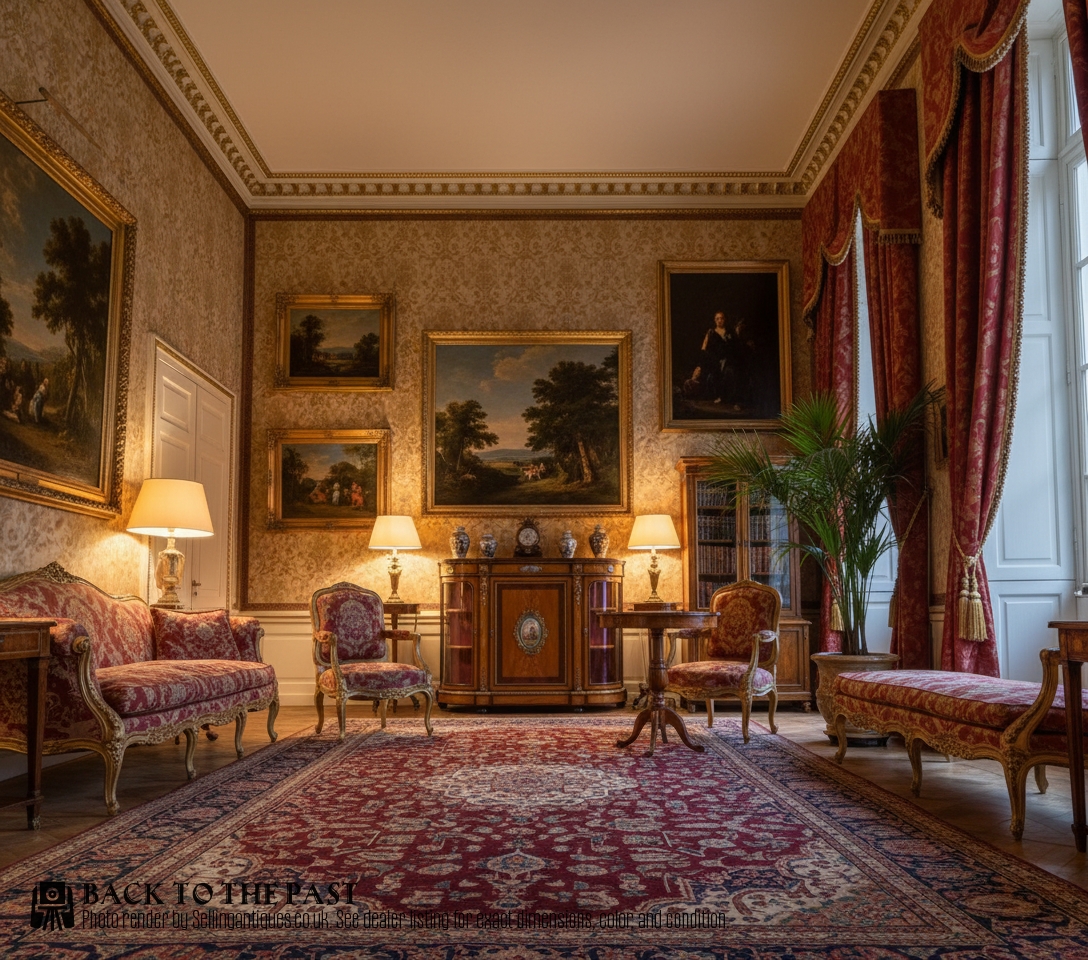
Victorian Satinwood Display Cabinet
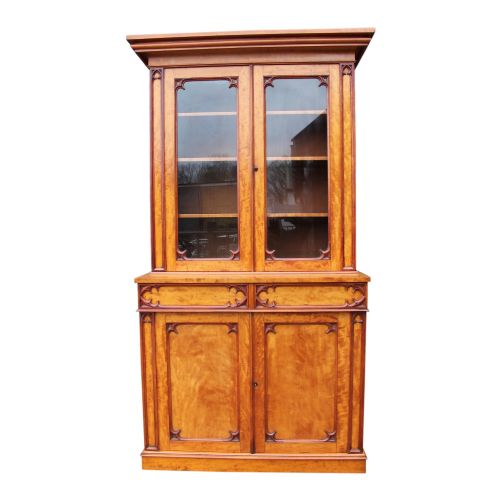
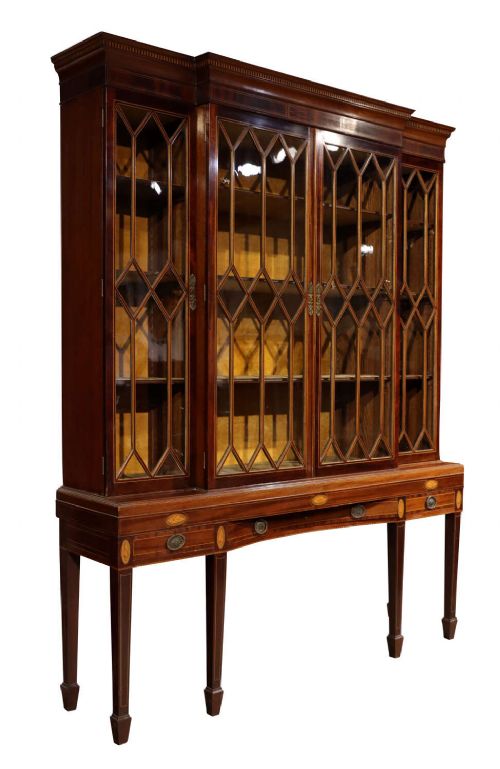
When searching for a victorian satinwood display cabinet, collectors encounter a variety of nineteenth-century forms ranging from tall breakfront bookcases and corner cabinets to freestanding vitrines and low side cabinets. The material appears prominently across the Victorian period, frequently associated with Sheraton Revival tastes and late nineteenth-century revivalist movements.
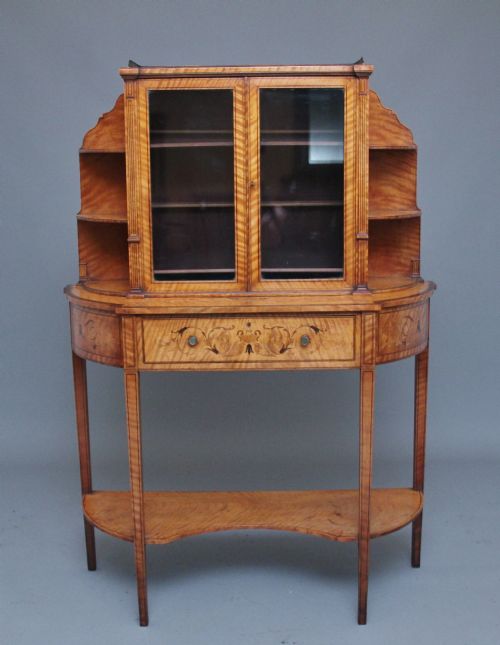
The pieces listed here encompass several distinct configurations, including bow front shapes, demi-lune side units, and monumental credenzas. While many date from the 1880s and 1890s, examples span the wider Victorian era and extend into Edwardian production, reflecting shifting domestic fashions for decorative storage.
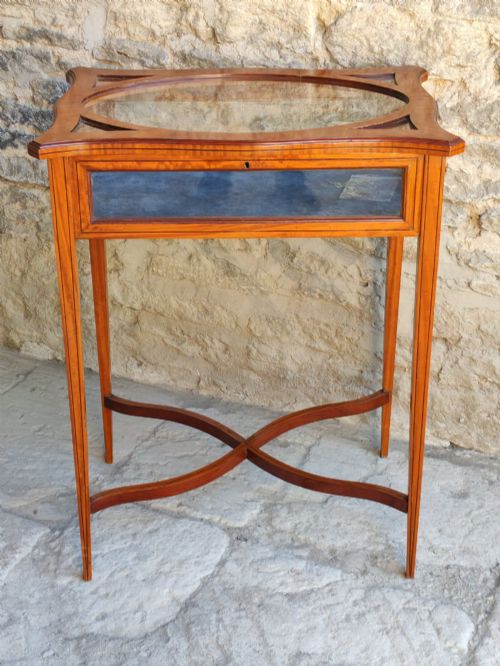
Buyers will find that standard display cabinets share floor space with specialised forms such as bijouterie tables, collector cabinets, and pier cabinets. These diverse formats offer tailored solutions for exhibiting smaller objects alongside larger decorative tableware.
Judging Quality
The distinction between ordinary production and superior work lies in the crispness of the marquetry and the fidelity of the timber grain. Finer examples display meticulous hand-painted details and seamless veneer matching across curved serpentine and bow fronts.
Subtleties in bronze or ormolu casting and the weight of the brass hardware further separate workshop grades. High-tier pieces retain integrated components such as original fabric linings and undamaged glazed panels that demonstrate careful preservation.
Some cabinet doors shut with such satisfying airtight precision that they sigh softly upon opening.
Edwards & Roberts·Maple & Co
The Victorian Satinwood Display Cabinet Glossary
- Satinwood
- A lustrous timber native to India and Sri Lanka, prized for its golden sheen and smooth grain. It served as a primary veneer for high-end nineteenth-century cabinet work.
- Marquetry
- The art of forming decorative patterns using thin veneers of different coloured woods. Makers arranged these pieces meticulously to create floral or geometric tableaus.
- Ormolu
- Gilded bronze mounts applied to furniture for decorative accent. These metal elements were cast and chased by hand before attachment.
- Bijouterie
- A glazed display table or cabinet designed specifically for small personal ornaments and jewellery. These pieces often feature hinged glass tops for easy viewing.
- Demi-lune
- A half-moon shape characteristic of side cabinets and console tables designed to sit flush against a wall. This profile became particularly popular during revival periods.
- Vitrine
- A glass-fronted cabinet intended for the exhibition of porcelain and curiosities. The term derives from the French word for glass.
Victorian Satinwood Display Cabinet: Frequently Asked Questions
How do I light the interior safely?
Internal illumination is best achieved using battery-operated LED strip lights placed discreetly behind the interior framing. Avoid traditional halogen bulbs, as the sustained heat can dry out nineteenth-century adhesives and fragile wood veneers.
Position the light sources to bounce off the back panels rather than shining directly through the glass panes. This method highlights the displayed items evenly while protecting the original fabric linings from unnecessary thermal stress.
Where should I place a cabinet?
Position your cabinet away from direct sunlight and active heat sources like radiators. Satinwood veneers and painted panels are sensitive to ultraviolet rays and extreme temperature fluctuations, which can cause timber to warp or finishes to fade.
Interior walls that maintain a stable ambient temperature provide the safest environment for displaying delicate antiques. Ensure the floor is level so the doors hang true and latch properly without straining the original brass hinges.
Can I adjust the wooden shelves?
Most nineteenth-century display cabinets feature fixed wooden supports or traditional notched pilasters rather than modern adjustable metal tracks. Altering the shelf configuration requires professional intervention to preserve the structural integrity of the interior framework.
Plan your collection around the existing shelf clearances before placing taller ceramic vessels or books inside. Forcing larger pieces onto fixed tiers risks scratching the interior veneer or damaging delicate glass doors.
How do I maintain the wood surface?
Dust the satinwood surfaces regularly with a soft, dry, lint-free cloth to prevent particulate buildup in the grain and marquetry crevices. Avoid silicone-based sprays and commercial polishes, which leave a gummy residue that attracts dust and degrades antique finishes over time.
Apply a microcrystalline wax sparingly once or twice a year if the timber appears dry, buffing it gently to a soft sheen. This protects the polished surface from airborne moisture without sealing the wood permanently.