


Victorian Salon Seat
A victorian salon seat brings polished nineteenth-century elegance into a modern interior, offering ornate woodwork and traditional upholstery.
Victorian Salon Seat
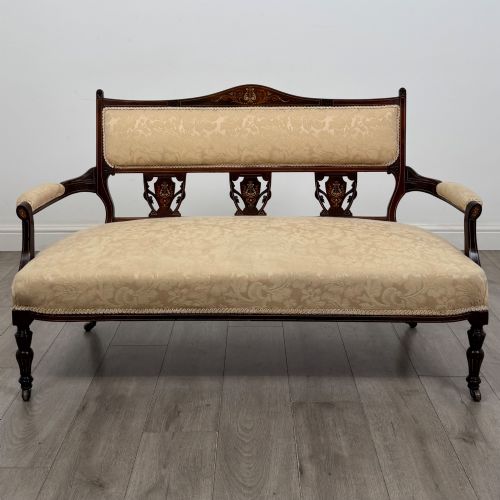
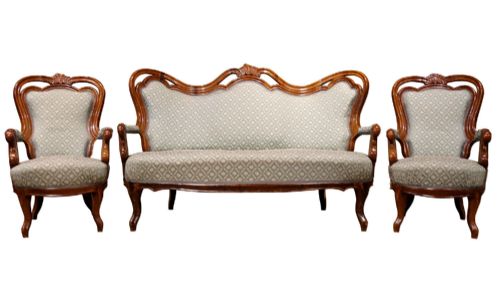
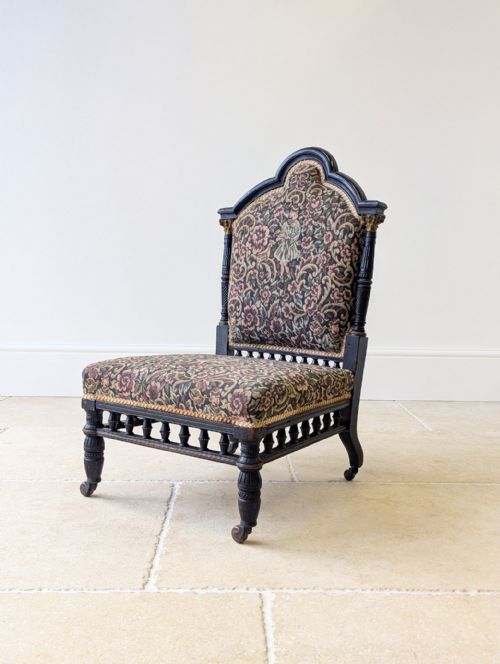
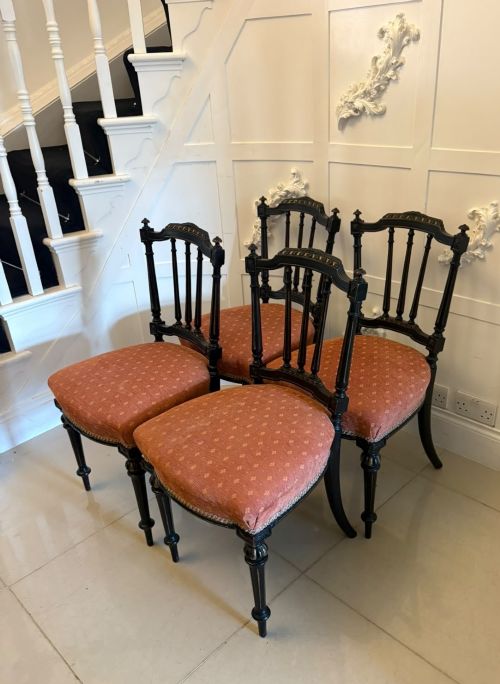
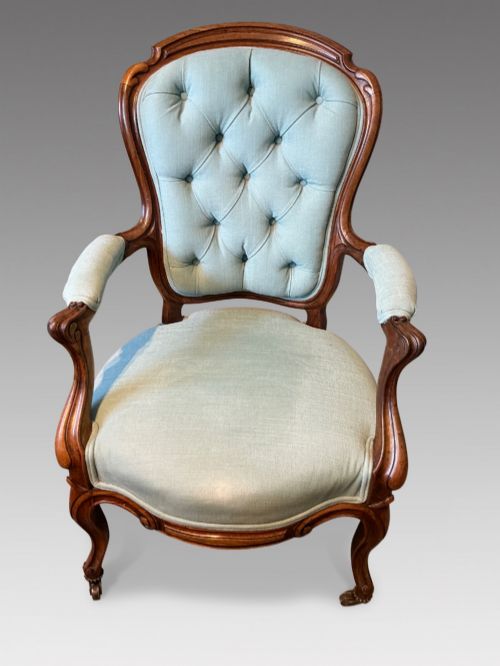
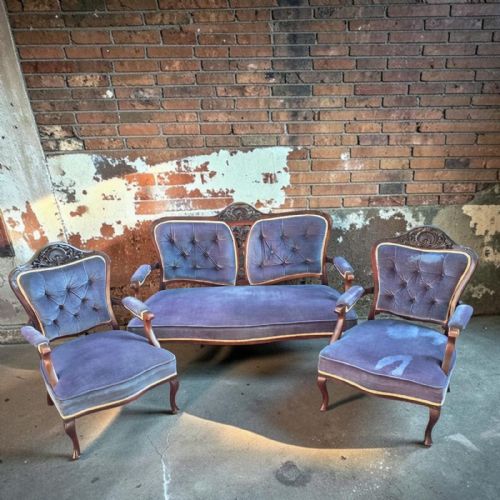
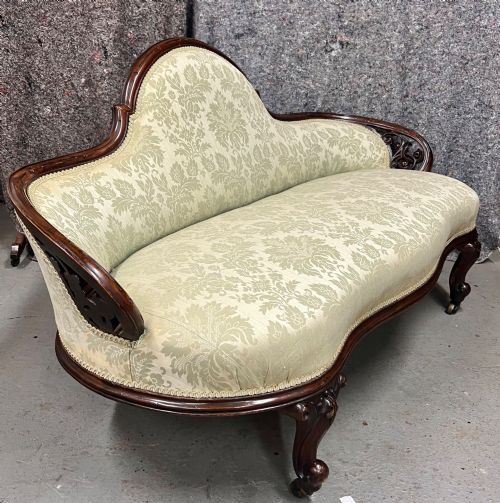
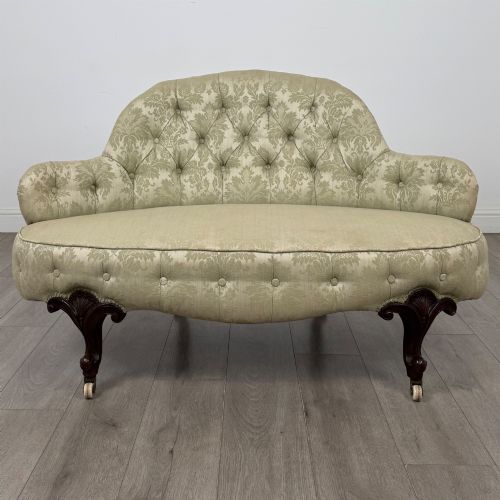
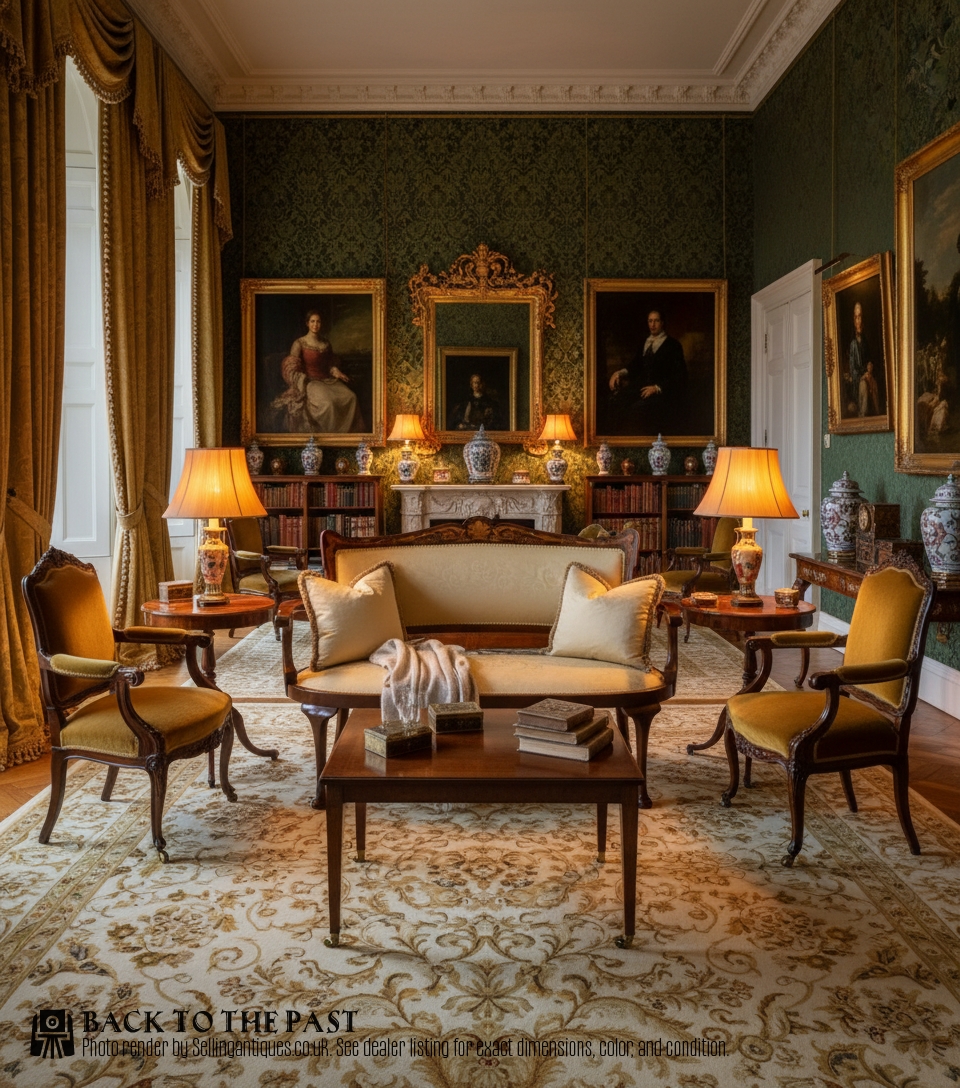
A victorian salon seat encompasses a varied group of nineteenth-century chairs, settees, and multi-piece suites designed for formal entertaining and domestic comfort. The selection includes walnut armchairs, rosewood side chairs, ebonised occasional seating, and upholstered sofas spanning the period from eighteen fifty to nineteen hundred.
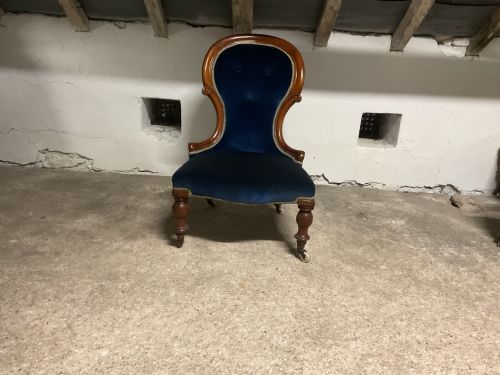
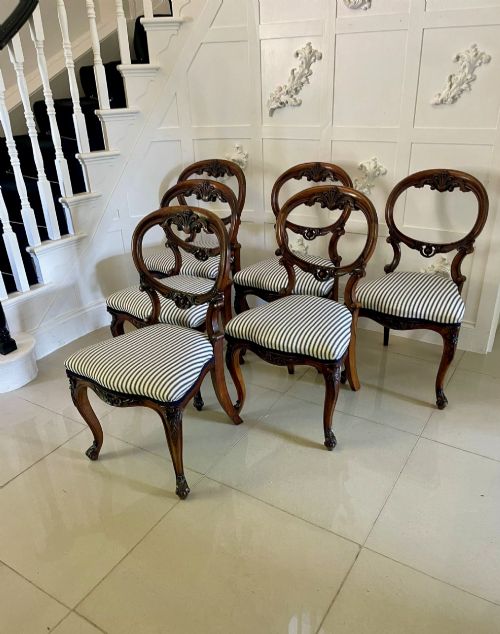
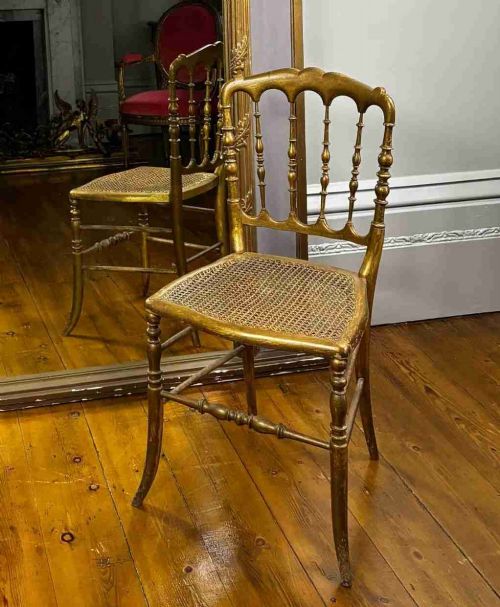
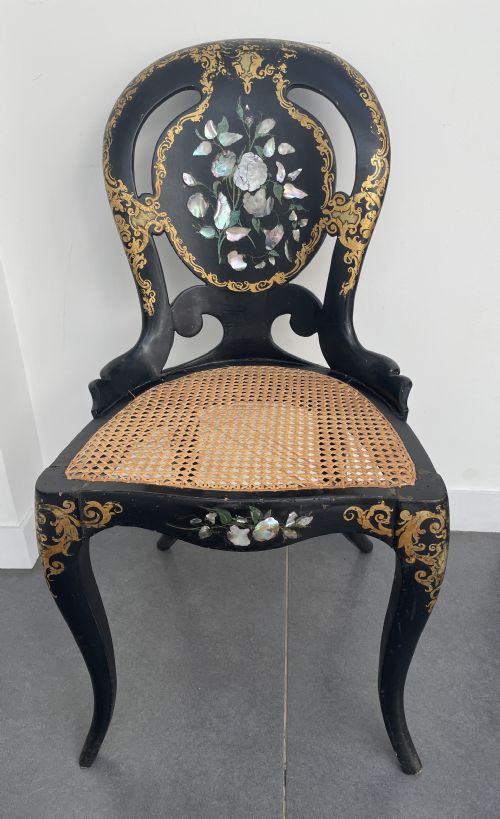
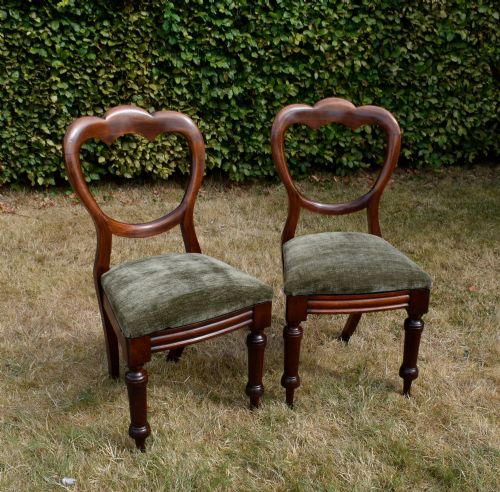
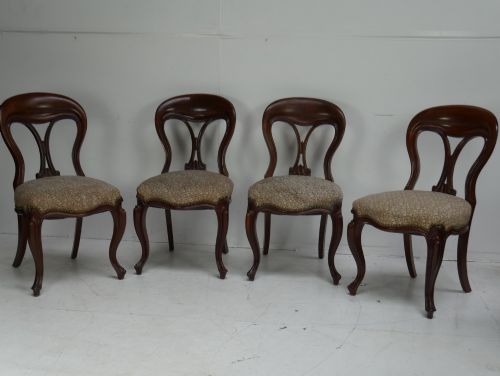
Buyers frequently encounter walnut and mahogany framed chairs alongside gilded or inlaid examples displaying rococo revival, aesthetic movement, or louis xvi revival influences. These furnishings range from single nursing chairs and balloon-back seats to matching multi-piece salon suites intended for drawing rooms.
How they were made
Cabinetmakers constructed the frames using dense hardwoods such as walnut, mahogany, and rosewood, often enhanced with intricate hand-carving, brass details, or delicate mother of pearl inlay. Some pieces utilise ebonised finishes and giltwood to achieve the dramatic contrasts favoured during the period.
Upholstery relied on traditional stuffing techniques secured beneath durable fabrics, silks, damask, velvet, needlework, or leather. Frames were frequently shaped into curved balloon backs, spoon backs, or structural forms designed to support elaborate textile coverings.
What varies in quality
The distinction between standard domestic seating and exhibition quality works rests upon the depth of the timber carving and the precision of the joinery. Superior examples display crisply carved walnut or rosewood details, balanced proportions, and integrated matching components within larger salon suites.
Material selection and decorative enrichment further divide the range, from plain wooden frames to elaborate giltwood frameworks complemented by specialised inlays and high-grade period fabrics.
Blyth And Sons
The Victorian Salon Seat Glossary
- Balloon back
- A rounded, oval-shaped chair back resembling an inflated balloon that became popular in the nineteenth century.
- Giltwood
- Timber coated with a thin layer of gold leaf or gilt powder to create a bright, decorative surface finish.
- Ebonised
- Wood treated with a dark stain or finish to imitate the appearance of solid ebony.
- Rococo revival
- A nineteenth-century design style drawing on eighteenth-century french motifs, characterised by C-scrolls, asymmetric ornamentation, and naturalistic floral carvings.
- Fauteuil
- An open-framed armchair with upholstered armrests, originating in France and adopted during revival periods.
Victorian Salon Seat: Frequently Asked Questions
How do I identify different periods?
Distinguishing periods involves examining the wood choice, carving depth, and stylistic influences present in the framework. Earlier mid-nineteenth-century items often show heavy walnut carving and rococo revival curves, while later examples incorporate ebonised surfaces or aesthetic movement lines.
Matching the construction details and upholstery style to documented design shifts helps narrow down the decade of manufacture.
Were these chairs used daily?
Original Victorian seating served both formal entertaining in reception rooms and private domestic use in bedrooms or parlours. Lighter chairs were easily moved around the room to accommodate guests during social gatherings.
Heavier settees and armchairs remained stationary as permanent fixtures of the drawing room layout.
How should I care for the wood?
Maintaining nineteenth-century wood frames requires keeping them away from direct sunlight and extreme humidity fluctuations to prevent timber cracking. Regular dusting with a soft, dry cloth preserves the original polish and finish.
Harsh chemical cleaners should be avoided in favour of gentle conservation methods suited to antique hardwoods.