


Victorian Rustic Armchair
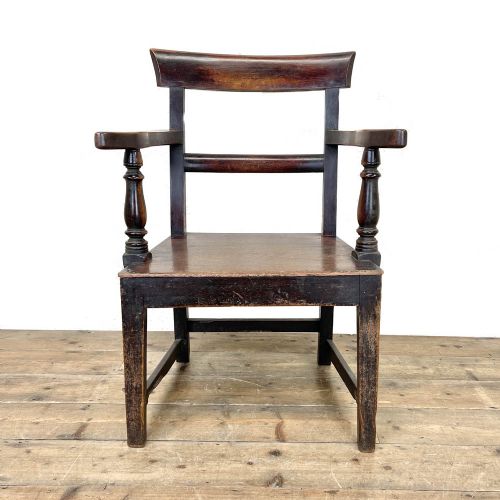
A victorian rustic armchair is a vernacular country seat built for comfort, and you want one for its honest timber and direct utility.
Victorian Rustic Armchair
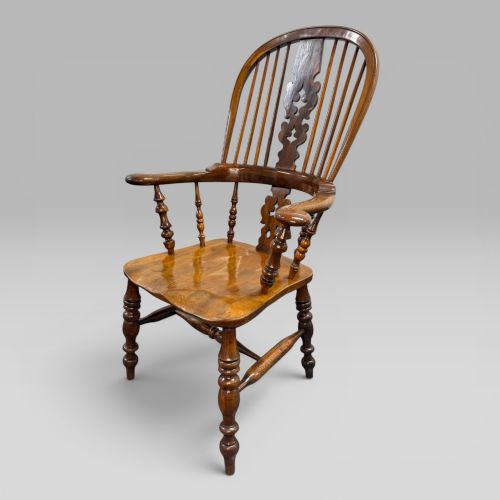
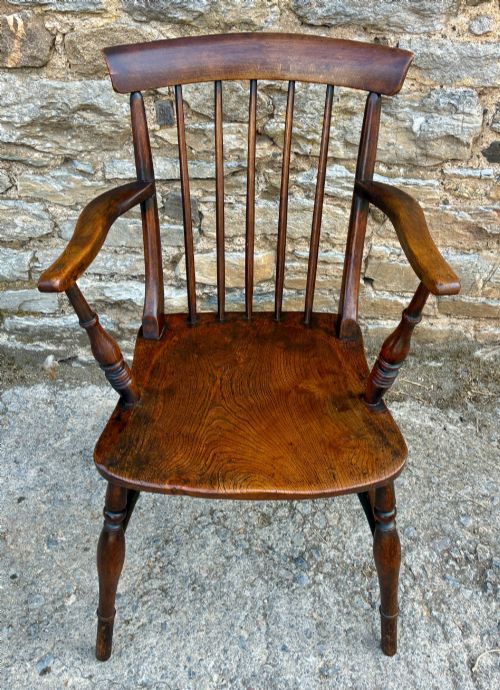
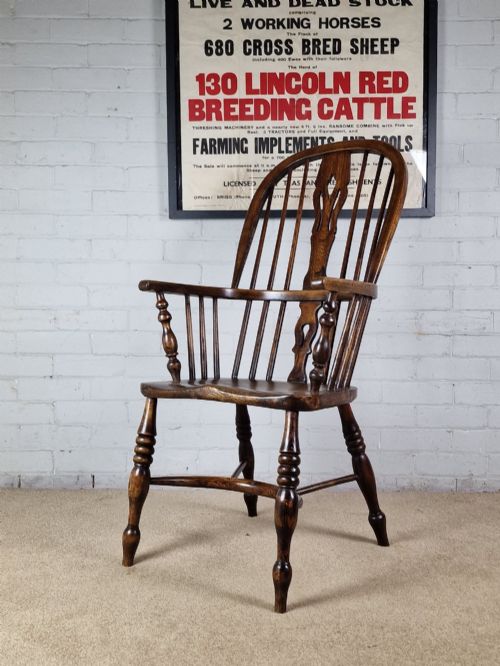
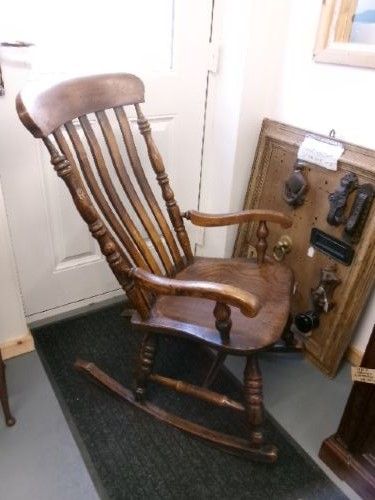
A victorian rustic armchair brings sturdy, vernacular seating into domestic spaces through regional English furniture traditions. When you search for this phrase, you encounter heavy country forms designed for daily use rather than formal parlours.
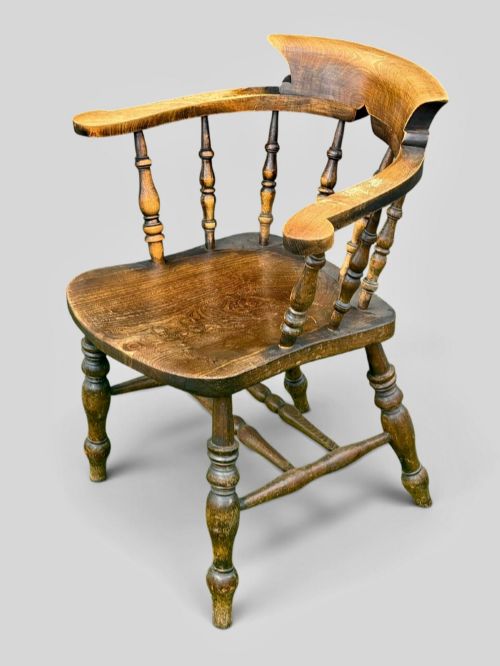
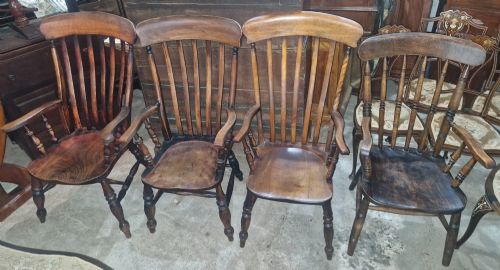
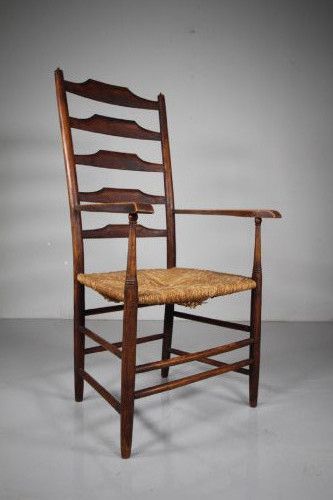
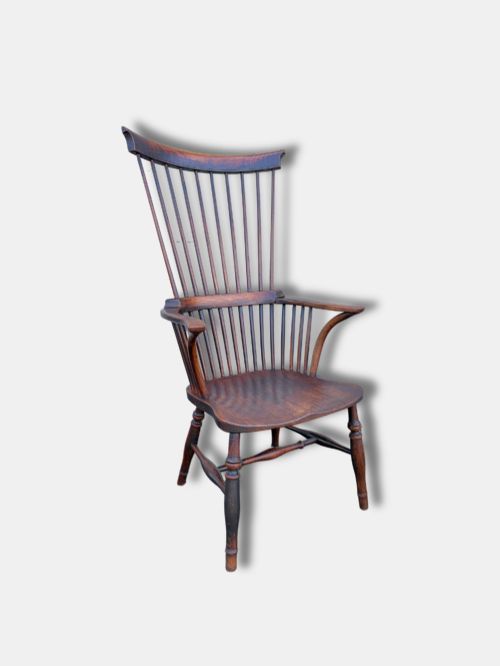
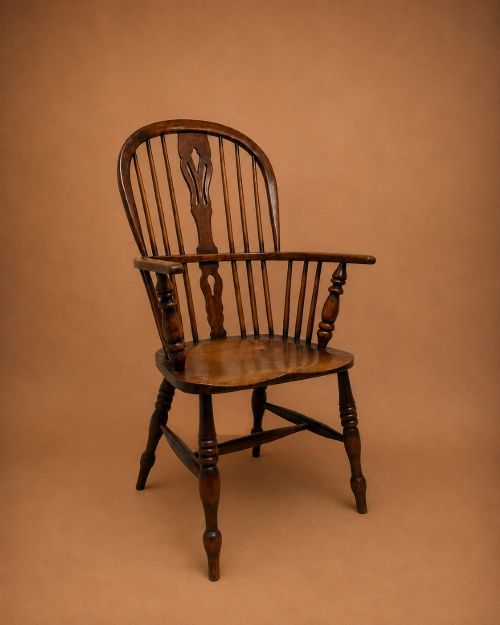
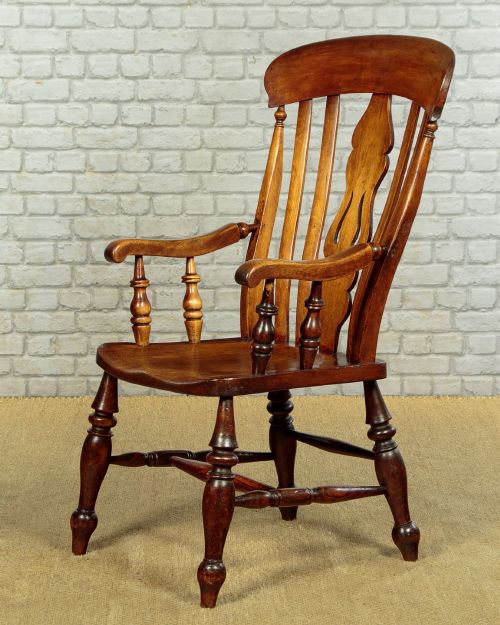
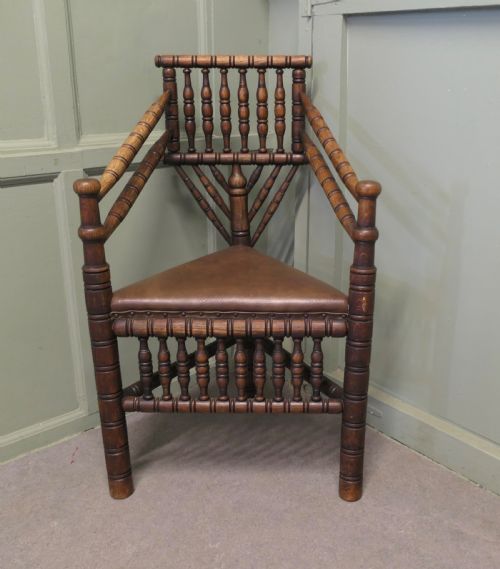
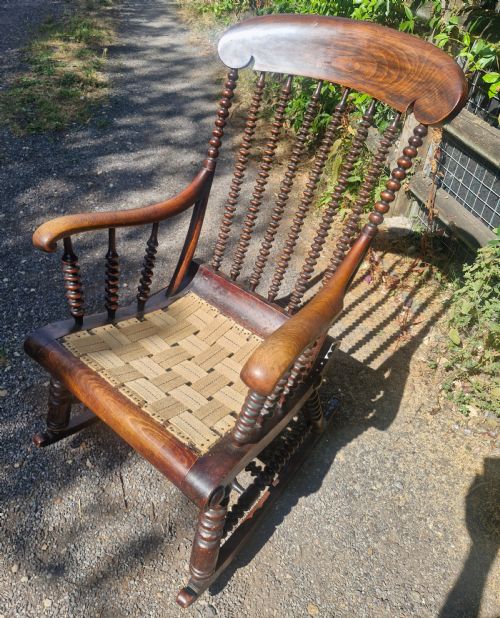
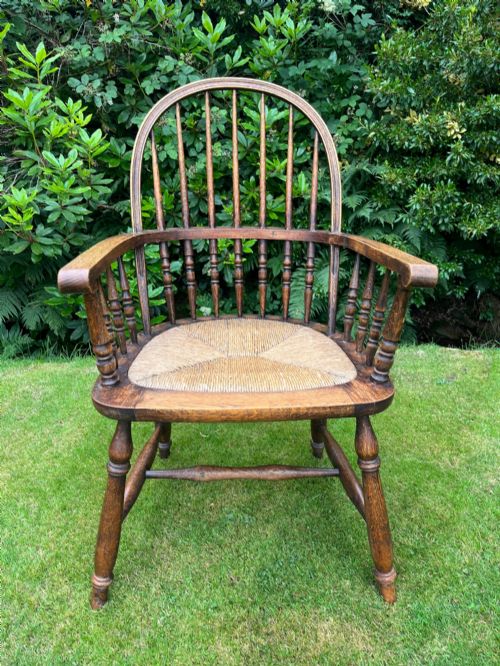
The pieces listed here lean heavily towards Windsor armchairs, smokers bows, and ladderback chairs produced across various English counties. These range from high-comb back Windsors to low-back kitchen armchairs and children's seating.
Makers drew on established local styles, creating regional variations such as Thames Valley, Lincolnshire, and Nottinghamshire armchairs. Elm seats combined with ash, beech, or yew frameworks dominate the domestic landscape of these listings.
How they were made
Craftsmen utilised solid native timbers, pairing thick sculpted elm for the seats with resilient ash, beech, oak, or yew for the spindles, legs, and bentwood bows. This mixed-wood construction provided structural strength where different stresses required specific grain properties.
Joinery relied heavily on traditional turning, steam bending, and wedged tenon joints rather than complex cabinetmaking. Seats were deeply saddled by hand, while spindles and backsplats were shaped using drawknives and spoke shaves.
Listings span periods from the Regency era through to the late Victorian and Arts and Crafts movements, using ash, elm, beech, oak, and yew.
What varies in quality
Quality rests in the harmony of the timber selection and the purity of the country vernacular form. Chairs featuring richly figured yew wood or deeply sculpted elm seats command greater regard than simpler beech or mixed-wood alternatives.
The integrity of the original construction and the survival of an honest, unvarnished surface patina distinguish superior examples. Substantial bracing, well-turned legs, and untouched wedged joints show the maker's hand at its finest.
Philip Clissett
The Victorian Rustic Armchair Glossary
- Windsor chair
- A wooden chair featuring a solid carved saddle seat into which the legs and back spindles are directly inserted. This form evolved through numerous regional English styles during the eighteenth and nineteenth centuries.
- Smokers bow
- A low-backed Windsor armchair with a continuous curved armrail supported by turned spindles, often found in taverns and country kitchens. The low profile allowed occupants to sit comfortably near hearths.
- Comb back
- A Windsor chair design where the central vertical spindles extend upward to support a top rail resembling the teeth of a comb. This variation provides extra upper back support.
- Spindleback
- A chair back constructed from a series of slender turned vertical wooden rods. These lighter members offer sturdy support without adding excessive weight to the frame.
- Vernacular furniture
- Domestic items built by local tradesmen using regional techniques and native materials rather than following rigid metropolitan pattern books. These pieces reflect the practical needs of rural communities.
Victorian Rustic Armchair: Frequently Asked Questions
What is a vernacular armchair?
A vernacular armchair is a piece built by regional country craftsmen focusing on utility and local tradition rather than courtly fashion. These chairs developed distinct local characteristics depending on the county of origin.
They utilise native woods available nearby, resulting in honest, robust seating that served kitchens, farmhouses, and cottages across Britain.
How do I care for rustic seating?
Maintain these wooden chairs by keeping them away from direct heat sources and sudden humidity changes that dry out aged timber. Simple dusting and occasional applications of traditional wax preserve the natural surface.
Avoid aggressive chemical polishes that strip away the accumulated patina built up over a century or more of domestic service.
How do I date a country armchair?
Dating relies on observing tool marks, timber combinations, assembly methods, and the evolution of regional styles. Earlier nineteenth-century examples often display broader proportions and heavier turnings.
Comparing structural details against documented regional pieces helps narrow down the decade of production when maker marks are absent.