
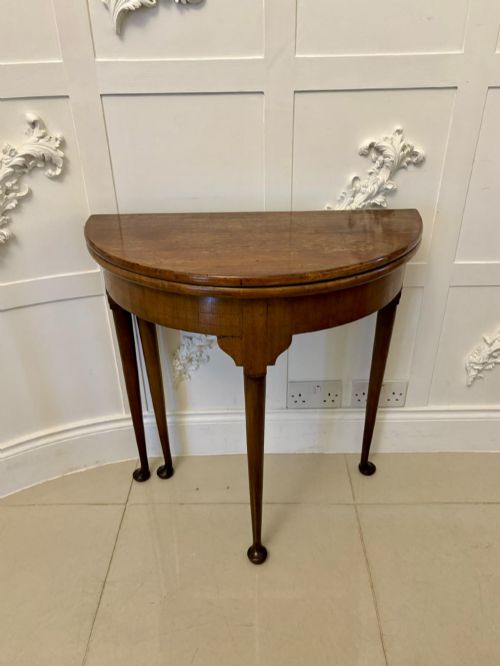
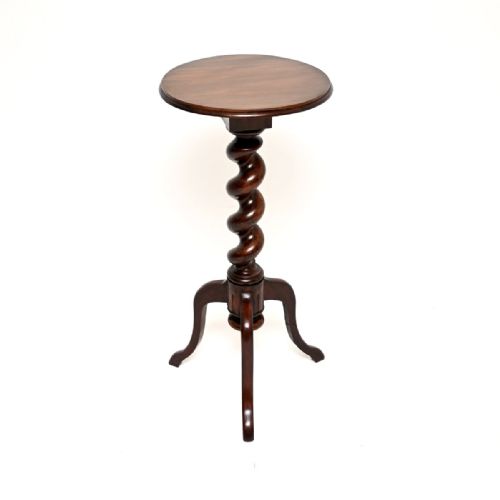
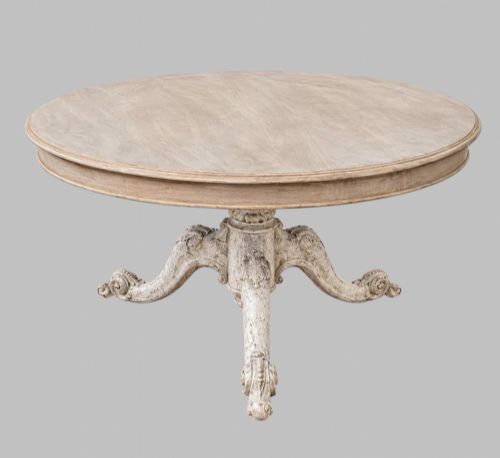
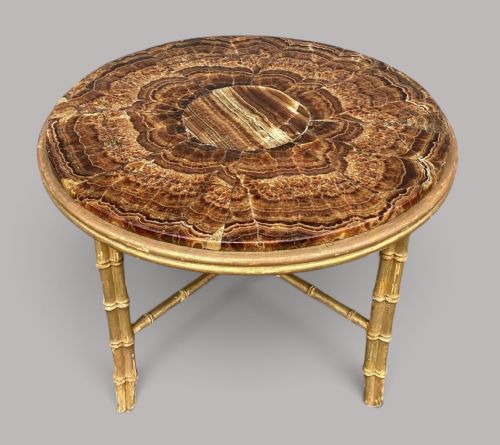


Victorian Round Table
When you search for a victorian round table, you seek a circular piece of nineteenth-century furniture built for dining, games, or display.
Victorian Round Table
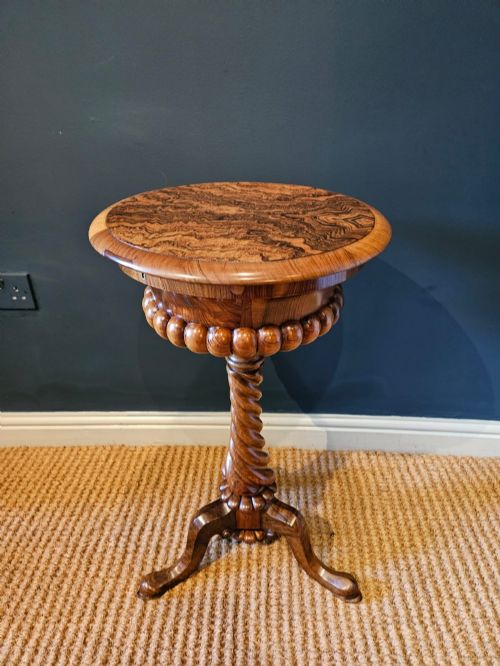
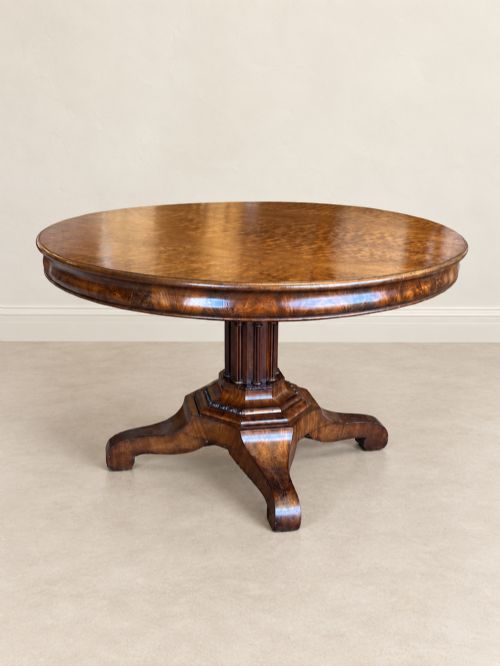
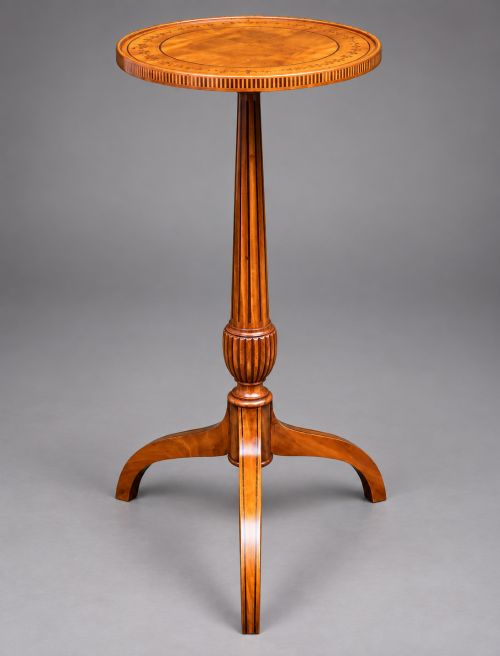
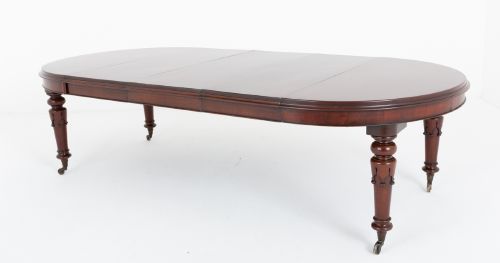
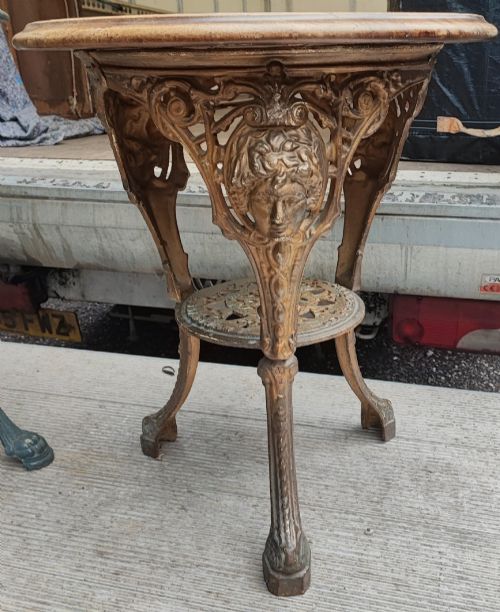
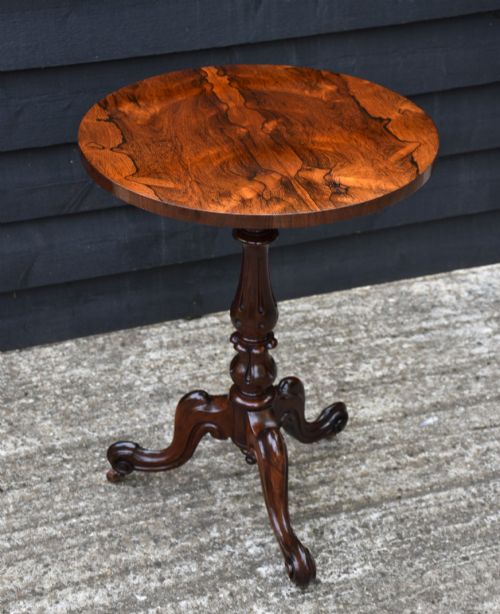
A victorian round table encompasses various circular formats designed for domestic use throughout the nineteenth century. Buyers encounter forms ranging from large pedestal breakfast tables and extending dining tables to smaller tripod wine tables and centre tables.
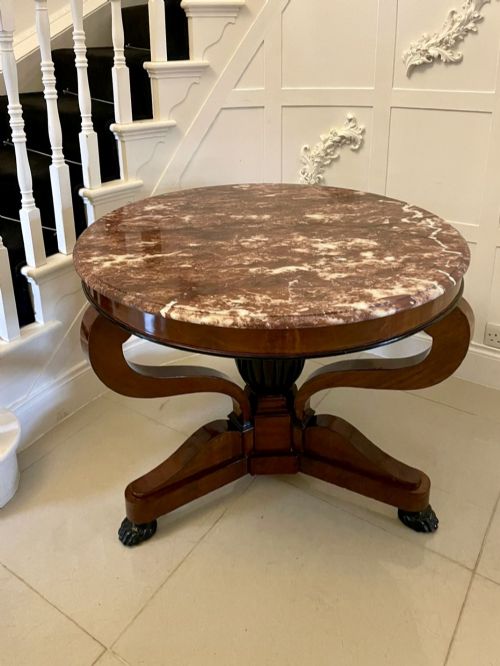
The materials utilised reflect the tastes of the period, featuring rich timbers such as mahogany, rosewood, and burr walnut, alongside occasional marble and cast iron. These pieces served diverse functions in nineteenth-century interiors, acting as focal points in drawing rooms, libraries, and dining spaces.
How They Were Made
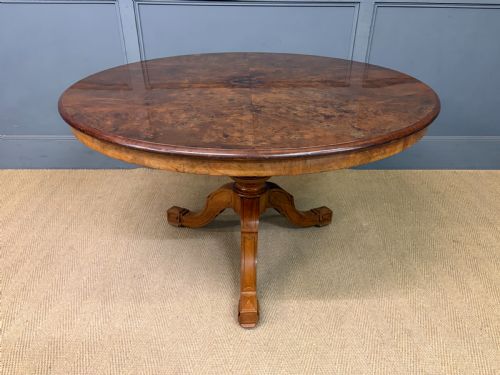
Cabinetmakers constructed these circular tops using solid timbers or applied veneers like flame mahogany, burr walnut, and rosewood over secondary woods. Many examples feature tilt-top mechanisms supported by tripod legs or central pedestals with carved pillars.
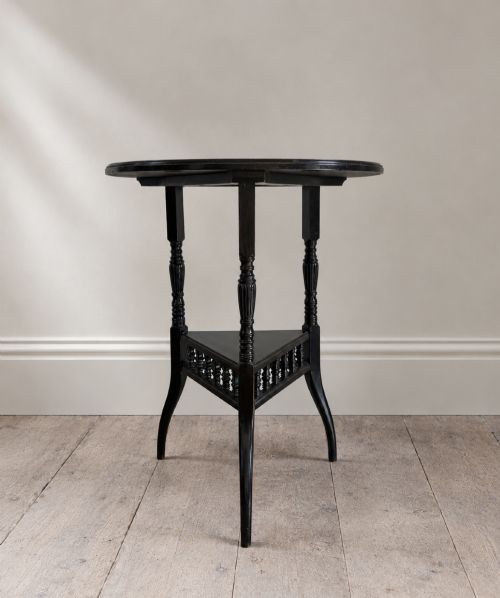
Inlay work, marquetry, and ebonising appeared on finer exhibition pieces, while utilitarian models utilised sturdy oak, pine, or cast iron for structural reliability. Joinery techniques included pegged mortise and tenon joints and turned components such as bobbin legs.
Dining, wine, library, and occasional tables represent the most common forms.
What Varies in Quality
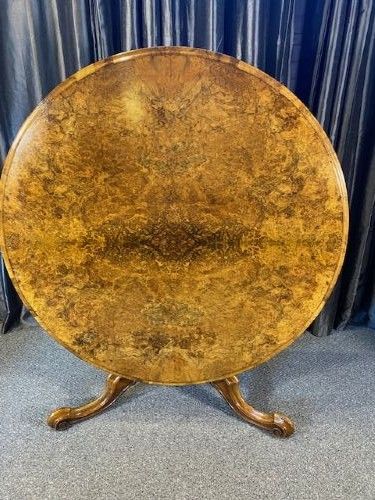
Quality rests upon the selection of timber figures and the precision of the veneer work, where book-matched burr walnut or flame mahogany indicates superior workshop production. The integrity of the pedestal base, the smoothness of the tilt mechanism, and the crispness of hand-carved details further distinguish finer examples from standard production items.
Proportion and stability determine the success of the form, with well-balanced tripod legs and heavy central pillars ensuring the table functions correctly without listing or wobble.
EW Godwin·Liberty and Co·T Wilson·Gillows
The Victorian Round Table Glossary
- Tilt-top
- A hinged tabletop that folds vertically for storage when not in use. This mechanism is frequently found on nineteenth-century tripod tables.
- Pedestal base
- A central column supporting the weight of the circular top above. It often terminates in carved scroll feet or tripod legs.
- Marquetry
- Decorative patterns formed by the insertion of different woods or materials into a veneer. It frequently decorates nineteenth-century walnut and rosewood centre tables.
- Breakfast table
- A large circular dining table designed for morning use, typically featuring a pillar and tripod support. They often showcase highly figured timber tops.
- Centre table
- A freestanding piece finished on all sides to stand in the middle of a room rather than against a wall. These often utilise marble or marquetry tops.
Victorian Round Table: Frequently Asked Questions
How were breakfast tables used?
Breakfast tables served primarily for morning meals in private rooms before formal dining rooms were utilised for the day.
Their tilt-top mechanisms allowed servants to fold the surfaces away against walls to clear floor space when the morning meal concluded.
What is a loo table?
A loo table is a large circular nineteenth-century gaming table designed for playing the card game loo. These tables feature heavily figured walnut or mahogany veneers and tilt mechanisms.
They stood in the middle of principal reception rooms as social gathering points during evening entertainments.
How do I care for polished wood?
Polished wood surfaces require protection from direct sunlight, excessive heat, and moisture to prevent veneer lifting or fading. Regular dusting with a soft cloth maintains the finish without chemical buildup.
Applying natural beeswax periodically preserves the lustre of nineteenth-century French polish.
Where did centre tables stand?
Centre tables stood in the middle of large Victorian reception rooms, libraries, and entrance halls. They functioned as display surfaces for decorative objects, lamps, and books.
Because they were visible from all angles, makers finished the undersides and backs with equal care.