
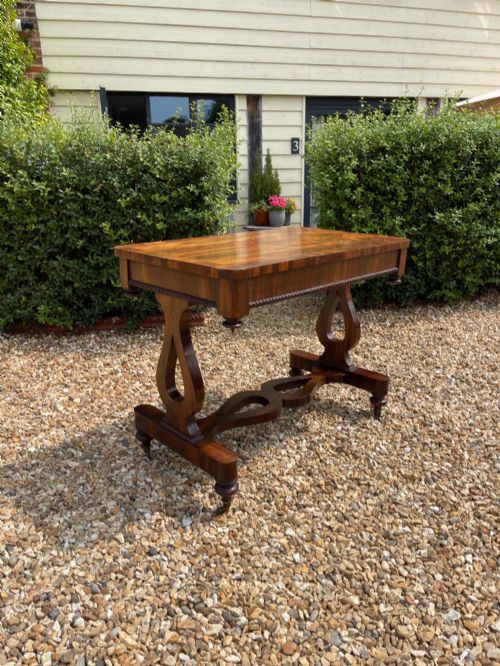

Victorian Rosewood Side Table
When you search for a victorian rosewood side table, you encounter compact occasional furniture defined by dense grain and mid nineteenth century craftsmanship.
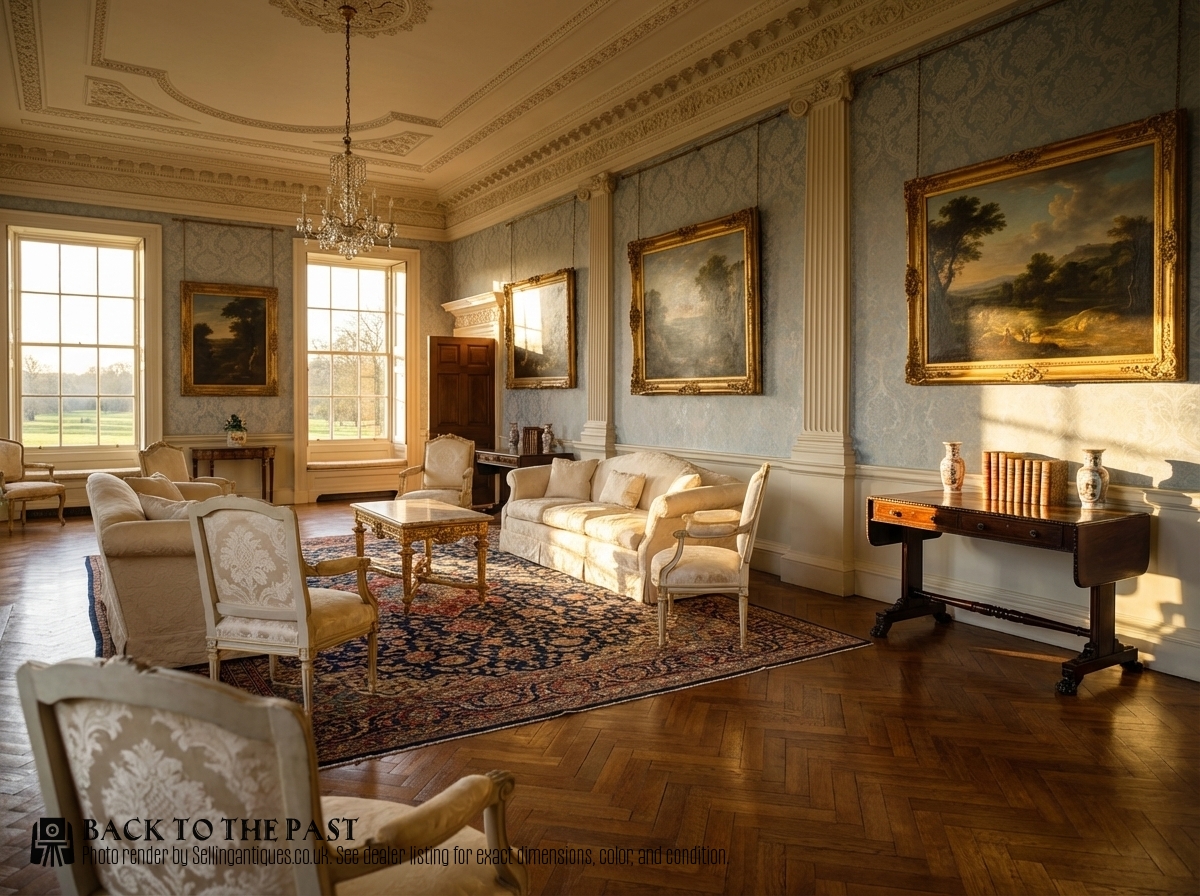
Victorian Rosewood Side Table
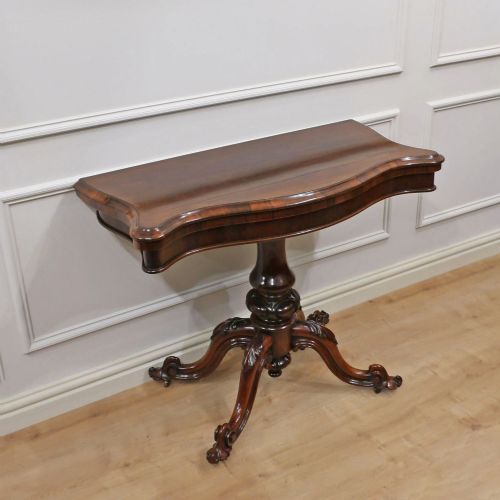
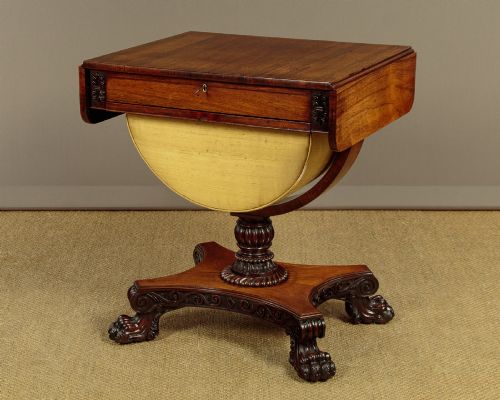
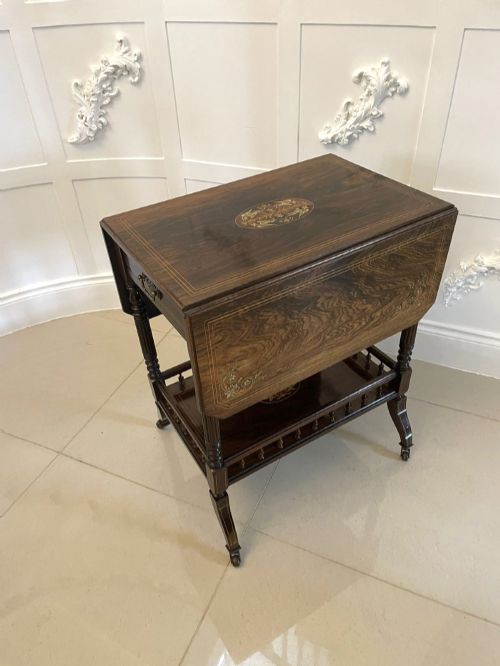
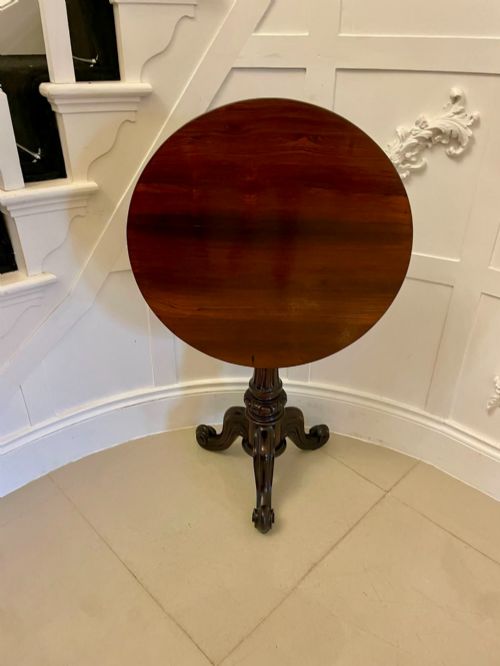
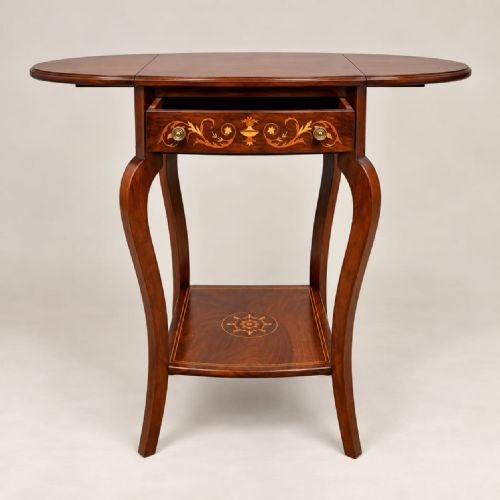
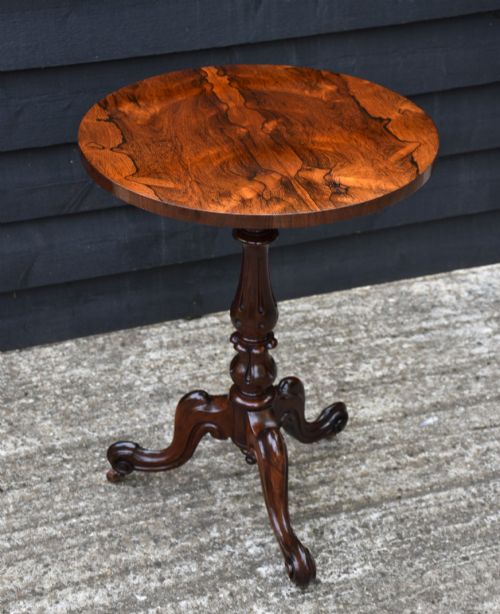
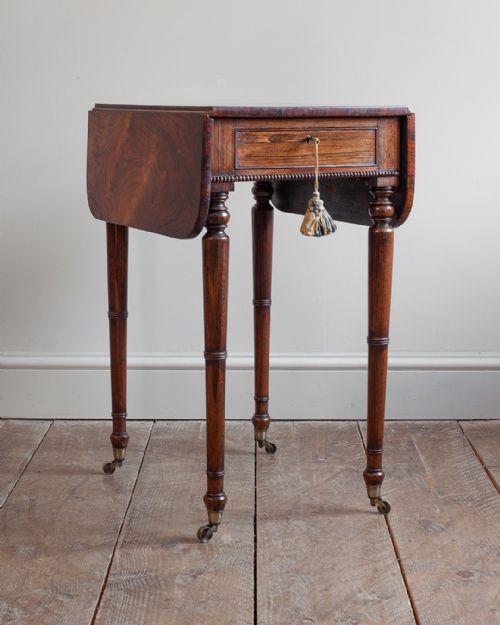
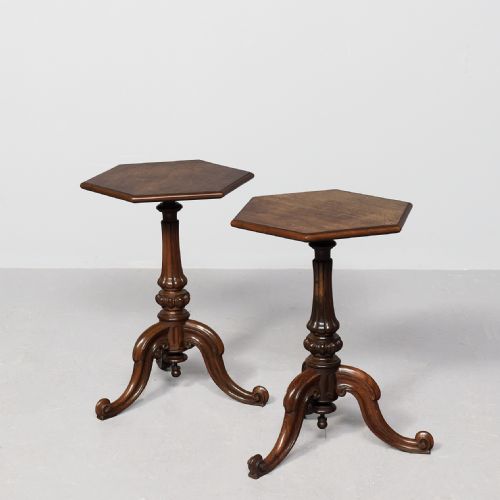
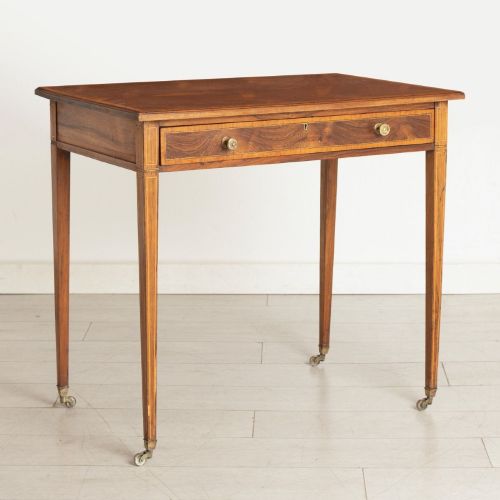
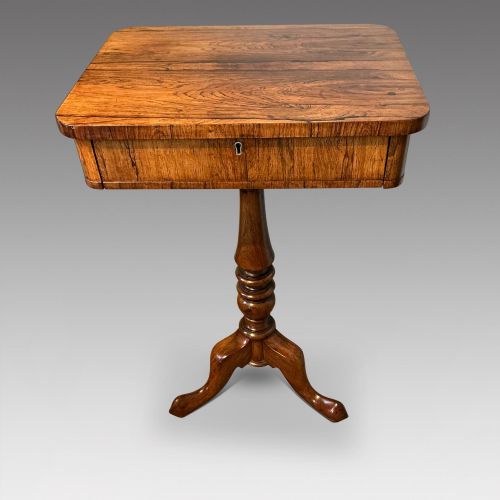
A victorian rosewood side table encompasses a diverse group of nineteenth century domestic furnishings designed for peripheral placement in parlours, drawing rooms and libraries. These pieces range from simple circular lamp tables and tripod wine stands to more elaborate foldover games tables, work tables fitted with drawers, and multi-tiered étagères.
The materials span primarily from the Victorian and earlier periods, drawing on the deep reddish brown tones of solid rosewood and matched veneers. Examples frequently incorporate supplementary woods such as mahogany, walnut and satinwood, alongside detailed brass hardware and decorative fabric inserts.
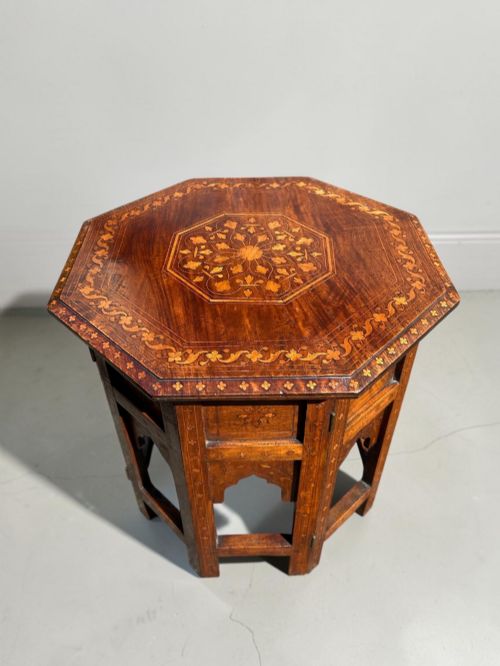
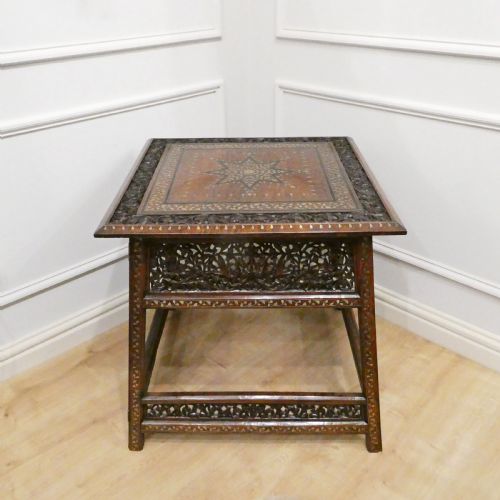
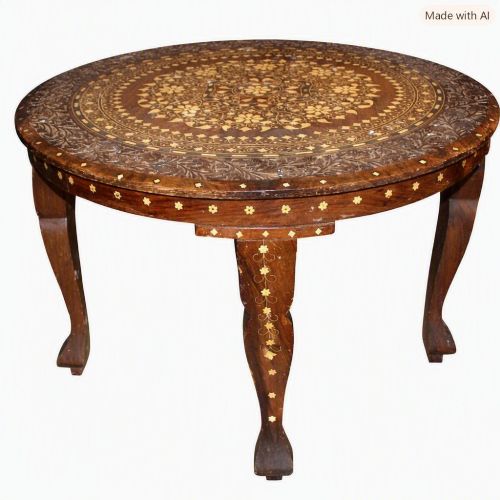
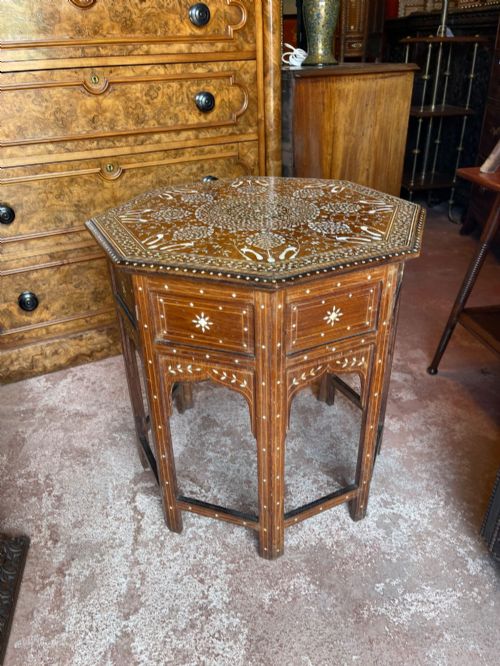
Geographic influences extend beyond standard British cabinet making to include Anglo Indian productions from Hoshiarpur featuring intricate bone and brass inlay, as well as Chinese Hongmu nest tables. The forms adapt to various domestic functions, operating as writing surfaces, bedside cabinets, console supports and central display points.
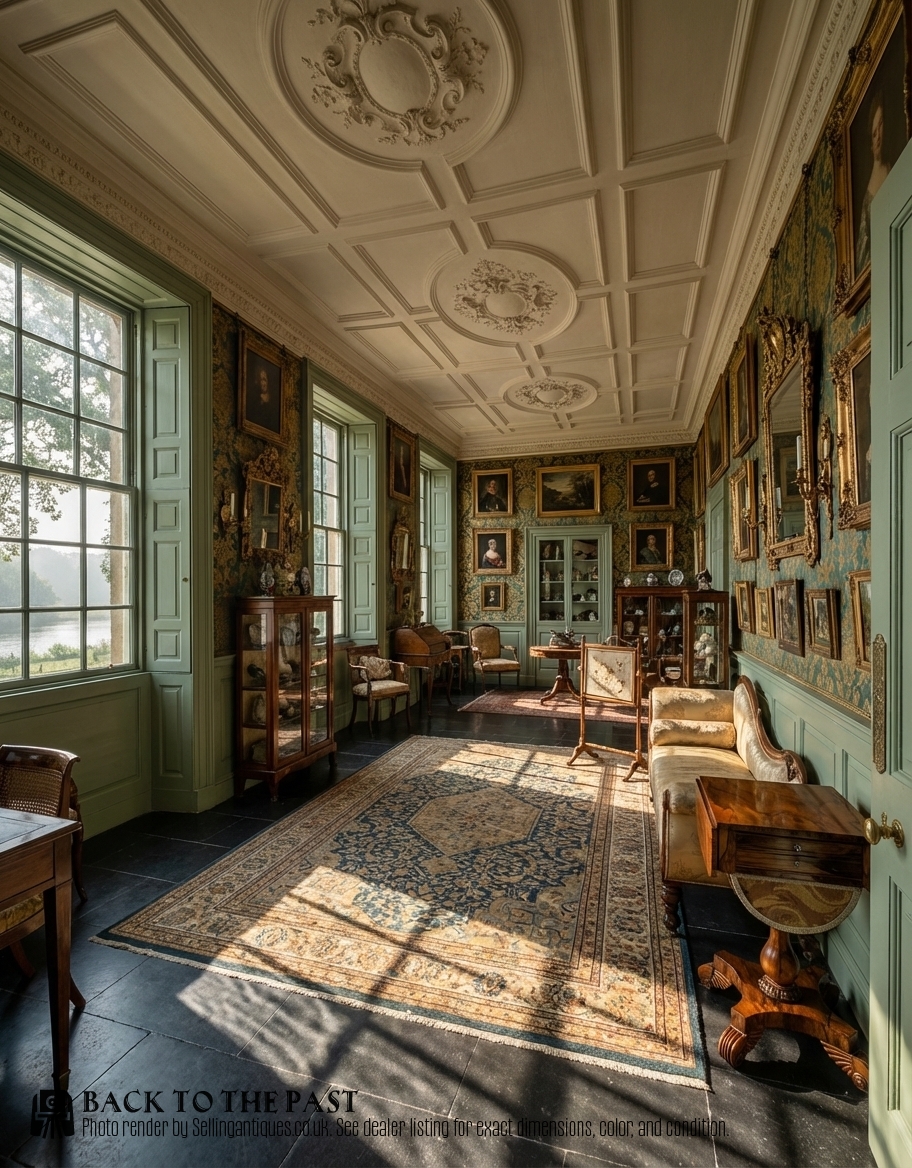
How They Were Made
Cabinet makers utilised dense tropical rosewood both as solid timber for turned supports and as finely sliced veneer applied to secondary framing woods. Surfaces frequently display intricate wood inlay, marquetry patterns and brass stringing.
Structural assembly relied on traditional joinery techniques, supporting functional elements such as drop leaves, telescopic mechanisms, hinged foldover tops and multi-tiered shelving. Carved ornamentation, barley twist legs and pedestal bases provided both stability and decorative depth.
Victorian Rosewood Side Table Retail Price Guide 2026
Typical asking prices for victorian rosewood side table among the pieces listed under this phrase on Sellingantiques today, from the lower quarter to the upper quarter. They describe what is for sale here now, not the wider market.
Several tables include hidden compartments for needlework, chess pieces and correspondence, built for Victorian secrets.
What Varies in Quality
Quality rests upon the precision of the cabinet work, the selection of the rosewood veneer and the integration of decorative elements such as marquetry, brass inlay and hand carving. Superior examples exhibit continuous grain matching, tight joinery and well executed structural details like bobbin legs or barley twist turning.
The provenance and maker attribution influence standing, with signed or stamped pieces from notable firms commanding greater recognition. Condition of the polished surface, originality of brass fittings and integrity of secondary timbers further distinguish standard domestic utility items from exhibition grade pieces.
Liberty and Co·Edwards and Roberts·Robert Strahan
The Victorian Rosewood Side Table Glossary
- Marquetry
- Decorative veneer work forming geometric or pictorial patterns using various woods. This technique was applied extensively to tabletop surfaces during the later Victorian period.
- Pembroke table
- A small rectangular table featuring hinged drop leaves on two opposing sides. These pieces often incorporate a single drawer and were easily moved around domestic interiors.
- Étagère
- A set of open shelves arranged in tiers for displaying ornaments or books. Mid nineteenth century examples frequently utilise slender upright supports and delicate inlaid surfaces.
- Teapoy
- A small pedestal table or chest originally designed to hold tea caddies. Colonial and Anglo Indian variants often feature dense hand carving and exotic hardwood construction.
Victorian Rosewood Side Table: Frequently Asked Questions
How do I identify a Victorian rosewood side table?
Examine the timber for the dark grain patterns characteristic of rosewood, alongside construction methods typical of the nineteenth century such as hand cut dovetails and solid secondary woods.
Check for stylistic markers including barley twist legs, pedestal bases and decorative marquetry inlay that align with Victorian and William IV cabinet making traditions.
Were these tables used in specific rooms?
These furnishings were placed in drawing rooms, parlours and libraries to serve functional roles as lamp stands, work tables for sewing, or surfaces for holding books and writing materials.
Smaller occasional and bedside variants were easily repositioned around the home as domestic needs shifted throughout the nineteenth century.
What is the difference between a side table and a centre table?
A side table is typically designed to sit flush against a wall or in a corner, featuring finished detail primarily on the front and sides.
Centre tables are finished on all four sides because they were intended to stand freely in the middle of a room, often acting as a focal point for lamps or decorative objects.
How do Anglo-Indian tables differ from standard Victorian pieces?
Anglo-Indian pieces originating from centres like Hoshiarpur are constructed from indigenous hardwoods such as padauk or shesham, featuring intricate all over chip carving.
They frequently incorporate bone, ivory or brass wire inlay in dense geometric and floral patterns, distinguishing them from traditional British rosewood veneered furniture.