




Victorian Rosewood Frame
When searching for a victorian rosewood frame, collectors seek rich dark grain housings that elevate period mirrors, watercolours and needlework.
Victorian Rosewood Frame
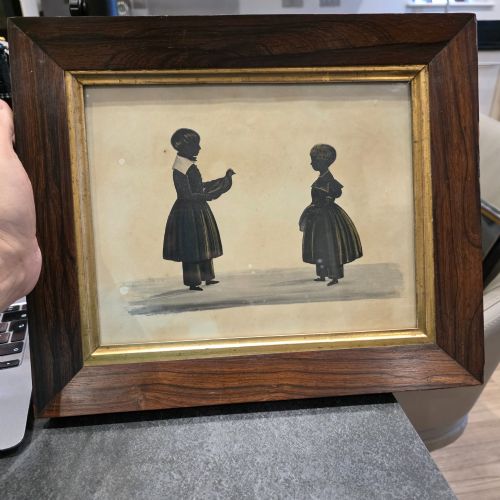
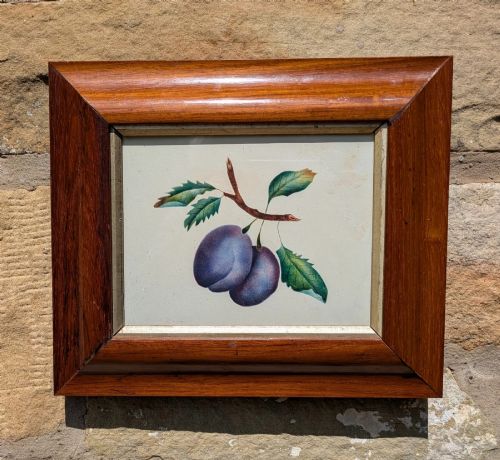
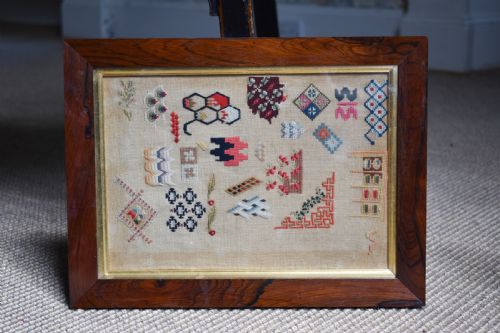
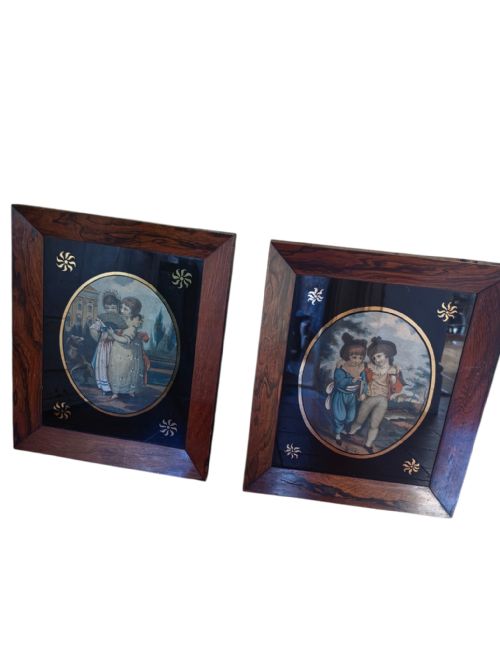
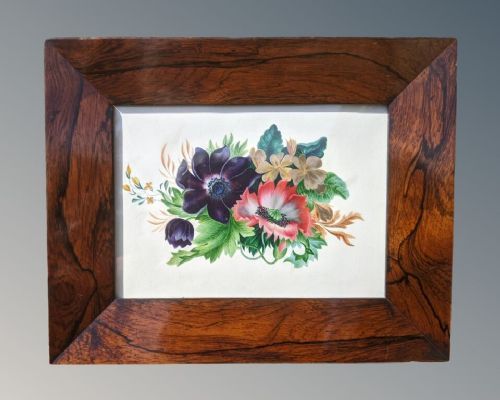
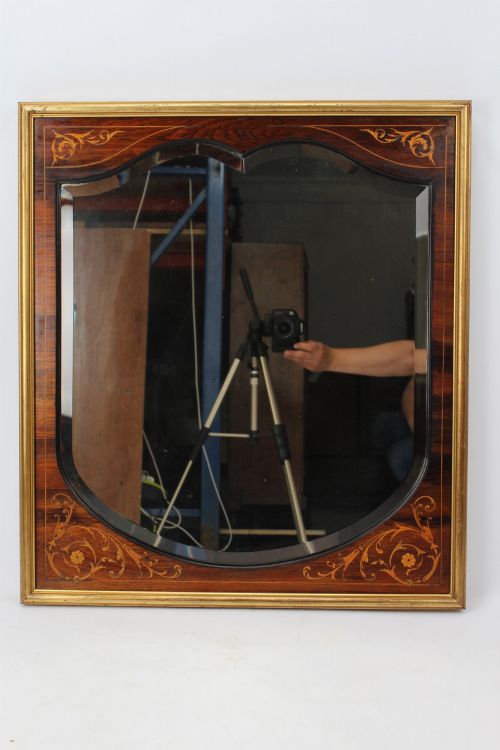
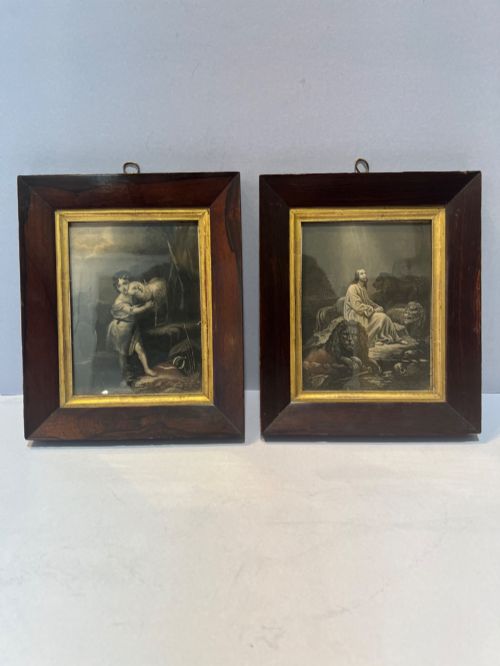
A victorian rosewood frame typically houses mirrors, watercolours, silhouettes, botanical paintings or needlework samplers produced during the nineteenth century. These items span wall art, occasional seating with exposed wooden frames, and dedicated desk or easel pieces.
The objects combine structural cabinet-making with display, using dense tropical timber to accent domestic interiors from the Regency period through to eighteen ninety.
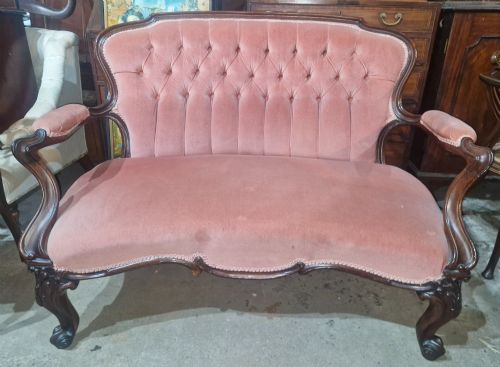
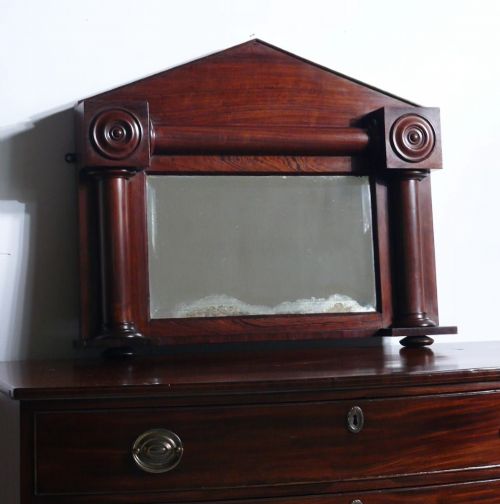
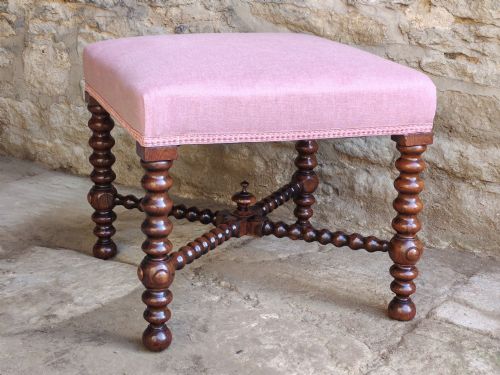
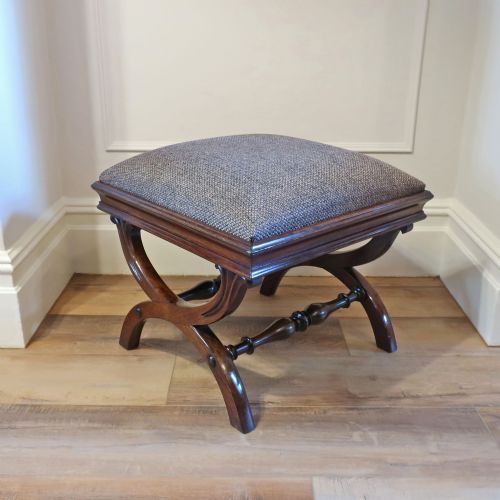
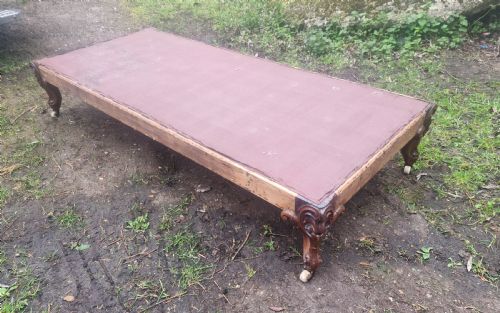
Buyers encounter various formats here, ranging from small portrait surrounds and botanical watercolours to large overmantle mirrors and upholstered seating where the polished timber forms the showframe.
How they were made
Craftsmen utilised dense, dark rosewood timber, often selected for strong grain figures and polished to a deep lustre. In many instances, the wood forms a solid structural component, while other items apply thin veneers over secondary timbers.
Makers integrated brass hardware, gilt gesso accents, and glass protection alongside traditional joinery techniques. Upholstered furniture pieces combined the rosewood framework with internal webbing, stuffing, and coverings of wool, velvet, leather, or fabric.
Listings feature nineteenth-century materials including rosewood, glass, brass, velvet, watercolour, wool, and fabric across diverse decorative objects.
What varies in quality
Quality rests in the selection and matching of the rosewood veneer or solid timber, where striking grain patterns and minimal patching distinguish finer examples. The crispness of carved details, such as foliate motifs or bobbin turnings, separates standard production from superior cabinet-making.
The integrity of the original polish and the survival of secondary elements like brass mounts, easel backs, or early mirror glass influence the standing of any given piece.
The Victorian Rosewood Frame Glossary
- Rosewood
- A dense, heavy tropical timber prized for its dark purple-brown colour and contrasting black grain markings. It was widely utilised across nineteenth-century cabinet-making and decorative framing.
- Showframe
- A structural wooden framework left entirely visible around upholstered furniture items such as armchairs and chaise longues. The exposed timber displays fine carving or polished grain.
- Overmantle mirror
- A large wall mirror designed specifically to hang above a fireplace mantelpiece. These pieces frequently feature architectural framing in rosewood or parcel-gilt wood.
- Needlework sampler
- A piece of canvas embroidered with alphabets, motifs or pictorial scenes using wool or silk threads. They frequently survive inside original period wooden frames.
- Gesso
- A plaster-based material applied to wooden surfaces to create a smooth base for gilding or painting. It often appears on nineteenth-century mirror frames alongside carved rosewood.
Victorian Rosewood Frame: Frequently Asked Questions
How do I date a rosewood frame?
Dating relies upon construction methods, backboards, and accompanying artwork or mirror glass. Earlier nineteenth-century examples often display hand-sawn timber and old fixings.
Stylistic cues such as Regency simplicity or mid-Victorian carved ornamentation also help narrow the decade of manufacture.
Were these frames always used for mirrors?
While mirror glass was common, these surrounds housed a diverse range of objects. Watercolours, botanical studies, portrait silhouettes, and embroidered samplers all utilised these timber housings.
Easels and small desk stands also accommodated portrait photographs and porcelain plaques.
How should I care for rosewood furniture?
Maintain stable indoor humidity levels and keep pieces away from direct sunlight to protect the deep timber tones. Gentle dusting with a dry, soft cloth preserves the historic polish.
Avoid liquid cleaners and silicone sprays which can penetrate old finishes.