




Hand Stitched Tapestry
A hand stitched tapestry brings rich texture and intricate needlework into a room, offering enduring craft through historic textiles and furnishings.
Hand Stitched Tapestry
When you search for hand stitched tapestry, you encounter a diverse selection of historic needlework, wall hangings, rugs, cushions and upholstered seating spanning the nineteenth and twentieth centuries.
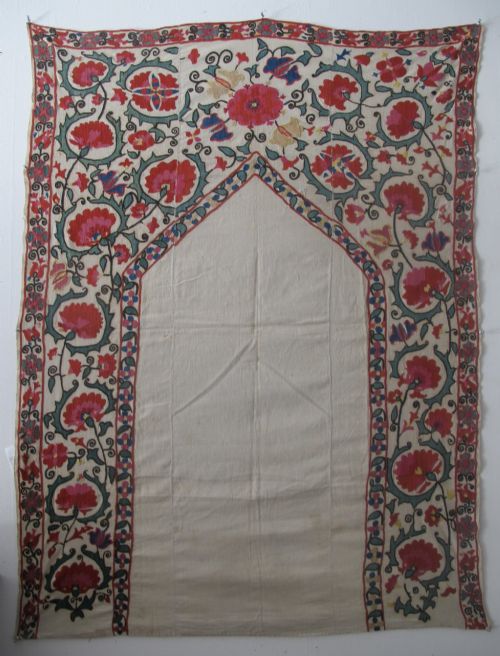
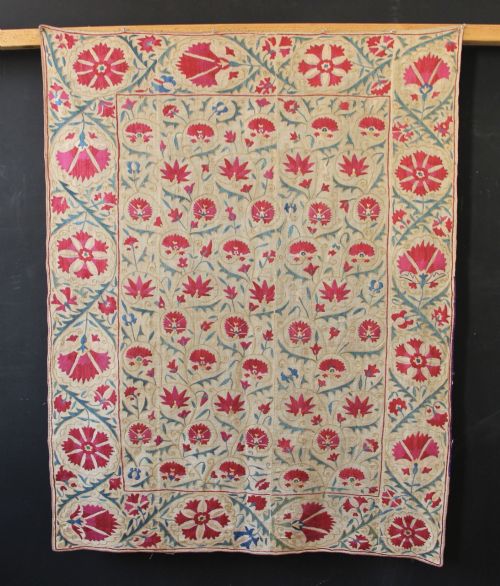
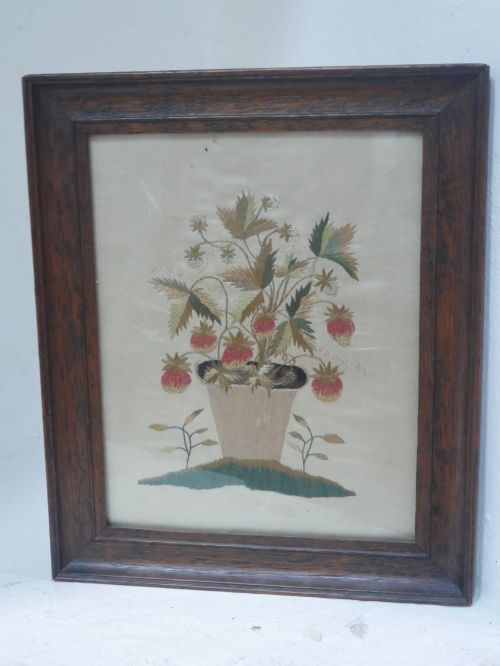
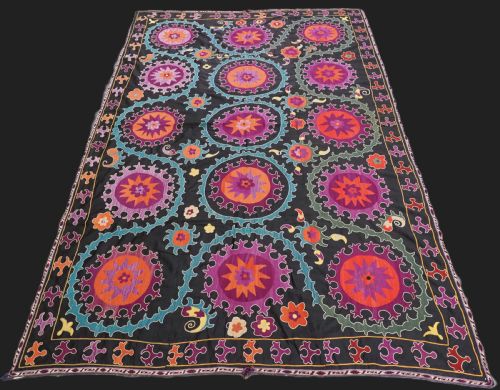
The most common examples on this page include Uzbek Suzani embroideries with floral or central star designs, Portuguese needlepoint carpets, and English needlework pieces set in wood frames.
The range extends from French chateau cushions and Italian portrait panels to Victorian botanical needlework and crewelwork carpets.
Materials and construction
These pieces rely on natural fibres, utilising wool, cotton, silk, and silk thread stitched onto sturdy canvas, cotton grounds, or linen bases.
Execution involves meticulous needlework techniques, including gross point, petit point, crewelwork, and embroidery, sometimes finished within giltwood, rosewood, walnut, beech, or mahogany frames.
A twelve-year-old named Mary Mason left her stitched signature on a nineteenth-century sampler, proving that historic homework sometimes survives.
Evaluating quality and execution
Quality rests upon the fineness of the stitch and the complexity of the design, where densely worked embroidery and balanced proportions distinguish superior examples.
The vibrancy and condition of surviving silk and wool threads determine the visual impact, alongside the integrity of any supporting wooden frame or original backing.
The Hand Stitched Tapestry Glossary
- Suzani
- An embroidered textile originating from Uzbekistan, typically featuring silk thread stitched onto a cotton ground in bold floral or geometric motifs. These large decorative panels were traditionally made as part of a bride's dowry.
- Petit point
- A form of needlepoint worked on fine canvas using small, counted stitches that allow for high detail and shading. It frequently appears in nineteenth-century decorative panels and chair coverings.
- Gross point
- A coarser needlepoint stitch worked on larger canvas mesh, often paired with petit point to create textured contrasts in rugs and cushions. It provides durability and a robust tactile surface.
- Crewelwork
- Embroidery executed with wool yarn on a plain-weave fabric, traditionally used for wall hangings and carpets. This technique produces dense, tactile patterns with a heavy drape.
- Arraiolos
- A traditional style of Portuguese needlepoint carpet named after the town where artisans stitch wool onto a linen foundation. These rugs feature distinctive Iberian motifs and patterns.
Hand Stitched Tapestry: Frequently Asked Questions
How do I clean a historic needlework piece?
Surface dust should be gently removed using a soft brush or low-suction vacuum with a mesh guard.
Water and chemical solvents must be avoided to prevent shrinkage and dye bleeding in old silk and wool threads.
Can these tapestries be hung on walls?
Many textile art pieces and Suzanis are well-suited for display as wall hangings when mounted correctly with fabric sleeves.
Direct sunlight should be avoided to prevent fading in natural fibres like silk and cotton.
How are nineteenth-century needlepoint carpets used today?
Smaller carpets and rugs function effectively as decorative floor coverings in low-traffic areas of the home.
They also serve as striking table covers or wall displays to preserve their delicate construction.