



Victorian Rosewood Cupboard
A victorian rosewood cupboard brings rich grain and solid utility to a room, offering enclosed storage alongside the deep reddish-brown tones characteristic of the timber.
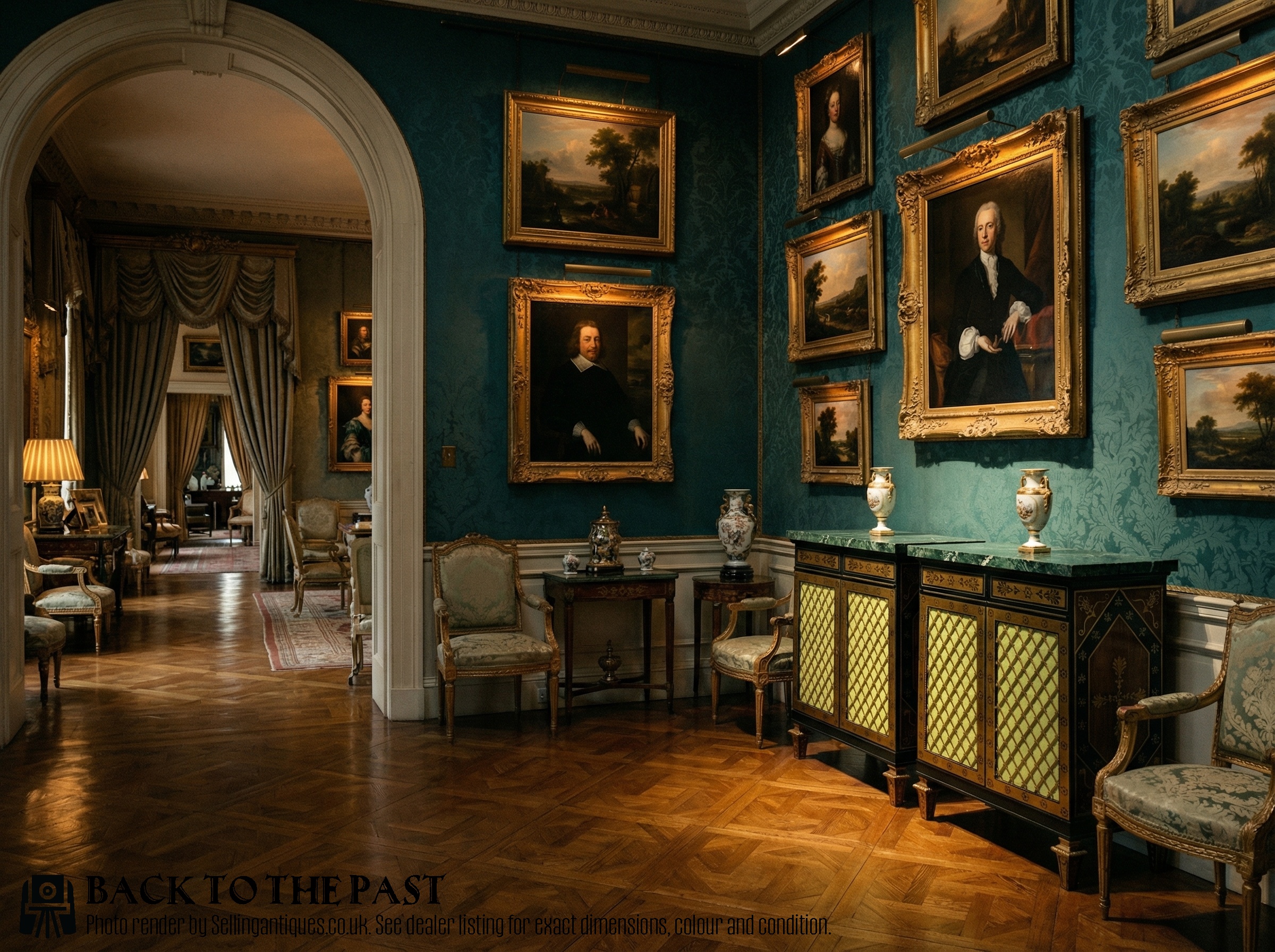
Victorian Rosewood Cupboard
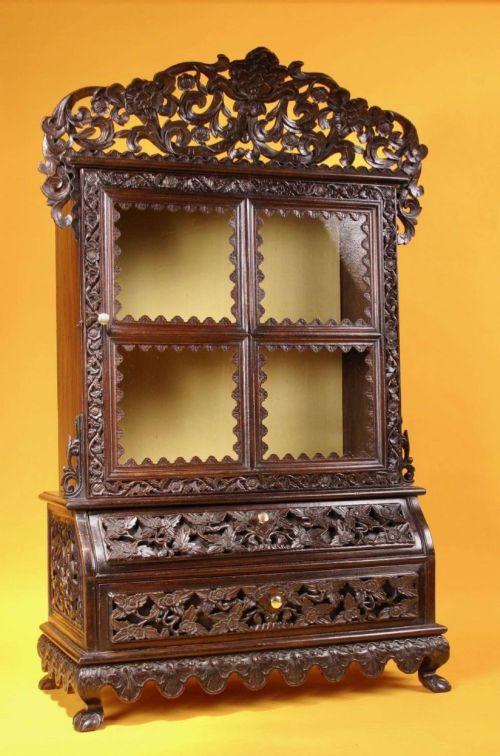
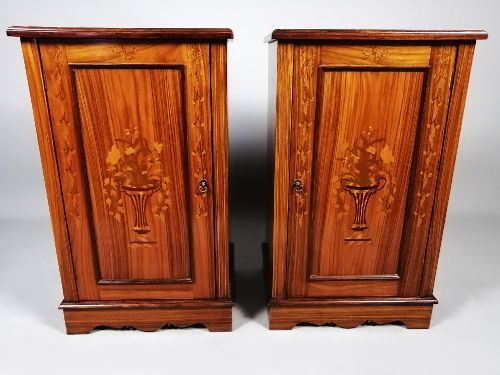
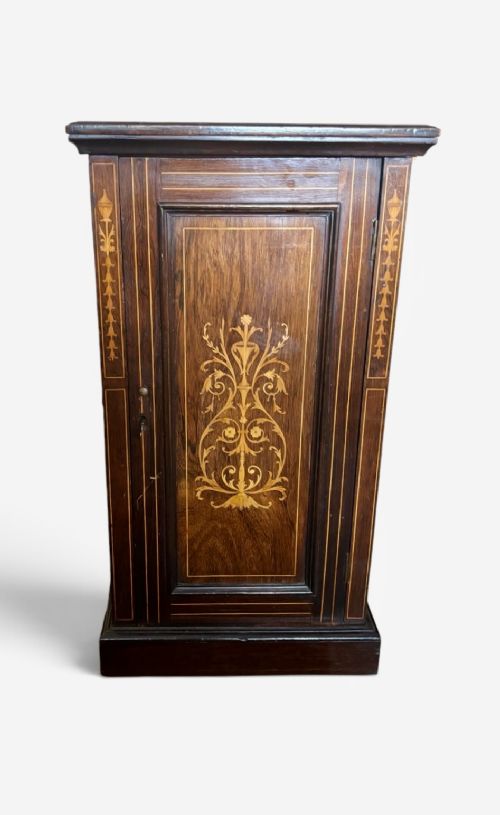
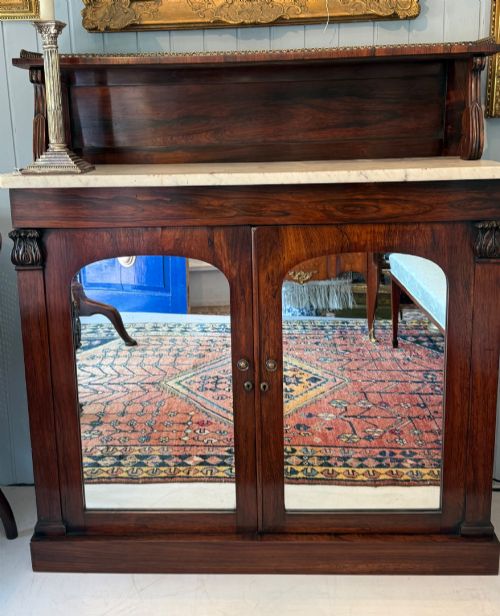
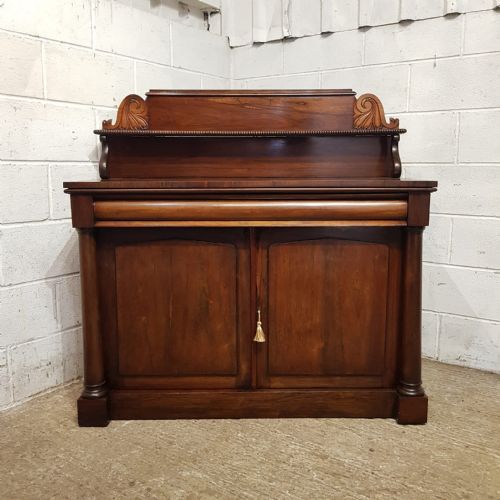
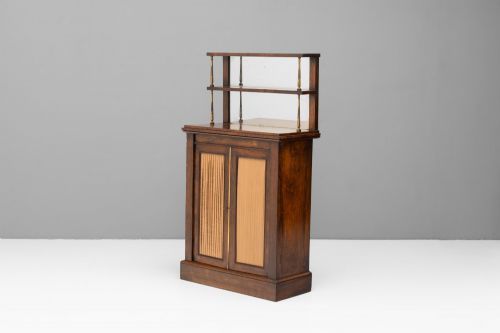
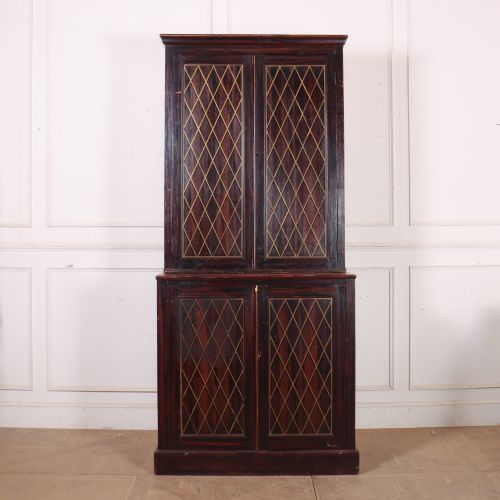
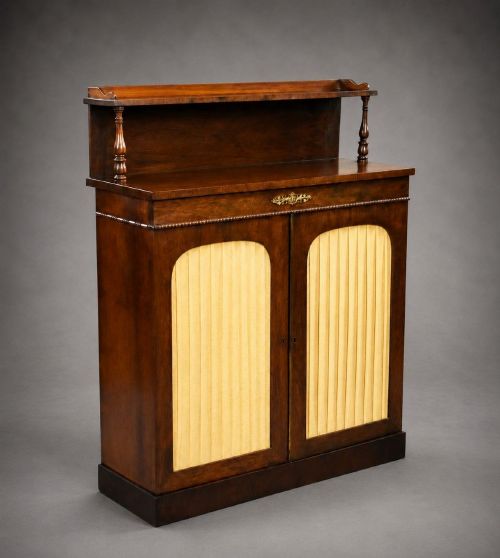
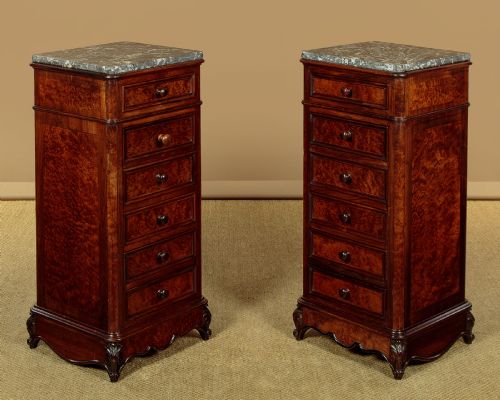
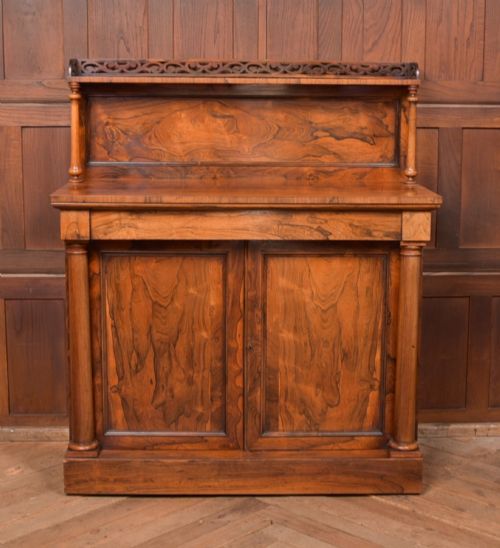
When searching for a victorian rosewood cupboard, you encounter various forms produced during the nineteenth century, including bedside pedestals, display cabinets, chiffoniers, and corner units. The version you are most likely to meet on this page is the freestanding chiffonier or side cabinet featuring lower panelled doors and sometimes an upper superstructure with shelves.
Pieces span several decades of the period, taking shapes from early Victorian and William IV designs through to late Victorian and Edwardian interpretations. Makers also produced Anglo-Indian variations and inlaid pieces incorporating satinwood or brass details alongside the primary rosewood timber.
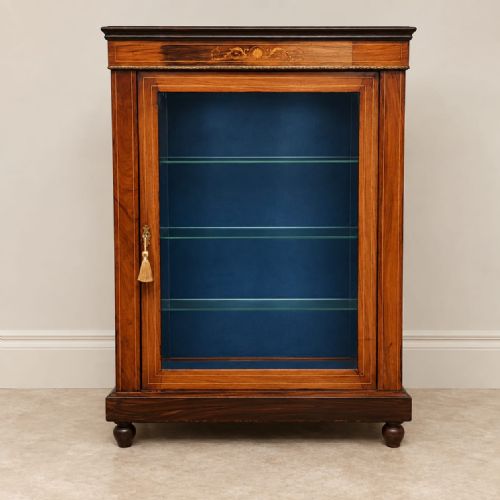
Functionality dictated the form, leading to specialised furniture such as sheet music cabinets, glazed bookcases, and narrow pier cabinets designed for compact spaces. These items served dining rooms, libraries, and bedrooms, functioning as both storage vessels and display surfaces.
What varies in quality
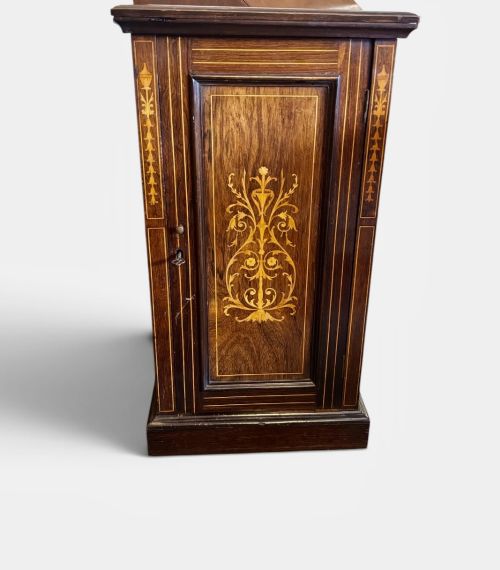
The standard of a piece depends heavily on the selection and matching of the rosewood veneer, where symmetrical grain alignment across doors and panels indicates superior craftsmanship. Fineness in hand-carved details, precision in satinwood inlay, and the integration of original brass hardware further distinguish high-grade examples from simpler utility furniture.
Proportion and structural balance also set items apart, as master workshops maintained refined dimensions even in compact bedside cabinets or narrow pier units. The survival of original glass, marble tops, and internal shelving preserves the integrity of the original design.
The listings span the nineteenth century, including specific dated examples from 1800, 1850, 1870, 1880, 1890, and 1900.
Holland & Sons·Edwards & Roberts
The Victorian Rosewood Cupboard Glossary
- Chiffonier
- A low sideboard or cupboard featuring a closed storage base beneath a shelf or superstructure, popular throughout the nineteenth century.
- Pier Cabinet
- A narrow cabinet designed to fit the wall space, or pier, between windows, often featuring glazed doors to display books or ceramics.
- Inlay
- A technique where contrasting materials such as satinwood or brass are inserted into hollowed-out sections of the rosewood surface to create decorative patterns.
- Marquetry
- Elaborate decorative veneer work arranged in pictorial or geometric designs using various wood types.
Victorian Rosewood Cupboard: Frequently Asked Questions
What is a Victorian rosewood chiffonier?
A chiffonier is a specific form of low cupboard featuring enclosed storage space below, often accompanied by a shelf or mirrored back on top. These pieces served dining rooms and sitting rooms as functional sideboards.
They emerged strongly during the mid-nineteenth century, combining utilitarian storage with the decorative qualities of dark tropical timber.
How do I identify a Victorian rosewood cupboard?
Examination of the timber reveals the heavy, dark grain characteristic of rosewood, sometimes applied as veneer over a sturdier secondary wood. Hardware details, construction joints, and stylistic cues like satinwood inlay help confirm the nineteenth-century origin.
Cabinet styles shifted over the decades, moving from heavier William IV proportions towards slender late Victorian designs with delicate marquetry.
Where were these cupboards placed in a home?
These pieces occupied various rooms depending on their exact form, with bedside cabinets in sleeping quarters and glazed bookcases in libraries or parlours. Corner cabinets utilised awkward wall angles, while narrow pier units fitted neatly between large windows.
Their surfaces provided practical space for lamps, books, or decorative objects while keeping clutter hidden inside.
Are all these cabinets made entirely of solid rosewood?
Most nineteenth-century cabinet makers utilised rosewood as a veneer applied over solid secondary woods like mahogany or deal to manage weight and material cost. This technique allowed craftsmen to display dramatic grain patterns across large door panels without warping.
Solid rosewood was typically reserved for smaller components, mouldings, or specific structural elements where durability took precedence over expansive flat surfaces.