


Victorian River Scene Painting
A victorian river scene painting captures the water meadows, locks, and towpaths of nineteenth-century Britain through the eyes of period watercolourists and oil painters.
Victorian River Scene Painting
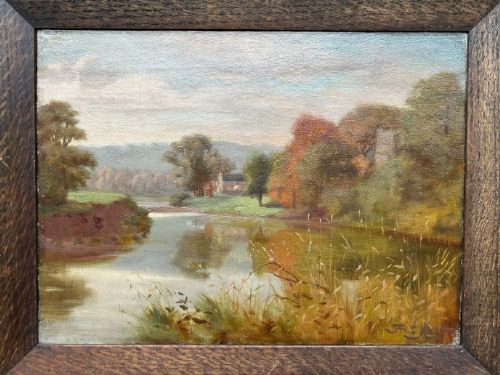
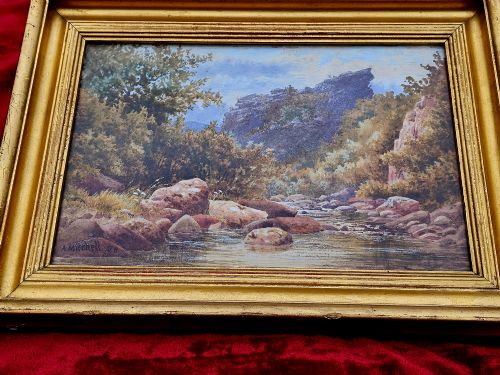
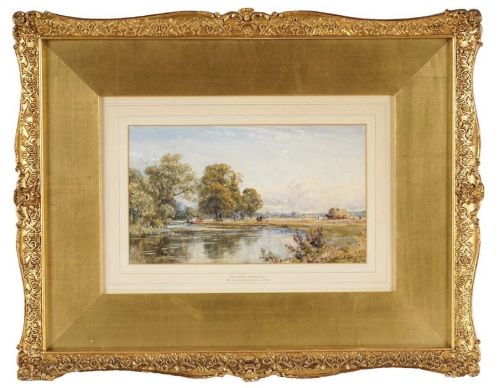
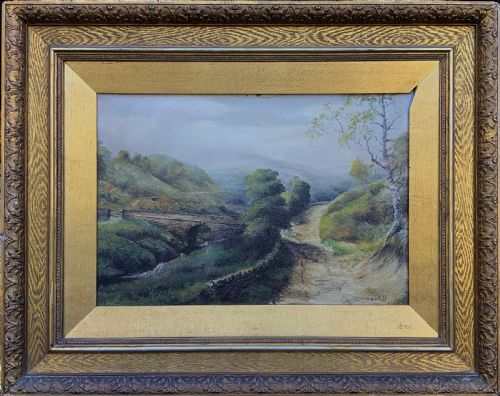
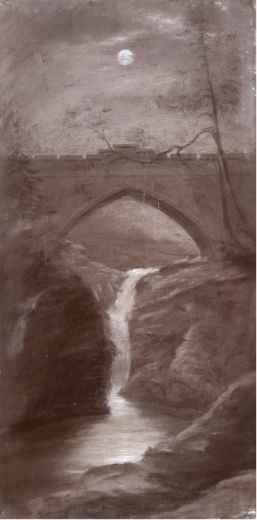
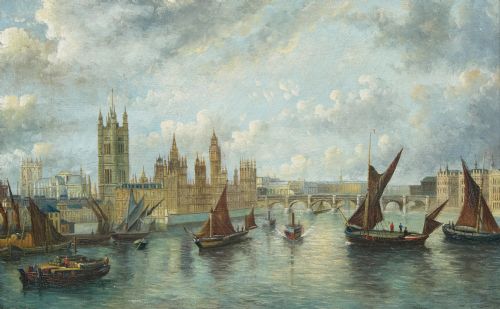
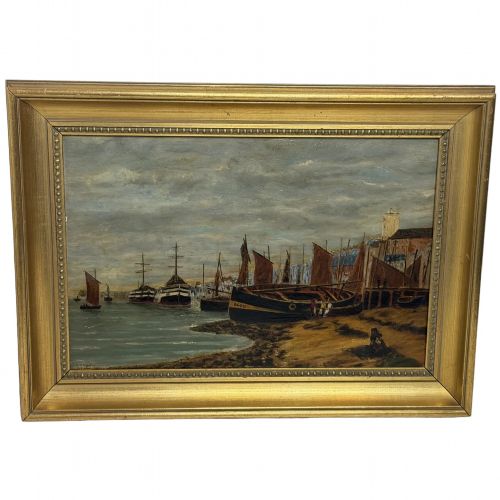
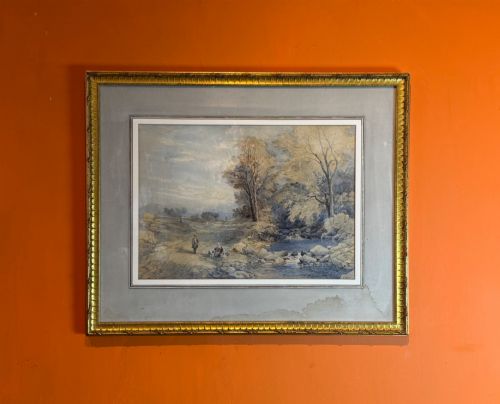
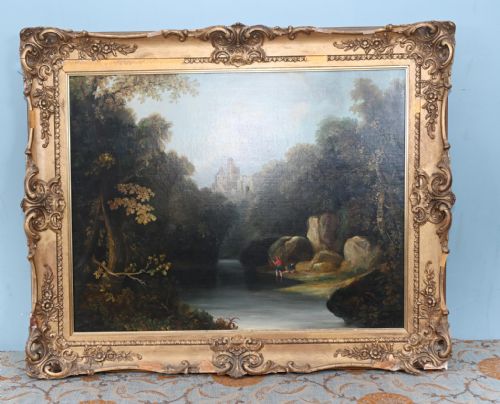
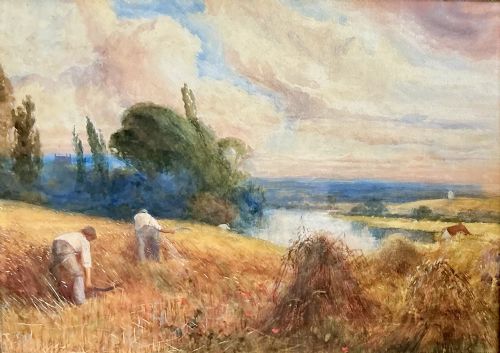
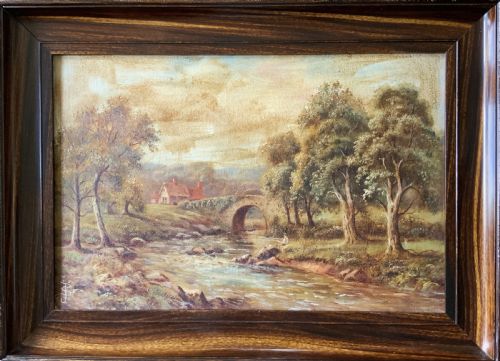
A victorian river scene painting depicts waterways, estuaries, and pastoral banks created primarily during the nineteenth century by British and European artists. The selection focuses heavily on framed watercolours and oil paintings on canvas depicting specific locations from the Thames to North Wales.
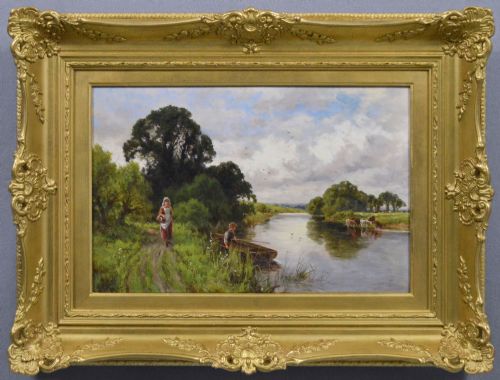
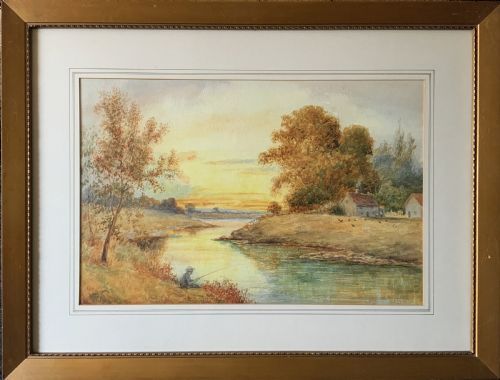
Buyers encounter rural landscapes populated by figures fishing, harvesting, or boating near locks, bridges, and castles. These works range from intimate watercolours on paper to large-scale framed canvases signed by listed regional painters.
The prevailing styles bridge traditional pastoral art and late nineteenth-century naturalism, often capturing specific light conditions such as autumn sunsets or misty river mornings.
Materials and Techniques
Artists painted these scenes using oil paint on stretched canvas or wooden board, alongside transparent and bodycolour watercolours applied to heavy paper. Supporting structures typically involve original wooden frames, often finished in giltwood.
Paint application relies on layered brushwork to capture moving water, atmospheric skies, and detailed foliage along riverbanks. Charcoal serves as the primary under-drawing medium in several works, demonstrating preparatory draughtsmanship beneath the paint or pigment.
Victorian River Scene Painting Retail Price Guide 2026
Typical asking prices for victorian river scene painting among the pieces listed under this phrase on Sellingantiques today, from the lower quarter to the upper quarter. They describe what is for sale here now, not the wider market.
Determinants of Quality
Quality rests upon the artist's ability to render light, water movement, and atmospheric perspective convincingly rather than relying on formulaic topographical recording. Stronger examples display confident brush handling and nuanced colour mixing in the treatment of reflections and skies.
The presence of original period frames and documented provenance from exhibition societies or known artists elevates the standing of an individual painting. Compositional balance and the specificity of the depicted location distinguish accomplished gallery pieces from generic provincial works.
Alfred Young Nutt·Frederick Marriott·Robert Thorne Waite·David Cox·Thomas Bush Hardy·Benjamin Williams Leader·Robert Winchester Fraser·James Edward Grace
The Victorian River Scene Painting Glossary
- Watercolour
- A painting method where fine pigment is suspended in a water-soluble binder and applied to paper. This medium allows for luminous washes and delicate atmospheric effects.
- Giltwood
- Wood carved and coated with a thin layer of gold leaf or metallic gilt paint. Period frames utilise this finish to complement the tones within the painting.
- Oil on Canvas
- Pigment bound in drying oil applied to a woven fabric support stretched across a wooden frame. This combination permits deep colour saturation and heavy impasto.
- Tondo
- A circular painting or relief sculpture. This distinct format requires specific compositional balance within a rounded border.
- Provincial
- Pertaining to art produced outside major metropolitan centres by regional practitioners. Such works often document local landscapes with vernacular charm.
Victorian River Scene Painting: Frequently Asked Questions
How do I care for antique watercolours?
Keep watercolours away from direct sunlight to prevent fading of the delicate pigments used by nineteenth-century artists.
Display them in rooms with stable humidity and ensure they are glazed with UV-protective glass where possible.
Are these paintings signed by the artist?
Many works bear the original signature or monogram of the painter, often placed discretely in a lower corner.
Some pieces remain attributed through gallery labels, exhibition records, or distinct stylistic traits.
What framing is appropriate for these works?
Period giltwood frames suit nineteenth-century canvases and watercolours best, enhancing the warm tones of the era's palette.
Ensure any replacement framing respects the historical period of the artwork without overpowering the composition.
How are these river scenes dated?
Dating relies on artist lifespan records, exhibition dates noted on framing or labels, and stylistic markers of the Victorian era.
Clothing styles of figures depicted and specific architectural landmarks also provide reliable chronological clues.