
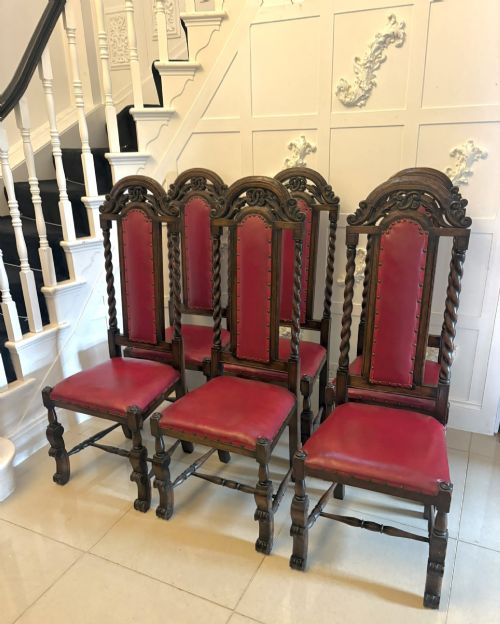
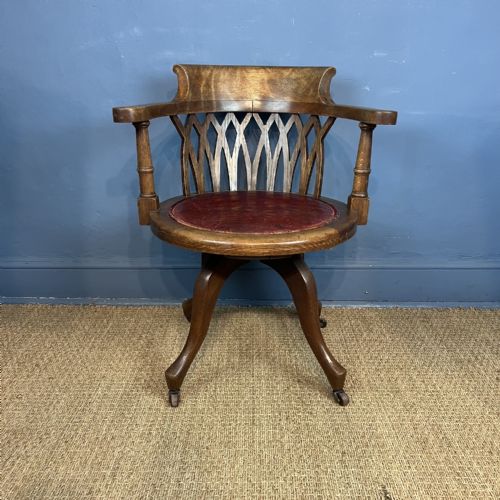
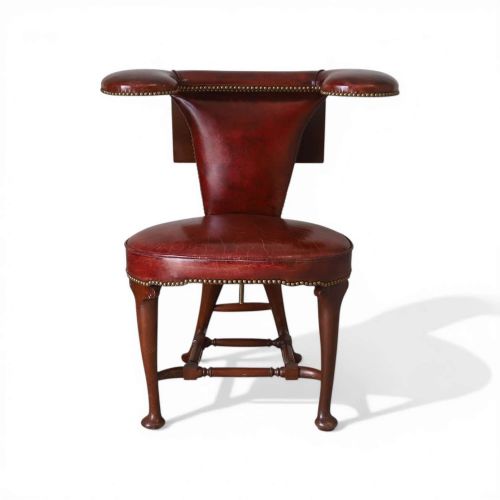
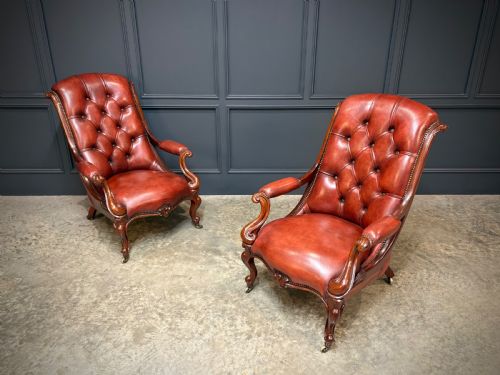





Victorian Red Leather Seat
These Victorian red leather seat examples combine period character with robust utility, offering lasting comfort for a study or library.
Victorian Red Leather Seat
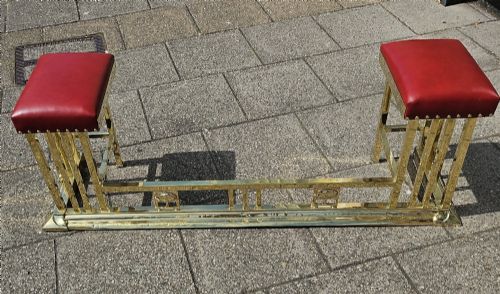
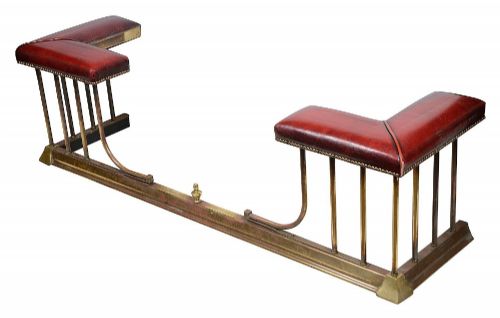
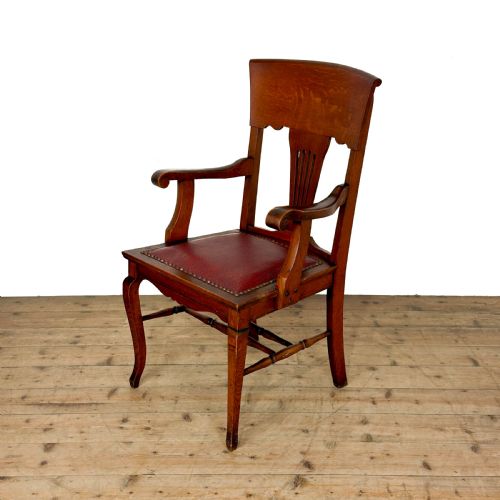
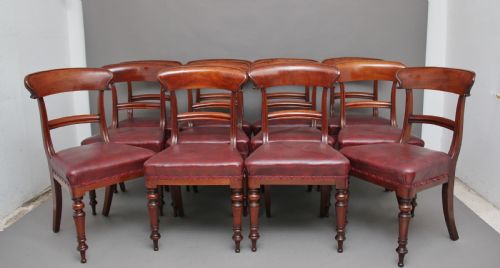
A victorian red leather seat encompasses diverse forms ranging from library armchairs and revolving desk chairs to club fenders and ottomans. You will frequently encounter armchairs, desk chairs, and dining chairs upholstered in distinctive red leather alongside supportive club fenders.
Originating largely from the nineteenth century, these pieces reflect Victorian, Regency, and Edwardian aesthetic movements. Oak, mahogany, and rosewood frames predominate across the selection, often complemented by brass or steel components.
Specialised seating such as nursing chairs, reading chairs, and adjustable piano stools demonstrate the varied domestic functions served during the period. Buttoned upholstery and studded finishes recur across multiple formats, establishing a coherent visual language.
Materials and construction methods
Timbers including oak, mahogany, and rosewood provide the structural integrity for frames, supporting frequent use in domestic settings. Cabinetmakers shaped these hardwoods using traditional joinery techniques appropriate to each style.
Upholstery relies on durable leather secured with metal studs or finished with deep buttoning. Brass and steel elements frequently appear on club fenders and adjustable mechanisms, adding functional resilience to decorative designs.
Cockfighting chairs feature distinctive low writing desks mounted on the backrest for seated spectators.
Assessing quality in period seating
The sophistication of frame carving and the selection of cabinet timbers largely separate standard examples from finer works. Dense hardwoods like rosewood and well-figured mahogany indicate higher workshop aspirations.
The treatment of the leather upholstery, from precise stud placement to buttoning depth, reflects the original maker's skill. Robust mechanical elements in revolving chairs or adjustable stools further distinguish superior production.
The Victorian Red Leather Seat Glossary
- Club fender
- A low fireside seat with upholstered cushions surmounting a metal or brass frame. These fixtures emerged in the nineteenth century to provide perimeter seating around a hearth.
- Buttoned leather
- An upholstery method where depressions are formed in the leather by pulling ties through to the frame. This technique secures the padding while creating a patterned surface.
- Sabre leg
- A concave tapering furniture leg curving outward toward the floor in the manner of a cavalry sword. This form appears frequently on Regency dining chairs.
- Nursing chair
- A low-seated armchair designed to facilitate tending to infants or sitting comfortably near a bedroom fire. These items often feature distinctive proportions suited to relaxed postures.
Victorian Red Leather Seat: Frequently Asked Questions
How do I clean period leather?
Maintain red leather surfaces using specialised leather balms that nourish the hide without altering its tone. Avoid harsh detergents or excessive moisture during routine maintenance.
Test any cleaning product on a discreet area first to ensure compatibility with antique finishes. Gentle dusting with a dry cloth prevents particulate accumulation in creases.
Were these seats used in offices?
Revolving desk chairs and library armchairs served professional and domestic study spaces throughout the nineteenth century. Their ergonomic designs accommodated extended periods of reading and writing.
Heavier framing in oak or mahogany ensured stability for daily administrative tasks. Brass castors frequently facilitated movement across study floors.
What is a club fender?
A club fender is a hearthside seating arrangement featuring a metal frame with padded leather top rails. It allowed occupants to sit close to the fire while containing stray embers.
Brass and steel frameworks predominate, often incorporating open corner supports. These pieces frequently match the metalwork of surrounding fireplace accessories.
How do I date a Victorian chair?
Examine the underlying timber, joinery methods, and hardware to establish the approximate period of manufacture. Secondary woods and fastener types often provide reliable chronological clues.
Stylistic indicators such as Gothic Revival or Sheraton Revival motifs narrow the timeframe within the nineteenth century. Structural wear patterns also correspond to the age of the piece.