


Victorian Purdonium Box
When you seek a Victorian purdonium box, you look for a specialised fireside cabinet designed to hold coal near the hearth with elegance.
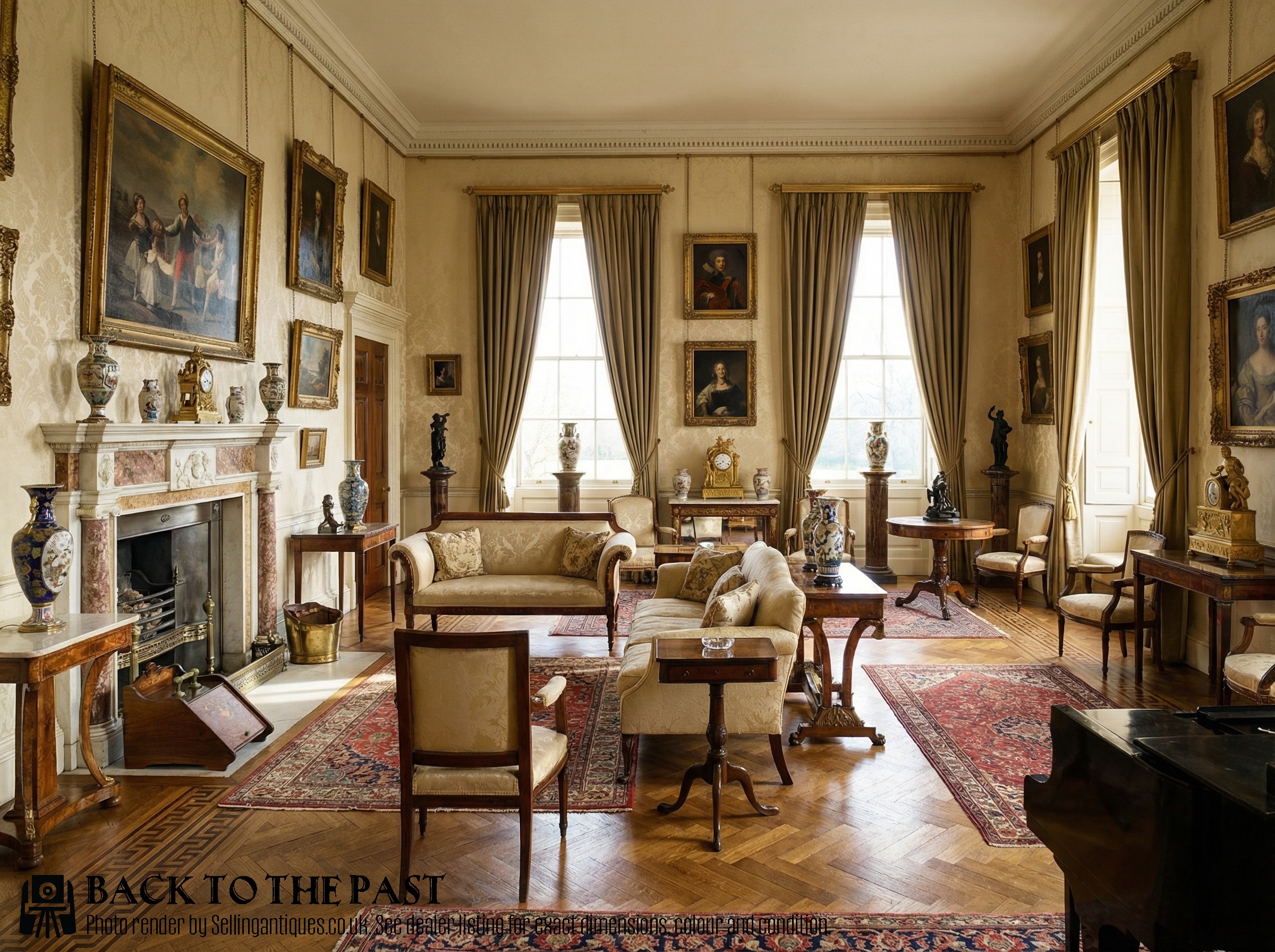
Victorian Purdonium Box
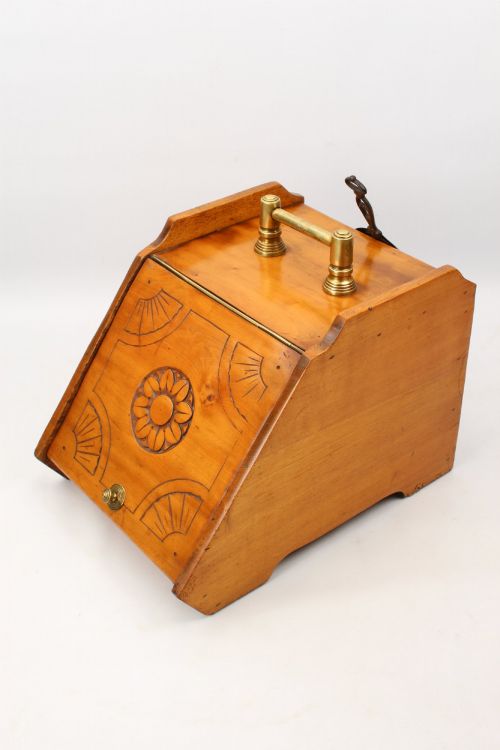
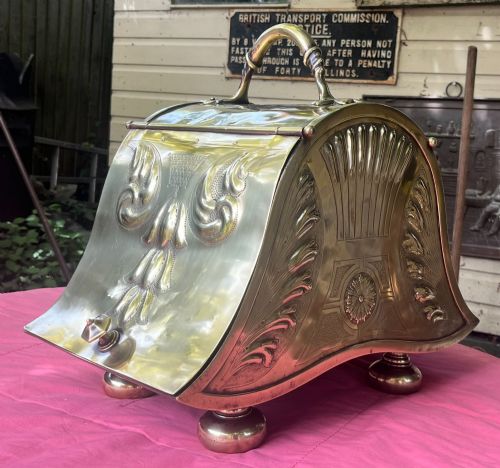
A Victorian purdonium box functions as a dedicated fireside storage container for coal or logs, keeping fuel tidy beside the hearth. These pieces appear primarily in forms designated as coal boxes, purdoniums, and scuttles originating across the nineteenth century.
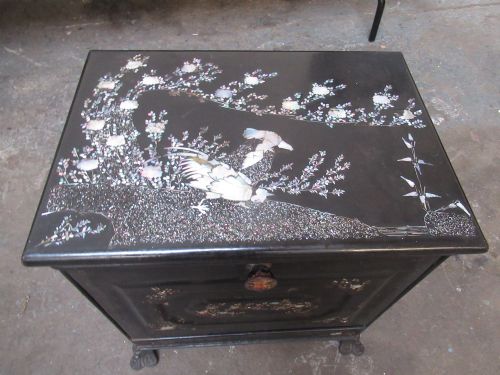
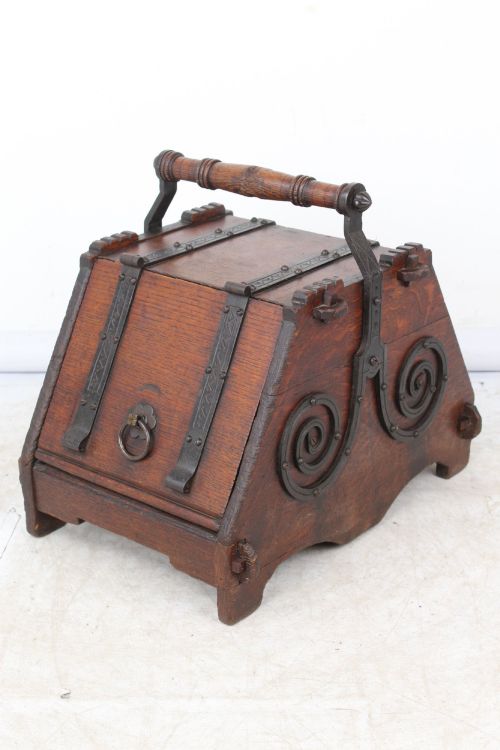
The specimens met on this page range from standard timber models to elaborate stylistic variants reflecting Gothic Revival, Arts and Crafts, and Aesthetic movements. Buyers will frequently encounter wooden cabinetry fitted with metal liners and matched shovels designed for daily domestic use.
Materials and construction methods
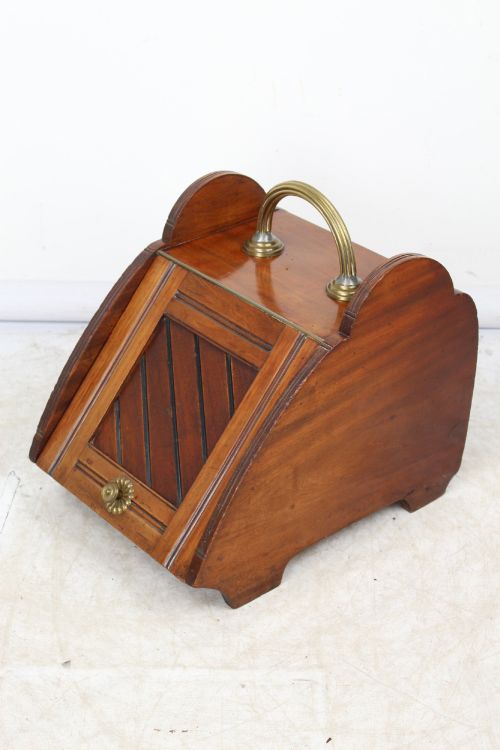
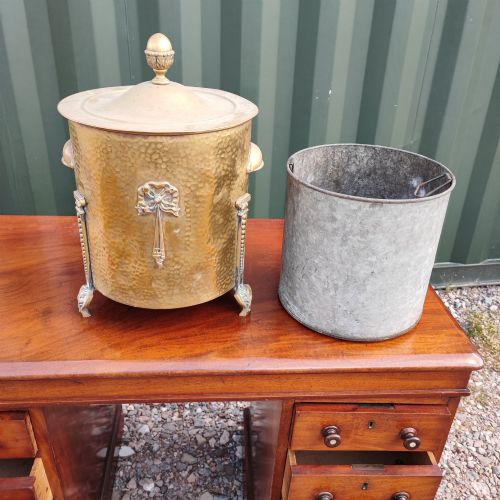
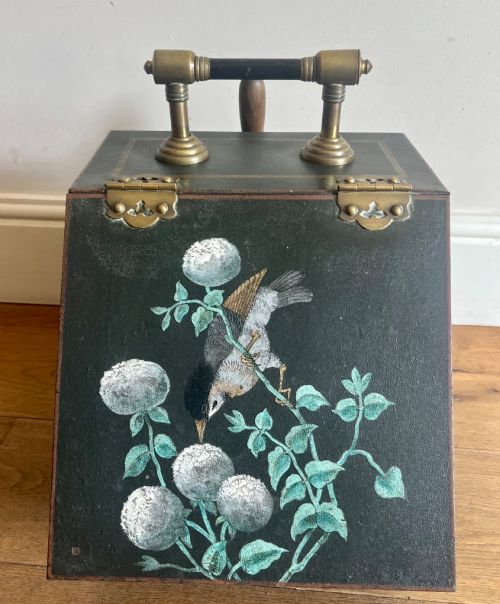
Cabinet makers utilised dense hardwoods including mahogany, walnut, and oak for the primary box structures, frequently incorporating carved details, marquetry, or inlaid panels. These wooden bodies often house removable metal liners made from brass, copper, or painted tole ware to contain coal dust and residue safely.
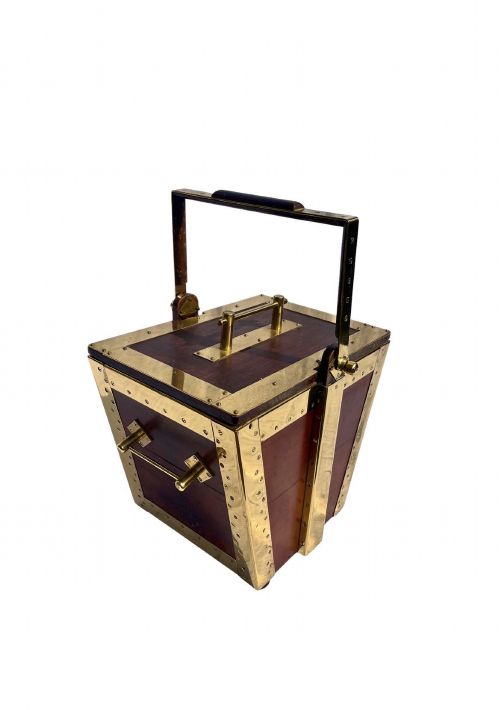
Metal components such as brass handles, hinges, and ormolu mounts provide both functional support and decorative contrast against the timber surfaces. Many examples include drop-down fronts or tilting compartments paired with matching metal scoops or shovels.
Some fireside boxes cleverly double as low coffee tables when closed.
Distinctions in craftsmanship and design
Quality separates standard utility containers from superior examples through the selection of timber figures, such as pollard oak or figured walnut, and the precision of the cabinetry. Finer pieces demonstrate careful carving, intricate brass mountings, and integrated metamorphic actions.
Design ambition further elevates certain items, notably those associated with specific artistic styles or attributed to prominent workshops like Benham and Froud. The presence of original fitted metal liners and matching shovels preserves the integrity of the piece.
Benham and Froud
The Victorian Purdonium Box Glossary
- Purdonium
- A dedicated household cabinet or box designed specifically for storing coal by the fireplace. This term often implies a hinged front or tilting mechanism for easy access to the fuel.
- Coal Scuttle
- A traditional open bucket or container used for carrying and holding coal. They frequently feature a swing handle and a matching shovel.
- Tole Ware
- Lacquered or enamelled metalware, typically iron or tin, painted with decorative patterns. These surfaces offer durability and distinct visual character.
- Metamorphic
- A descriptive term for furniture that transforms or conceals its primary function. In this context, it refers to boxes designed to double as small tables or multi-use furniture.
- Aesthetic Movement
- A late nineteenth-century design current emphasising visual beauty over narrative meaning. Pieces from this period display refined ebonised finishes and artistic brass detailing.
Victorian Purdonium Box: Frequently Asked Questions
What is a Victorian purdonium box?
A Victorian purdonium box is an enclosed wooden cabinet created to store coal neatly beside a fireplace. They typically feature a drop-down front or tilting compartment.
Inside, these boxes generally contain a removable metal liner to catch dust and hold the fuel cleanly away from the room.
How were these coal boxes used?
Domestic staff or homeowners used them to replenish parlour fires without carrying messy open buckets through the house. The accompanying shovel remained stored within or attached to the unit.
Their enclosed design kept coal dust contained while presenting a tidy wooden cabinet that matched other parlour furniture.
How do I style a purdonium box today?
These boxes integrate easily into modern living rooms as decorative side tables or fireside storage for logs and magazines. Their rich timber surfaces and brass mountings complement traditional and eclectic interiors alike.
Many collectors utilise the flat tops of wooden purdoniums to display lamps, plants, or decorative objects while keeping the interior empty for storage.
How can I tell the period apart?
Earlier nineteenth-century examples often display simpler mahogany or oak construction with heavy brass handles. Pieces from later decades frequently incorporate stylistic elements from the Arts and Crafts, Art Nouveau, or Aesthetic movements.
Examine the hardware, locking mechanisms, and timber grain to determine whether a piece originates from the mid-Victorian era or the later Edwardian period.