


Victorian Portrait on Glass
These Victorian portrait on glass pieces are intimate historical works showing careful hand painting and print enhancement beneath convex glass.
Victorian Portrait on Glass
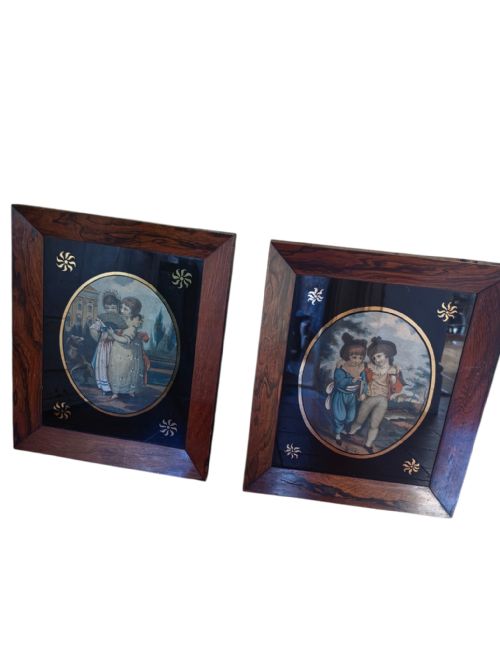
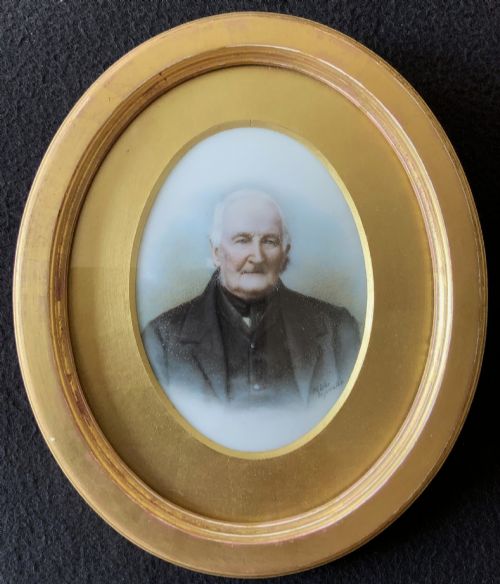
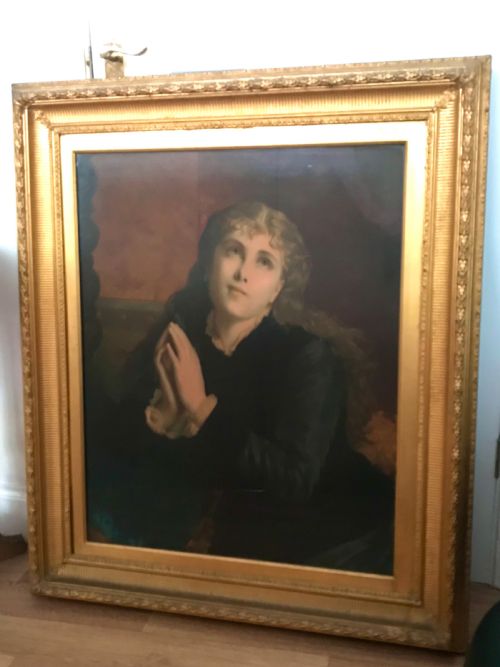
When someone searches for a Victorian portrait on glass, they find miniature paintings, chrystoleums, and framed pictures originating from the nineteenth century and the Edwardian era. The most common examples meeting this search are reverse glass painted prints and miniature watercolours secured in giltwood, rosewood, or gold metal frames.
These items capture likenesses of mid-Victorian ladies, beauties, and children using techniques distinct from standard paper or canvas works. The use of glass gives the image a luminous depth, protecting the delicate pigment beneath a convex or flat surface.
Originating during the Victorian period, these works range from intimate locket pendants to wall art and framed pictures. Their survival depends heavily on the integrity of the glass and the stability of the frame materials such as gesso and gilt wood.
What varies in quality
The fineness of the brushwork and the precision of the hand-tinting determine the distinction between ordinary production and superior artistry. Works showing subtle facial expressions and carefully blended pigments separate standard tinted prints from masterly miniature paintings.
The preservation of the original glass and frame contributes heavily to the integrity of the piece. Intact convex glass, original gilt wood or rosewood frames, and stable paint layers indicate superior survival through the nineteenth century.
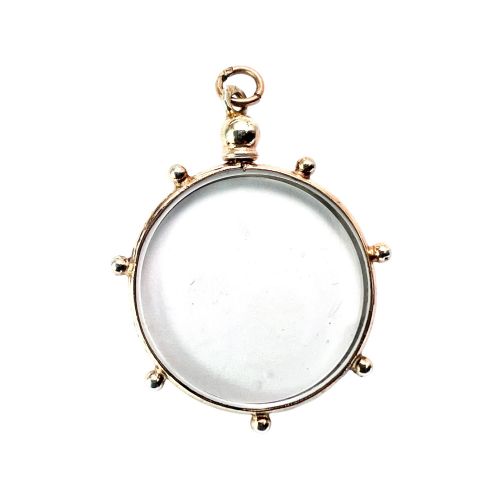
Some Victorian owners wore their loved ones inside tiny gold screw locket pendants, turning portraits on glass into portable affection.
The Victorian Portrait on Glass Glossary
- Chrystoleum
- A Victorian method of applying a coloured print to glass, thinning the paper, and hand-painting the reverse to create a three-dimensional effect. This technique produced popular depictions of beauties and historical figures.
- Convex glass
- Curved glass panes utilised in frames and lockets to provide magnification and depth to portraits. It protects the painted surface while catching ambient light.
- Gesso
- A plaster-like mixture applied to wooden frames before gilding to create raised decorative moulding. It forms the base for gold leaf in Victorian frames.
- Locket pendant
- A small hinged piece of jewellery made from gold or silver designed to hold a miniature portrait under glass. These items combined personal sentiment with wearable art.
- Miniature painting
- A detailed artwork executed on a small scale, often utilising watercolour on glass. These portraits required exceptional precision due to their compact size.
Victorian Portrait on Glass: Frequently Asked Questions
What is a chrystoleum?
A chrystoleum is a tinted print mounted on glass and hand-painted from the back to achieve a layered, luminous appearance.
Artisans rubbed away the paper backing of a photograph or print before applying oil paints or watercolours to the reverse of the glass.
How do I care for antique glass portraits?
Keep these pieces away from direct sunlight and excessive moisture to protect the delicate pigments and paper elements trapped beneath the glass.
Clean the glass gently with a dry or barely damp cloth, avoiding harsh chemicals that might seep beneath the frame edges.
Are these portraits hand painted?
Many examples involve hand-painted details applied directly to glass or onto the back of a treated print.
Miniature paintings are entirely hand-painted in watercolour, whereas chrystoleums combine mechanical printing with careful manual tinting.
What frames are original to these pieces?
Original mountings typically consist of rosewood, gilt wood, or ornate yellow gold frames fitted with curved or convex glass.
These surrounds were designed specifically to complement the depth and tone of the glass portrait within.